Chimney Cowl Installation Edinburgh
Why Edinburgh Chimneys Need Cowls
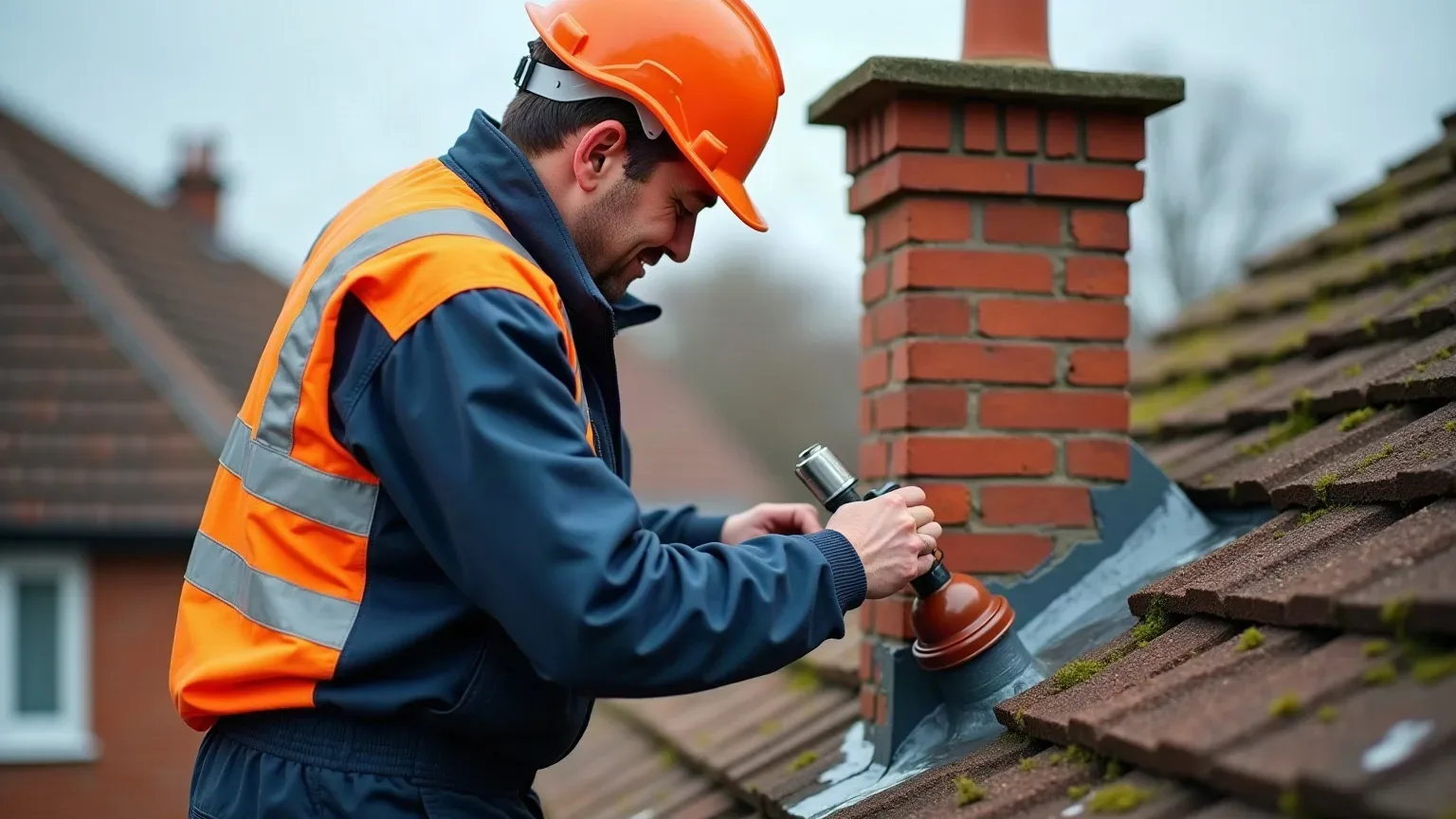
Edinburgh's weather puts chimneys under constant pressure. Atlantic fronts push rain horizontally across the city, and the wind patterns created by the Pentland Hills and the Firth of Forth mean downdraught is a genuine, recurring problem for homeowners with open fires or solid-fuel stoves. A chimney cowl sits at the top of the flue and addresses both issues at once: it blocks rain from entering the pot and disrupts the airflow that causes downdraught to push smoke back into the room.
Without a cowl, an exposed chimney pot collects standing water after every shower. Over months, that water saturates the mortar around the pot and the haunching at the stack base, accelerating the freeze-thaw cycle that is particularly damaging during Edinburgh winters. Fitting a cowl is a relatively small investment that protects a much larger one.
Types of Chimney Cowl and Which Suits Your Situation
Anti-Downdraught Cowls
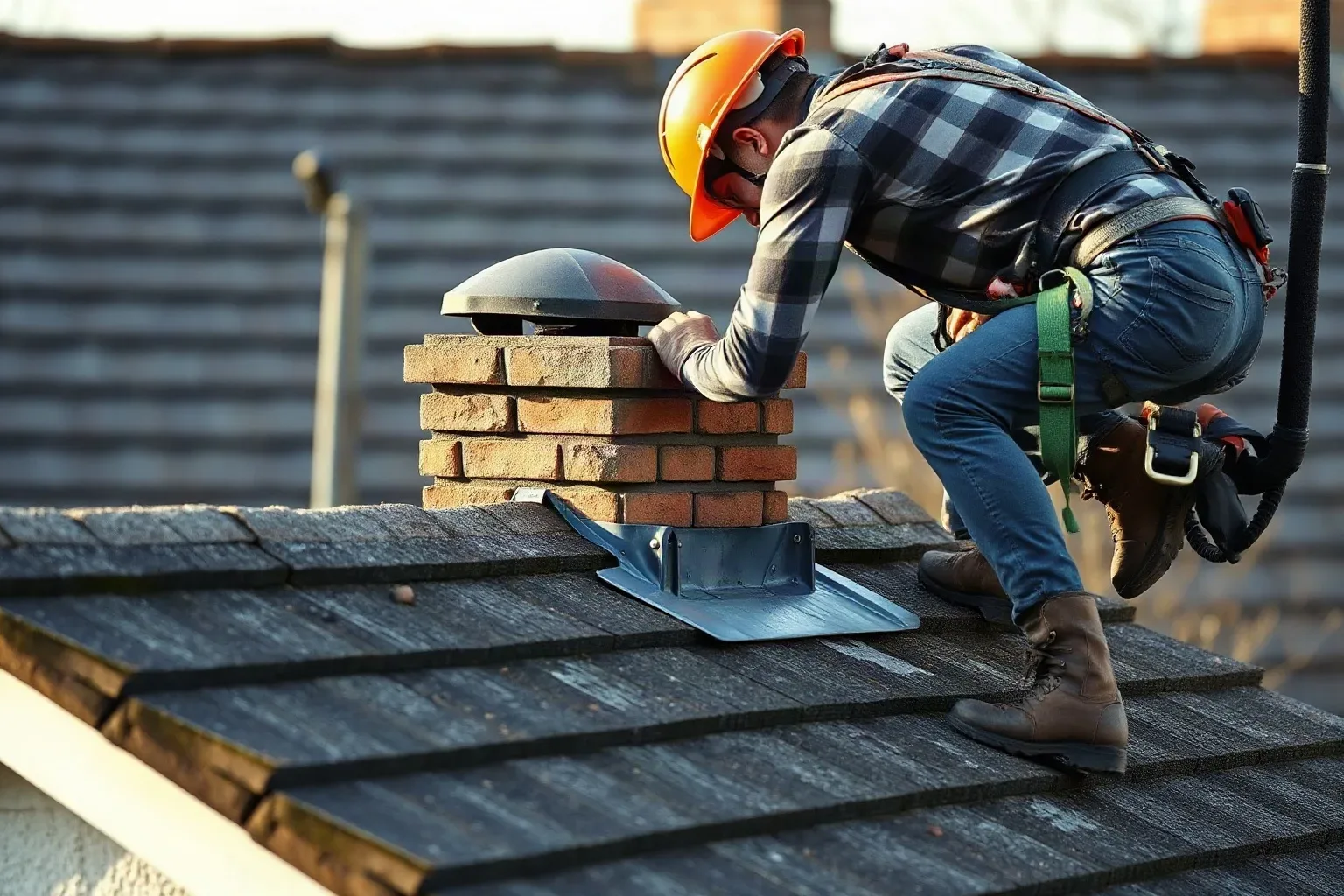
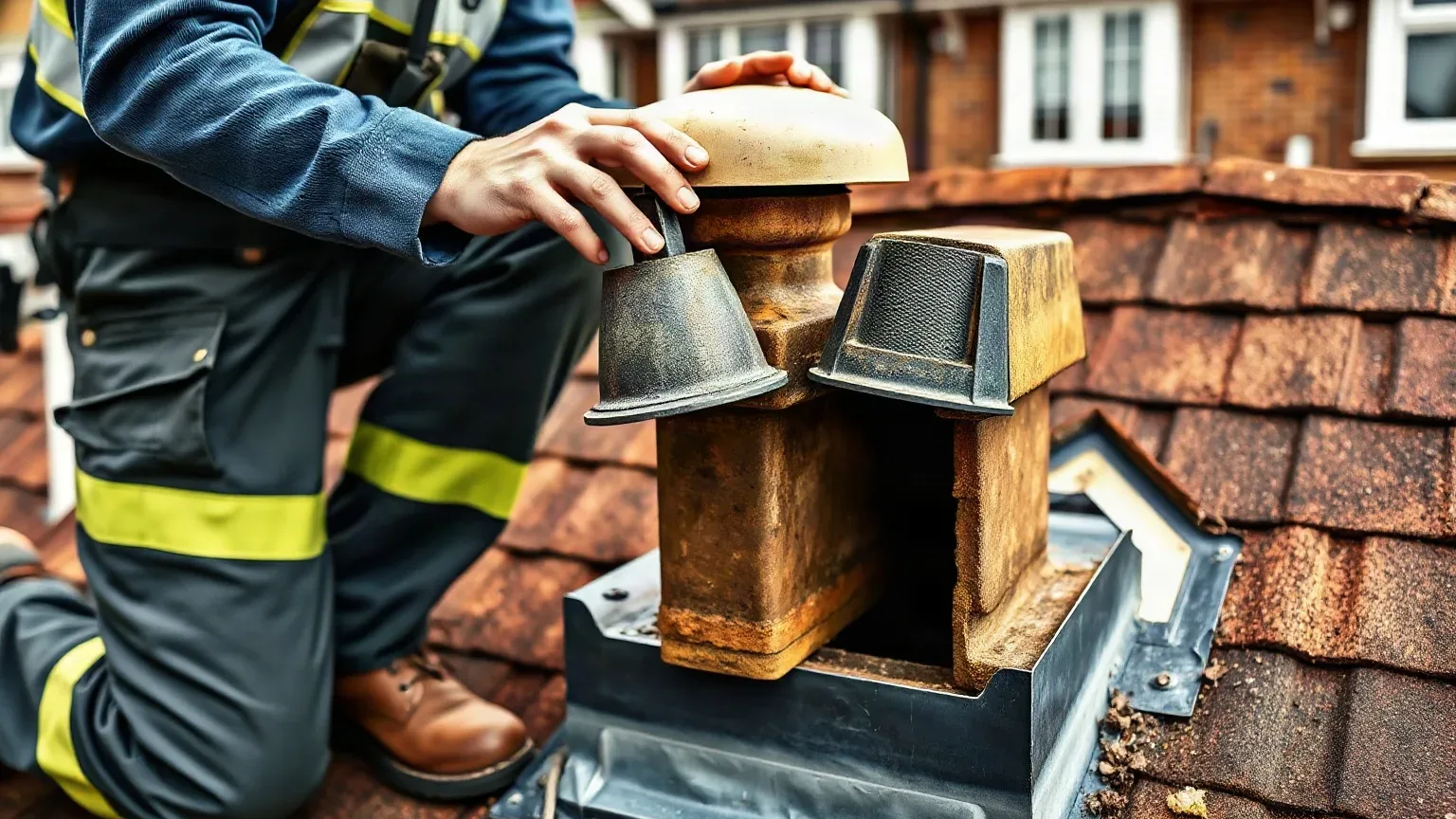
Anti-downdraught cowls are the most common request in Edinburgh. They rotate with the wind, always presenting an open side away from the prevailing direction, so the flue draws cleanly regardless of which way the wind is blowing. Suitable for open fires, multi-fuel stoves, and solid-fuel appliances where an active flue is essential.
Rain Caps and Bonnet Cowls
A simple rain cap or bonnet cowl sits over the pot and keeps precipitation out without restricting airflow significantly. These are a practical, lower-cost option for chimneys that are still in occasional use and where downdraught is not the primary concern.
Capping Cowls for Unused Flues
If a fireplace has been sealed or decommissioned, a capping cowl closes the flue entirely. This prevents bird nesting, stops cold draughts entering through the firebox, and eliminates the ongoing risk of water ingress. Some ventilated capping cowls include a small mesh opening to maintain the minimum airflow that prevents damp building up inside the stack.
Bird Guard Cowls
Jackdaws are a familiar sight on Edinburgh rooftops, and they readily nest inside unprotected chimney pots. A bird guard cowl fits over the pot with a stainless steel mesh cage that blocks nesting material while still allowing the flue to breathe. HETAS guidance recommends these for any solid-fuel appliance in areas with regular jackdaw activity.
Chimney Cowl Installation Cost Edinburgh
For a standard single-pot installation on a typical Edinburgh terraced or semi-detached property, cowl supply and fitting combined typically costs £150–£400. That range reflects the type of cowl chosen, the height and access difficulty of the stack, and whether any minor pot or mortar repairs are needed at the same time.
If scaffolding is required (common on taller Victorian and Edwardian properties in areas such as Morningside, Marchmont, or Trinity), expect an additional cost that pushes the total toward the upper end of that bracket or beyond. A ladder-access job on a standard two-storey property is considerably more straightforward and sits comfortably in the lower half of the range.
A standard roof inspection with a written report costs £150–£300 and is worth commissioning beforehand on older stacks, since a surveyor can flag cracked pots, failed haunching, or deteriorating flashings that should be addressed before a cowl goes on. Chimney repointing, if the mortar has decayed, runs £300–£800 depending on stack height and the extent of the work.
How to Install a Chimney Cowl in Edinburgh - What the Process Looks Like
A competent roofer or chimney specialist will assess access first. Most Edinburgh properties can be reached by ladder, but steeply pitched roofs, dormer configurations, or particularly tall stacks may require a mobile elevated work platform or a scaffolding lift.
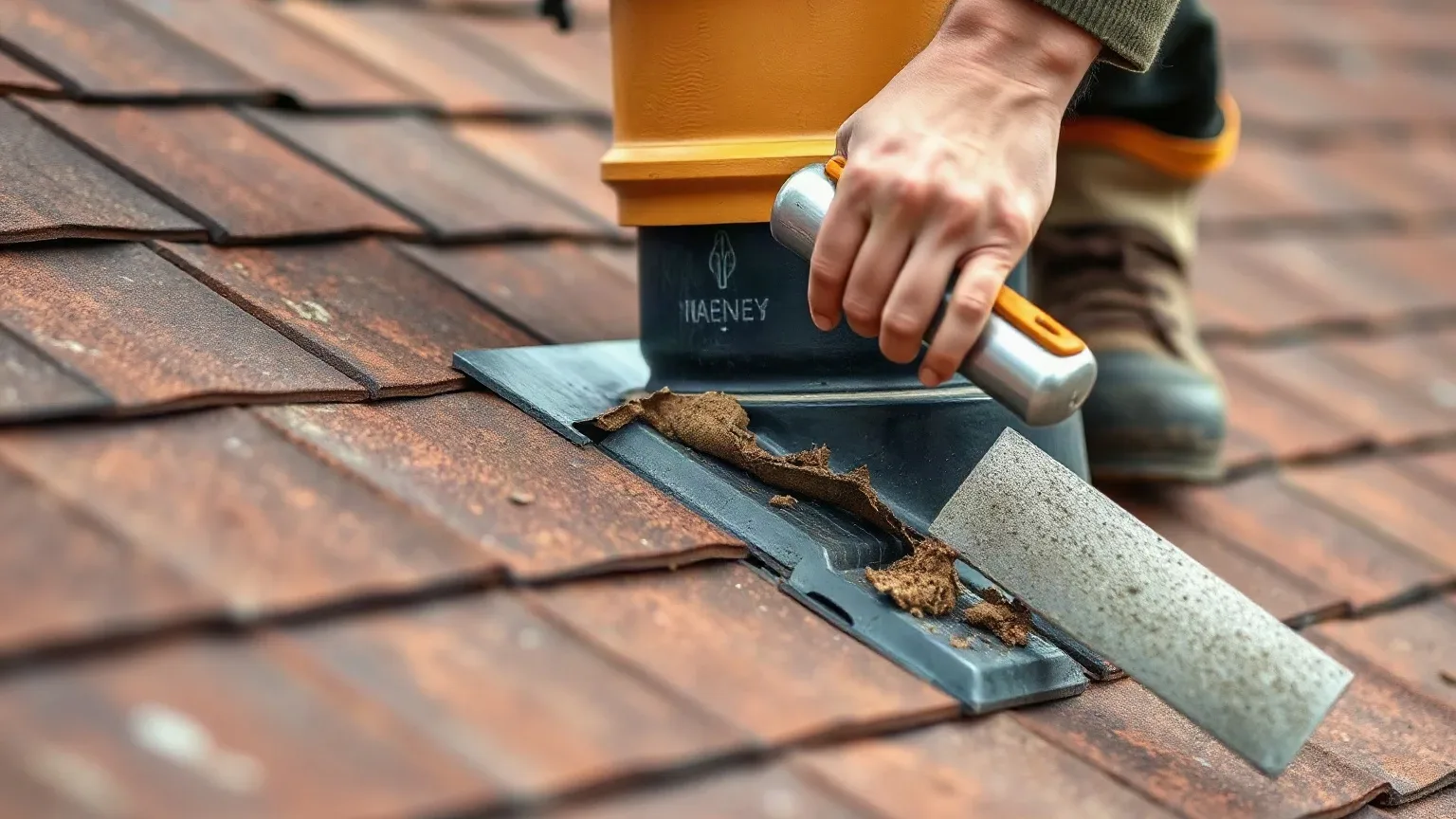
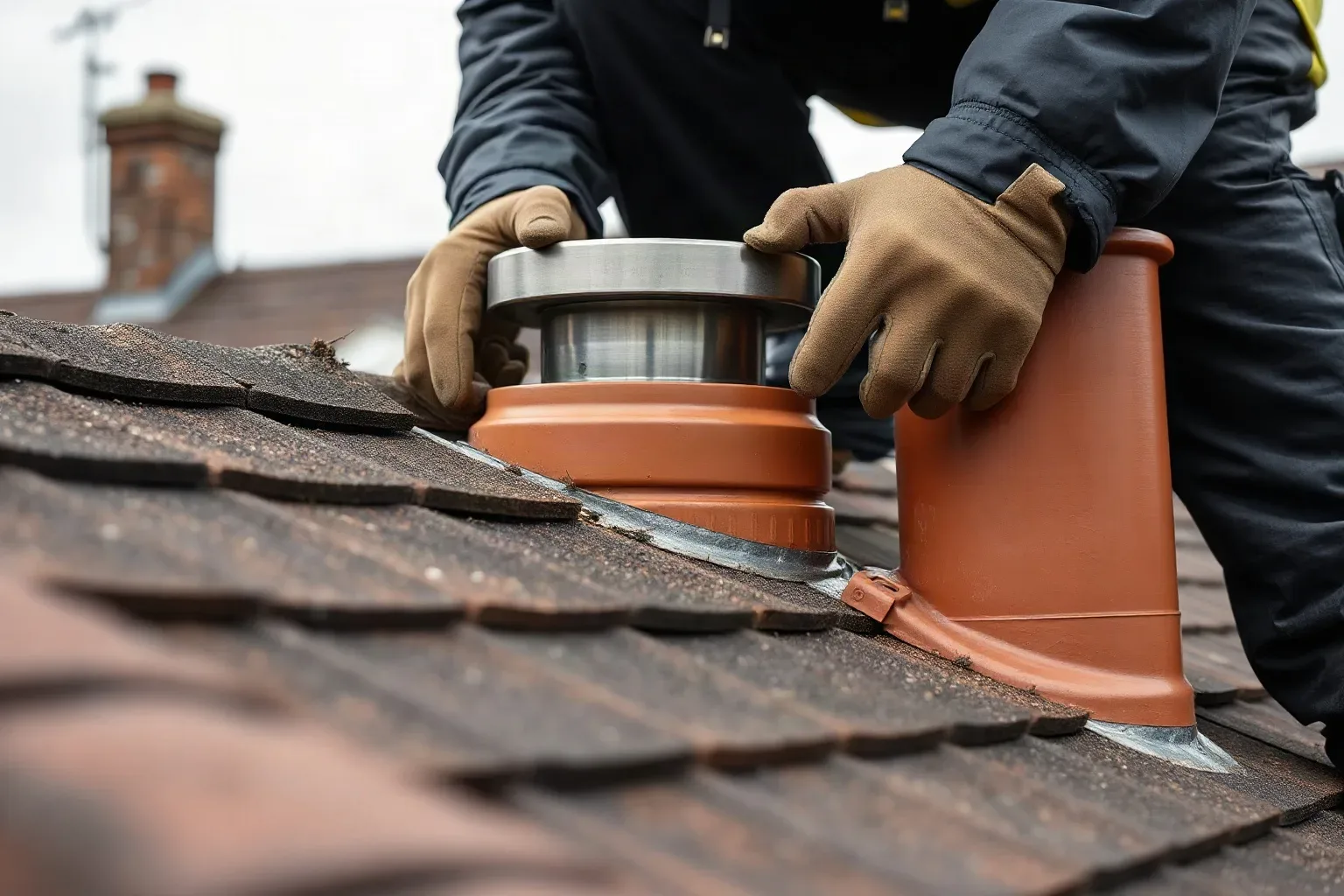
The cowl is fitted directly onto the existing pot in most cases, using a clamp or locking collar sized to match the pot diameter. Where the existing pot is cracked or undersized for the chosen cowl, the roofer will either relay the pot or fit a reducer collar. The whole job on a straightforward property typically takes under two hours.
Once installed, rotating cowls should be checked to confirm free movement before the contractor leaves. Mesh-type bird guards should be inspected for correct seating. If you have a working stove or open fire, run a test burn within the first week to confirm draw has improved.

Choosing a Contractor for Chimney Cowl Installation in Edinburgh
Look for an NFRC-registered or equivalent approved roofing contractor. Registration means the company works to a recognised standard and carries appropriate insurance for working at height. For anything involving a solid-fuel appliance, a HETAS-registered installer can also confirm whether your chosen cowl is compatible with the appliance type and flue specification.
Ask for a written quote that separates supply from labour, specifies the cowl model and material (stainless steel lasts significantly longer than galvanised mild steel in Edinburgh's damp climate), and confirms whether VAT is included. Any reputable contractor will be happy to provide this before starting work.
Emergency callout charges apply when a cowl failure has allowed water into the chimney breast or a blockage has made the property unsafe. Standard weekday callout fees run £60–£120; out-of-hours or weekend emergency callouts typically cost £150–£300. Routine cowl fitting booked in advance avoids those uplift charges entirely.
Getting the Work Done
Coverage spans all Edinburgh postcodes (EH1–EH17) and the surrounding Lothians, with an emergency line available 24 hours a day, seven days a week. For planned installations, booking mid-week in dry weather gives the best conditions and the quickest turnaround.
Call now to get a fixed quote for your chimney cowl installation, or use the contact form to describe your property and stack arrangement. A brief description of the chimney type (open fire, stove, decommissioned) and the rough house height helps the team give you an accurate figure before any site visit.
Frequently Asked Questions
Chimney Cowl Installation Cost Edinburgh - What Should I Budget?
For a standard single-pot job on a typical Edinburgh home, supply and fitting combined usually costs £150–£400. The final figure depends on the cowl type, stack height, and whether scaffolding or access equipment is needed. Minor pot repairs or repointing carried out at the same time will add to the total, but combining the work in one visit saves on callout and access costs.
How Do I Install a Chimney Cowl in Edinburgh - Can I Do It Myself?
Working at roof height in Edinburgh is hazardous without professional training and equipment, so a qualified roofer or chimney specialist is strongly recommended. A contractor with NFRC registration or equivalent will assess access, size the cowl correctly to your pot, and confirm the installation meets any requirements tied to your appliance type. The job typically takes under two hours on a straightforward property.
What Type of Chimney Cowl Is Best for Edinburgh's Weather?
An anti-downdraught rotating cowl suits most working Edinburgh fireplaces and stoves, because it compensates for the variable wind directions common across the city. For unused flues, a vented capping cowl keeps rain and birds out while maintaining minimum airflow to prevent damp. Stainless steel construction is preferable to galvanised steel given Edinburgh's consistently damp climate.
Will a Chimney Cowl Stop Birds Nesting in My Chimney Pot?
Yes. A bird guard cowl fits a stainless steel mesh cage over the pot opening, which blocks jackdaws and other birds from entering while still allowing the flue to ventilate. HETAS guidance recommends these for solid-fuel appliances in areas with regular jackdaw activity, and Edinburgh rooftops see significant jackdaw populations, particularly in older residential areas.
Do I Need a Survey Before Having a Chimney Cowl Fitted?
On stacks that haven't been inspected recently, a roof or chimney survey costing £150–£300 is a sensible step. It will identify cracked pots, failed haunching, or deteriorating flashings that should be repaired before a cowl goes on. Fitting a cowl over an already-damaged stack can trap moisture and worsen decay rather than preventing it.