GRP Fibreglass Flat Roofing Edinburgh
What GRP Fibreglass Actually Is
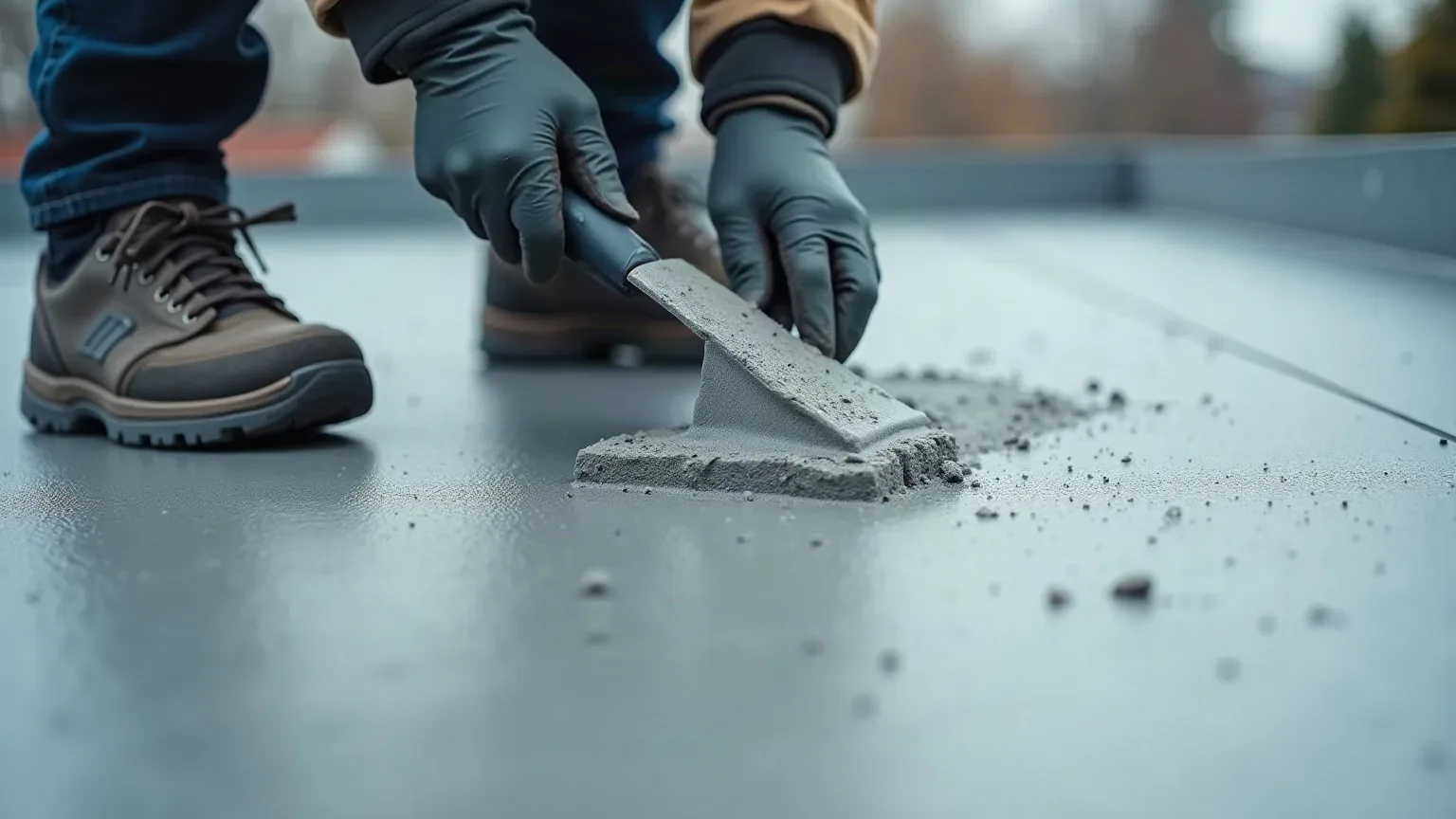
GRP stands for glass-reinforced plastic, a composite material made by laminating fibreglass matting with a liquid resin and finishing it with a gelcoat. The result is a single, seamless membrane with no joints or laps where water can penetrate. It is the same material used in boat hulls and water tanks, which tells you something about its durability in wet conditions.
In Edinburgh's climate, that matters considerably. The city averages around 650 mm of rainfall per year, and flat roofs on extensions, garage roofs, and dormer tops are exposed to standing water, freeze-thaw cycles, and wind-driven rain. A well-installed GRP system handles all of that without the vulnerabilities of traditional felt.
How GRP Compares to Felt and EPDM
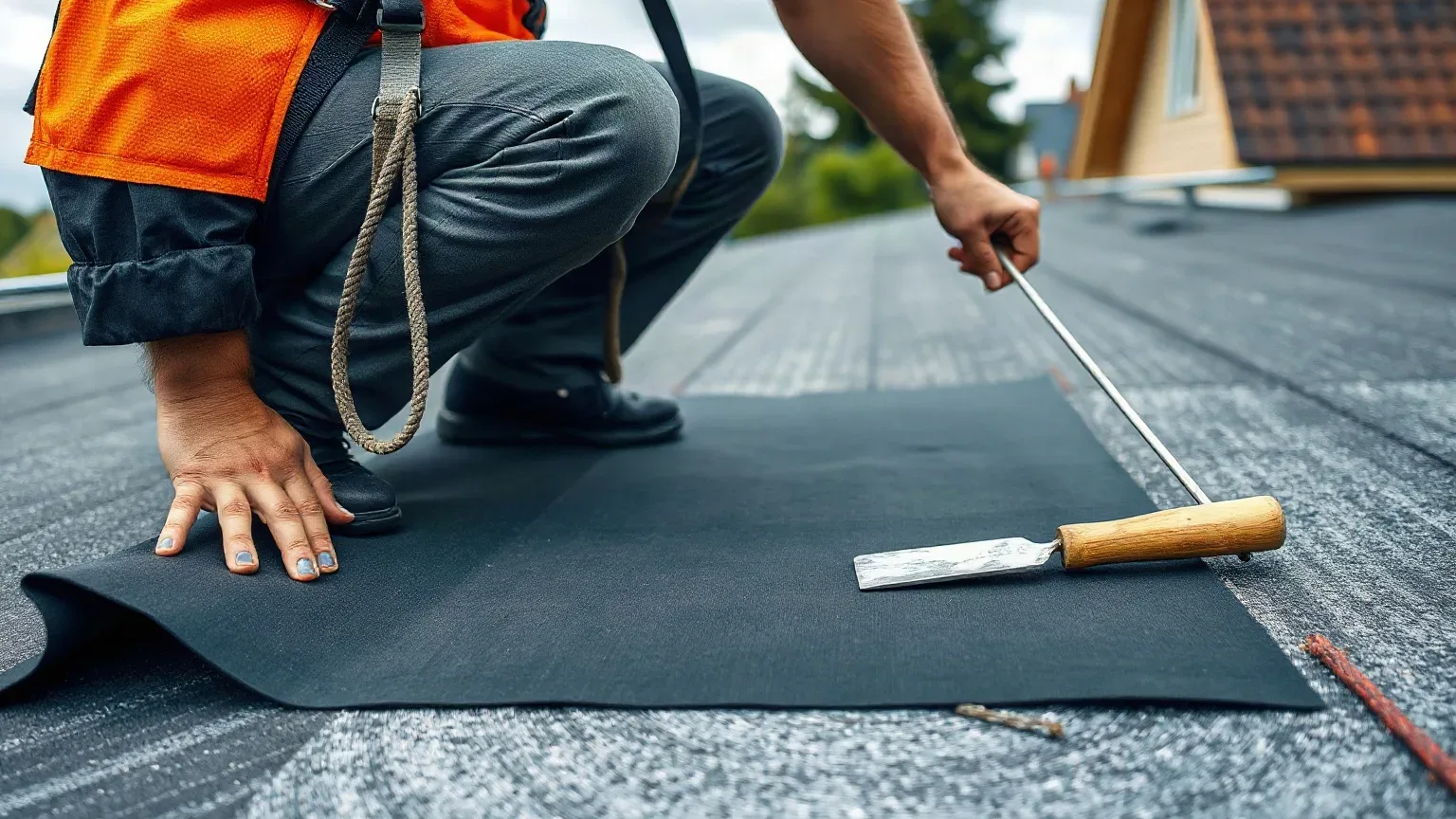
Traditional three-layer felt lasts 10–20 years under good conditions, but Edinburgh's temperature swings accelerate the cracking and blistering that eventually cause leaks. EPDM rubber is a stronger alternative, lasting 25–50 years, but it is mechanically fastened or adhered in sheets, which means seams exist even if they are fewer than felt.
GRP fibreglass sits alongside EPDM at the upper end of flat roofing performance, with a realistic lifespan of 25–40 years. Its main practical advantage is the seamless finish: once cured, the entire surface is one continuous piece. Repairs, when needed, bond chemically to the existing substrate rather than relying on adhesive laps.
Cost sits in a comparable range. Flat roof replacement runs £50–£120 per m² depending on the system, with felt at the lower end and GRP and EPDM at the upper end. For most Edinburgh extensions, that works out to a total installation cost significantly below a full slate roof replacement, while delivering decades of low-maintenance performance.
The Installation Process
Deck Preparation
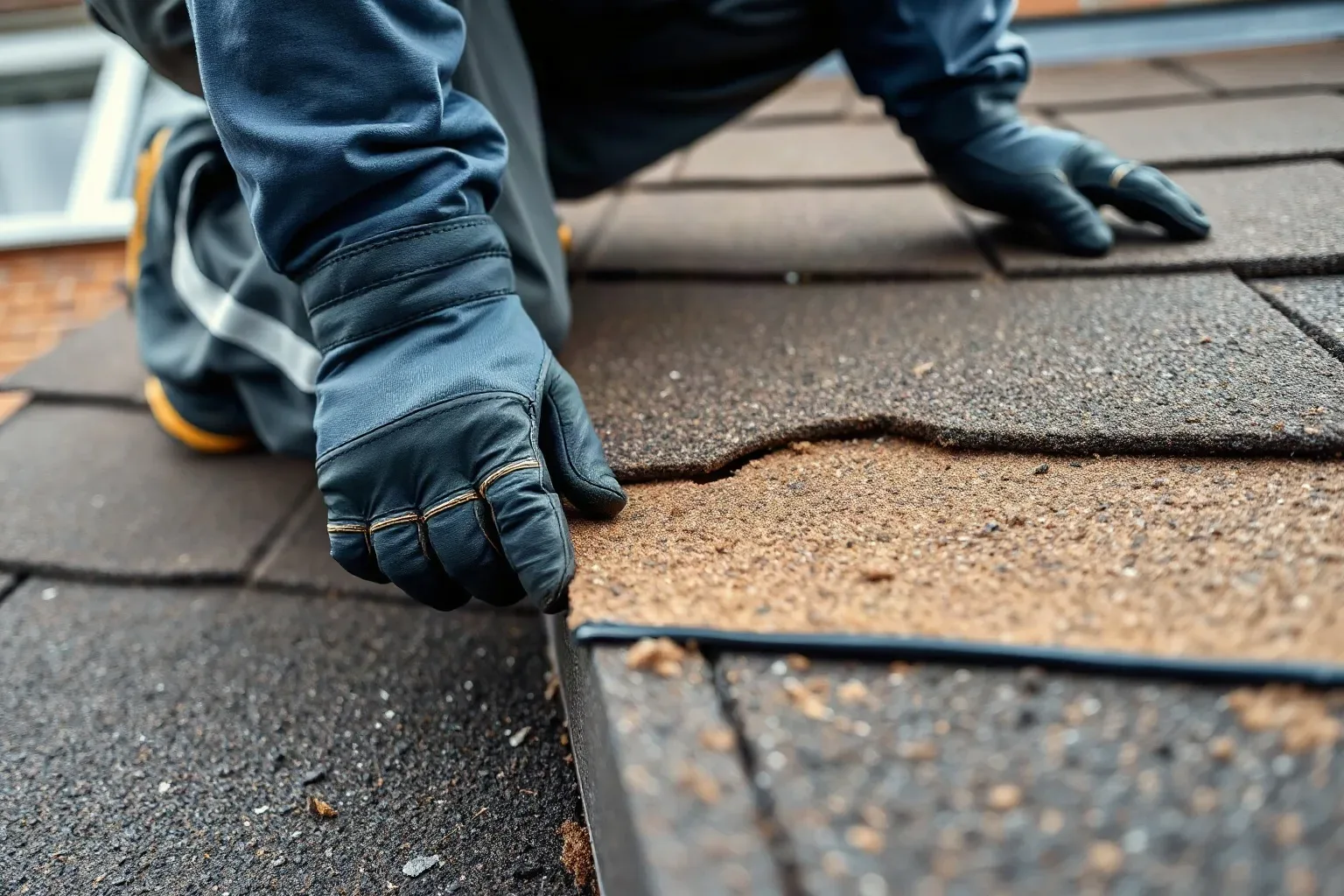
GRP requires a solid, dry substrate. Most installers use 18 mm WBP (weather and boil proof) plywood, which provides the rigidity the resin needs to cure without flexing. Any existing felt or damaged boards are stripped first. The deck is cut and fitted with a slight fall, typically 1:80 minimum, to direct water toward outlets.
Edinburgh homes with older flat roofs often have inadequate falls, so this stage can involve more work than the lamination itself.
Lamination and Curing
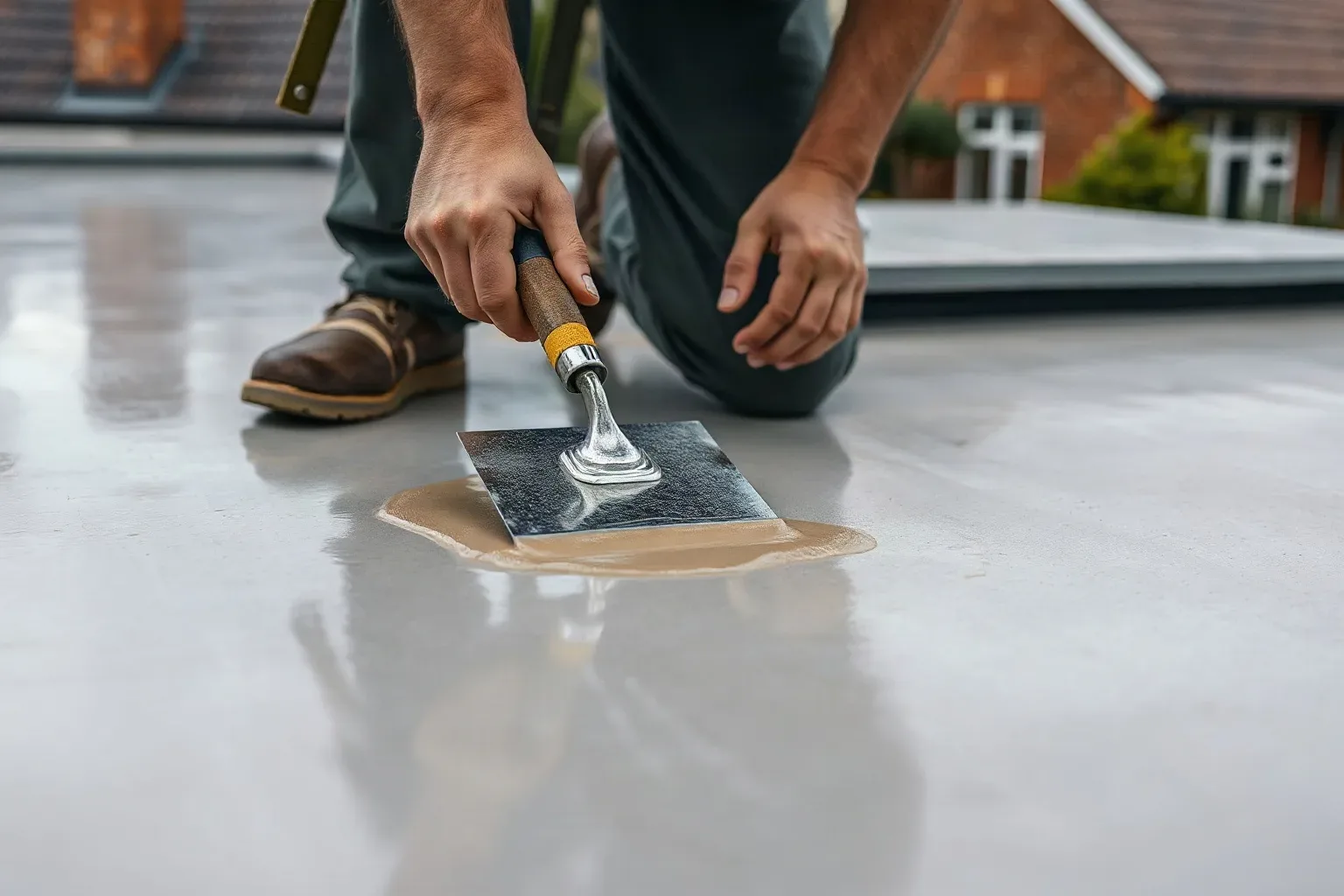
The resin is mixed on site and applied to the primed deck, followed immediately by chopped-strand fibreglass matting. A second resin coat embeds the matting fully. The installer then applies the gelcoat, which provides UV resistance and the smooth, hard-wearing surface finish. Curing time depends on temperature: in summer, full cure can take a few hours; in colder Edinburgh winters, installers use faster-catalyst mixes or schedule jobs carefully.
The process is weather-sensitive. Rain during lamination is a serious problem, so reputable contractors monitor forecasts closely and will not lay resin in damp or cold conditions that prevent proper cure. A poor cure produces a weak, porous membrane.
Finishing Details
Trims, upstands, and edge details are laminated separately and bonded into the main field. Rooflights, soil pipes, and any penetrations are treated individually to maintain the watertight seal. This is where experienced installation shows: poorly finished details are the most common source of early failures on GRP roofs.
Choosing a Contractor in Edinburgh
GRP installation is a trade skill, not a DIY job. The resin has a short working time, the mixing ratios are critical, and the lamination technique affects long-term adhesion. Look for contractors who are NFRC-registered or hold an equivalent approved roofing contractor status. Ask specifically about their GRP experience, not just general flat roofing work.
Get at least two written quotes that break down the deck preparation, lamination, and finishing as separate line items. A quote that bundles everything into one figure makes it hard to compare or to understand what you are actually getting. Ask for photos of previous GRP jobs in Edinburgh and check whether they offer a workmanship guarantee alongside the manufacturer's product warranty.
Coverage across all Edinburgh postcodes, EH1–EH17, and the surrounding Lothians is standard among established contractors. If you need a survey before committing, a standard roof inspection costs £150–£300 and should include a written report.
Repairs vs Full Replacement
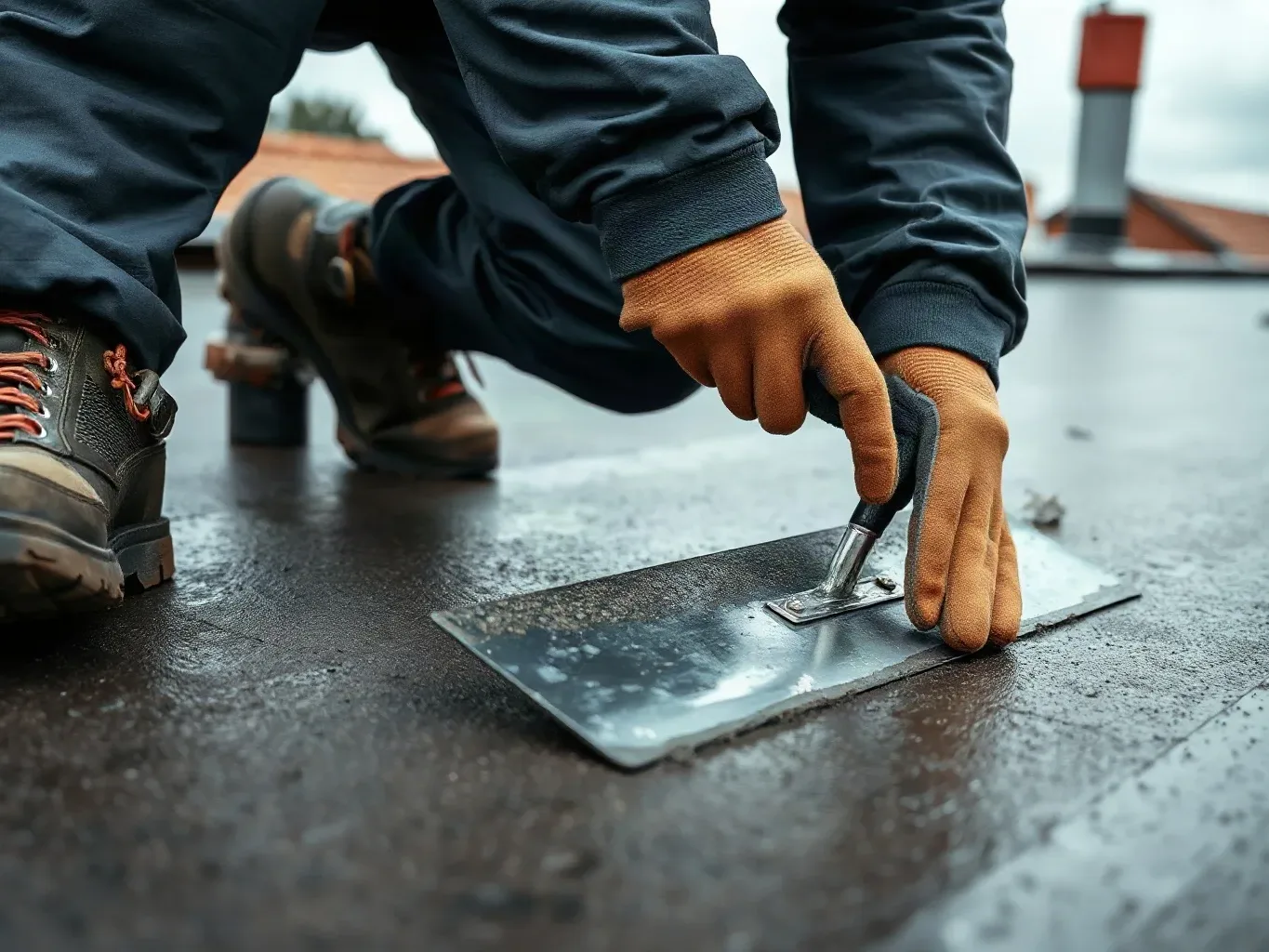
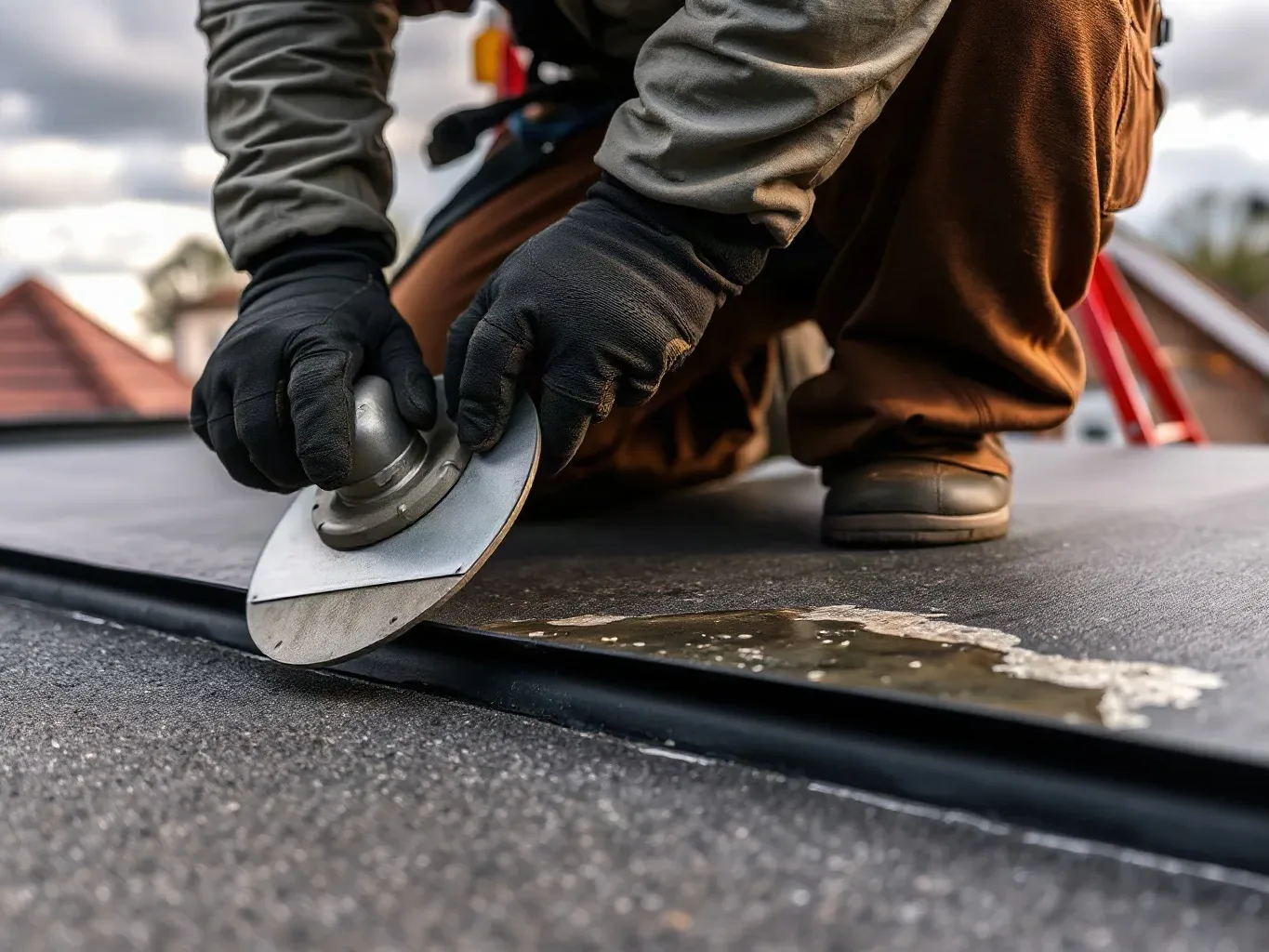
Repair is viable if the existing GRP substrate is structurally sound and the failure is localised. GRP is one of the few flat roofing materials where repair genuinely bonds to the parent material rather than just sitting on top of it. A skilled contractor can grind back a damaged area, re-laminate it, and apply a fresh gelcoat that integrates with the surrounding surface.
If the roof is more than 20–25 years old, shows widespread cracking or delamination, or has a compromised deck beneath, replacement is the more cost-effective answer. Patching an extensively deteriorated GRP roof delays the inevitable and may void any warranty on the repair work itself.
For minor repairs on GRP and other systems, costs typically sit in a similar range to small slate repairs, though the pricing structures differ. A GRP repair job price depends heavily on area and access. An emergency tarp to protect a failed roof while repairs are arranged costs £200–£500, and the emergency callout charge for out-of-hours work runs £150–£300.
Getting a Quote for Your Edinburgh Property
Flat roofs on Edinburgh extensions, dormer cheeks, and garage roofs are among the most common jobs local contractors handle. The wide variety of tenement conversions, Victorian semis, and modern extensions across postcodes EH3–EH17 means no two jobs are identical in terms of access, deck condition, or drainage layout.
The clearest next step is to contact a local GRP-qualified contractor, confirm their accreditation, and arrange a site visit. Most offer a callout assessment for £60–£120 on a standard weekday. Bring along any information you have about the existing roof, including its age and any previous repair history, as that directly affects the quote and the recommended approach.
An emergency line operating 24 hours a day, 7 days a week means that if your flat roof is actively leaking, you do not need to wait until Monday morning. Edinburgh contractors covering emergency roofing aim to reach city-area properties within 1–2 hours of a call.
Frequently Asked Questions
How Long Does a GRP Fibreglass Flat Roof Last in Edinburgh?
A properly installed GRP fibreglass flat roof has a realistic lifespan of 25–40 years. Edinburgh's wet climate and freeze-thaw conditions are well within the performance range of a correctly cured GRP system, provided the deck preparation and lamination were carried out to the correct standard.
How Much Does GRP Flat Roofing Cost per Square Metre in Edinburgh?
Flat roof replacement costs £50–£120 per m² depending on the system. GRP and EPDM rubber sit at the upper end of that range, reflecting better longevity compared with traditional felt. Deck preparation, access difficulty, and finishing details all affect the final price, so always request an itemised written quote.
Can a GRP Flat Roof Be Repaired Rather Than Replaced?
Yes, if the substrate is structurally sound and the damage is localised. GRP repair material bonds chemically to the existing membrane, making it one of the more repairable flat roofing systems. If the roof is over 20–25 years old or shows widespread delamination, full replacement is usually the more cost-effective option.
What Preparation Does My Roof Deck Need Before GRP Is Installed?
The deck must be dry, flat, and rigid. Most installers fit 18 mm WBP plywood and ensure a minimum fall of 1:80 toward outlets. Any existing felt, damaged boards, or rotted timber is removed before lamination begins. Skipping this stage is the most common cause of early GRP failure.
Do Edinburgh Contractors Install GRP in Winter?
Experienced contractors will install GRP in cooler months by adjusting the resin catalyst ratio to suit the temperature. However, they will not lay resin in wet or freezing conditions, as moisture and cold prevent proper cure. A reputable contractor will schedule your job around the forecast and will not compromise the lamination to meet a tight deadline.