Flat Roof Extension Roofing Edinburgh
A flat roof extension is one of the most practical ways to add living space to an Edinburgh home without the planning complexity of a pitched roof addition. Single-storey rear extensions, kitchen additions, and utility rooms all suit flat roofing well, provided the system chosen can handle Scotland's wet climate. The material you specify affects not just upfront cost but how long the roof performs before it needs attention again.
Why Flat Roofs Work on Extensions
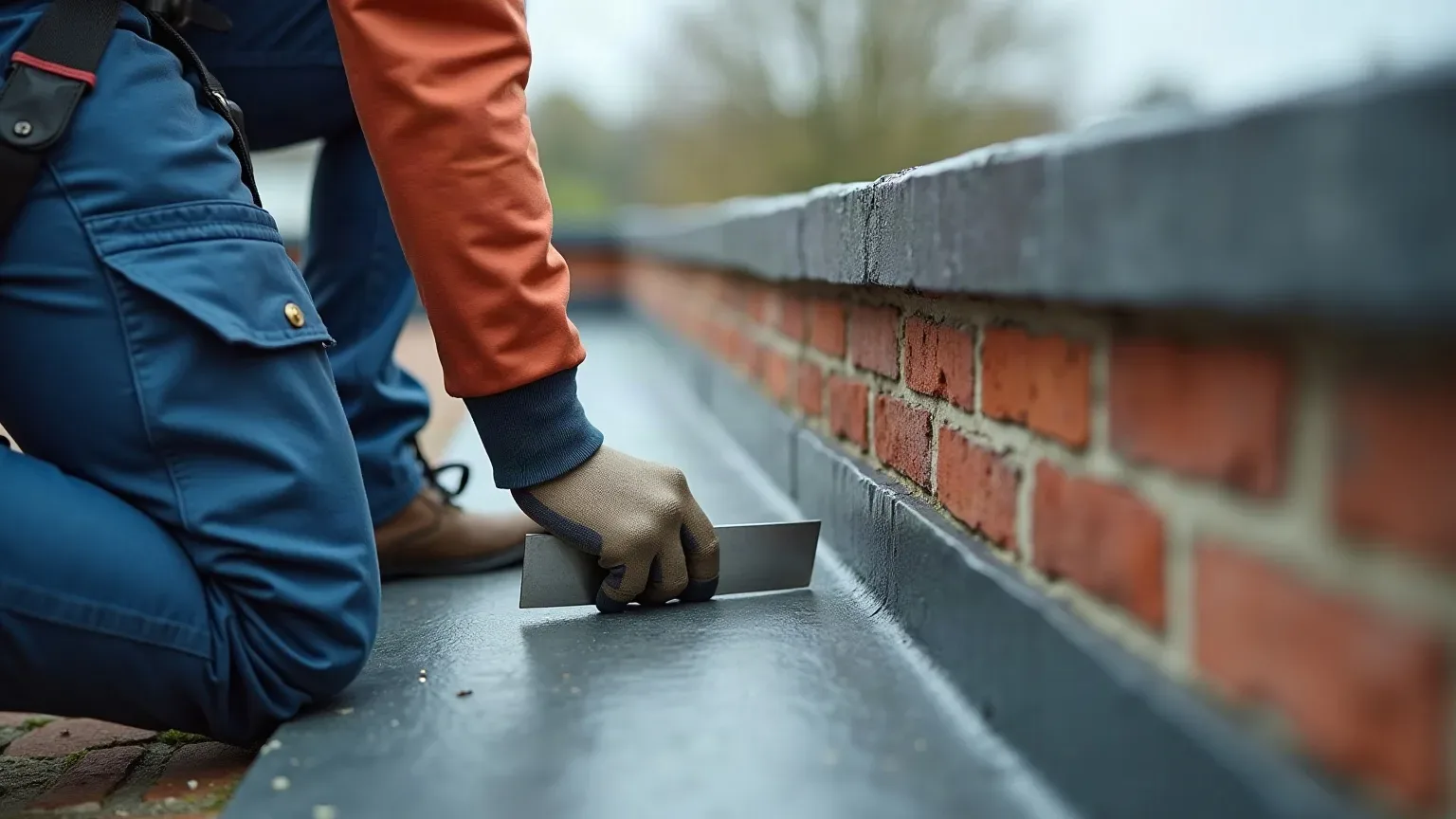
Flat roofs are not truly flat. They carry a minimum fall of 1:80 to direct water to outlets, which is enough to prevent pooling on a correctly installed system. On an extension, this low profile keeps the structure beneath the eave line of the main house, which simplifies planning permission in most Edinburgh postcodes.
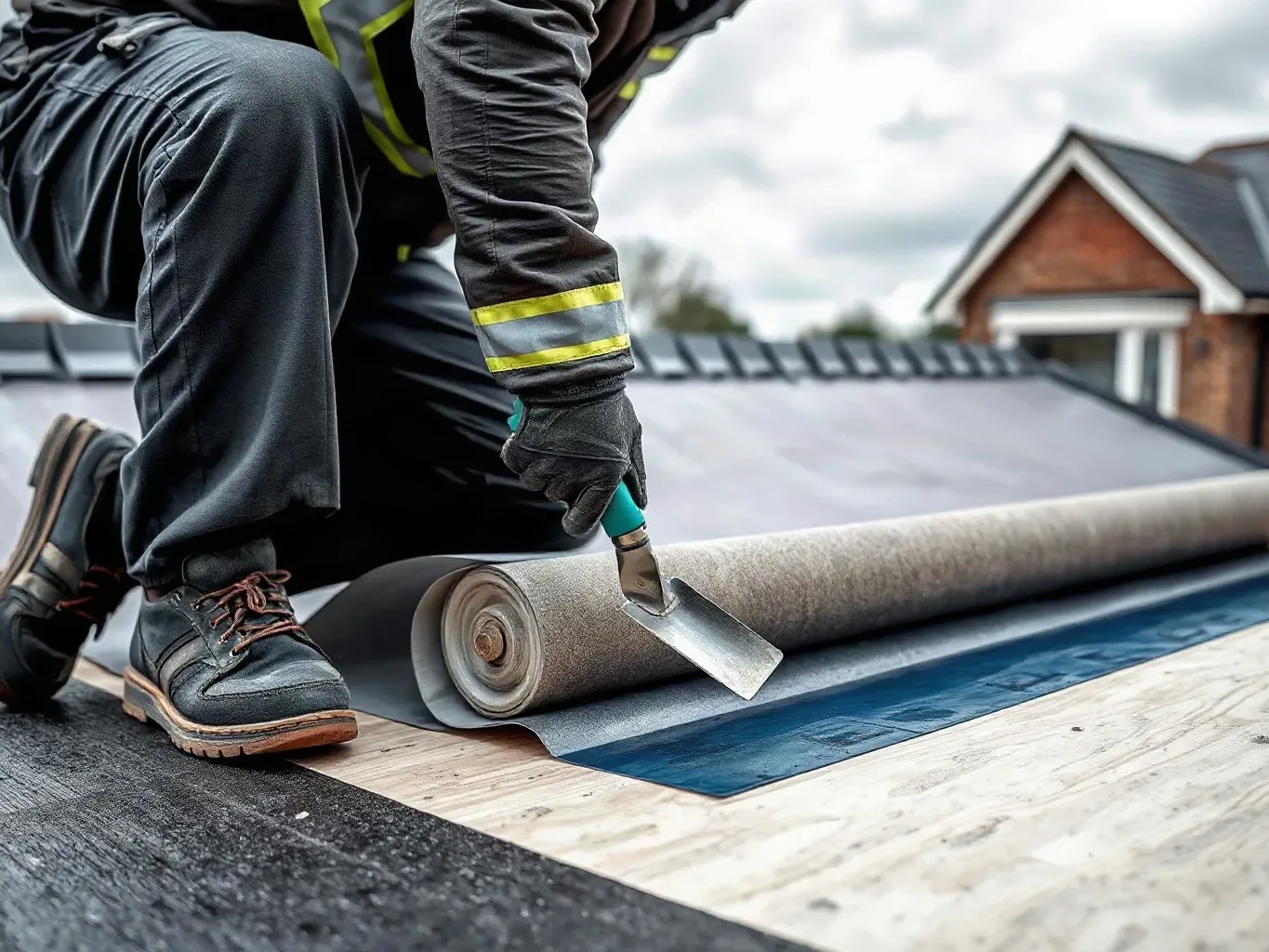
The three systems used on residential extensions are traditional felt, GRP fibreglass, and EPDM rubber. Each has a different service life and price point. Traditional felt lasts 10–20 years at the lower end of cost; GRP fibreglass and EPDM rubber both reach 25–50 years with good installation and are the more sensible choice for a permanent extension.
Choosing the Right System for Edinburgh Conditions
Edinburgh receives around 650 mm of rainfall per year and experiences significant freeze-thaw cycling in winter. That combination punishes any flat roof system with inadequate jointing or insufficient insulation beneath the deck.
GRP Fibreglass
GRP (glass-reinforced polyester) is applied in liquid form and cures to a seamless, rigid surface. Because there are no seams or laps, there are no joints to fail under thermal movement. A well-installed GRP roof lasts 25–40 years and is the most common specification on Edinburgh extensions built in the past decade. It accepts foot traffic for maintenance access without damage.
EPDM Rubber
EPDM is a synthetic rubber membrane, typically supplied in a single sheet that covers the entire deck with minimal joins. Its flexibility makes it more tolerant of deck movement, which matters on timber-framed extensions. Lifespan is 25–50 years, and manufacturer warranties commonly run 20–25 years. EPDM is slightly more forgiving of temperature extremes than GRP.
Traditional Felt
Three-layer torch-on felt remains an option, particularly for budget-constrained projects or temporary buildings. Its 10–20 year lifespan means a typical homeowner will replace it once or twice over the life of the extension. For a permanent kitchen or living-room extension, the two modern systems offer better long-term value despite higher upfront cost.
Flat Roof Extension Cost Edinburgh
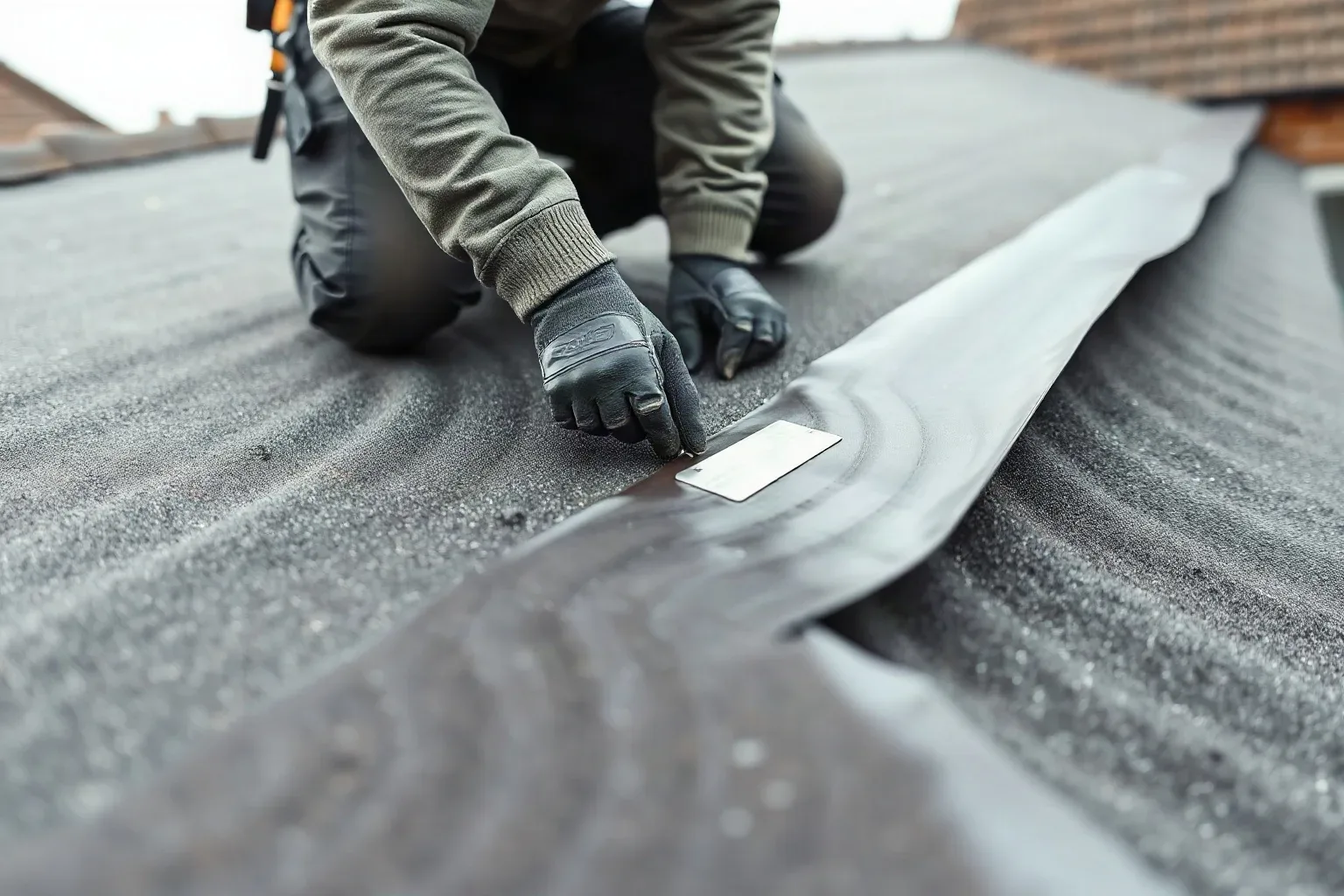
Flat roof replacement and installation pricing runs at £50–£120 per square metre in Edinburgh, with felt at the lower end and GRP or EPDM at the upper end. A standard 15–20 m² kitchen extension roof therefore costs roughly £750–£2,400 for the roofing work alone, excluding structural deck, insulation upgrades, and any associated guttering.
Callout and inspection fees add to that figure if you are repairing rather than replacing. A standard roof inspection costs £150–£300 and produces a written report identifying the extent of any damage. Emergency work, such as roof tarping after storm damage, runs £200–£500 as a temporary measure before permanent repair.
For a full roof on a larger extension, or where the existing deck requires replacement, get itemised quotes that separate deck, insulation, membrane, and edging trim. Labour typically represents 40–60% of the total on small flat roofs because access and detailing work are time-intensive regardless of area.
Insulation and Building Regulations
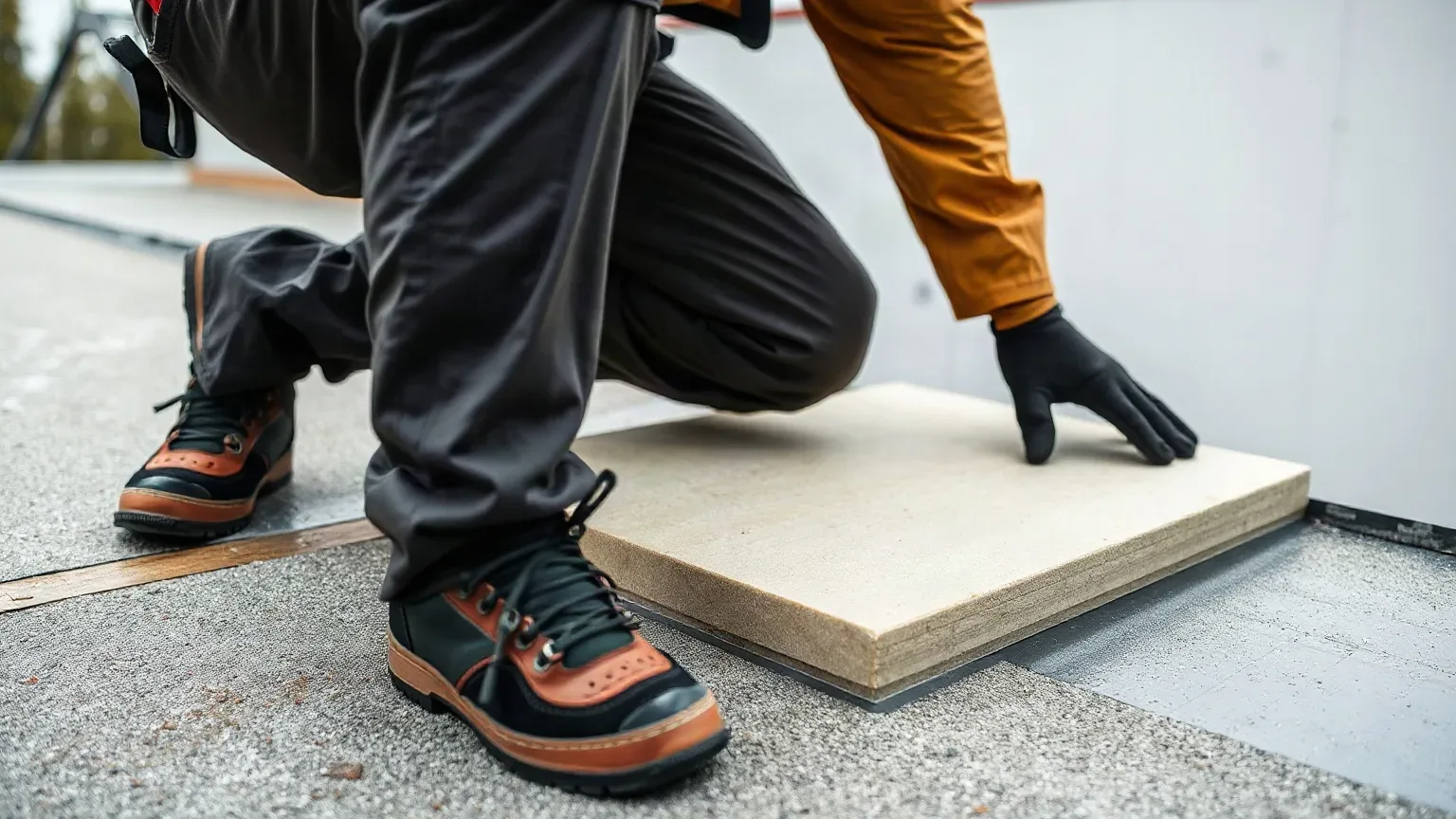
Scottish Building Regulations require new flat roofs to meet specific U-value targets, currently 0.18 W/m²K for extensions above a certain floor area. Meeting that target on a flat roof means specifying adequate rigid insulation, usually 100–150 mm of PIR board, depending on the construction type.
A warm-roof build-up, with insulation above the structural deck and below the waterproof membrane, is the standard approach. It eliminates the condensation risk associated with cold-roof designs. Any Edinburgh roofing contractor working on a new extension should be specifying a warm-roof unless the structure specifically prevents it.
Building warrant approval covers this, and your contractor or architect should confirm the specification before work begins. Skipping adequate insulation to reduce cost creates moisture problems in the ceiling void within a few years.
What to Expect from Installation
A straightforward 15–20 m² flat roof on an existing extension structure typically takes one to two days for an experienced crew. If the existing deck needs replacement, add half a day to a full day. GRP requires a curing window of several hours before the final topcoat is applied, so wet or very cold weather can extend the programme.
The installation sequence for GRP runs: deck inspection and preparation, plywood overlay if required, insulation board, GRP laminate layers, and finally a pigmented topcoat. Edge trims and upstands at walls are bonded in the same material for continuity. EPDM installation is faster, as the membrane is bonded or mechanically fixed to the insulation in one operation.
Your contractor should clear the work area of debris and check drainage outlets are clear before leaving the site. Ask to see the membrane thickness and manufacturer documentation for the system installed.
Finding a Reliable Flat Roof Contractor in Edinburgh
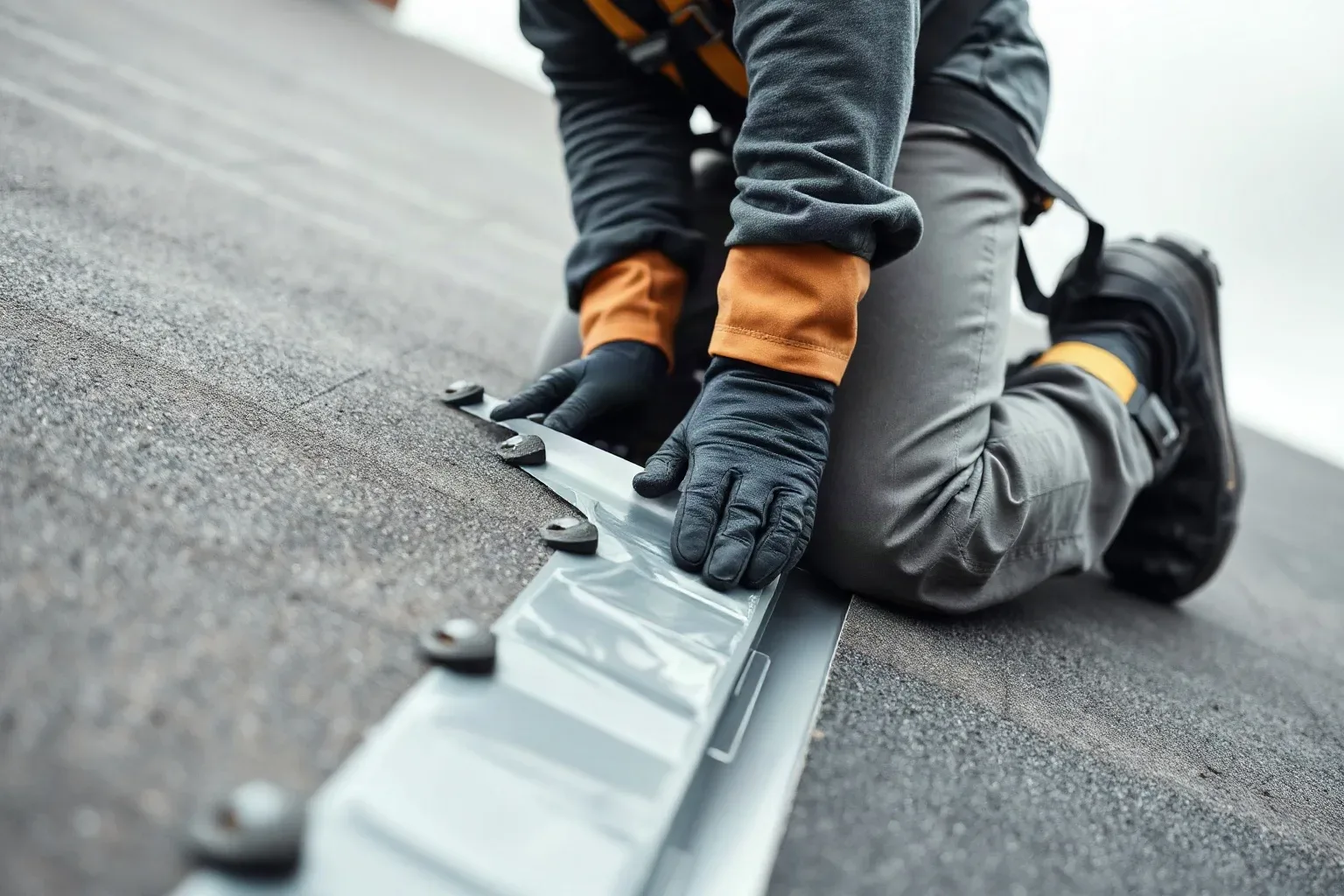
Look for contractors who are NFRC-registered or hold an equivalent approved roofing contractor accreditation. Membership in a recognised body means the installer has met a standard for training and site practice, and it gives you a route for complaints if workmanship falls short.
Ask whether the contractor installs to a named system, such as a branded GRP or EPDM product, and whether that system carries a manufacturer-backed warranty. A 10-year workmanship guarantee on top of a product warranty is reasonable to expect from established Edinburgh contractors.
The emergency line for roofing faults runs 24 hours a day, 7 days a week, with a target response time of within 1–2 hours across Edinburgh's EH1–EH17 postcodes and the surrounding Lothians. Out-of-hours callout fees run £150–£300, so acting on a known fault during standard working hours, when callout fees are £60–£120, saves money if the situation allows.
Getting Quotes and Moving Forward
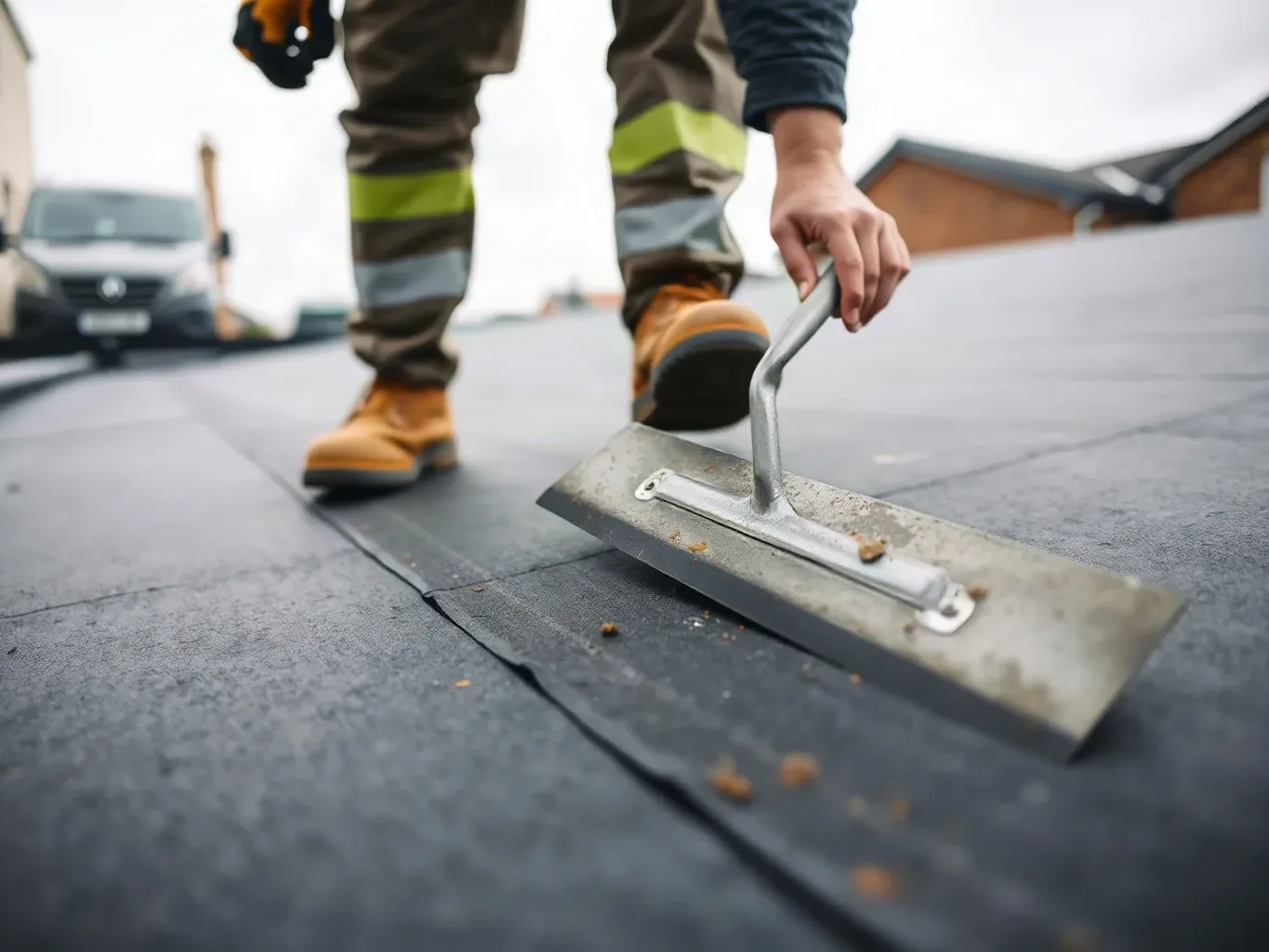
Three written quotes from NFRC-registered contractors gives you enough data to judge both price and specification. Make sure each quote lists the system, membrane thickness, insulation specification, and warranty terms, not just a single line total. Comparing quotes on price alone is unreliable when one contractor is specifying felt and another is specifying 20-year EPDM.
Contact a local Edinburgh flat roofing specialist to arrange a site visit. A brief inspection confirms deck condition, drainage layout, and any abutment details at the house wall, all of which affect the final specification and price. The earlier a survey happens, the fewer surprises arise once work starts.
Frequently Asked Questions
Flat Roof Extension Cost Edinburgh
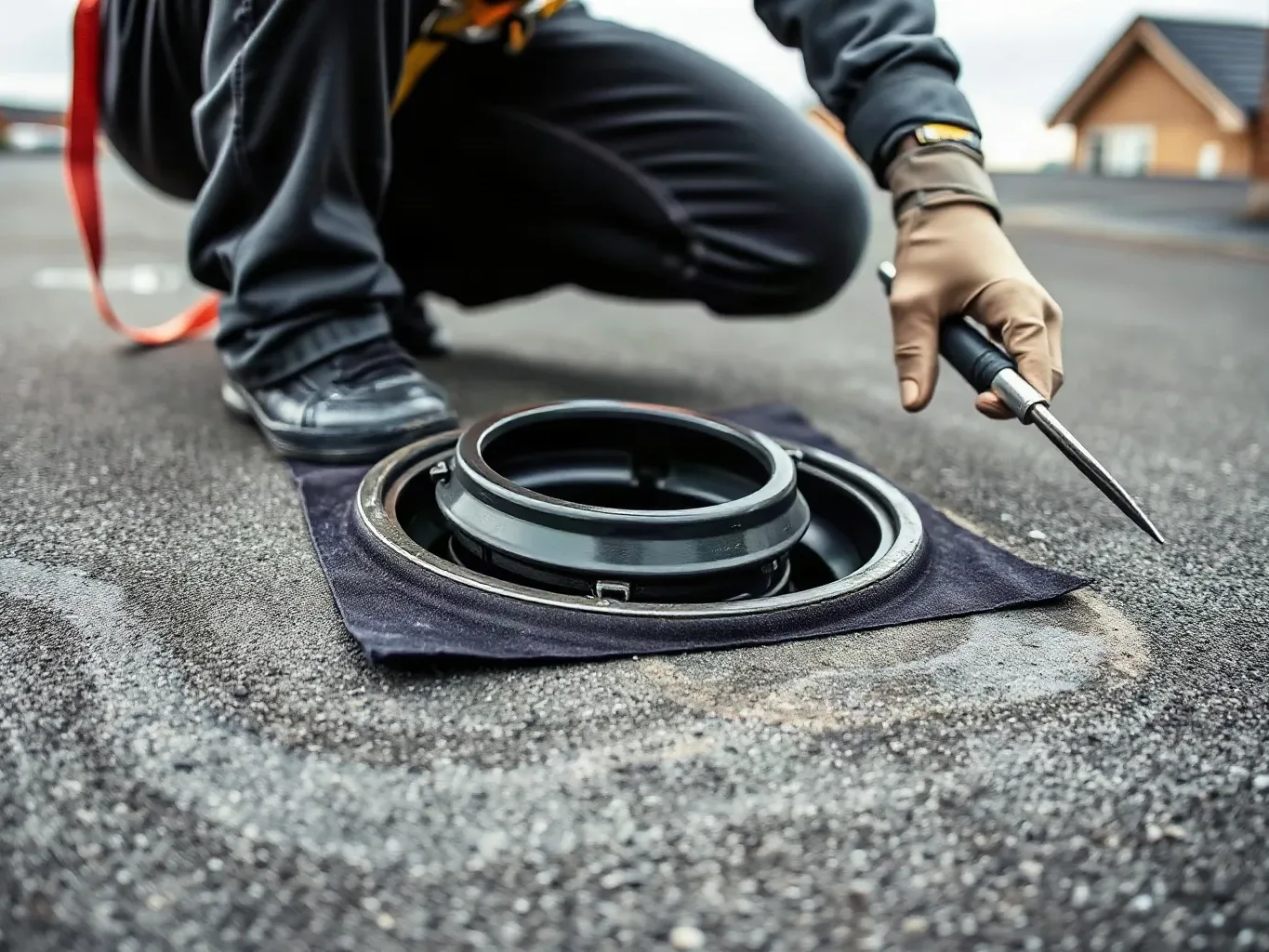
Flat roof installation on an Edinburgh extension runs at £50–£120 per square metre depending on the system chosen. Traditional felt sits at the lower end of that range, while GRP fibreglass and EPDM rubber sit at the upper end. A typical 15–20 m² kitchen extension roof costs roughly £750–£2,400 for the membrane work alone, before any deck replacement, insulation, or guttering is included. Always request itemised quotes so you can compare like for like.
How Long Does a Flat Roof on an Extension Last?
Lifespan depends heavily on the system used. Traditional felt lasts 10–20 years; GRP fibreglass 25–40 years; and EPDM rubber 25–50 years with manufacturer warranties typically covering 20–25 years. For a permanent extension, GRP or EPDM offers better long-term value despite the higher upfront cost, as you are unlikely to need replacement within the life of the building.
Do I Need Planning Permission for a Flat Roof Extension in Edinburgh?
Many single-storey rear extensions in Edinburgh fall within permitted development rights, meaning no formal planning application is required, provided the extension stays within set size limits and does not project beyond the principal elevation. However, a building warrant is required under Scottish Building Regulations, which covers structural design, insulation U-values, and drainage. If the property is listed or in a conservation area, additional consent will be needed regardless of size.
What Is the Best Flat Roof System for Scotland's Climate?
EPDM rubber and GRP fibreglass both perform well in Scotland's wet, freeze-thaw climate. EPDM is particularly tolerant of temperature movement due to its flexibility, making it well suited to timber-framed extension decks that expand and contract seasonally. GRP forms a rigid seamless surface with no laps or joints to fail. Both systems significantly outperform traditional felt in Edinburgh conditions and are the standard specification for permanent extensions.
Can a Flat Roof Extension Be Repaired Rather Than Replaced?
Repair is viable when damage is localised, such as a single split, a failed upstand detail, or a blocked outlet causing pooling. A standard roof inspection costing £150–£300 will confirm whether the membrane as a whole is sound or whether replacement is more cost-effective. If more than a third of the surface shows degradation, blistering, or delamination, a full replacement usually works out cheaper over the following decade than repeated patch repairs.