Commercial Flat Roofing Edinburgh

What Commercial Flat Roofing Actually Involves
Flat roofs on commercial and industrial buildings in Edinburgh face a specific set of pressures: heavy rainfall, freeze-thaw cycles through winter, and roof traffic from HVAC engineers and maintenance contractors. A residential flat roof and a commercial one share the same basic waterproofing logic, but the scale, load-bearing requirements, and drainage engineering are fundamentally different. Most commercial projects also sit within buildings that cannot afford prolonged interior exposure, so speed of installation and temporary weatherproofing matter as much as the finished system.
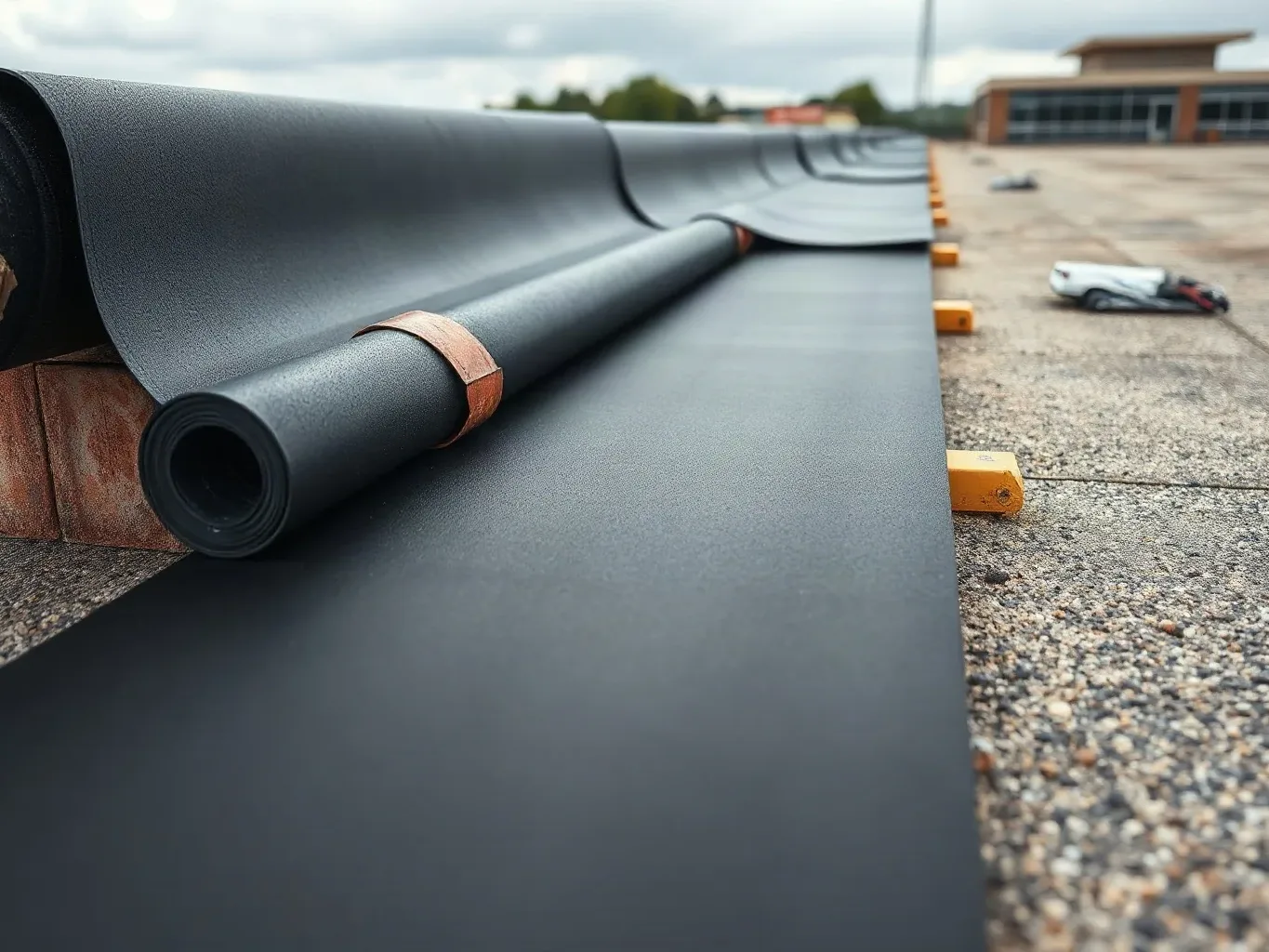
The three systems most commonly specified for Edinburgh commercial work are EPDM rubber, GRP fibreglass, and modified bitumen (torch-on felt). Each performs differently across large spans, and each carries its own maintenance schedule.
Which System Is Right for Your Building
EPDM Rubber
EPDM (ethylene propylene diene monomer) is a single-ply rubber membrane installed in large sheets, which reduces the number of seams on a wide commercial roof. Fewer seams means fewer potential failure points. Correctly installed EPDM lasts 25–50 years, and manufacturer warranties typically run 20–25 years. It handles Edinburgh's temperature swings well because rubber flexes rather than cracking under thermal movement.
For warehouses, retail units, and office extensions with low-pitch roofs, EPDM is frequently the first specification a competent surveyor will put forward.
GRP Fibreglass
GRP (glass-reinforced polyester) is a rigid, seamless laminate that bonds directly to the deck. It suits smaller commercial roofs and roof terraces where foot traffic is expected. The system cures to a hard surface that resists puncture better than membrane systems. Lifespan sits at 25–40 years, though installation quality is the primary factor determining where on that range any given roof lands.
GRP is harder to lay cost-effectively above roughly 200–300 m², so large industrial roofs rarely use it as the primary system.
Modified Bitumen and Felt Systems
Three-layer torch-on felt remains common on older Edinburgh commercial stock because it suits re-roofing over existing decks without full strip-out. Lifespan runs 10–20 years for three-layer installations. It is the most budget-accessible system per square metre, though the lower lifespan means lifecycle cost comparisons often favour EPDM on new builds.
Any reputable Edinburgh contractor should give you a written lifecycle cost comparison, not just a day-one price.
What Does Commercial Flat Roofing Cost in Edinburgh
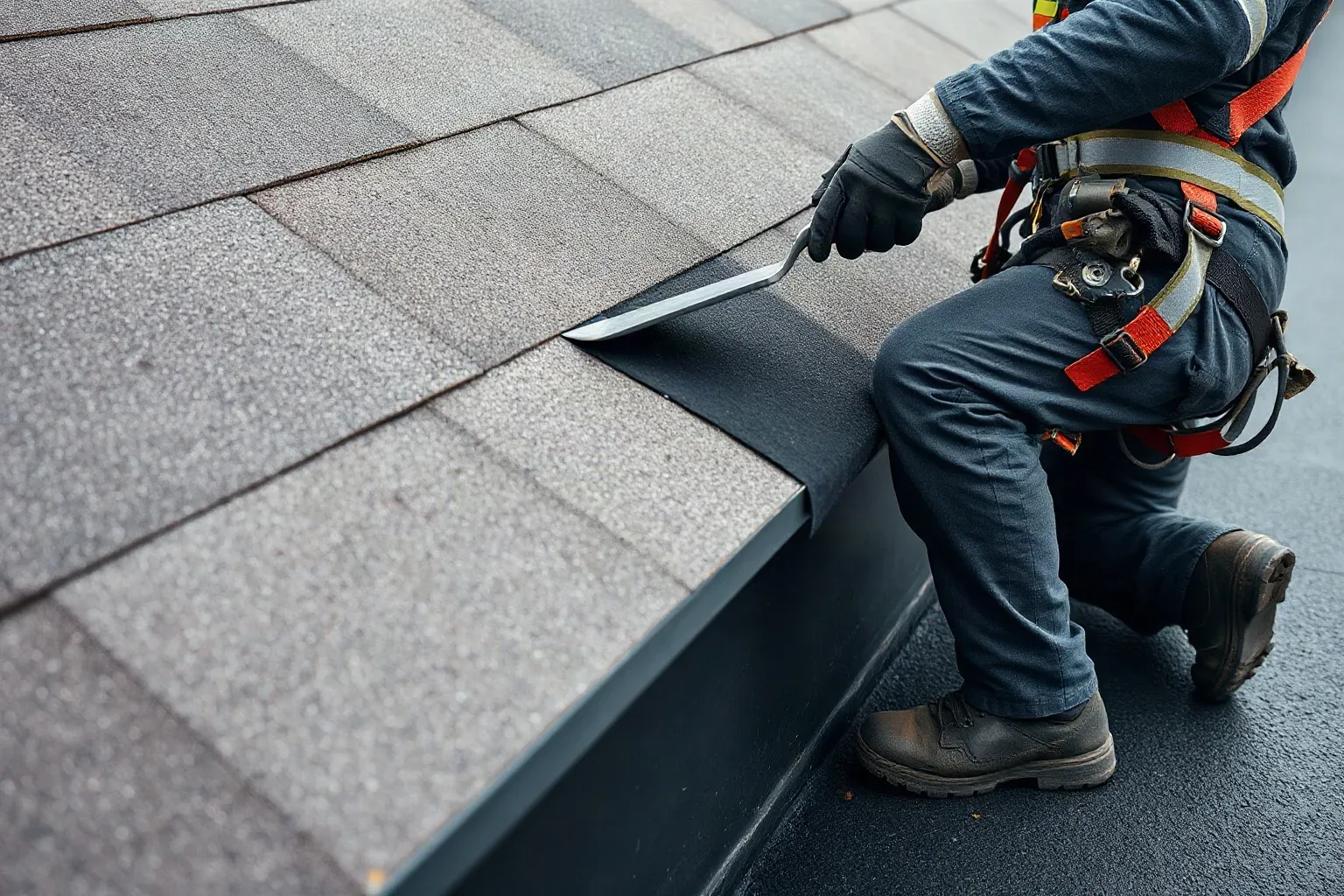
Flat roof replacement across all commercial systems typically runs £50–£120 per m², depending on the membrane chosen, deck condition, and access requirements. Felt systems sit at the lower end of that bracket. GRP fibreglass and EPDM rubber sit toward the upper end, reflecting longer material lifespans and more controlled installation processes.
Access is a significant cost variable on commercial buildings. A single-storey retail unit with clear perimeter access costs less to scaffold than a multi-storey office block in the city centre. Edinburgh's conservation area restrictions, particularly around EH1–EH3, can also impose constraints on scaffolding positions and skip placement that add to project cost.
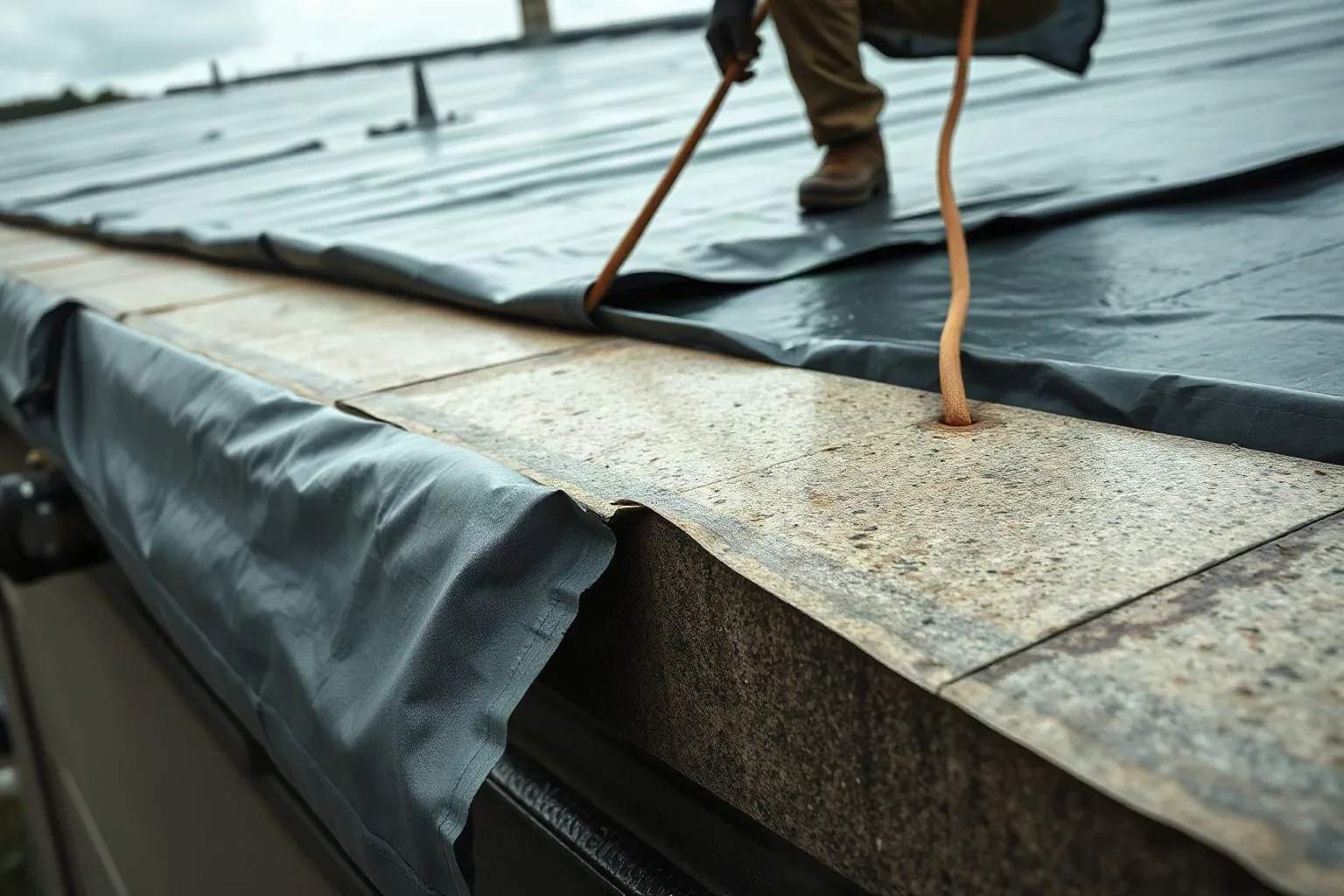
For emergency weatherproofing while a specification is being prepared, temporary roof tarping runs £200–£500 per job. This buys time without committing to a full system before you have competitive quotes.
How to Choose a Commercial Flat Roofing Contractor in Edinburgh
Commercial roofing carries different insurance and competency requirements from domestic work. Any contractor you appoint should hold public liability insurance appropriate for commercial sites, carry employer's liability cover, and ideally hold NFRC registration or equivalent approved contractor status. Ask to see current certificates before signing anything.
Request references from similar-scale commercial projects in Edinburgh or the Lothians, not just domestic testimonials. A contractor experienced in replacing domestic extensions is not necessarily equipped to handle a 1,500 m² warehouse roof on an occupied industrial estate in Newbridge or Sighthill.
Get a minimum of three written quotes. Each one should specify the membrane system by product name, the deck preparation included, the drainage specification, the warranty terms, and the projected programme. Quotes that lack this detail cannot be compared meaningfully, and gaps in specification usually become disputes mid-project.
Drainage, Upstands, and the Details That Fail First
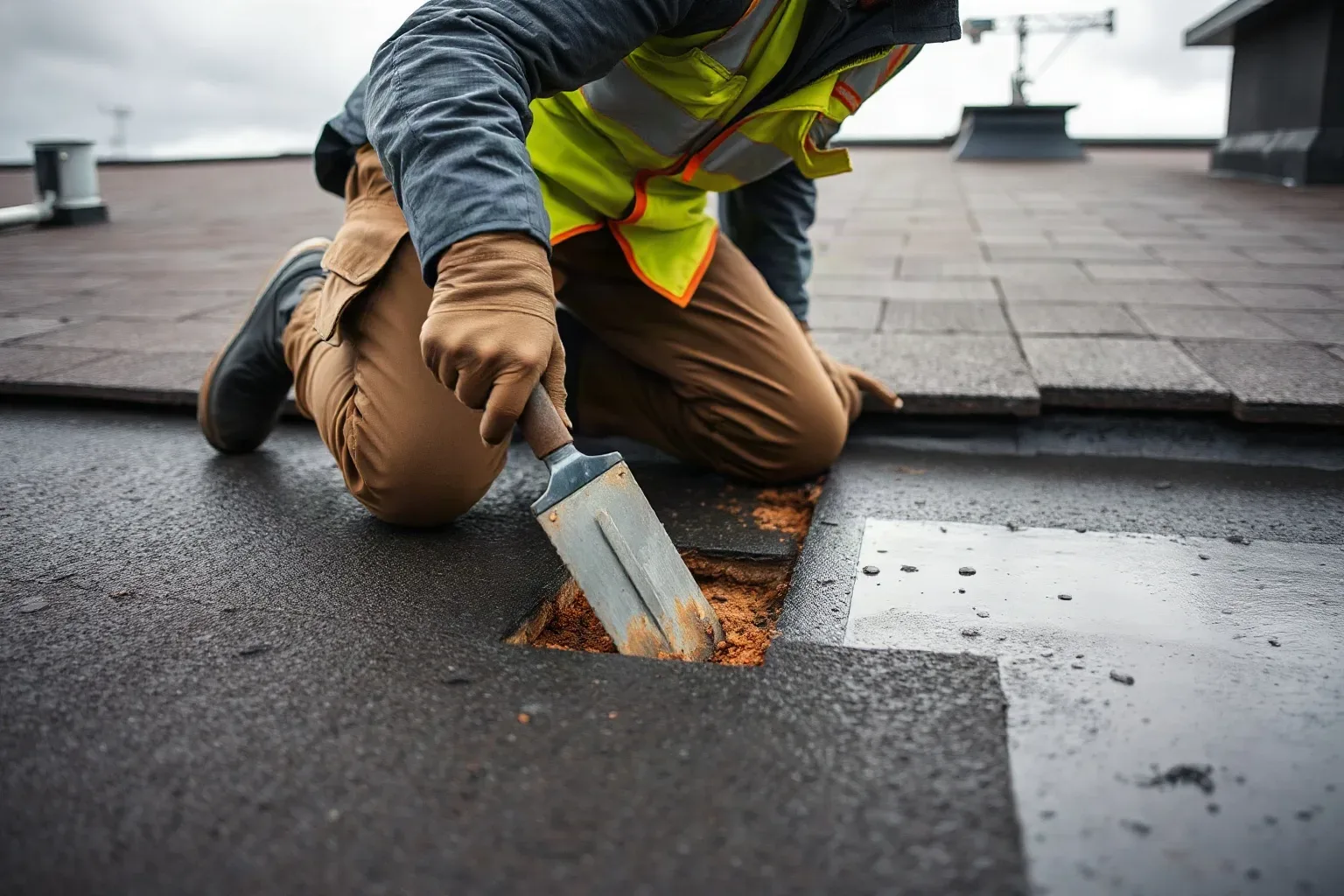
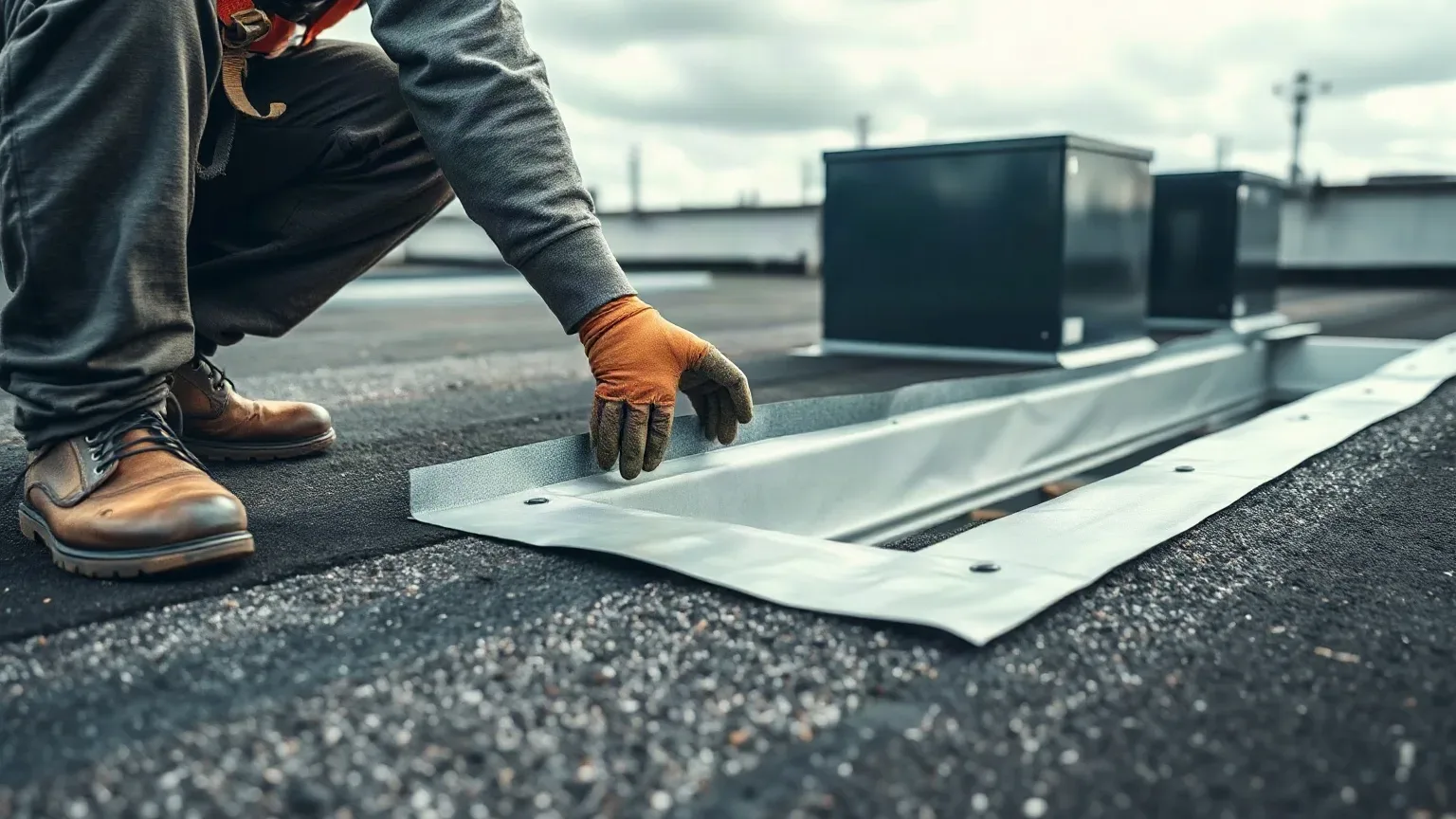
The flat-roof failures most common in Edinburgh commercial buildings are not mid-membrane splits. They are edge failures: deteriorated upstand flashings around parapet walls, blocked or undersized outlets, and poorly detailed penetrations where pipework or extraction units pass through the membrane. Water backs up against these weak points and finds a way through before the main field of the roof shows any sign of wear.
A proper commercial specification addresses outlet size and spacing based on the roof area and Edinburgh's typical rainfall intensity. Upstands should be a minimum of 150 mm above finished roof level. Any penetration should be finished with a purpose-made collar rather than site-formed patchwork. If a contractor's quote does not mention upstand treatment and outlet replacement, ask directly why not.
Regular inspections, ideally twice a year, add years to any commercial flat roof's working life. Clearing outlets before autumn leaf fall and checking flashings after the hardest winter frost periods are habits that pay for themselves many times over in avoided emergency repairs.
Emergency Flat Roofing Response in Edinburgh
Leaks inside occupied commercial premises create liability exposure quickly: stock damage, business interruption, and potential HSE concerns if the building remains open during active ingress. Edinburgh-based contractors offering emergency callout cover operate 24 hours a day, 7 days a week, with a target response time of within 1–2 hours for city-area properties.
Standard weekday callout charges run £60–£120 before labour. Out-of-hours, weekend, and bank holiday emergency callouts run £150–£300. Get clarity on those rates before committing, particularly if your building is on a retail or production schedule where weekend response is the most likely scenario.
Temporary repairs should always be followed by a written assessment of the underlying cause. A patch over a symptom without diagnosing the root failure simply delays the next emergency call.
Getting Quotes for Your Edinburgh Commercial Roof
The most productive first step is a professional roof inspection with a written condition report. This costs £150–£300 and gives you an objective baseline to take to contractors rather than relying on each contractor to diagnose the problem during their own quoting visit. Drone surveys, which sit toward the upper end of that range, are particularly useful on large commercial roofs where physical access for a full walkover is time-consuming or requires advance scaffold setup.
Once you have a condition report, contact NFRC-registered contractors covering Edinburgh postcodes EH1–EH17 and the wider Lothians for competitive tenders. Specify the same scope to each tenderer, so you are comparing like for like. A contractor who proposes a materially different specification should explain the reasoning in writing.
Call today to arrange an inspection or get a same-day emergency response for your Edinburgh commercial building.

Frequently Asked Questions
What Is Commercial Flat Roofing in Edinburgh?
Commercial flat roofing in Edinburgh covers the waterproofing systems used on offices, warehouses, retail units, and industrial buildings across the city and Lothians. The most common systems are EPDM rubber, GRP fibreglass, and modified bitumen felt. Each suits different roof sizes, budgets, and expected traffic levels. Costs typically run £50–£120 per m² depending on the system and access conditions.
How Long Does a Commercial Flat Roof Last in Edinburgh?
Lifespan depends heavily on the system installed. EPDM rubber lasts 25–50 years, GRP fibreglass 25–40 years, and traditional three-layer felt 10–20 years. Edinburgh's wet climate and freeze-thaw winters mean drainage details and upstand flashings are the most common failure points, so regular inspections and outlet clearing extend any system's working life.
How Much Does Commercial Flat Roof Replacement Cost in Edinburgh?
Flat roof replacement runs £50–£120 per m² across the main commercial systems. Felt sits at the lower end, EPDM and GRP toward the upper end. Access, deck condition, and drainage work affect the final figure significantly. Large roofs on multi-storey buildings in Edinburgh city centre typically cost more per m² due to scaffold complexity and city-centre logistics.
Do I Need Planning Permission for a Commercial Flat Roof Replacement in Edinburgh?
Like-for-like replacement of a commercial flat roof generally does not require planning permission, but Edinburgh's conservation areas and listed building designations can impose additional requirements. Buildings within EH1–EH3 and other protected zones should check with Edinburgh City Council's planning department before work begins, particularly if the roof is visible from a public road or the building is listed.
What Should I Check Before Hiring a Commercial Flat Roofing Contractor in Edinburgh?
Confirm the contractor holds public liability and employer's liability insurance appropriate for commercial sites. Look for NFRC registration or equivalent approved contractor status. Ask for references from comparable commercial projects in Edinburgh or the Lothians, and request quotes that specify the membrane product, deck preparation, drainage details, warranty terms, and project programme. Quotes missing these details make fair comparison impossible.