Downpipe Repair and Replacement Edinburgh
Why Downpipes Fail and What It Costs You
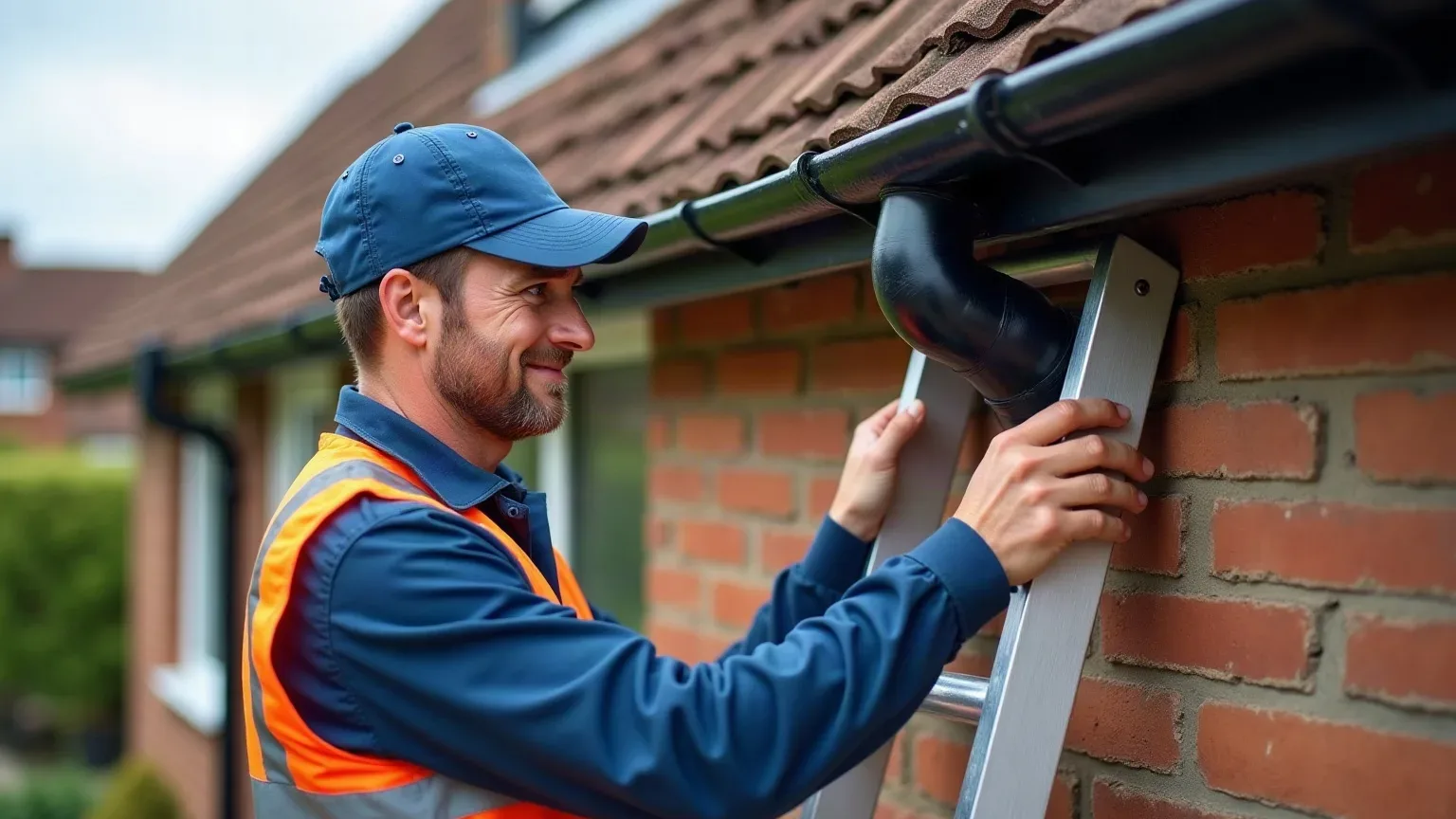
A cracked or leaking downpipe does more damage than most Edinburgh homeowners expect. Water running behind render or against sandstone can saturate the wall cavity within weeks, leading to internal damp and, in older tenement buildings, damage to shared close walls. The pipe itself is often the cheapest part of the problem. Acting on a visible crack early avoids the far larger bill that follows prolonged water ingress.
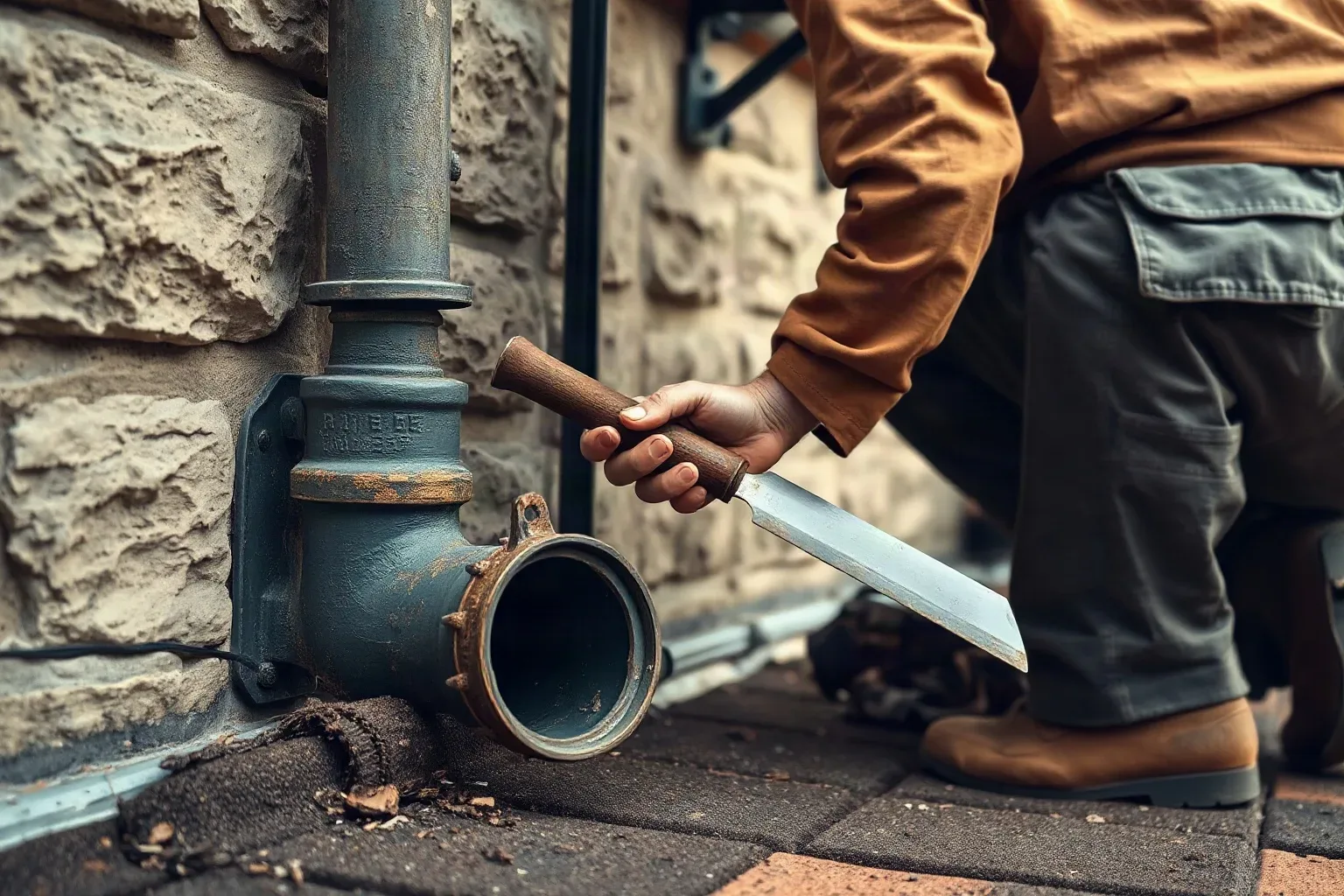
Common failure points are joints between sections, the shoe at the base of the pipe, and the brackets that hold the pipe against the wall. In Edinburgh's older housing stock, cast iron downpipes corrode from the inside over decades, and the failure often appears first as rust staining down a sandstone wall rather than visible cracking.
Signs You Need a Repair or Full Replacement
Water dripping or streaming away from the gutterline during rain is the clearest indicator. Staining on render or stonework below a joint, moss growth at the pipe base, or a pipe that has pulled away from its brackets all point to a repair that cannot wait.
Replacement becomes necessary when corrosion is widespread, when multiple joints are failing, or when the pipe diameter no longer copes with the roof area it drains. Single-storey extensions and outbuildings in Edinburgh frequently have undersized downpipes that were installed to a basic standard and cannot handle heavy rain events.
Downpipe Repair Cost Edinburgh
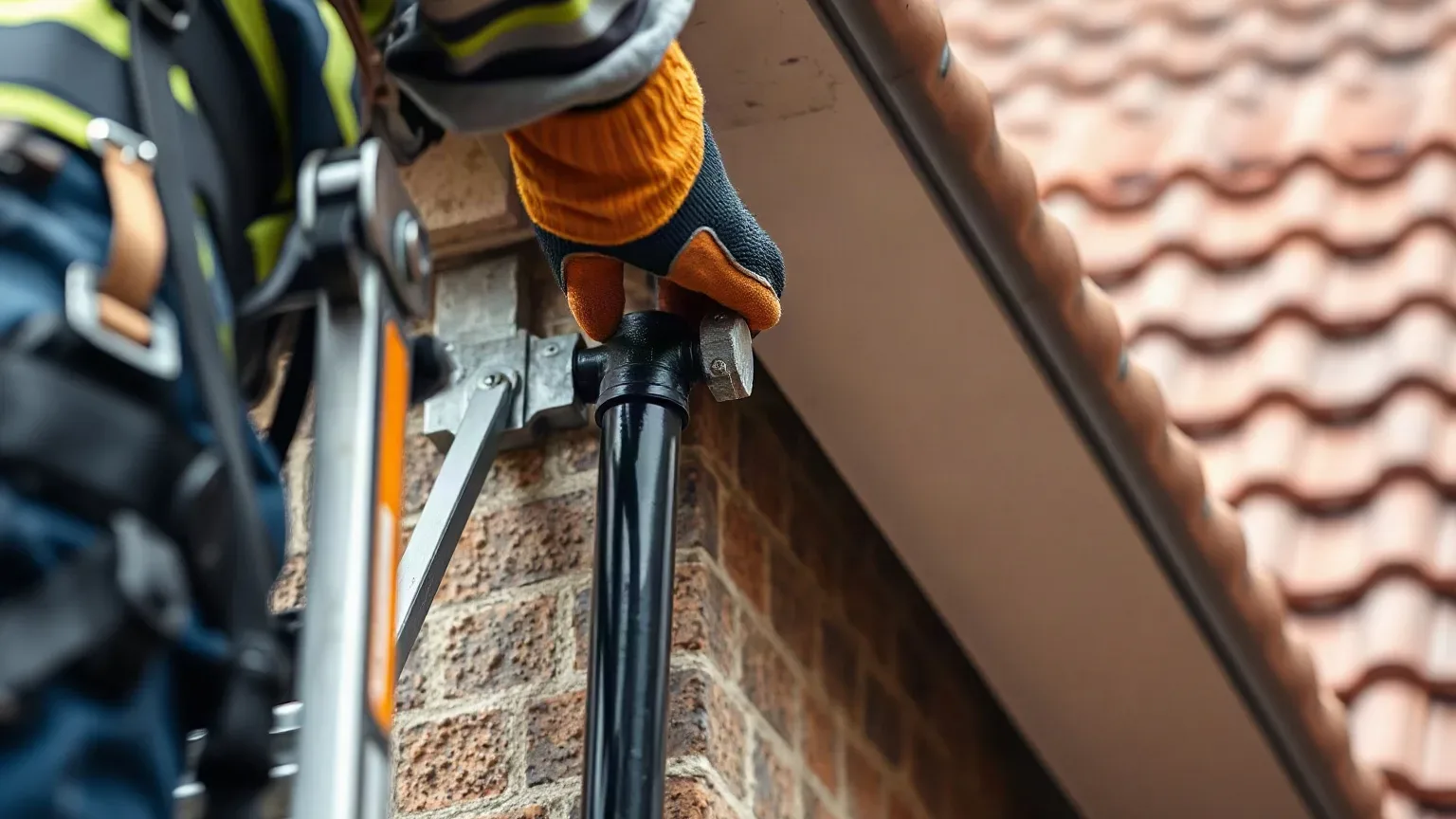
Repair costs in Edinburgh vary with material, access difficulty, and the extent of the damage. A like-for-like uPVC repair to a single joint or bracket section is a short job and typically falls within the lower end of the labour and materials range. Cast iron repairs are more involved because sections must be cut, sealed with specialist compound, or sourced from salvage suppliers if matching profile iron is needed.
For context, expect a standard weekday callout to add £60–£120 to any job before labour begins. Emergency or out-of-hours callouts sit higher, typically £150–£300. For minor patch repairs on associated roof drainage, such as a cracked slate or flashing junction at the head of the downpipe, budget £150–£400 for small-scale work. A full section replacement with new brackets on a straightforward two-storey property is usually a half-day job, with costs driven primarily by material choice and scaffolding requirements.
Cast Iron vs uPVC - What Is the Right Material?
Cast iron is heavier, longer-lasting, and better suited to Edinburgh's traditional sandstone and harling-finished properties. Many conservation areas and listed buildings require like-for-like replacement in cast iron. uPVC is lighter, cheaper, and easier to source, making it the practical choice for modern extensions and rear elevations where appearance is less critical.
Aluminium is a middle-ground option: lighter than cast iron, more robust than uPVC, and available in colours that approximate iron finishes. Powder-coated aluminium is increasingly used on Edinburgh new-builds and refurbishments where conservation rules do not apply.
Repair Downpipes Edinburgh - How the Job Works
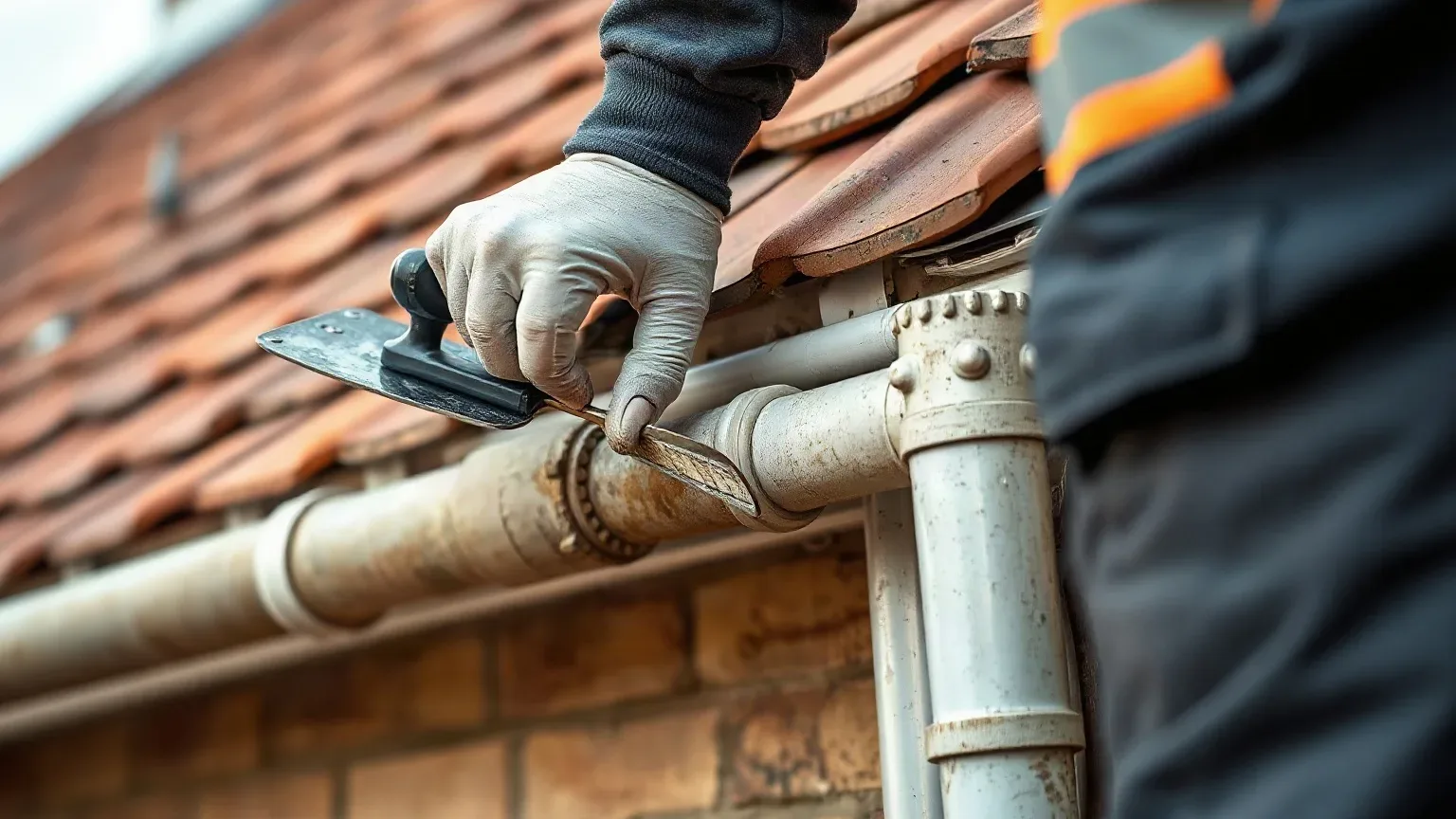
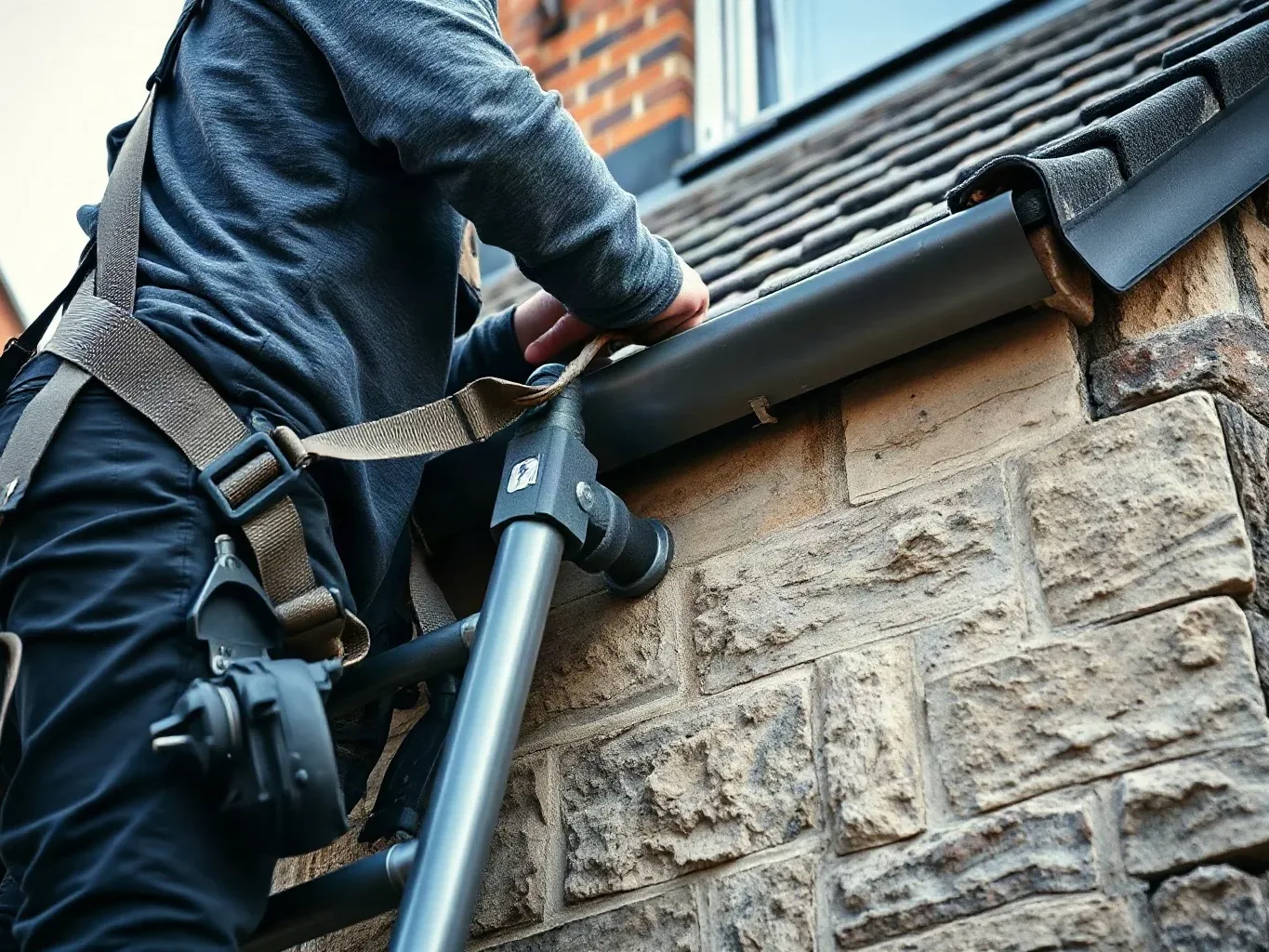
A downpipe repair in Edinburgh follows a logical sequence that most competent contractors complete in under two hours for a straightforward single joint. The roofer or drainage specialist isolates the fault, removes the damaged section or bracket, checks the surrounding wall for moisture damage, and fits the replacement section with appropriate sealant or rubber push-fit connectors depending on the system.
On taller properties, access is the main variable. A first-floor pipe can usually be reached by a two-section ladder. Above that height, scaffold towers or mobile elevated platforms add to the overall cost and time. Any contractor quoting a fixed price without seeing the property in person is guessing at the access cost, so request an on-site assessment first.
What Happens If You Leave It
A slow joint leak seems minor but it introduces moisture into the wall over months. Sandstone absorbs water readily, and once it penetrates the inner leaf of a cavity wall the drying period is measured in months, not days. Repointing, replastering, and in some cases timber treatment can turn a £200 pipe repair into a £2,000 remediation job. The pipe is not the thing to economise on.
Full Downpipe Replacement - When Repair Is Not Enough
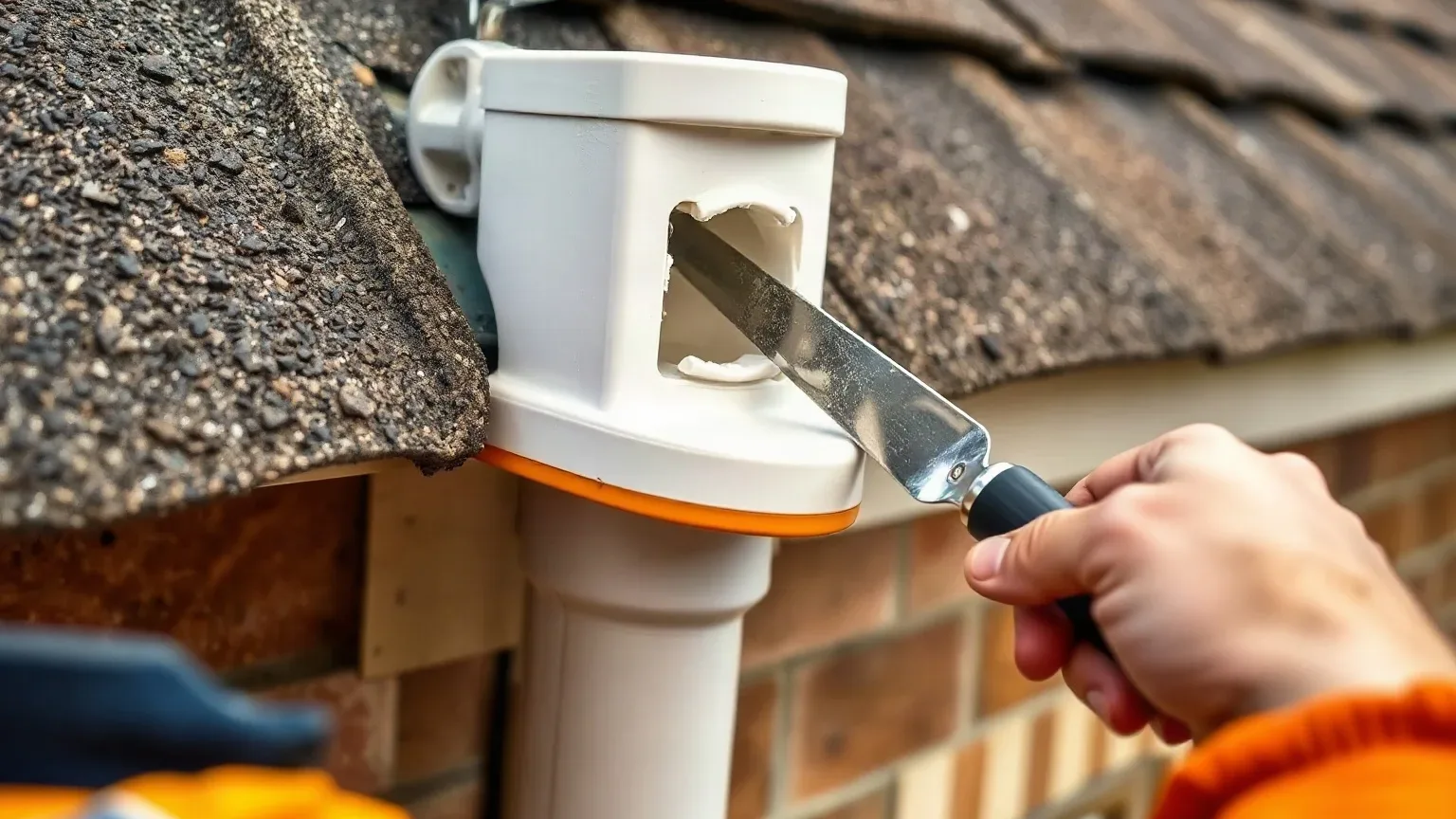
When corrosion runs through most of the pipe length, or when a survey identifies that the original installation was substandard, a full replacement is the sensible call. On a typical Edinburgh semi-detached with cast iron downpipes on three elevations, a full replacement in cast iron takes the best part of a day and includes removing old brackets, making good the masonry fixings, and running new pipes to the correct fall.
uPVC replacement is faster and less expensive in materials. A like-for-like cast iron replacement preserves the property's character and is often required by Edinburgh City Council for properties within conservation areas such as the New Town, Marchmont, or Bruntsfield. Your contractor should advise you on whether permitted development rules or a listed building consent applies before any work begins.
Gutter-to-Downpipe Connection Checks
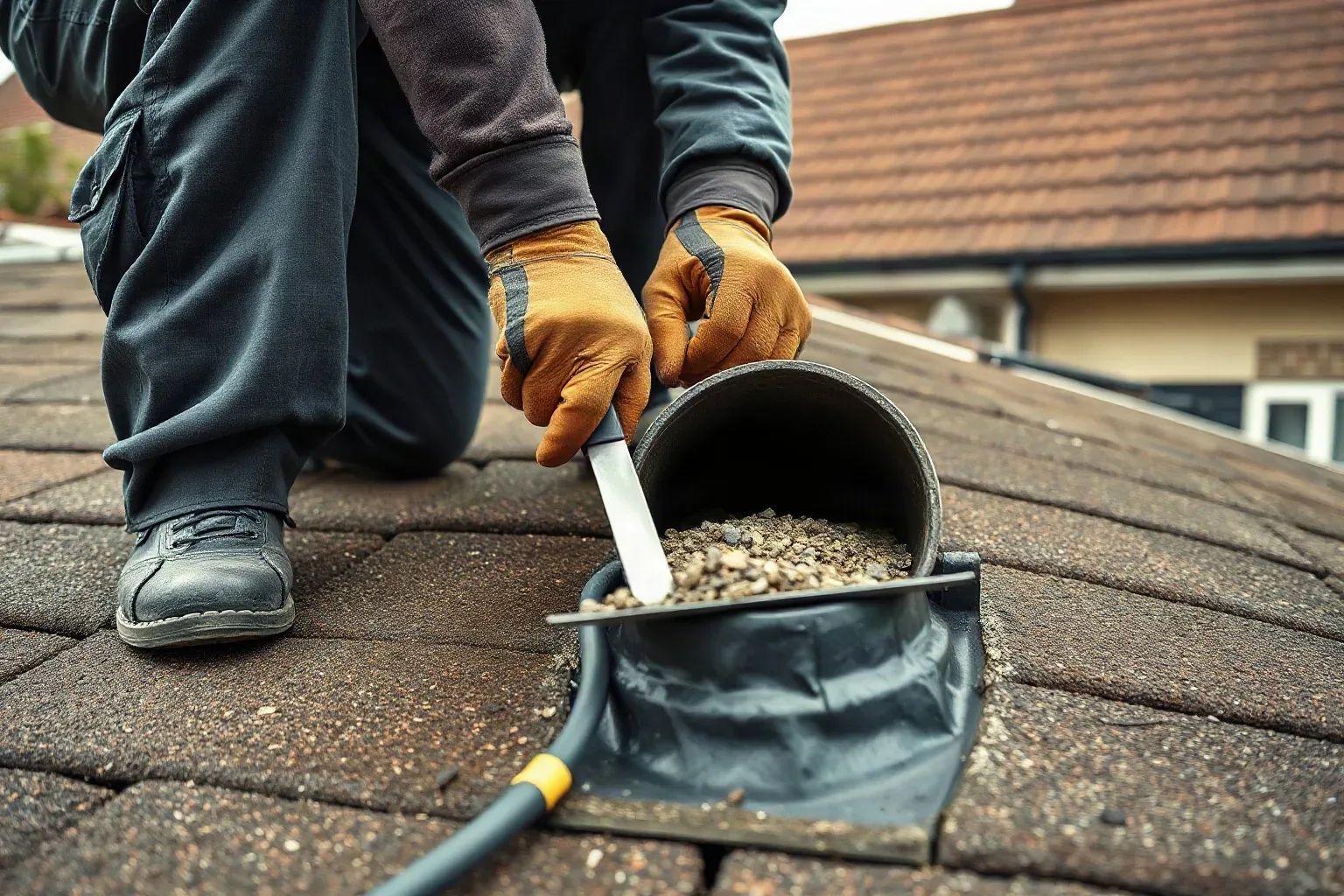
A downpipe replacement is the right moment to inspect the gutter outlets, fascia boards behind the guttering, and the hopper head if one is present. Hopper heads on older Edinburgh tenements and villas collect debris and can block completely, forcing water over the top and onto the wall. Clearing a hopper takes minutes; replacing a fascia board does not.
New gutter sections in uPVC cost £25–£50 per linear metre for supply and fit, which means a short run added to an existing job is not a large addition to the overall bill.
Choosing a Contractor for Downpipe Work in Edinburgh
Look for NFRC-registered contractors or equivalent approved roofing and drainage specialists. Any contractor working on cast iron pipework in a conservation area should be familiar with Edinburgh City Council's guidance for traditional buildings and able to confirm whether consent is needed before cutting out existing pipework.
Get at least two written quotes and confirm what each one includes: materials, disposal of old pipe sections, and any making good to masonry or render around old brackets. Emergency downpipe repairs, where a pipe has failed completely and water is running into the building, are available around the clock. Response times within Edinburgh city area are typically within one to two hours through contractors operating a 24-hour emergency line.
If water is actively entering the building through a damaged downpipe junction or blocked hopper, call now rather than waiting for a scheduled appointment. The repair itself is usually straightforward. The secondary damage from delay is not.
Frequently Asked Questions
Downpipe Repair Cost Edinburgh - What Should I Budget?
A standard weekday callout in Edinburgh costs £60–£120 before labour. The repair itself depends on access, material, and the extent of the fault. Minor drainage repairs typically range from £150–£400 for small-section work. Cast iron repairs are generally more expensive than uPVC due to material sourcing and additional labour.
How Do I Repair Downpipes in Edinburgh?
Most downpipe repairs involve isolating the cracked or leaking section, removing it, checking the wall behind for moisture damage, and fitting a replacement section with the correct sealant or push-fit connectors. A qualified contractor can usually complete a single-joint repair in under two hours on a ground or first-floor pipe. Higher pipes require scaffold towers or platforms, which add to the cost.
Should I Repair or Replace My Downpipe?
If the fault is limited to one joint, bracket, or short section, repair is usually cost-effective. If corrosion is widespread across most of the pipe's length, or if multiple joints are failing, a full replacement avoids repeated call-outs and is better value overall. A contractor inspection will confirm which applies.
Do I Need Planning Permission to Replace a Downpipe in Edinburgh?
Standard downpipe replacement on a non-listed property does not usually require planning permission. Properties in Edinburgh conservation areas such as the New Town or Marchmont, or buildings with listed status, may require like-for-like replacement in cast iron and, in some cases, a listed building consent. Your contractor should confirm the requirement before starting work.
Can a Damaged Downpipe Cause Internal Damp?
Yes. A leaking joint or cracked pipe section directs water against the wall for extended periods. Edinburgh sandstone absorbs moisture readily, and prolonged exposure can saturate a wall cavity and cause internal damp, mould growth, and in timber-framed sections, rot. Addressing the pipe fault early avoids a much larger remediation bill.