Fascia Board Replacement Edinburgh
Fascia boards sit at the very edge of your roofline, holding the gutters in place and sealing the gap between the roof structure and the outside world. When they rot, Edinburgh's persistent damp and wind-driven rain get into the rafter ends, causing damage that costs far more to fix than a straightforward board replacement. Catching the problem early is almost always the cheaper path.
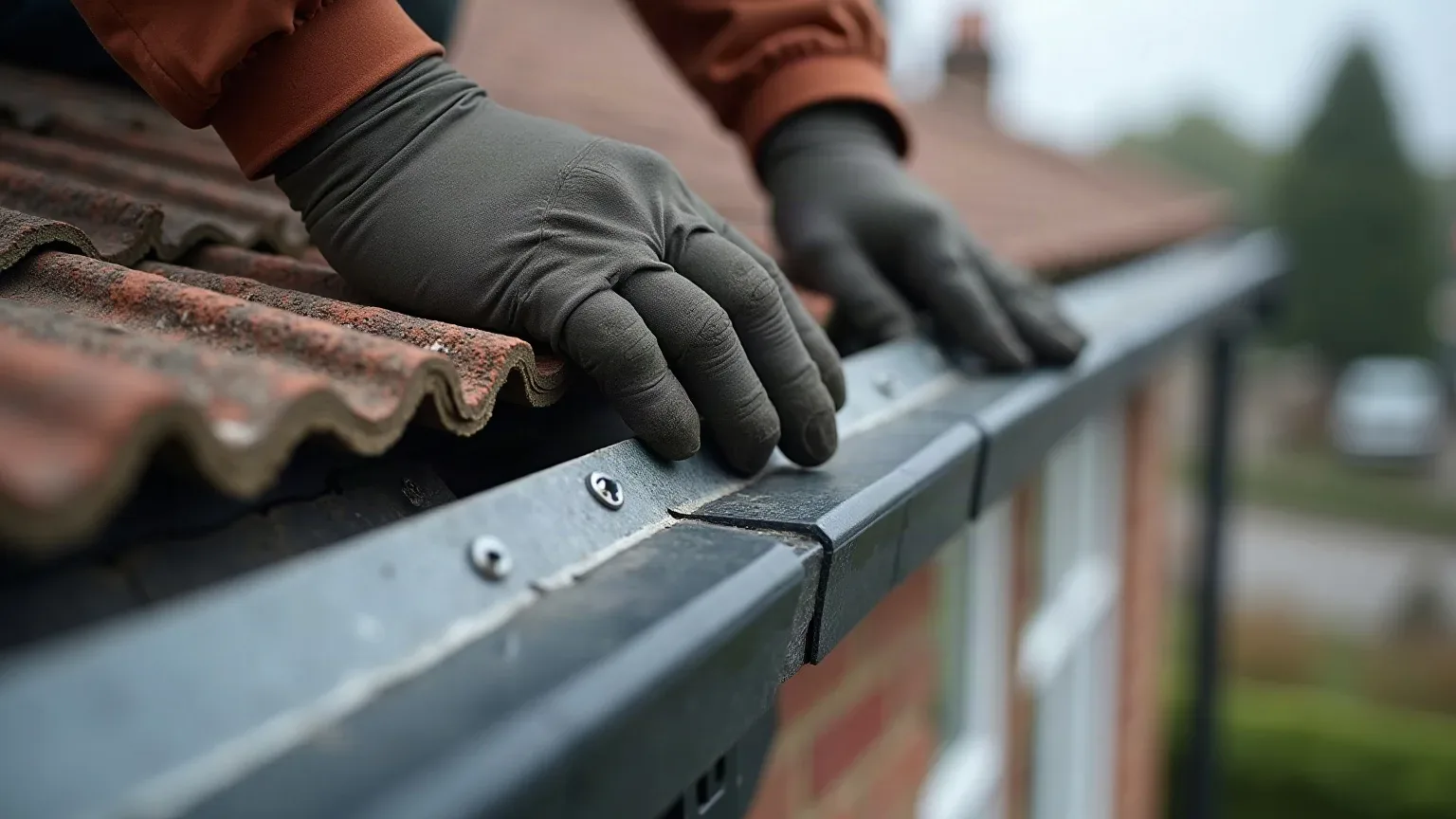
Why Edinburgh Homes Are Particularly Vulnerable
Many Edinburgh properties were built in the Victorian and Edwardian eras, with original timber fascias that are now well over a century old. Even those replaced in the 1970s or 1980s with uPVC can develop problems: poor joints, UV degradation, or fixing screws that have rusted and pulled away from the rafter feet. The city's microclimate, with north-easterly haar rolling in from the Firth of Forth, keeps rooflines damp for long stretches of the year.
Stonework and harling on Edinburgh's tenement and terraced stock can also trap moisture against timber fascias, accelerating rot at the back face where you cannot easily see it. By the time paint starts bubbling or a gutter sags, the board behind it is often already soft. Annual visual checks from ground level, especially after winter, will help you spot trouble before it spreads.
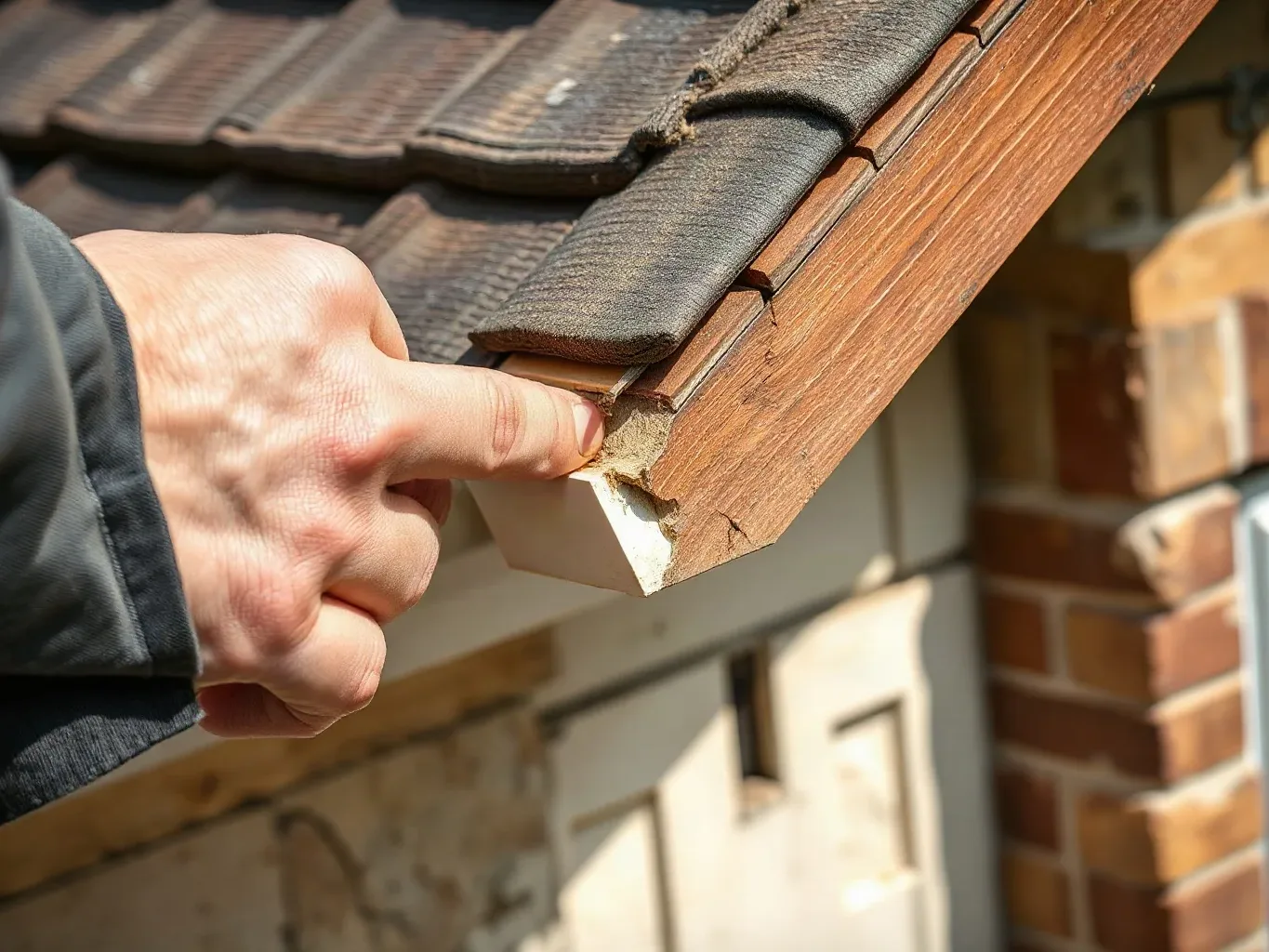
Signs You Need a Fascia Board Replacement
Rotted or spongy timber is the clearest sign, but not the only one. Look for:
- Gutters pulling away from the roofline or sitting at an angle
- Paint peeling in long strips rather than small flakes
- Dark staining or green algae running down from the fascia onto the soffit
- Visible cracks or gaps where the board meets the brickwork
- Daylight visible from inside the loft at the eaves
If more than one of these applies, book a roofline inspection rather than a repair. Patching a fascia that is soft behind the surface simply delays the same job by a year or two.
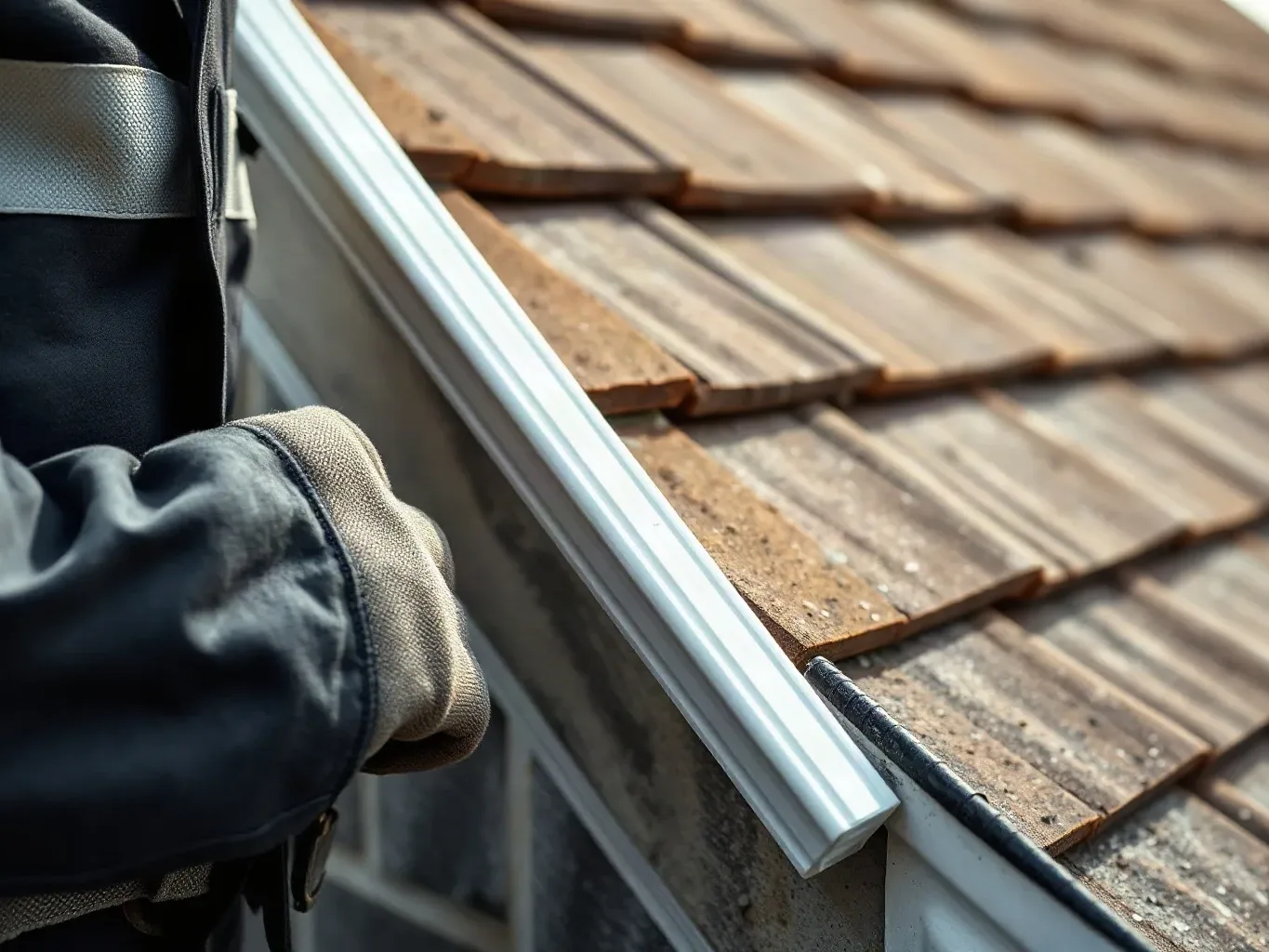
Material Options for Replacement Fascias
uPVC Fascia Boards
uPVC is the most common replacement material in Edinburgh and across Scotland. It does not rot, needs no painting, and is available in white, cream, and woodgrain foil finishes that suit most rooflines. Standard profiles are 18 mm or 25 mm thick; the thicker board is recommended on older properties where rafter feet may be uneven.
The main downside is thermal movement. uPVC expands and contracts, so poor-quality installation leaves gaps at joints over time. Insist on expansion-jointed profiles and stainless or aluminium fixings rather than standard steel screws, which rust quickly in Edinburgh's coastal air.
Timber Fascia Boards
Timber remains the right choice for listed buildings and properties in Edinburgh's many conservation areas. Most of the New Town (EH1–EH4) and parts of Morningside, Newington, and Marchmont fall under planning restrictions that influence what materials are acceptable. Hardwood species such as oak or iroko are significantly more durable than softwood and are worth the premium on a property where you will be maintaining the finish for decades.
Timber fascias require painting on installation and every five to seven years thereafter. Use a microporous exterior paint rather than a standard gloss, which traps moisture and accelerates the very rot you are trying to prevent.
Composite Fascia Boards
Composite boards, made from wood fibre and polymer binders, offer a middle ground. They accept paint like timber but resist moisture better than untreated softwood. They are growing in popularity on Edinburgh new builds and extensions but remain less common on traditional stone-built stock.
How the Replacement Process Works
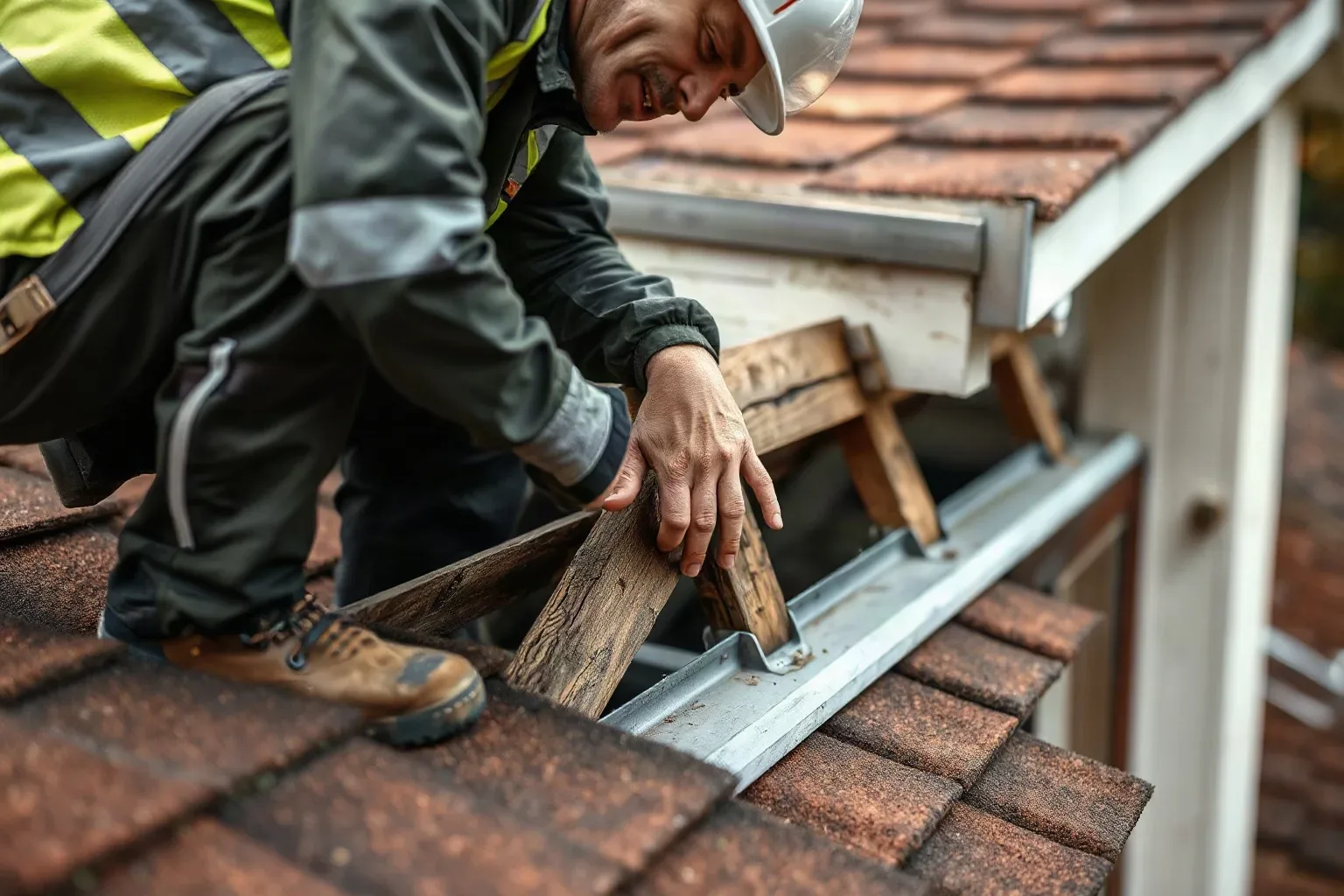
A competent roofline contractor will start by stripping the existing guttering, then removing the old fascia boards carefully to inspect the rafter feet behind them. Rotten rafter ends need to be cut back and sistered with new timber before any new board goes on; skipping this step means the new fascia has nothing solid to fix into.
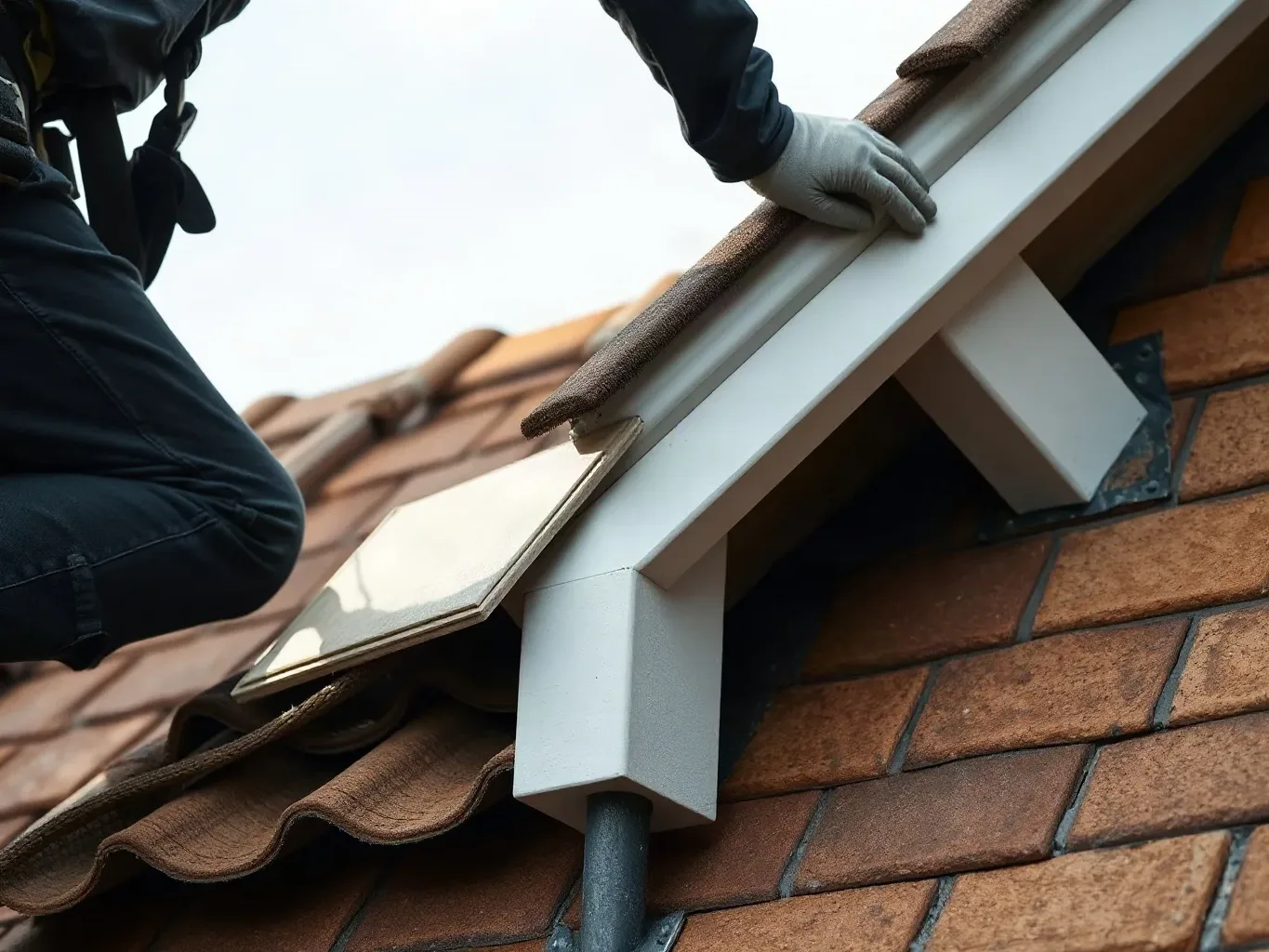
New boards are fitted, overlapping joints positioned correctly away from rafter positions. Soffits are often replaced at the same time because the two components work together, and the labour costs for doing them separately are higher overall. Guttering is then refitted or replaced, and downpipes checked for blockages before the job is signed off.
Most single-storey fascia replacements take one day. A full run on a semi-detached or larger terraced Edinburgh property typically takes two days, longer if scaffolding needs to be erected for a steeper pitch or higher eaves.
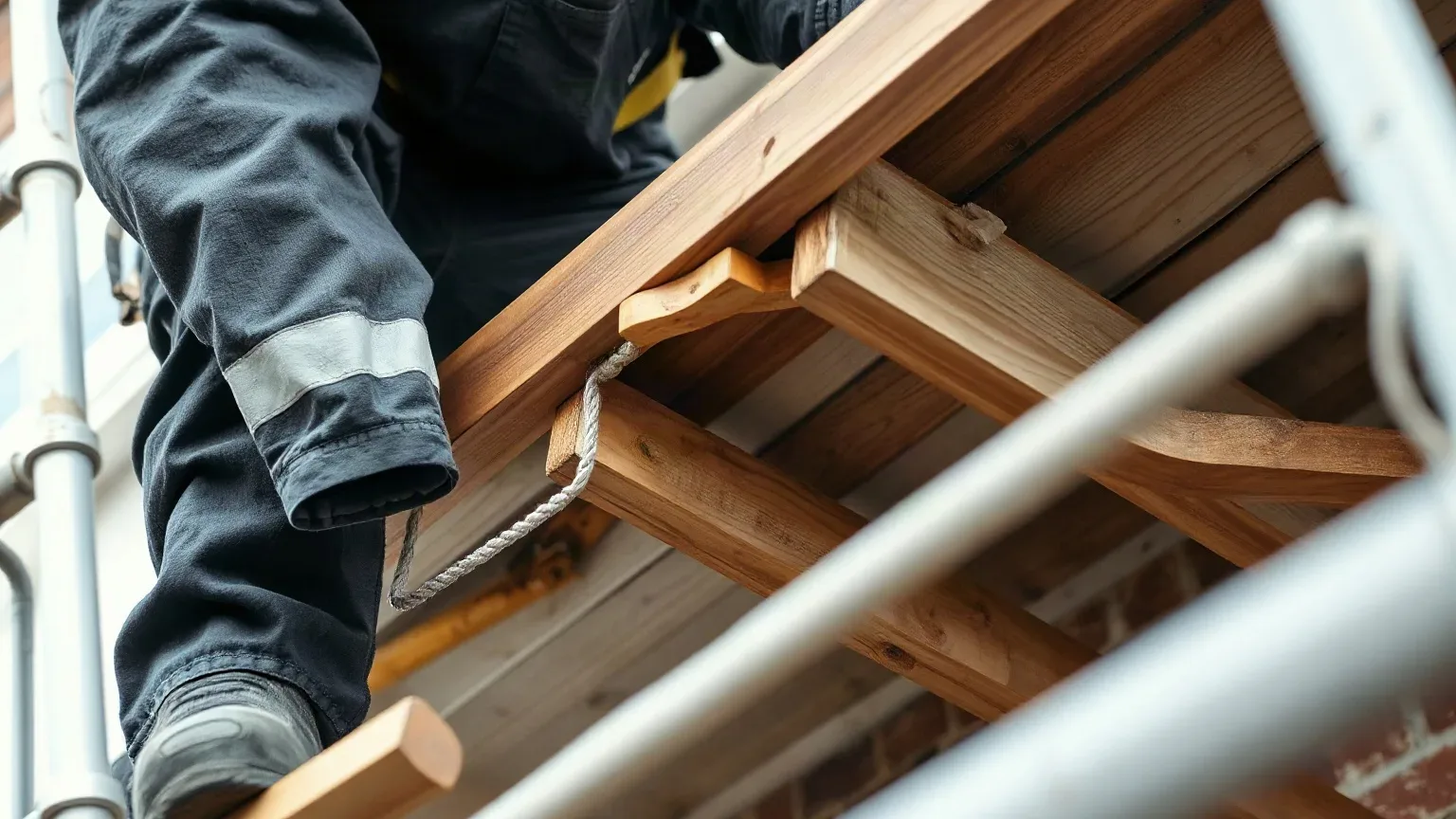
Fascia Board Replacement Cost Edinburgh
Pricing depends on linear metres, material choice, access requirements, and whether soffits and guttering are included in the same run. As a working guide:
- uPVC fascia and soffit replacement on an average Edinburgh semi-detached: £800–£2,000 for a full roofline
- Timber fascia replacement on a listed property or conservation area home: typically 30–50% higher than uPVC, reflecting material and finishing costs
- Callout and inspection: £60–£120 on a standard weekday; £150–£300 for an emergency or out-of-hours visit
- Gutter replacement alongside fascia work: £25–£50 per linear metre for uPVC guttering, supply and fit
Scaffolding is frequently required on Edinburgh's taller terraces and is usually charged separately at £300–£700 depending on height and duration. Always get an itemised quote that separates scaffold, labour, and materials so you can compare contractors fairly.
Choosing a Contractor in Edinburgh
Look for a roofing or roofline contractor registered with the NFRC (National Federation of Roofing Contractors) or an equivalent approved body. Check that public liability insurance is in place for at least £2 million and ask specifically about experience with Edinburgh's conservation area requirements if your property sits within one.
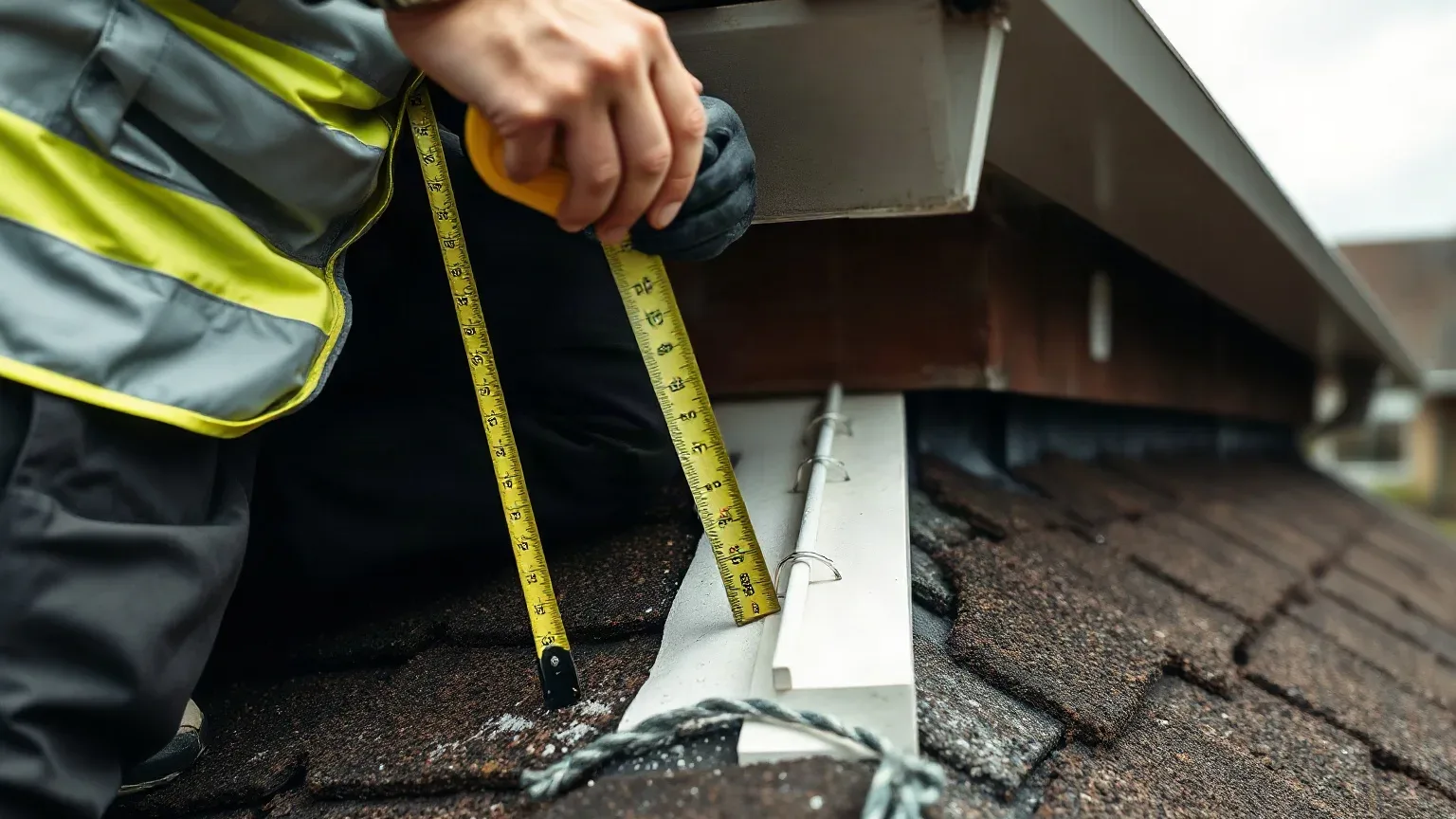
Avoid contractors who quote by phone without visiting the property. A proper quote requires someone to get eyes on the rafter feet, measure the linear run accurately, and assess whether scaffold is needed. Any company that skips this step is guessing at the price, which rarely ends well for either party.
Three quotes is a reasonable minimum. Be cautious of any quote significantly below the others; underpricing usually means substandard fixings, inadequate rafter-end inspection, or cheaper-grade board profiles that will fail sooner.
What to Expect After Replacement
A new uPVC roofline should need no maintenance beyond an annual clean with warm soapy water to prevent algae build-up. Timber fascias should be inspected and repainted every five to seven years. Either way, clear your gutters twice a year, particularly in autumn when leaf debris from Edinburgh's street trees blocks outlets and causes standing water that puts pressure on fascia fixings.
A well-installed replacement fascia will protect your rafter ends for decades. The roofer should leave the site clean, removing all old boards and off-cuts, and should provide a brief written handover noting what was found during installation, particularly any rafter-end repairs carried out.
Get a Quote for Your Edinburgh Property
The best time to act is before a full winter of rain works further into exposed timber. Contact a qualified Edinburgh roofline contractor for a site visit and written quote. If you have already noticed sagging gutters or visible rot, treat this as urgent and book a proper inspection this week.
Frequently Asked Questions
Fascia Board Replacement Cost Edinburgh - What Should I Budget?
A full uPVC fascia and soffit replacement on an average Edinburgh semi-detached typically costs £800–£2,000 for the complete roofline run, including fitting. Timber replacements on listed or conservation area properties run 30–50% higher. Scaffold, where needed on taller Edinburgh terraces, adds £300–£700 on top. Always ask for an itemised quote that separates materials, labour, and scaffold so you can compare fairly.
Replace Fascia Boards Edinburgh - How Do I Find a Reliable Contractor?
Look for a roofline contractor registered with the NFRC or an equivalent approved body, and confirm they carry public liability insurance of at least £2 million. Ask about experience with Edinburgh conservation area requirements if your home falls within one. Insist on a site visit before any quote is issued; no reputable contractor can price rafter-end condition or scaffold requirements without physically inspecting the property.
Can I Replace Just One Fascia Board Rather Than the Full Run?
Yes, but only if the surrounding boards are genuinely sound. A contractor should inspect the rafter feet behind the damaged section and check adjacent boards for hidden rot before fitting a patch. On older Edinburgh properties with original timber, partial replacements often expose further rot during the work, making a larger job unavoidable. If more than a third of the roofline shows signs of deterioration, a full replacement is usually better value.
Do I Need Planning Permission to Replace Fascia Boards in Edinburgh?
Most like-for-like fascia replacements on standard Edinburgh properties do not require planning permission. However, properties within designated conservation areas, or those that are listed buildings, may need approval before changing the material or finish. The New Town, parts of Morningside, Newington, and Marchmont all have planning sensitivities. Check with Edinburgh City Council's planning team before committing to uPVC on a heritage property.
How Long Does Fascia Board Replacement Take?
A single-storey fascia replacement on a standard Edinburgh property typically takes one day. A full run on a semi-detached or larger terraced property, including soffits and gutter refitting, usually takes two days. If scaffold needs to be erected and collected separately, allow an extra half-day at either end. Your contractor should confirm a realistic programme when they provide the written quote.