EPDM Rubber Roofing Edinburgh
Why EPDM Is the Flat Roof Standard in Edinburgh
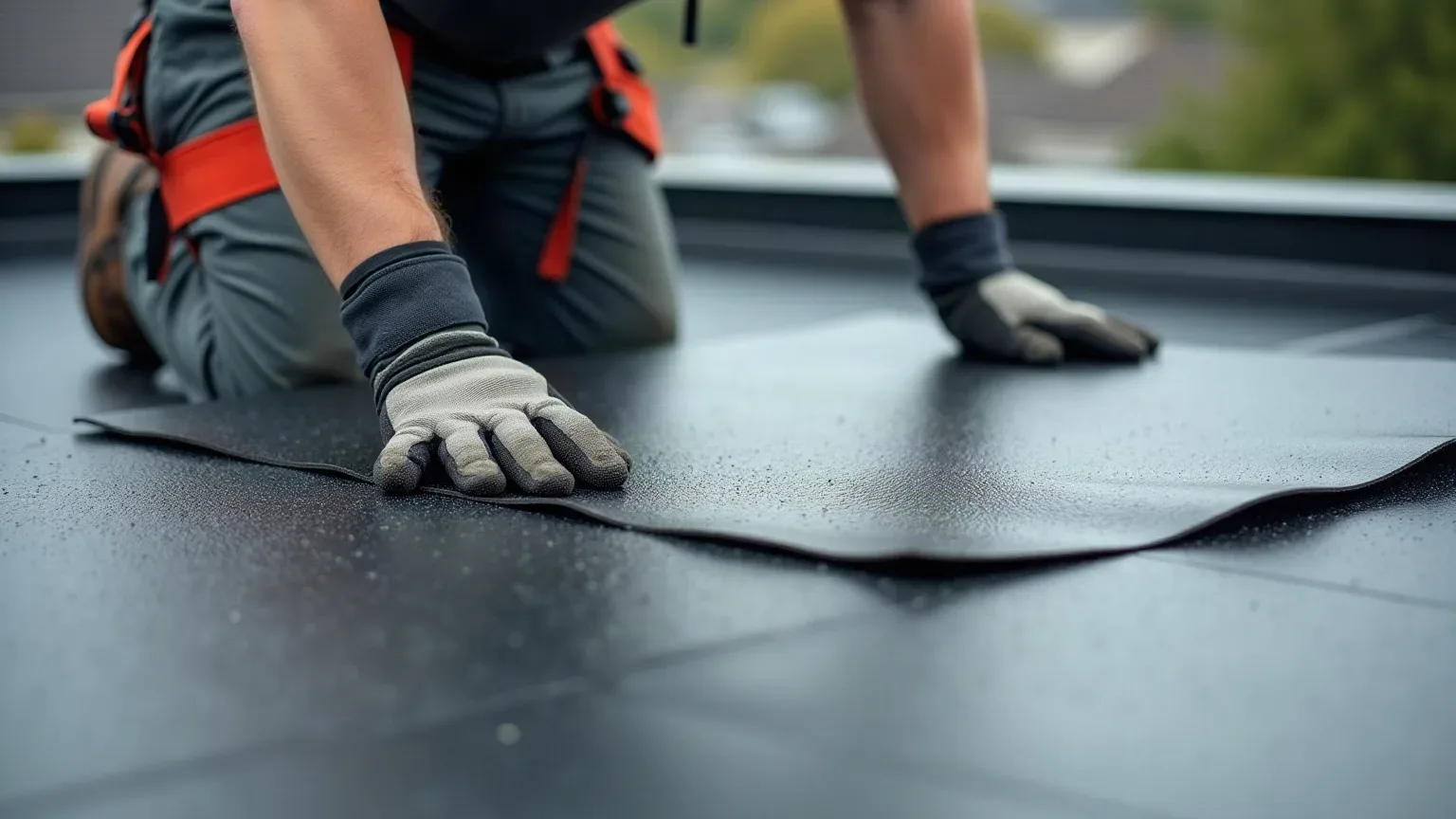
EPDM (ethylene propylene diene monomer) rubber has become the go-to flat roof membrane across Edinburgh for good reason. A single-ply sheet bonds directly to the deck, leaving no laps that can lift in wind-driven rain. Edinburgh's climate combines heavy rainfall, freeze-thaw cycles, and Atlantic gales, and EPDM handles all three without cracking or delaminating.
Installed correctly, an EPDM flat roof lasts 25–50 years. Manufacturer warranties typically cover 20–25 years, so you are looking at decades of low-maintenance weatherproofing rather than a patch-and-repeat cycle. Compare that with traditional felt, which rarely lasts beyond 10–20 years before bubbling or splitting.
The membrane itself is fully recyclable and UV-stable, so it will not degrade in sunlight the way some older systems do. Black EPDM is the standard residential colour; light-grey or white membranes are available for flat roofs where heat gain is a consideration.
What EPDM Flat Roofing Costs in Edinburgh
Flat roof replacement using EPDM typically runs £50–£120 per square metre in Edinburgh, supply and fit included. EPDM sits at the upper end of that range, while traditional felt sits at the lower end. For a typical garage, bay window, or kitchen extension roof measuring 20–30 m², expect a total project cost in the region of £1,500–£3,600.
A full flat roof replacement on a larger Edinburgh semi-detached can reach £6,000–£15,000, depending on deck condition, roof size, access difficulty, and whether insulation is being upgraded at the same time. These are not rough estimates: poor access on a terraced property in Leith or a tightly parked Marchmont street adds real time and cost.
Callout fees for inspection or emergency attendance run £60–£120 on a standard weekday and £150–£300 for evening, weekend, or bank holiday work. A written roof survey costs £150–£300 and is worth commissioning before any major installation to confirm the deck is sound.
What Affects the Final Price
Deck condition is the single biggest variable. If the existing plywood or timber decking has rotted, it must be replaced before the membrane goes down. Skipping this step voids most warranties and causes the new membrane to fail within a few years.
Insulation thickness also shifts the price. Current building regulations expect a minimum U-value for flat roofs on habitable rooms, so an extension roof that needs upgrading will carry additional material cost. Your installer should quote this separately and clearly, not bury it in a day-rate.
EPDM Installation - What the Process Looks Like
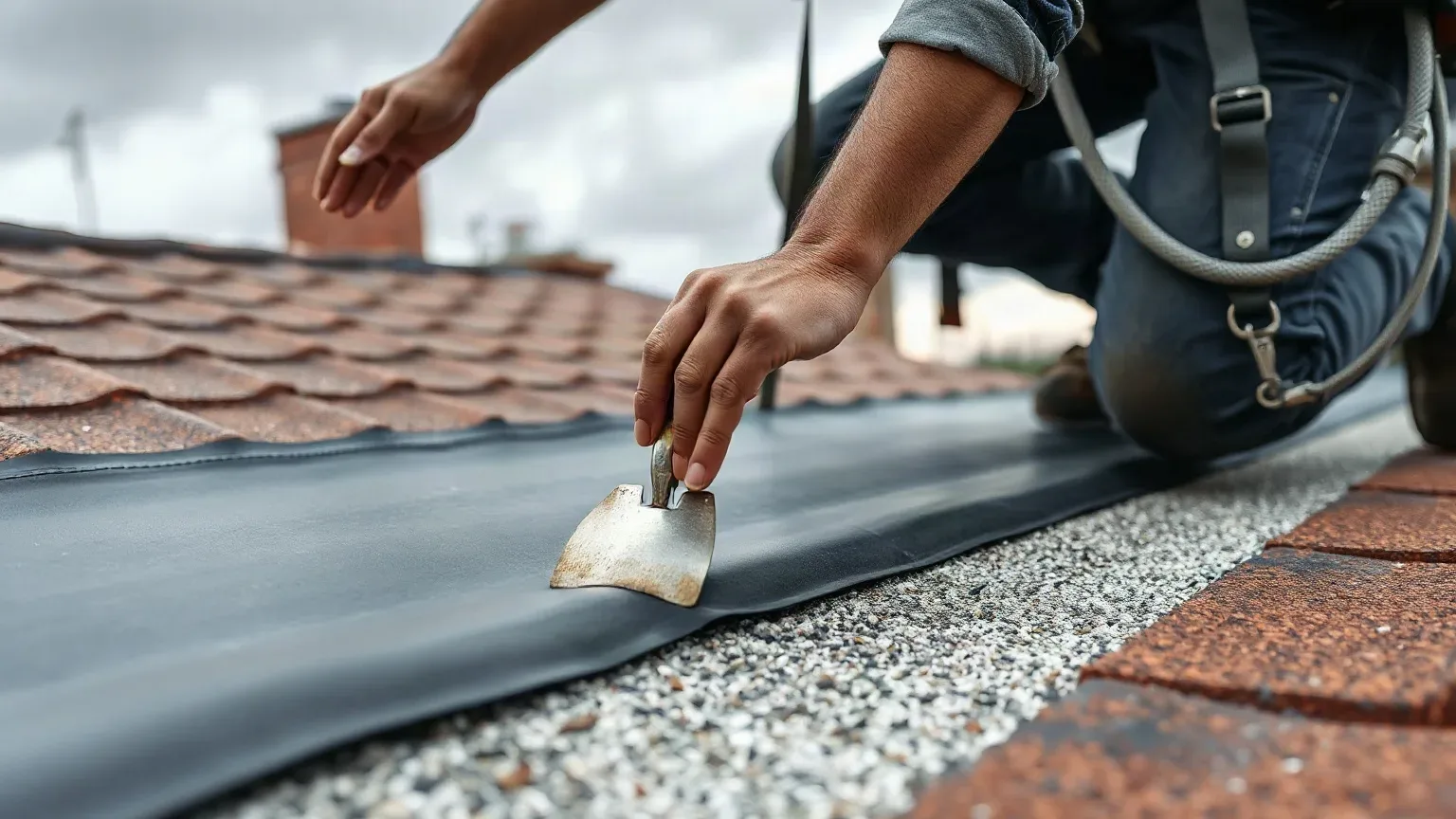
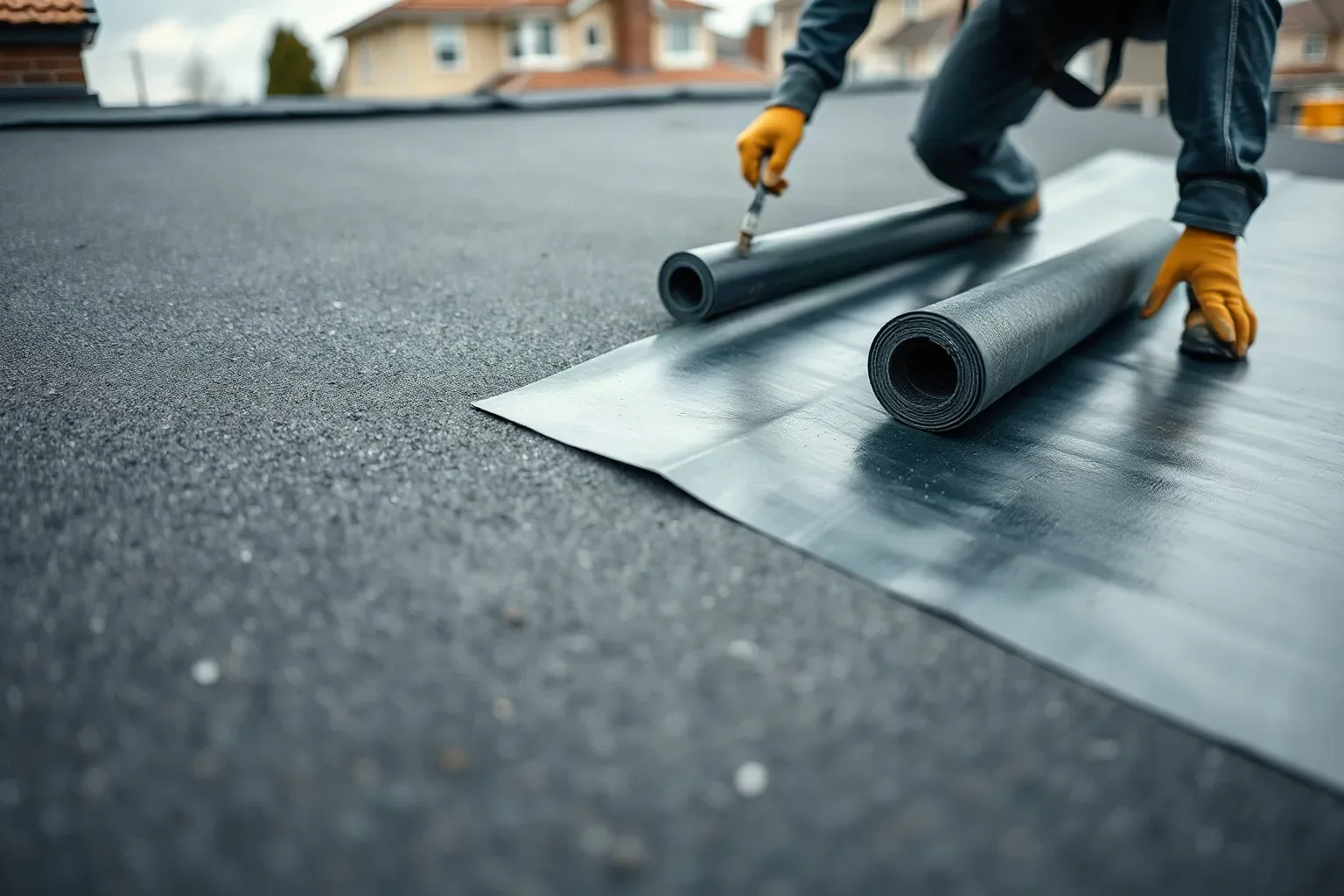
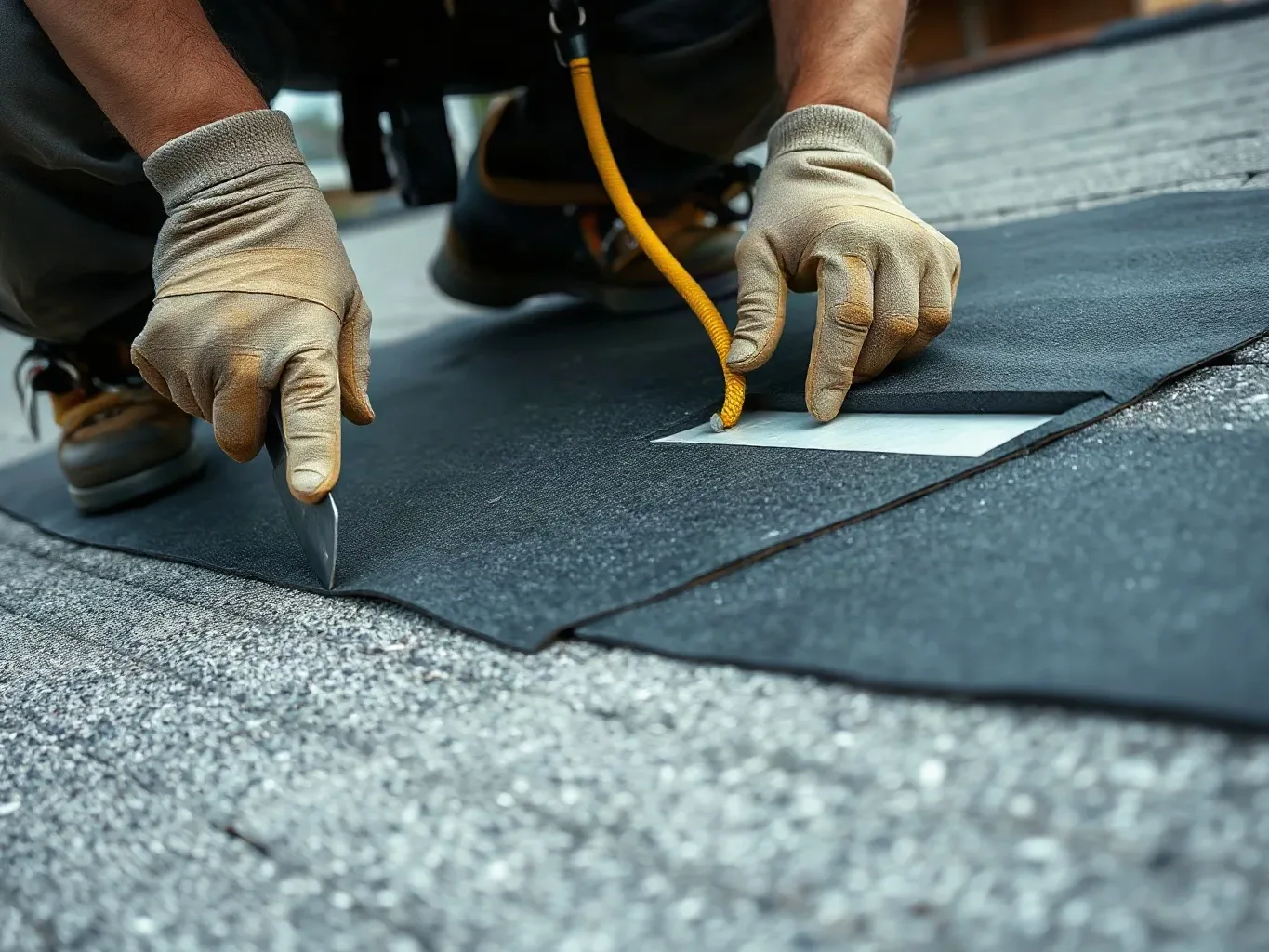
A standard residential EPDM installation on a 20–30 m² roof takes one to two days. Day one covers stripping the old covering, inspecting and repairing the deck, and fitting rigid insulation board if required. Day two is the membrane itself: the sheet is cut, unrolled, and bonded using water-based contact adhesive or a fully adhered system, then trimmed and flashed at all upstands, edges, and penetrations.
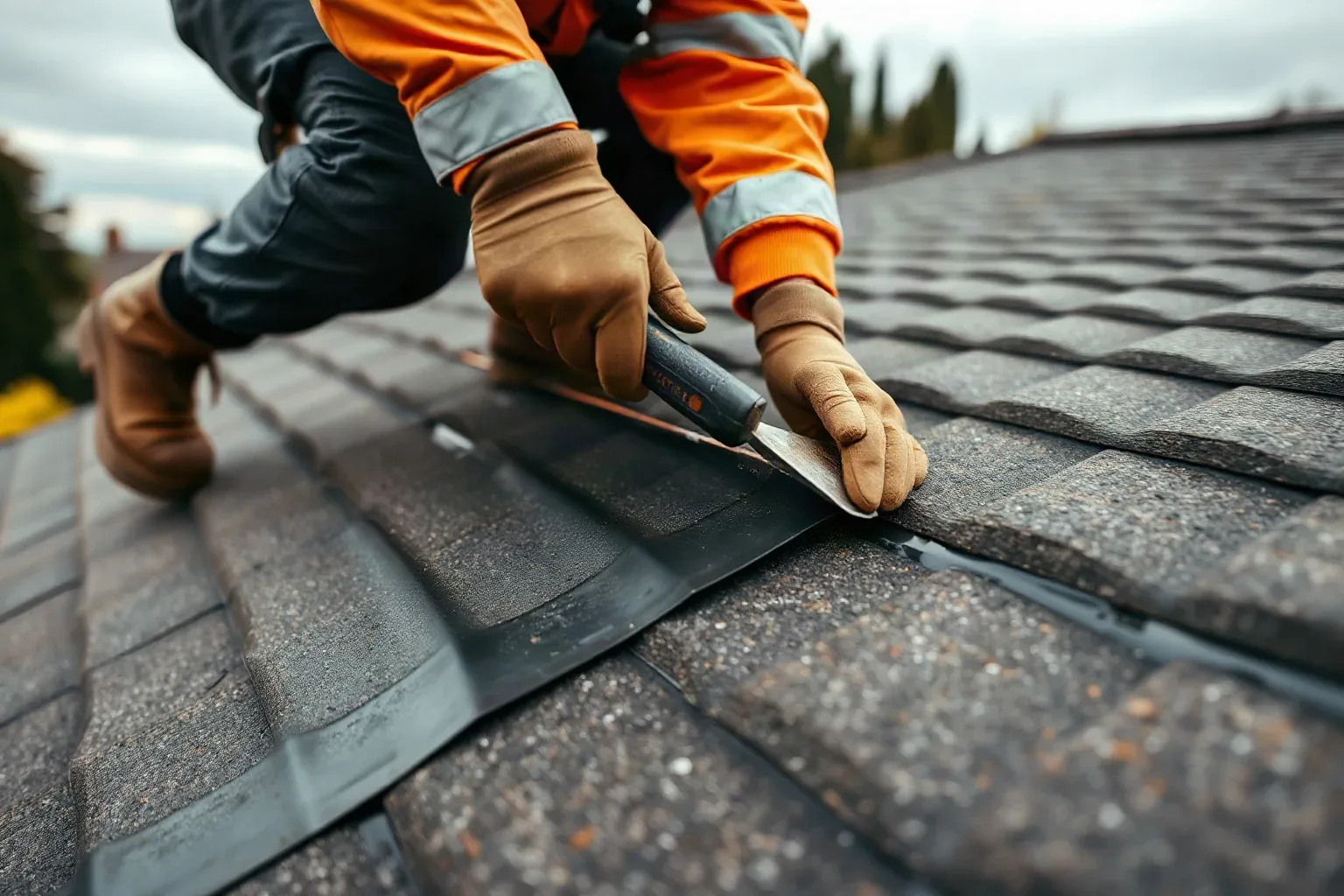
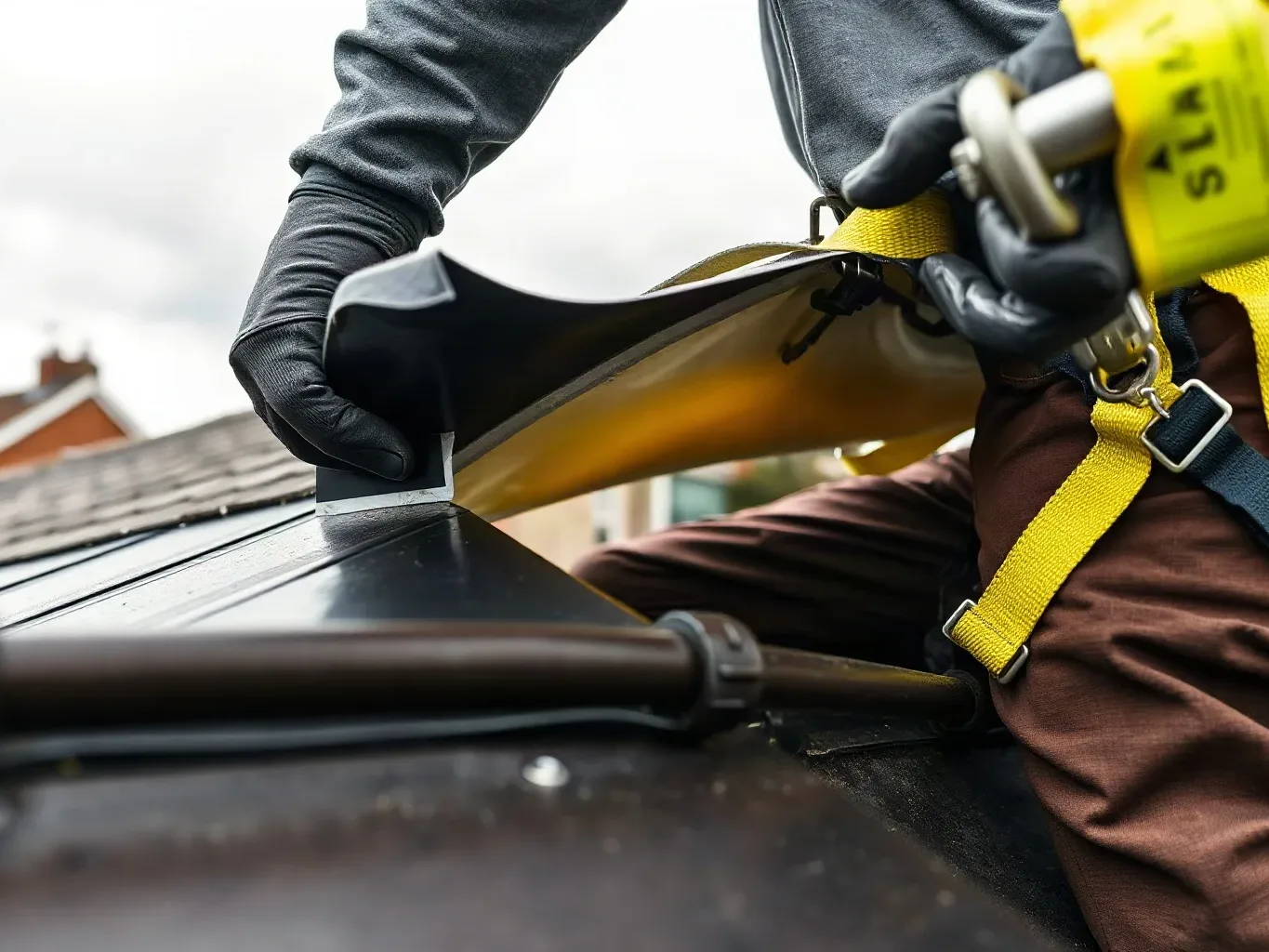
Flashings are where most flat roof failures originate. EPDM detailing tape and liquid-applied trim strips are used to seal around pipes, rooflights, and parapet walls. An experienced installer will spend a disproportionate amount of time on these details because that is where water finds its way in.
Once the membrane is fully adhered and trimmed, a trim bar or drip edge is fixed at the roof perimeter to direct water cleanly into the gutters. The whole roof should be walkable within a few hours of completion and fully weathertight by end of day.
Inspecting the Work Before Sign-Off
Before paying the final invoice, check that all upstand flashings are sealed and pressed flat, that the membrane has no bridging or lifting at corners, and that water runs freely to the outlets. A reputable EPDM installer will have no objection to a walk-around inspection with you before they pack up.
Ask for the manufacturer's warranty document and your installer's workmanship guarantee in writing. NFRC-registered or equivalent approved roofing contractors are the benchmark standard; confirm your chosen contractor's accreditation before work starts.
EPDM Repairs in Edinburgh
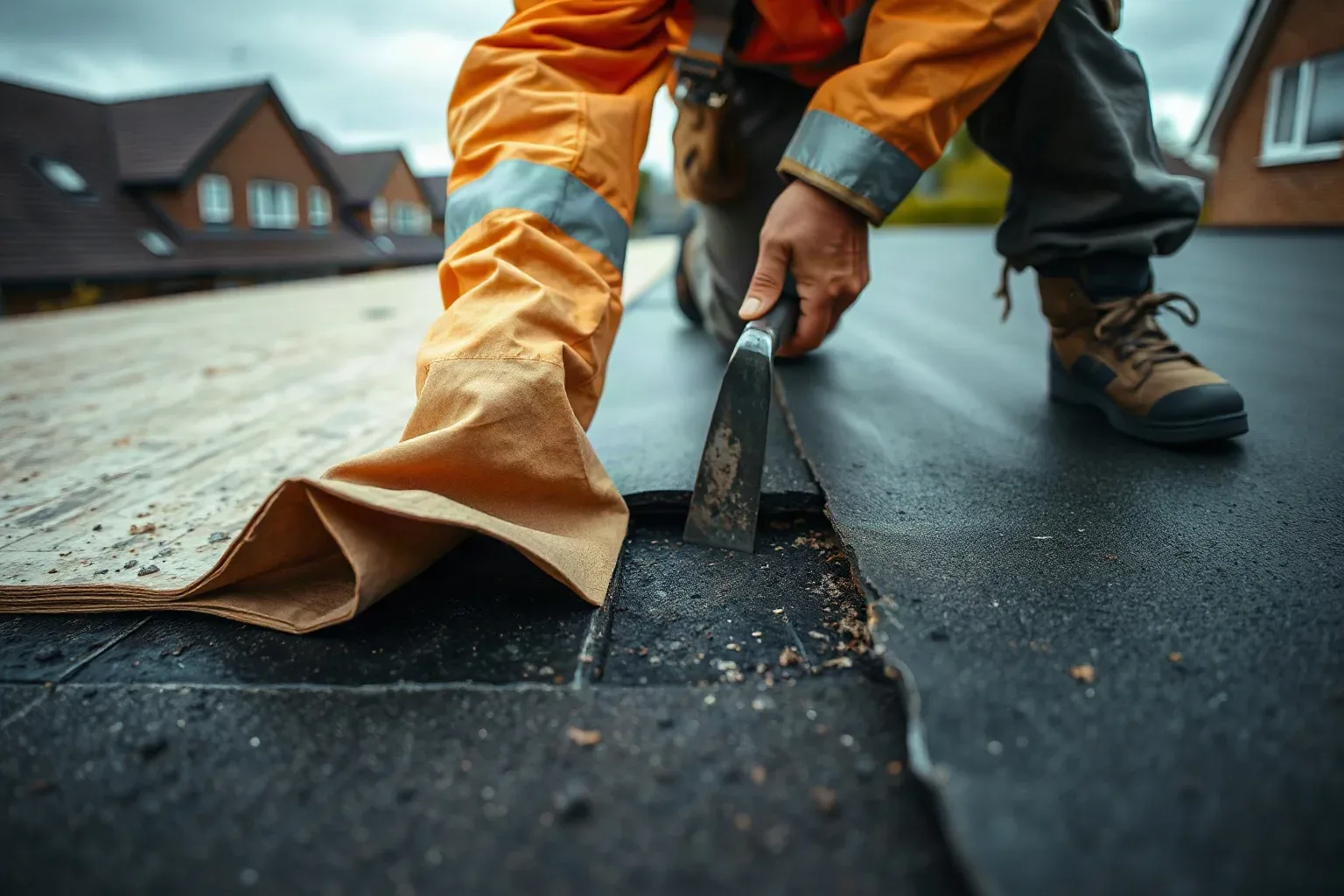
EPDM is repairable rather than replaceable in most scenarios where damage is localised. A split seam, a puncture from a roof anchor, or a failed flashing can all be addressed with compatible EPDM patch tape and primer without disturbing the rest of the membrane. Minor repairs on a small section typically cost £150–£400 depending on extent and access.
Emergency roof tarping is available across Edinburgh as a stopgap when a flat roof fails suddenly: temporary weatherproofing costs £200–£500 per job and buys time for a proper repair to be scheduled. The emergency line operates 24 hours a day, 7 days a week, with a target response time of within 1–2 hours across Edinburgh city postcodes.
Ageing EPDM that has begun to shrink away from flashings or show surface crazing may still have years of life left with a professional re-flash and a coat of EPDM-compatible sealer. A qualified roofer can tell you within a single inspection whether patch repair is realistic or whether a full re-cover is the better spend.
EPDM vs Other Flat Roof Systems
GRP fibreglass is the main alternative to EPDM. It lasts 25–40 years, bonds rigidly to the deck, and is excellent for complex shapes or roofs with many penetrations. The downside is that it is more brittle in extreme cold and cannot be walked on repeatedly without specialist walkway pads.
EPDM's flexibility is its defining advantage in Edinburgh's climate. The membrane expands and contracts with temperature change without cracking, which matters across a Scottish winter where a single day can swing from near freezing overnight to mild and wet by afternoon. For straightforward residential flat roofs, particularly over extensions and garage conversions, EPDM offers the best balance of cost, longevity, and ease of maintenance.
Felt remains the cheapest option at the lower end of the £50–£120 per m² range, but the 10–20 year lifespan means you will likely face another replacement within the ownership period of a typical Edinburgh home. The long-term cost per year of service tends to favour EPDM.
Getting a Quote for EPDM Roofing in Edinburgh
Any reputable Edinburgh roofing contractor will offer a free site visit and written quote before committing to a price. Quotes based on rough measurements given over the phone are not reliable: deck condition and flashing complexity must be seen in person. Coverage extends across all Edinburgh postcodes (EH1–EH17) and into the surrounding Lothians.
Get at least two written quotes and compare them line by line: membrane specification, deck works, insulation, flashings, and workmanship warranty should all appear separately. Call the emergency line any time if you have an active leak that cannot wait for a scheduled survey.
Frequently Asked Questions
EPDM Roofing Installation Edinburgh - What Does the Process Involve?
Installation starts with stripping the old roof covering and inspecting the deck for rot or damage. Insulation board is fitted if required, then the EPDM membrane is cut, unrolled, and fully adhered to the deck. Flashings are sealed around all edges, upstands, and penetrations using EPDM detailing tape and trim strips. A standard 20–30 m² residential flat roof typically takes one to two days to complete.
How Long Does an EPDM Flat Roof Last in Edinburgh's Climate?
An EPDM flat roof installed to a proper standard lasts 25–50 years. Manufacturer warranties typically cover 20–25 years. The membrane's flexibility means it handles Edinburgh's freeze-thaw cycles and wind-driven rain without cracking, which is a key advantage over rigid systems like GRP fibreglass in a Scottish climate.
How Much Does EPDM Flat Roofing Cost in Edinburgh?
EPDM flat roof replacement costs £50–£120 per square metre, supply and fit. EPDM sits at the upper end of that range. For a typical garage or extension roof of 20–30 m², total project cost is roughly £1,500–£3,600. Larger roofs on Edinburgh semi-detached properties can reach £6,000–£15,000 depending on size, deck condition, insulation requirements, and access difficulty.
Can an EPDM Roof Be Repaired Rather Than Replaced?
Yes, in most cases of localised damage. Split seams, punctures, and failed flashings can all be repaired using compatible EPDM patch tape and primer without disturbing the rest of the membrane. Minor repairs typically cost £150–£400. A qualified roofer can assess within a single site visit whether a repair is viable or whether full re-covering is the better long-term option.
Is EPDM Better Than GRP Fibreglass for a Flat Roof in Edinburgh?
For straightforward residential flat roofs, EPDM offers the better balance of cost, longevity, and climate resilience. It flexes with temperature changes rather than becoming brittle in cold weather, which matters in Scotland. GRP fibreglass lasts 25–40 years and suits complex roof shapes with many penetrations, but it is more susceptible to cracking under repeated foot traffic and extreme cold without proper walkway protection.