Green Sedum Roof Installation Edinburgh
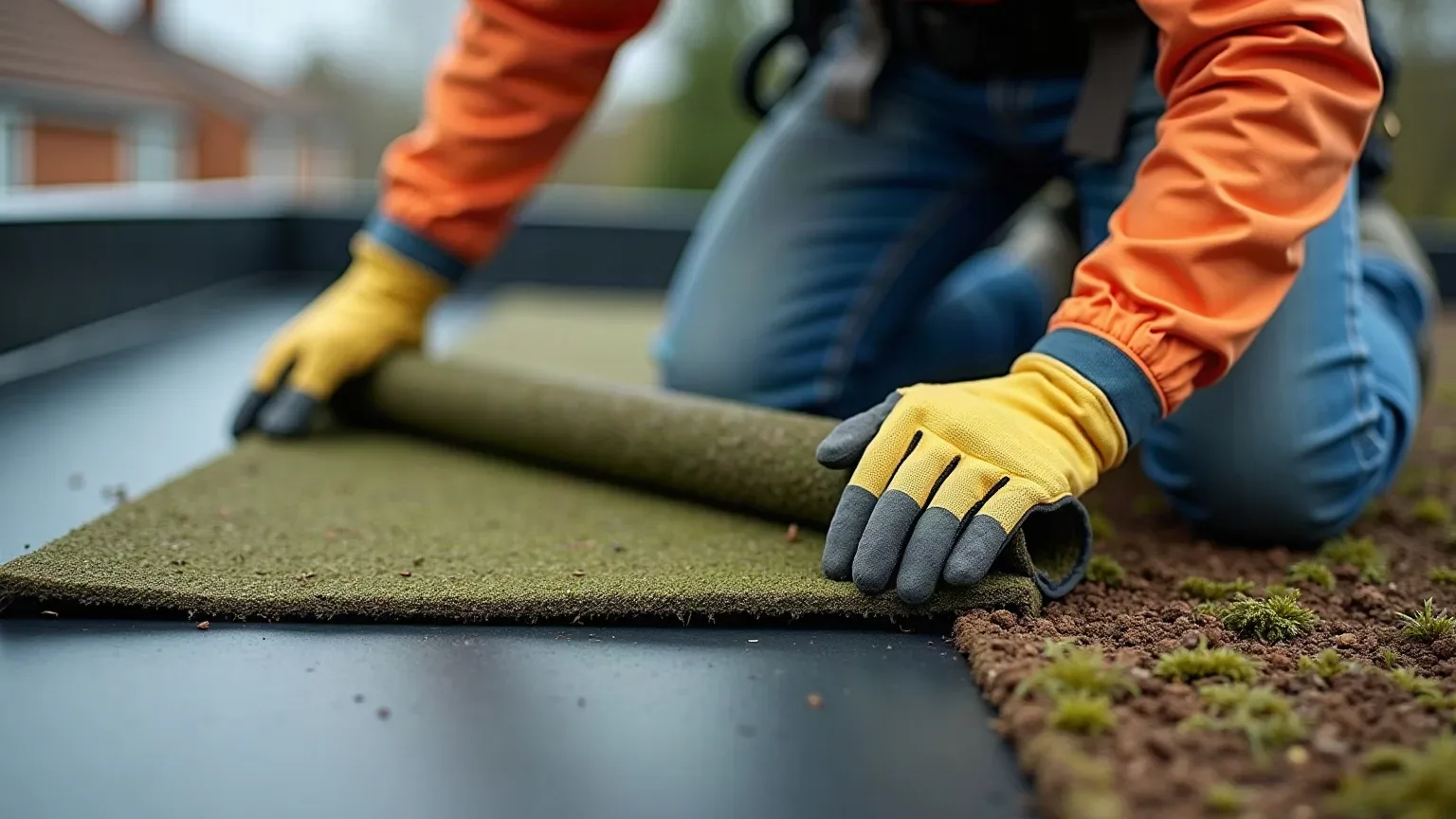
Sedum roofs have moved well beyond architectural novelty. Edinburgh homeowners are fitting them to flat garage roofs, kitchen extensions, and garden rooms as a practical way to manage rainwater runoff, improve insulation, and add genuine kerb appeal. A sedum mat system typically weighs 60–150 kg per square metre when saturated, which makes it compatible with most concrete or timber flat-roof structures once a structural check has been done.
What a Sedum Roof System Actually Involves
A sedum roof is a type of extensive green roof: a thin, low-maintenance planted layer built over a standard waterproof membrane. Unlike intensive green roofs, which carry deep growing media for shrubs or lawn, extensive systems use drought-tolerant sedum species in a growing layer just 60–150 mm deep. Sedum is well-suited to Scotland's climate because it tolerates waterlogging in winter and dry spells in summer without significant die-back.
The build-up runs in layers. First, a robust root-resistant waterproofing membrane (typically EPDM rubber or a reinforced felt product) is laid over the deck. Above that sits a drainage and water-retention layer, followed by a filter fleece, then the growing medium, and finally the pre-grown sedum mat or plug plants. Each layer has a functional role, and skipping or substituting any one of them shortens the system's lifespan.
Suitable Roof Structures in Edinburgh
Most flat roofs on Edinburgh extensions and outbuildings can carry an extensive sedum system, provided the deck is structurally assessed first. Older timber joists at 400 mm centres may need noggins or a secondary deck board to achieve the required load rating. Concrete decks and steel-framed structures rarely need modification. Any slope between 1° and 30° is workable; beyond 30°, the growing medium needs special retention battens to prevent creep.
Pitched roofs can also carry sedum, though the installation is less common on traditional Edinburgh sandstone tenements due to planning considerations in conservation areas. Always check with Edinburgh City Council's planning department before installing a visible green roof on a listed or category B building.
Green Roof Installation Cost Edinburgh
A sedum roof installation in Edinburgh typically costs £80–£150 per square metre for the green roof layers alone, on top of any existing waterproofing work. That figure covers the drainage board, filter fleece, growing medium, and sedum mat or plug planting. A standard garage roof of around 20 m² therefore sits in the £1,600–£3,000 range for the planted system.
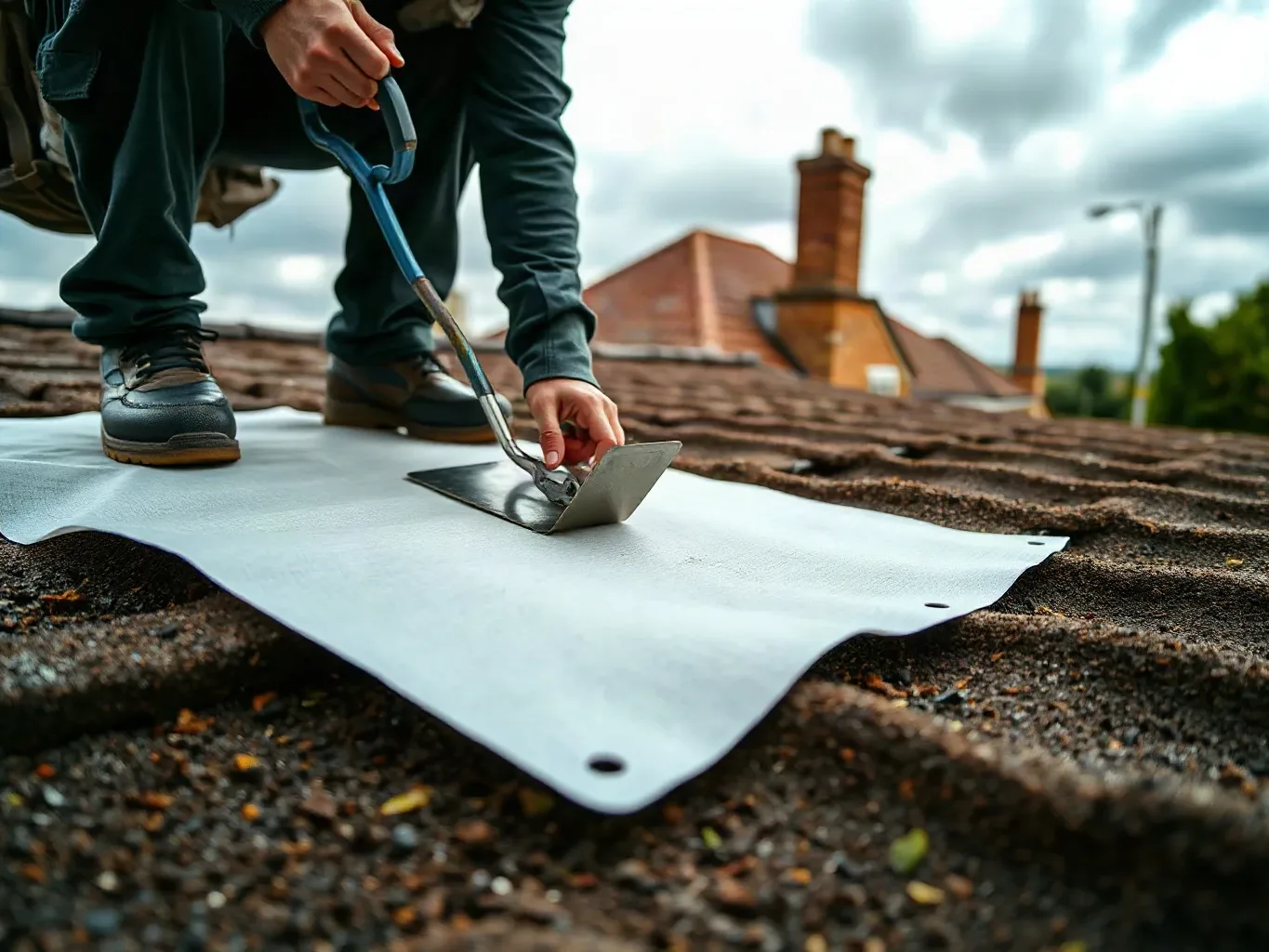
If the existing waterproofing membrane needs replacing first, budget an additional £50–£120 per m² depending on the system chosen. EPDM rubber sits at the upper end of that range but is the most compatible substrate for a planted roof because it is inherently root-resistant and carries a realistic lifespan of 25–50 years. Full flat-roof replacement combined with a sedum layer on a 20 m² garage roof would therefore total roughly £2,600–£5,400 before access costs.
Scaffolding or access equipment adds to the overall price when the roof is above ground-floor level. For a two-storey kitchen extension, expect to add £300–£600 for a scaffold lift, depending on the contractor and duration.
What Drives the Final Price
Three factors move the quote significantly. Structural remediation work is the biggest variable: if the deck needs reinforcing or re-boarding, that can add £500–£1,500 to the project before any waterproofing begins. The second factor is the sedum specification: pre-grown sedum mats (which give immediate coverage) cost more than plug-planted trays, but they establish faster and reduce the risk of bare patches in the first growing season. The third factor is drainage design: a roof that drains poorly needs a deeper retention board or additional outlets, both of which add material and labour cost.

Planning and Permitted Development Rules in Edinburgh
Most flat-roof sedum installations on domestic outbuildings and single-storey extensions fall within permitted development rights, meaning no planning application is required. However, Edinburgh has a significant number of conservation areas (including Stockbridge, Morningside, and the New Town) where permitted development rights are more restricted. Any work that materially alters the external appearance of a building in these areas may require prior approval.
The Scottish Government's planning guidance is broadly permissive about green roofs on the grounds of environmental benefit, but the safest step is a pre-application enquiry to Edinburgh City Council before the contractor is booked. That costs nothing and avoids the risk of an enforcement notice later.
How Installation Works in Practice
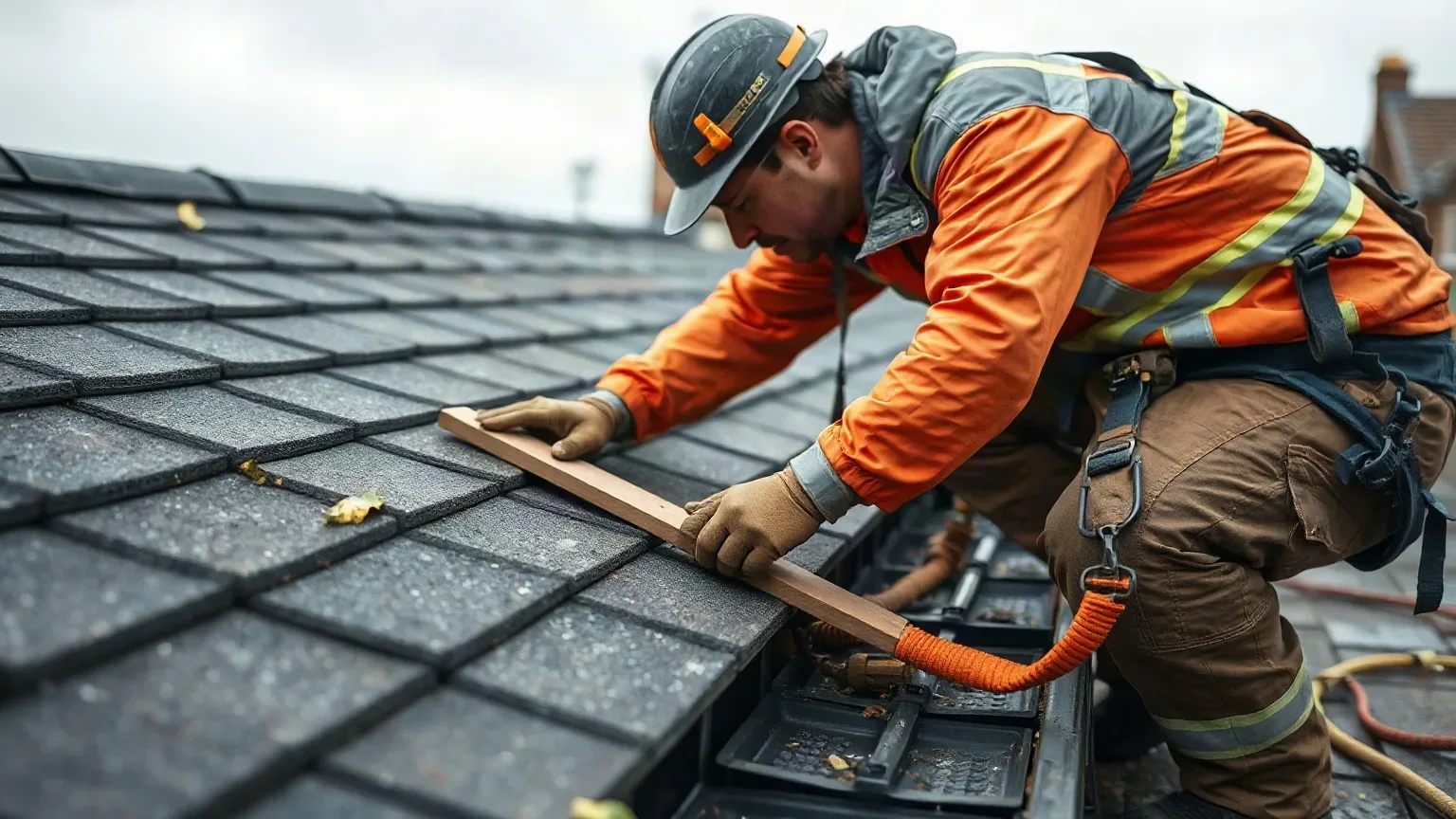
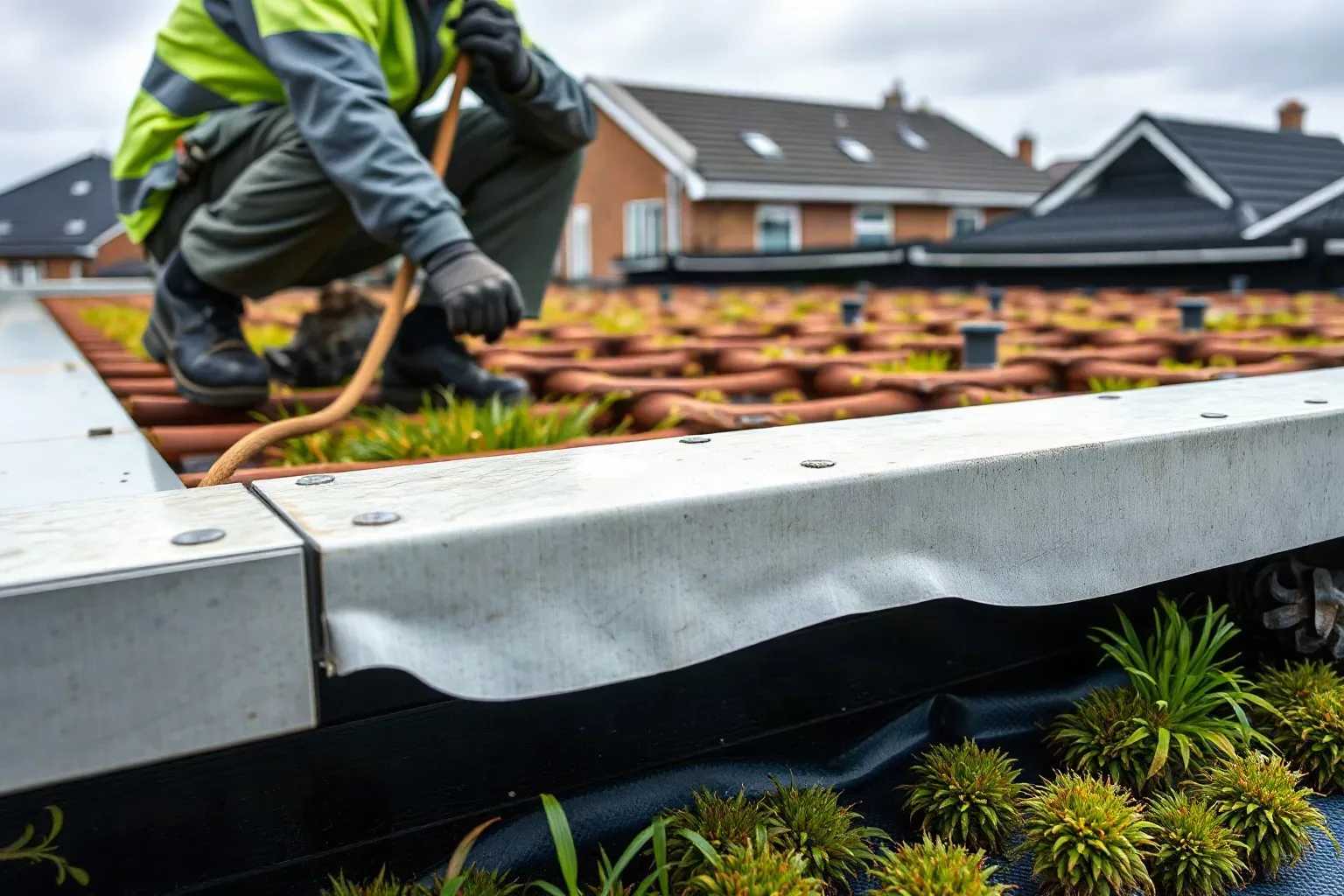
A typical residential installation follows a predictable sequence across two to three days for a 20–30 m² roof. Day one covers waterproofing: the existing deck is inspected, any failed areas are repaired or the full membrane is replaced, and upstands and flashings are checked and dressed. Day two covers the green roof build-up: drainage board, filter fleece, and growing medium are installed in sequence, and the sedum mats are rolled out, trimmed to fit, and temporarily held at edges with a gravel margin.
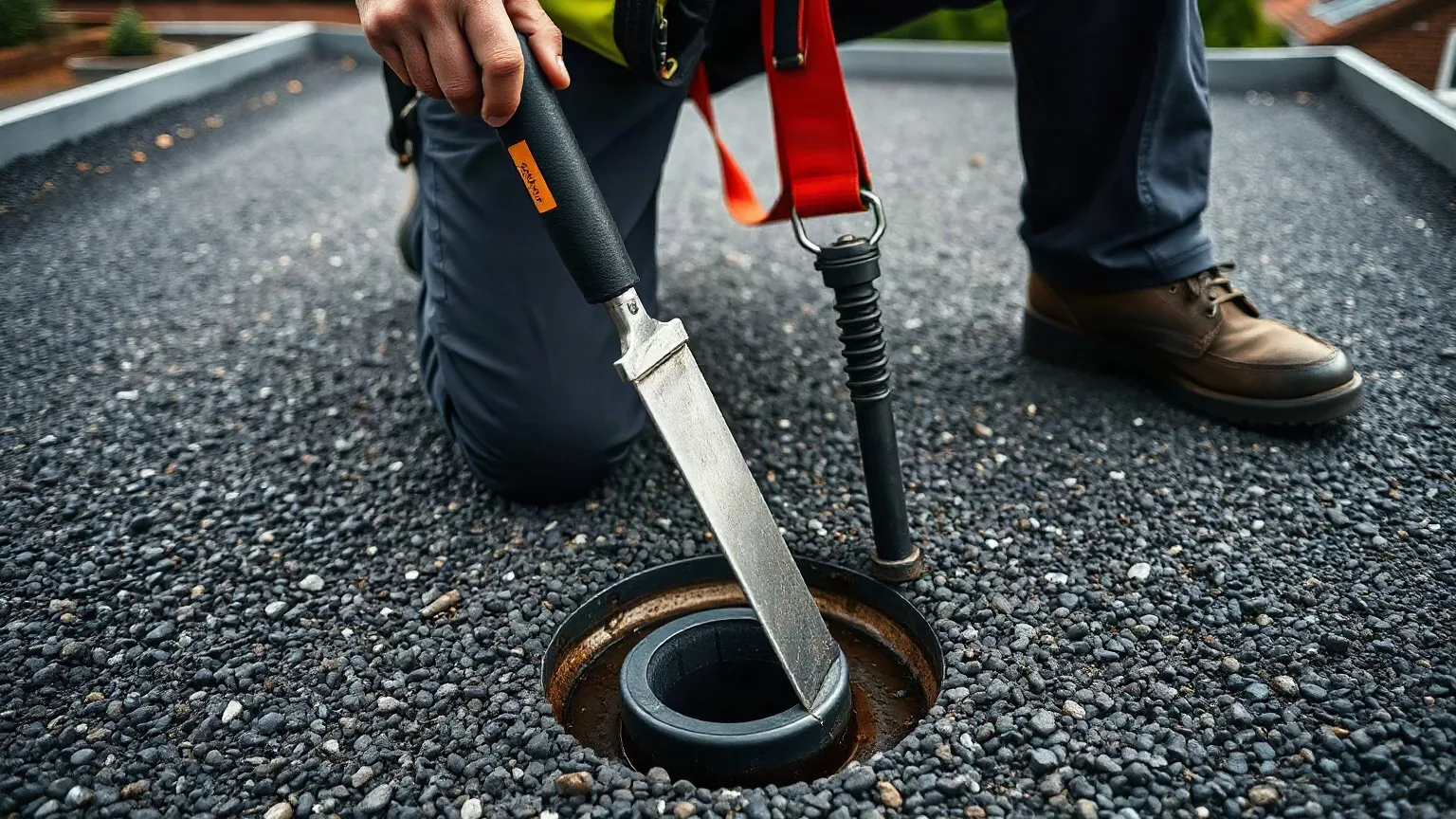
The gravel margin (usually 150–300 mm of washed aggregate around the perimeter and at drainage outlets) is not decorative. It prevents the sedum from blocking outlets and acts as a fire break. Edinburgh contractors familiar with green roof systems will include it as standard; if a quote omits it, ask why.
After planting, the roof needs one watering session if conditions are dry. Sedum is self-sufficient through a normal Edinburgh summer but benefits from a check in prolonged dry spells during its first growing season.
Long-Term Maintenance and Lifespan
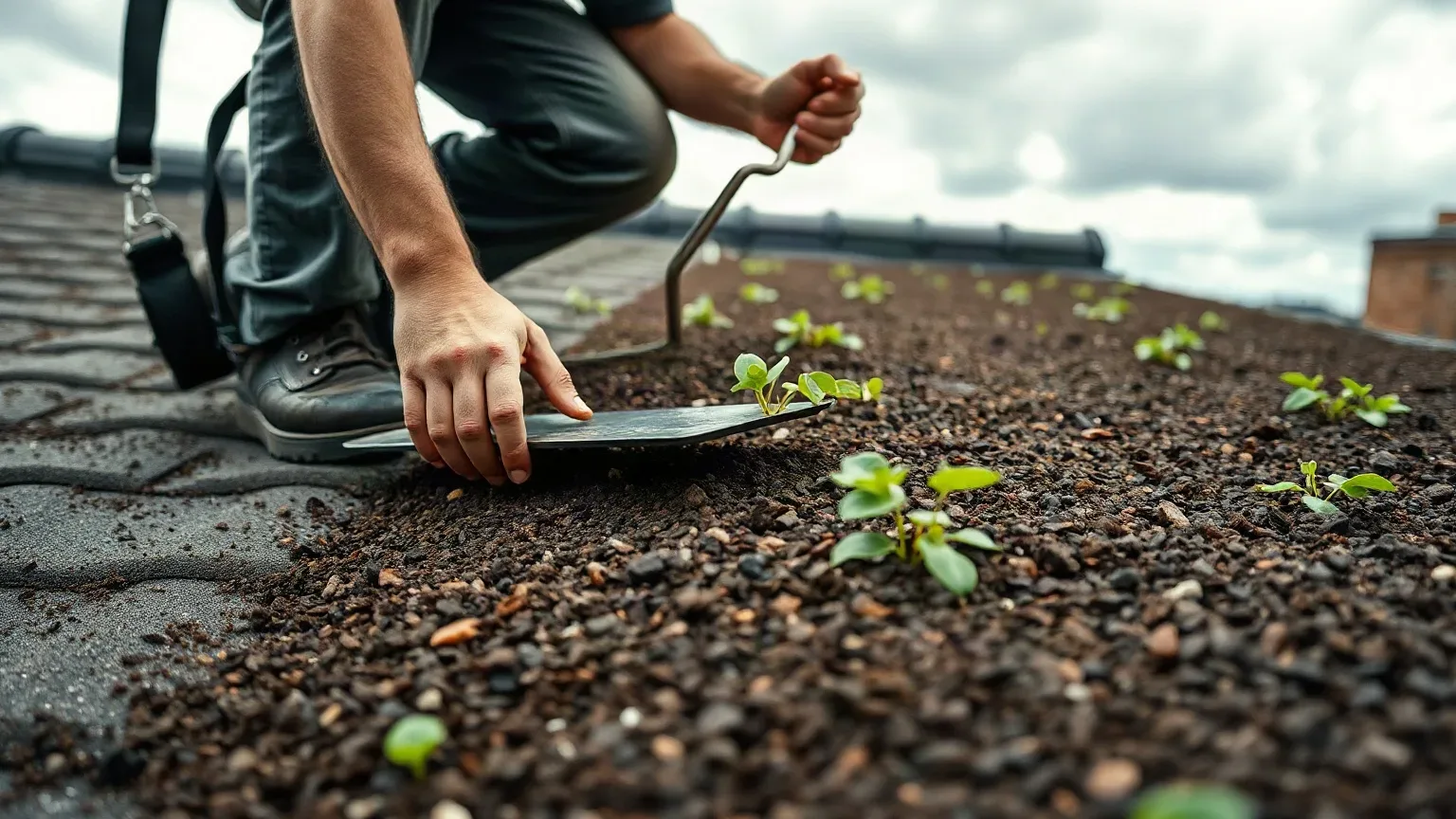
An extensive sedum roof requires minimal intervention once established. Annual maintenance visits are advisable: check that outlets are clear, remove any self-seeded woody plants before roots penetrate the membrane, and inspect the gravel margins. That visit typically takes an hour and costs £80–£150 as part of a broader roof maintenance call-out.
The waterproofing membrane beneath the sedum layer is the component that determines the system's overall lifespan. An EPDM membrane correctly installed under a sedum system typically lasts 25–50 years; because the living layer protects it from UV degradation and thermal cycling, real-world performance often exceeds laboratory estimates. Traditional felt beneath a sedum system lasts 10–20 years and will require the green roof layers to be temporarily lifted for replacement, so specifying the right membrane at the outset is genuinely cost-saving over a 30-year horizon.
Getting a Quote for Your Edinburgh Property
Start by confirming that the contractor holds NFRC registration or an equivalent approved roofing contractor status: this matters both for quality assurance and for any future insurance claims. Ask specifically whether the installer has experience with extensive green roof systems, not just flat roofing generally, since the drainage layer design and sedum establishment process require distinct knowledge.
For an accurate quote, the contractor needs the roof dimensions, the deck construction (timber, concrete, or steel), the current membrane type, and the address so that access and any conservation area constraints can be assessed. Most Edinburgh contractors can produce a written quote within 48 hours of a site visit. Contact a local roofing specialist now to arrange a structural check and written estimate for your property.
Frequently Asked Questions
Green Roof Installation Cost Edinburgh
A sedum green roof installation in Edinburgh typically costs £80–£150 per square metre for the planted system layers, including drainage board, filter fleece, growing medium, and sedum mat. A 20 m² garage roof therefore runs roughly £1,600–£3,000 for the green roof element alone. If the underlying waterproofing membrane needs replacing first, add £50–£120 per m² depending on the system chosen. Access costs such as scaffolding can add a further £300–£600 on above-ground-floor roofs.
Do I Need Planning Permission for a Green Roof in Edinburgh?
Most flat-roof sedum installations on domestic outbuildings and single-storey extensions fall within permitted development rights and do not require a planning application. However, Edinburgh has many conservation areas, including Stockbridge, Morningside, and the New Town, where permitted development rights are more restricted. A free pre-application enquiry to Edinburgh City Council is the safest step before booking a contractor, particularly if the roof is visible from the street or the building is listed.
How Long Does a Sedum Roof Last in Scotland's Climate?
Sedum is well-suited to Scottish conditions and tolerates both waterlogged winters and dry summers without significant die-back. The lifespan of the system is largely determined by the waterproofing membrane beneath it. An EPDM rubber membrane under a sedum layer typically lasts 25–50 years; the living layer protects it from UV degradation and temperature cycling, which often extends real-world performance beyond laboratory estimates. Traditional felt beneath a sedum system typically lasts 10–20 years before needing replacement.
How Much Does a Sedum Roof Weigh, and Will My Flat Roof Carry It?
A saturated extensive sedum system typically weighs 60–150 kg per square metre, depending on the depth of growing medium and the drainage board specification. Most concrete flat-roof decks and steel-framed structures carry this load without modification. Older timber-joist roofs may need additional noggins or a secondary deck board to achieve the required load rating. A structural assessment before installation is essential, and any reputable Edinburgh contractor should insist on this step before beginning work.
What Maintenance Does a Sedum Roof Need?
An established extensive sedum roof is low-maintenance but not maintenance-free. An annual inspection is advisable: clear drainage outlets, remove self-seeded woody plants before their roots reach the membrane, and check the gravel margins around the perimeter are intact. During the first growing season, watering may be needed in prolonged dry spells. An annual maintenance visit typically costs £80–£150 as part of a broader roof maintenance call-out.