Chimney Repairs Edinburgh
Why Edinburgh Chimneys Need Specialist Attention
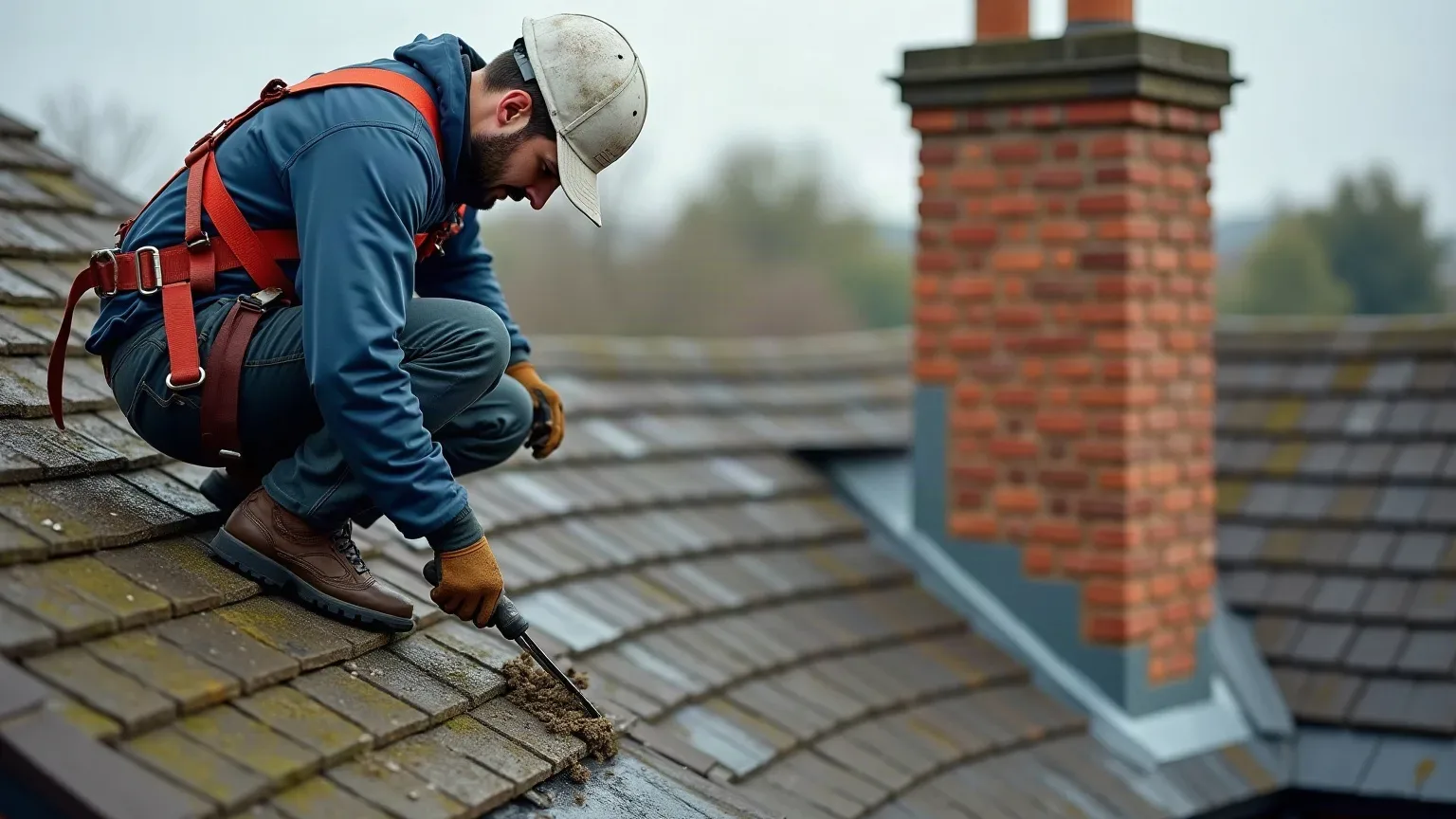
Edinburgh's weather is relentless on masonry. Freeze-thaw cycles through winter, driving rain from the Forth, and the capital's older stone-built housing stock combine to accelerate mortar decay, spalling brickwork, and cracked flaunching around chimney pots. Most Edinburgh chimneys were built to serve open fires; many are now redundant but still structurally exposed to the elements. Neglected stacks don't just look shabby, they leak water into the roof structure, rot timbers, and eventually shed masonry.
Acting early is far cheaper than waiting. A repoint caught before the stonework itself cracks costs a fraction of full stack rebuilding.
What Chimney Repairs Actually Cover
Chimney repairs in Edinburgh range from minor mortar work to complete stack removal. The job type shapes the cost, the access required, and the time on site.
Repointing
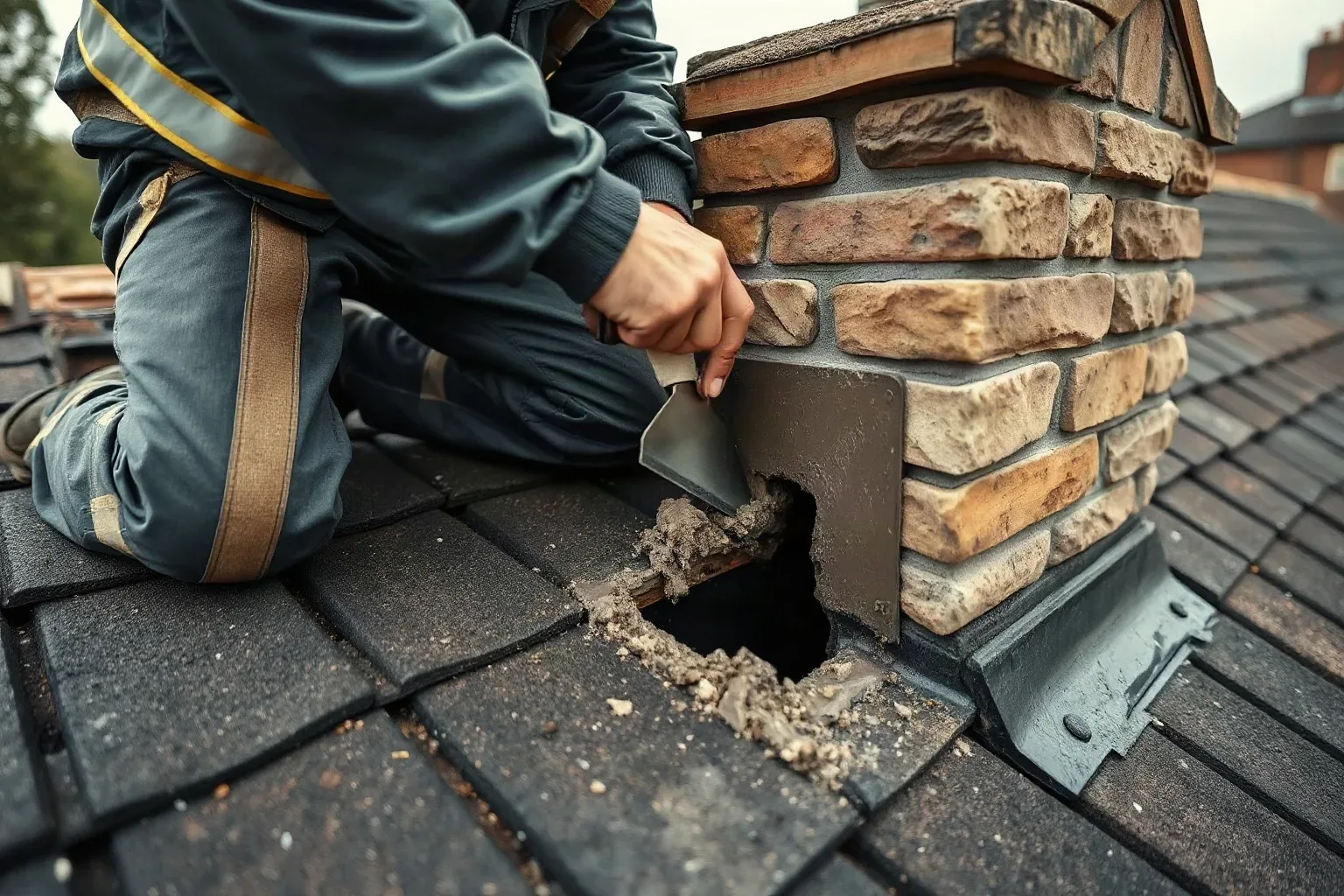
Repointing replaces the weathered mortar between courses of stone or brick. Mortar is softer than the surrounding stone by design, so it sacrifices itself slowly over decades. When the joints hollow back more than 10–15 mm, water sits in the gaps and drives deeper into the stack. A competent roofer rakes out the old mortar to a clean face, brushes away dust, and trowels in a fresh mix matched to the original, typically a lime-based mortar on pre-1919 Edinburgh properties.
Repointing costs £300–£800 depending on stack height, the number of courses affected, and whether scaffolding or a cherry picker is needed for access.
Flaunching and Pot Repairs
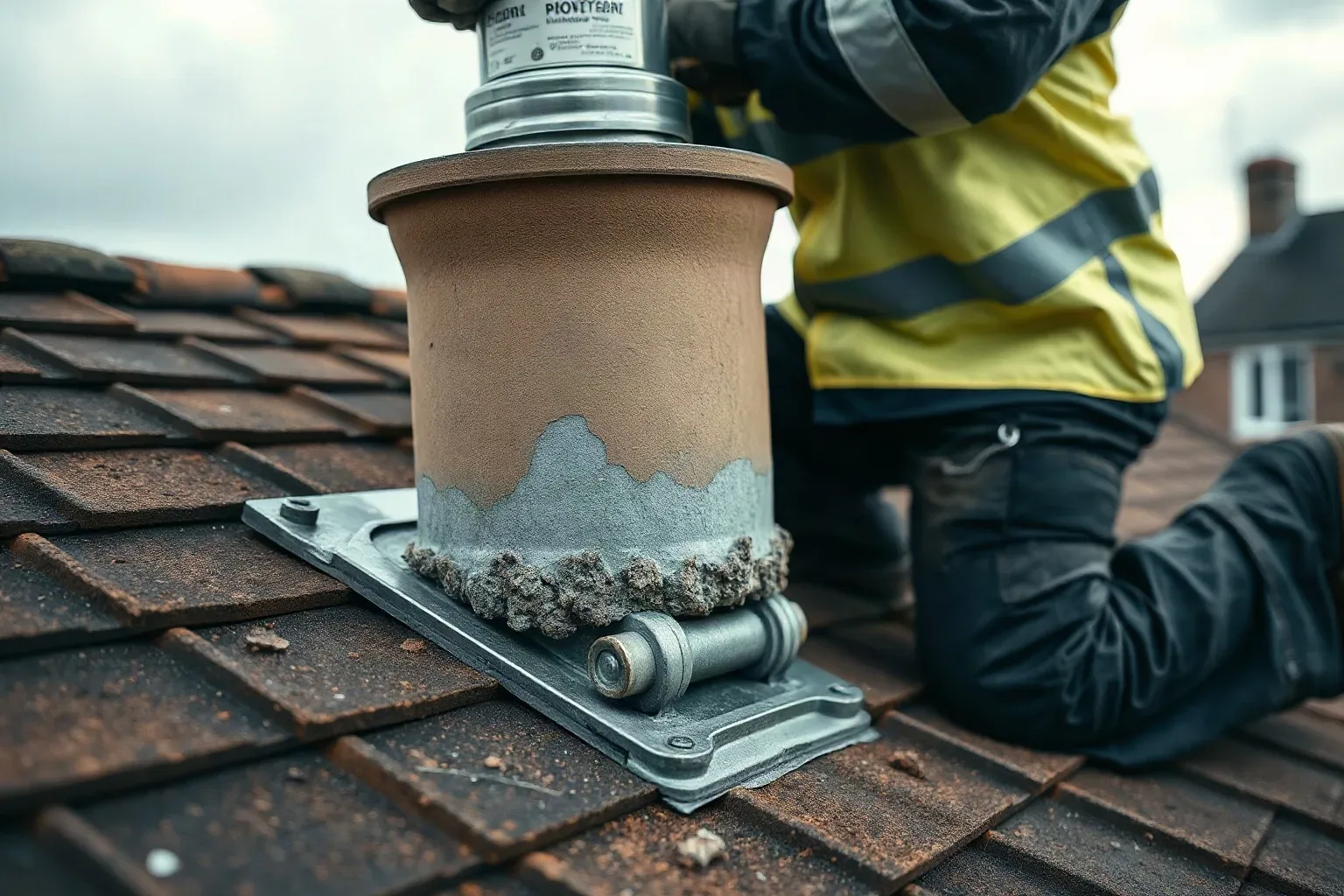
Flaunching is the mortar collar that seats each chimney pot. It cracks with thermal movement and admits water directly into the stack core. Replacing flaunching is often combined with a repoint visit to save on access costs. Loose or cracked pots can be re-bedded or replaced at the same time.
Lead Flashing Repairs
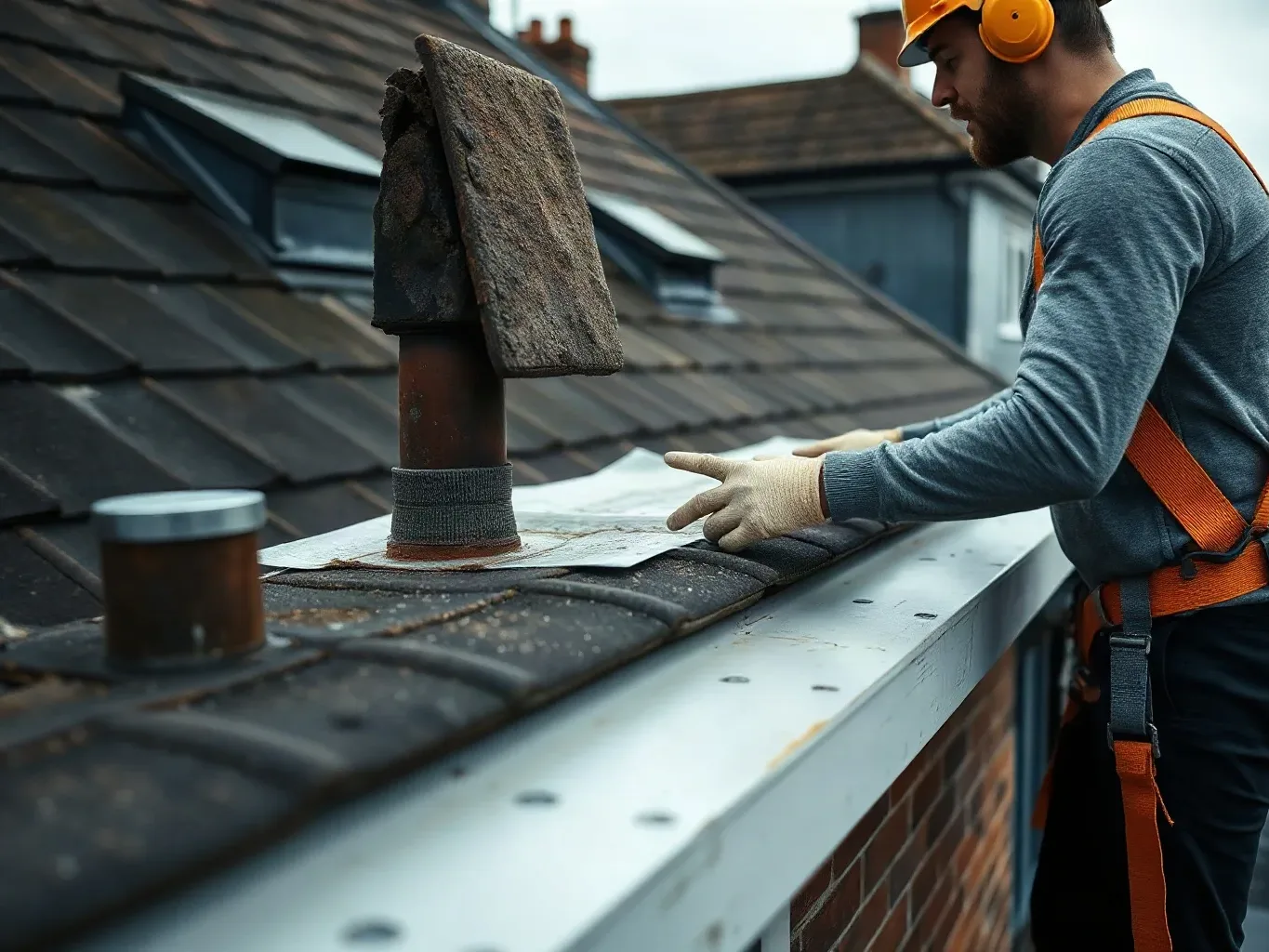
The lead flashing where the chimney meets the roof slope is a common leak source. It steps around the stack in sections, and individual sections can lift, crack, or separate from the mortar joint. A roofer can repoint stepped flashing and re-dress loose sections without replacing the whole run.
Chimney Stack Removal
Where a chimney serves no fireplace, is badly deteriorated, or is causing repeated maintenance costs, full removal is sometimes the sensible choice. Full removal to below the roofline, with the roof covering made good afterwards, typically costs £1,000–£3,000. On a listed building or within a conservation area, planning consent or listed building consent may be required before work begins; a specialist can advise on this before you commit.
Chimney Stack Repair Price Edinburgh
Prices in Edinburgh depend on which part of the chimney needs work, the height of the stack, and the access method required. Repointing sits at £300–£800 per job. Flaunching replacement for a single pot typically adds £100–£200 to a combined visit. Lead flashing repairs run £150–£400 depending on how many sections need attention. A full stack removal, including making the roof watertight again, costs £1,000–£3,000.
Scaffolding is the main variable that shifts quotes. A two-storey Edinburgh terraced house often needs a scaffold lift to reach the stack safely, and that access cost is shared across all the work done while it stands. Booking multiple repairs in one visit keeps the overall price down.

Chimney Repair Specialists Edinburgh
Choose a roofing contractor who is NFRC-registered or holds equivalent approved contractor status, as this confirms they are assessed against current technical standards. For Edinburgh properties, it also pays to find someone with specific experience on lime mortar work. Cement-heavy mixes applied to soft sandstone stacks can trap moisture behind a hard face and accelerate the decay you are trying to stop.
Ask any contractor to confirm their access method before work starts, specify the mortar mix they intend to use, and provide a written quote that separates materials from labour. Reputable specialists will also flag any related issues, such as cracked pots or slipped slates around the stack base, areas where a problem at the chimney often conceals a second repair needed at the roof surface nearby.

Repoint Chimney Edinburgh
Repointing is the most common chimney job in Edinburgh and, done correctly, should last 20–30 years before the next attention is needed. The work involves raking out soft or hollow mortar to a depth of at least 15 mm, dampening the joints to slow suction, and packing in fresh mortar in two or three passes to avoid shrinkage cracking. On older Edinburgh properties, a 3:1 or 4:1 lime:sand mix is usually specified rather than an OPC cement mix.
Timing matters. Mortar cured in cold or frosty conditions fails quickly. Most Edinburgh contractors will not repoint below 5°C or when rain is forecast. Spring and late summer tend to give the most reliable curing windows.
Signs Your Chimney Needs Attention Now
Water staining on a chimney breast inside the house is the clearest signal. Spalling stonework, where the face of individual stones is flaking away, points to repeated freeze-thaw saturation. Mortar that crumbles when you press it with a finger, visible from ground level as hollow or missing joints, needs work before the next wet season.
Damp patches appearing on ceilings near the chimney stack after heavy rain suggest either flashing failure or cracked flaunching. Both are accessible repairs if caught before timber decay sets in. If a pot has visibly shifted or is leaning, the flaunching has failed and the pot is at risk of falling.
How to Get a Reliable Quote in Edinburgh
A written, itemised quote is the baseline expectation. Any quote that gives only a single total figure without breaking down access costs, materials, and labour is difficult to compare or hold a contractor to. Request at least two quotes for any job above £400.
For a standard repoint on a two-storey Edinburgh property, expect the survey and quote to take 15–30 minutes on site. Reputable contractors in the Edinburgh area target response times of one to two hours for emergency calls across EH1–EH17 postcodes, and many operate an emergency line around the clock. For non-urgent planned repairs, scheduling two to four weeks ahead is typical during the busier spring and autumn seasons.
If you are dealing with an active leak from the chimney area, a temporary weatherproofing cover, often referred to as emergency tarping, can be put in place while a permanent repair is scoped. Emergency roof tarping costs £200–£500 and buys time without committing to a full repair scope before the cause is properly diagnosed.

Frequently Asked Questions
Chimney Stack Repair Price Edinburgh
Chimney stack repair costs in Edinburgh depend on the type and extent of work needed. Repointing costs £300–£800 per job, flaunching replacement typically adds £100–£200 when combined with other work, and lead flashing repairs run £150–£400. Full stack removal to below the roofline, with the roof covering made good, costs £1,000–£3,000. Scaffolding or cherry-picker access is often the largest variable in the final price, so combining multiple repairs in one visit reduces the overall cost per job.
Chimney Repair Specialists Edinburgh
Look for an NFRC-registered contractor or one holding equivalent approved contractor status. For Edinburgh's older stone properties, experience with lime mortar is particularly important, as cement-heavy mixes can trap moisture behind a hard face and worsen the underlying decay. Ask any specialist to confirm their access method, specify the mortar mix they plan to use, and provide a written itemised quote before work begins. Reputable contractors will flag related issues, such as slipped slates around the stack base, so the full scope of work is clear upfront.
Repoint Chimney Edinburgh
Repointing a chimney in Edinburgh involves raking out hollow or decayed mortar to at least 15 mm, dampening the joints, and packing in fresh mortar in multiple passes to prevent shrinkage cracking. On pre-1919 Edinburgh properties, a lime-based mix is normally specified rather than a cement mortar. The job costs £300–£800 depending on stack height and access requirements. Timing matters: repointing should not be carried out in frost or when temperatures are below 5°C, so spring and late summer are the most reliable windows in Edinburgh's climate.
How Do I Know If My Chimney Needs Repointing or Replacing?
If the mortar between the stone or brick courses is hollow, recessed more than 10–15 mm, or crumbles when pressed, repointing is the appropriate repair. Spalling stonework, where the face of individual stones is flaking away, indicates prolonged water saturation and may mean individual stones need replacing alongside the repoint. A full stack rebuild or removal becomes the practical choice when the structural integrity of the masonry itself is compromised across a large section, or when the chimney is redundant and causing repeated maintenance costs.
Do I Need Planning Permission to Remove a Chimney Stack in Edinburgh?
Removing a chimney stack to below the roofline can fall under permitted development for standard residential properties, but Edinburgh has a high concentration of listed buildings and conservation areas where consent is required. If your property is listed, you will need listed building consent before any removal work begins. Properties within a conservation area may also need planning permission depending on the specific designation. A specialist contractor familiar with Edinburgh's built environment can advise on consent requirements before you commit to a removal project.