Slate Roof Underlays and Insulation Edinburgh
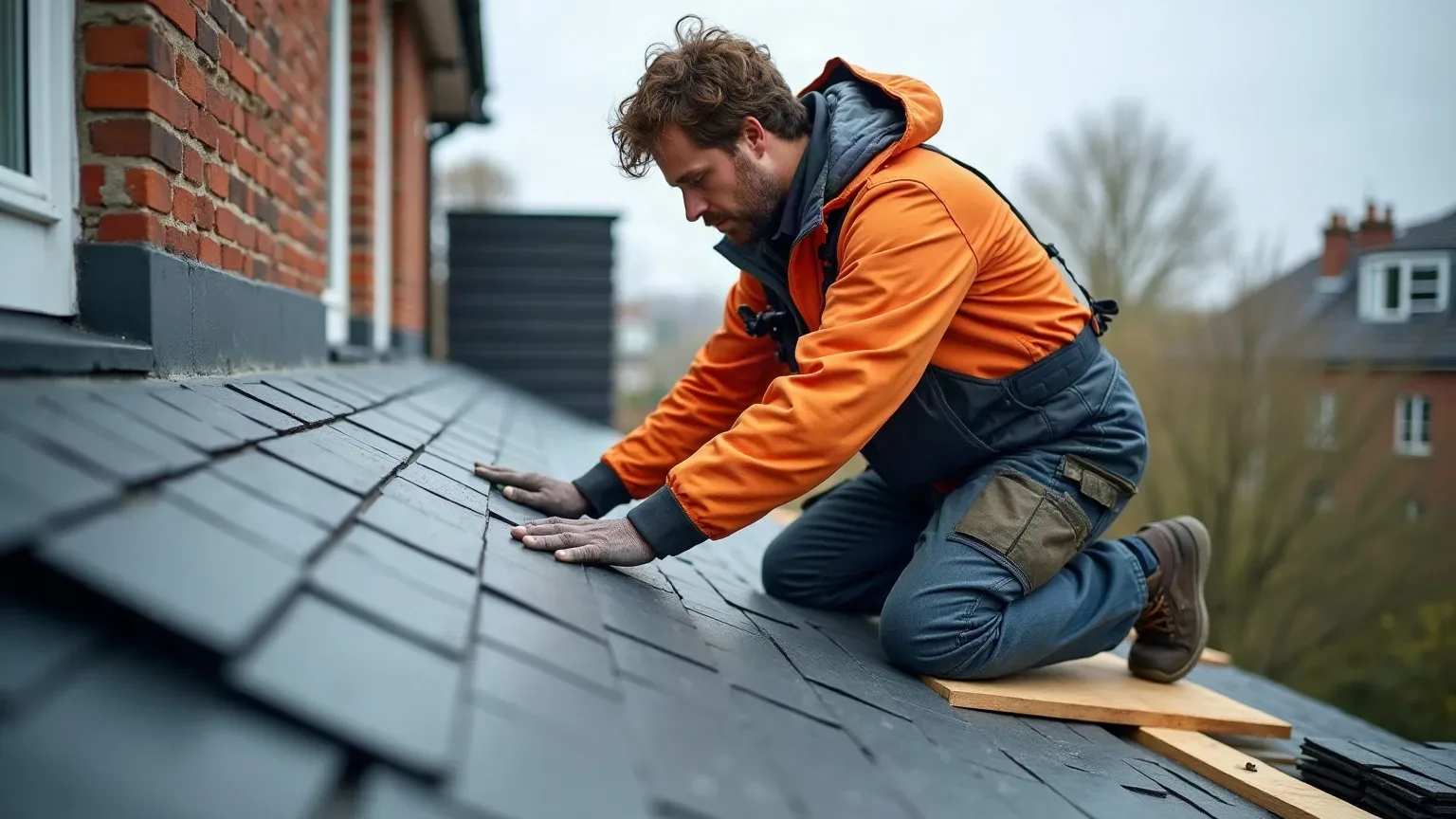
Slate roofs in Edinburgh face a particular combination of driving rain, freeze-thaw cycling, and persistent wind that modern underlay systems are specifically designed to handle. When re-roofing with slate, the underlay and insulation layers beneath the slates do more practical work than most homeowners realise. Choosing the right specification affects thermal performance, condensation control, and how long the roof performs before needing attention again.
Why Underlay Matters More Than You Might Think
The underlay acts as the secondary line of defence when wind-driven rain or snow penetrates between slates. On a pitched Edinburgh roof, that happens more often than on sheltered southern properties. Without a robust underlay, moisture reaches the roof deck, accelerates timber decay, and can work its way into the insulation layer, dramatically reducing its thermal value.
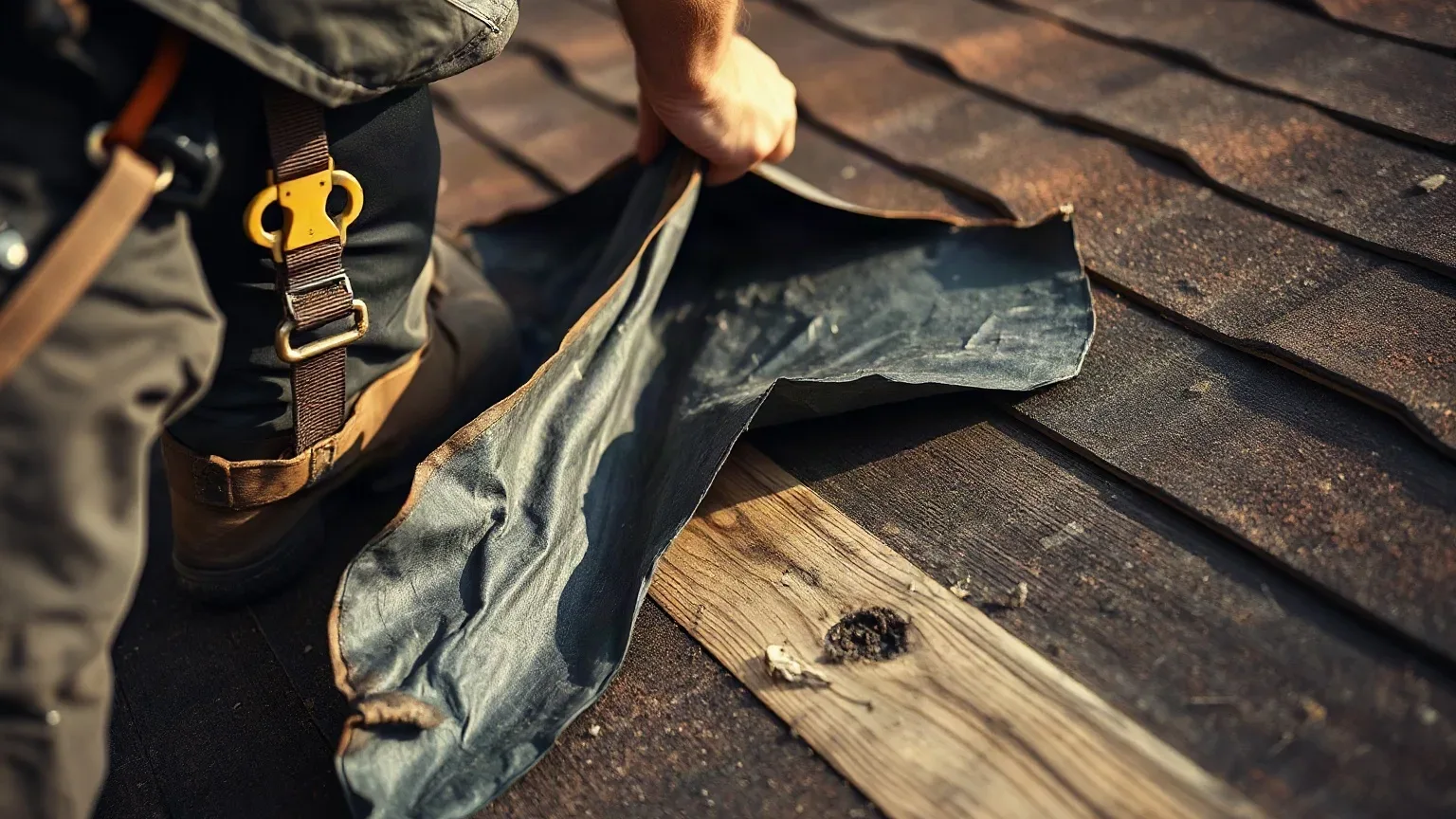
Traditional roofing felt, the black bitumen-based material, was the standard for decades. It does the job, but it is vapour-impermeable, meaning moisture from inside the building can become trapped in the roof structure. Condensation builds up, timbers stay damp, and rot follows over a ten-to-twenty-year horizon.
Breathable Membrane Underlays
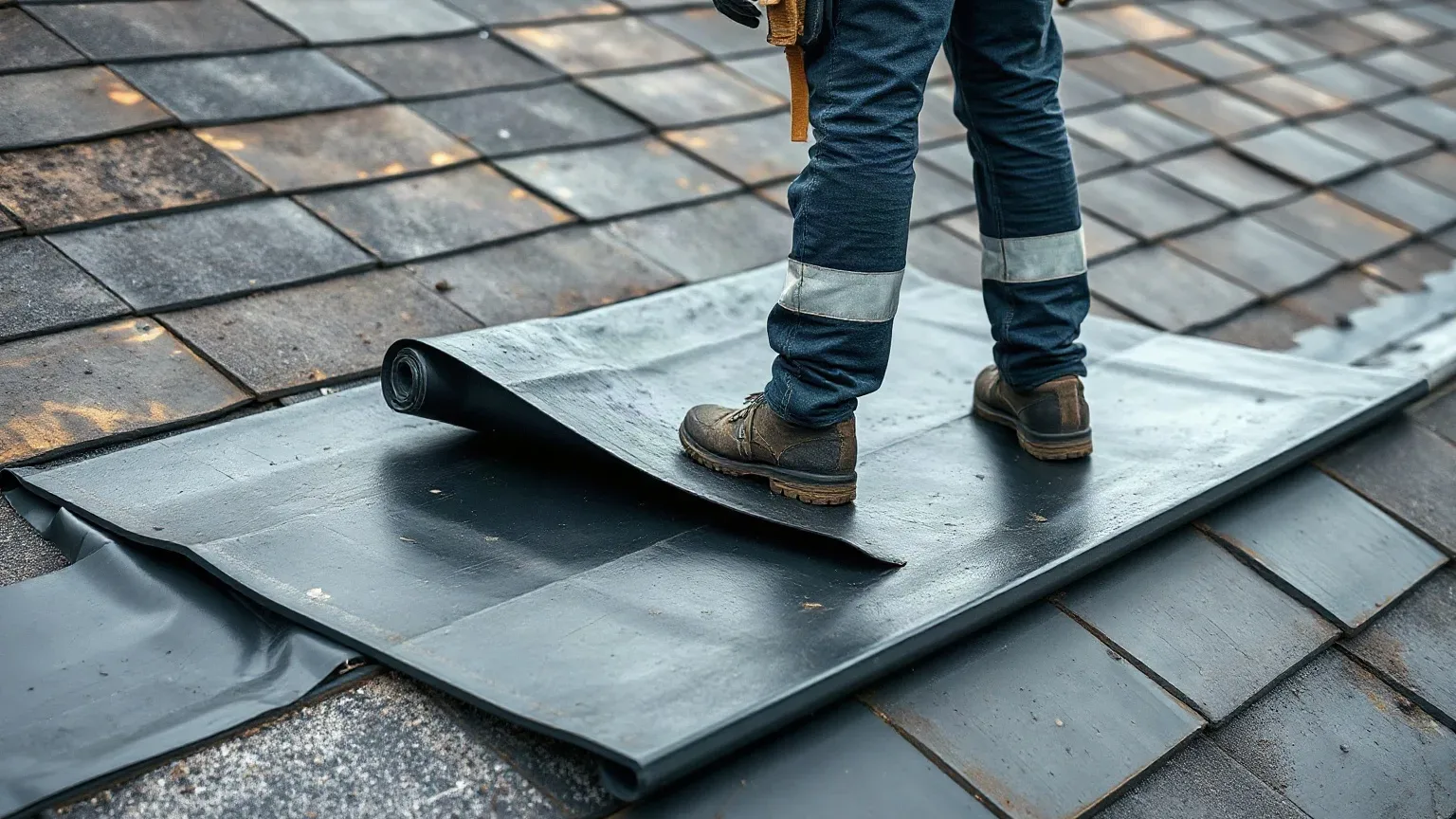
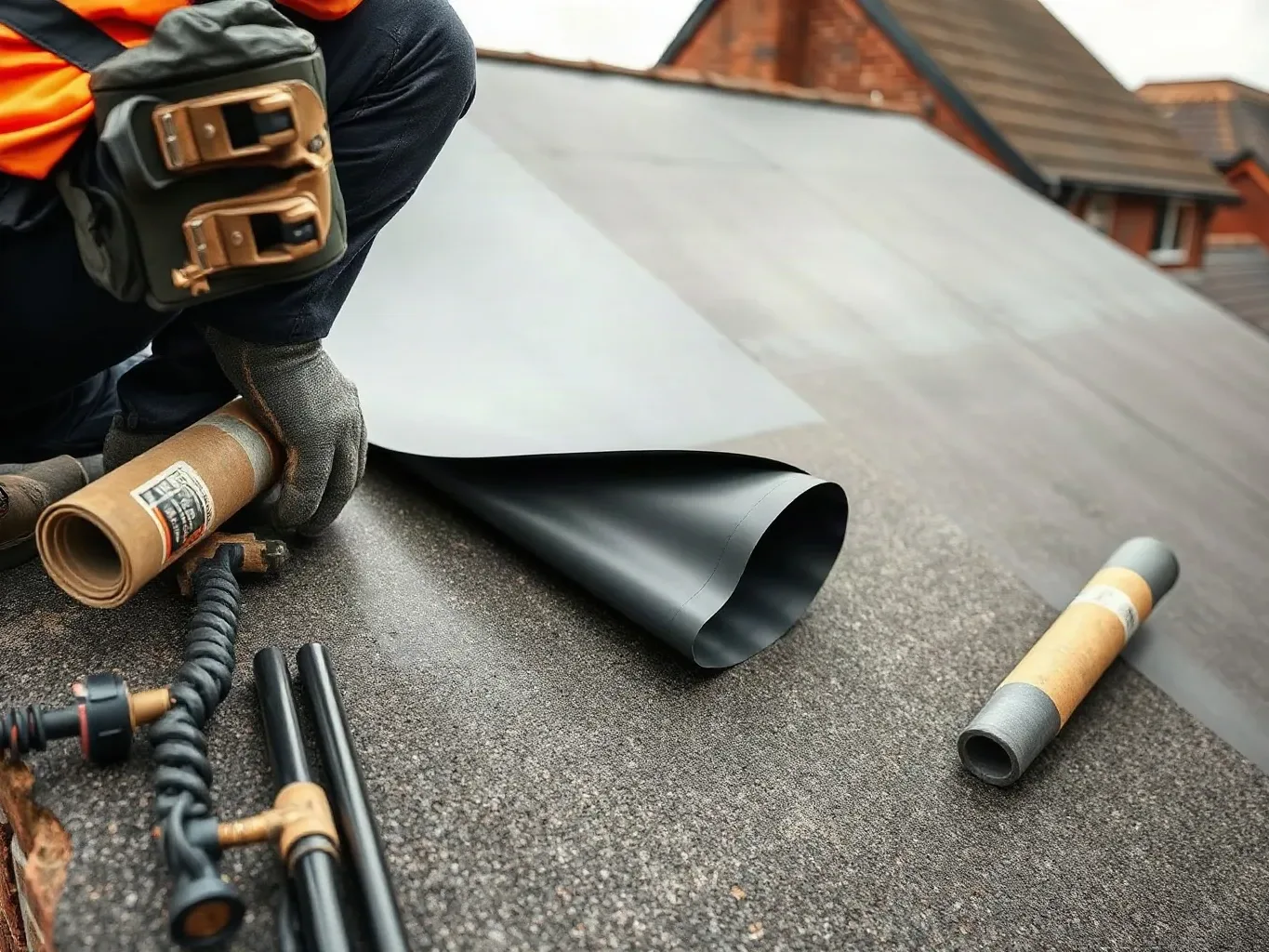
Breathable, or vapour-permeable, membranes have largely replaced traditional felt on new and replacement slate roofs. These are high-density polypropylene sheets that allow water vapour to migrate out of the roof structure while still blocking liquid water and wind. In Scottish Building Standards terms, they are the expected solution for cold roof constructions and are referenced in guidance for ventilated pitched roofs.
A quality breathable membrane specified to BS 4016 or EN 13859-1 provides measurable resistance to water penetration while maintaining vapour transmission. For Edinburgh properties, look for a membrane with a hydrostatic head rating above 1,000 mm and a Sd value (vapour resistance) below 0.1 m, which qualifies as highly breathable. Membranes from manufacturers such as Cromar, Klober, or Divoroll are commonly used by NFRC-registered contractors in the city.
Sarking Boards and Counter-Battens
Many Edinburgh properties, particularly sandstone terraces and semi-detached houses built before 1950, have sarking boards: close-boarded timber decking fixed across the rafters. Sarking provides additional rigidity and a secondary weathering layer, which is one reason older Edinburgh roofs performed adequately with basic felt. When re-roofing over sarking, the membrane is laid directly onto the boards, and a counter-batten is fixed over the membrane to create a small ventilation gap before the tiling battens go on. This detail prevents moisture from sitting against the membrane and encourages drying.
On roofs without sarking, the membrane spans between rafters unsupported, which requires a stiffer product to avoid draping and pooling. Your contractor should specify accordingly.
Slate Roof Underlay Specifications Edinburgh
The minimum specification for a re-roofed slate property in Edinburgh is a breathable membrane meeting BS EN 13859-1, with a hydrostatic head above 1,000 mm, installed over counter-battens to maintain a ventilated cavity. The Scottish Building Standards Technical Handbook (Section 3: Environment) sets out the requirements for moisture control in pitched roofs. Any NFRC-registered contractor working in Edinburgh should be familiar with these requirements and able to produce a compliant specification in writing before work begins.
For heritage properties, particularly those in the New Town or Marchmont conservation areas, local planning guidance may specify materials and methods that align with traditional construction. A pre-application conversation with Edinburgh City Council's planning department is worth doing before committing to a specification.
Best Underlay for Slate Roof Edinburgh
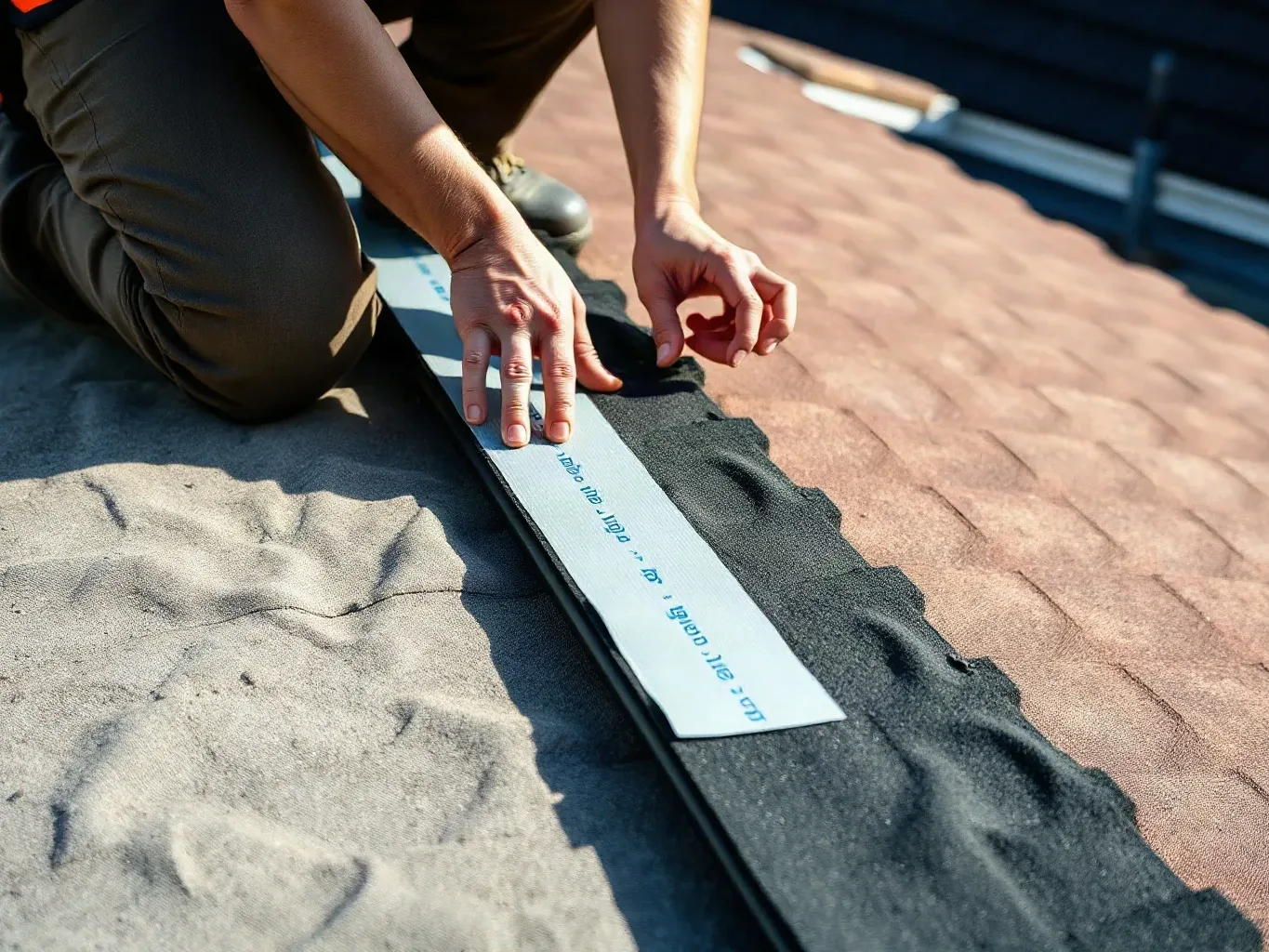
The best underlay for most slate roofs in Edinburgh is a high-performance breathable membrane such as the Klober Permo Air or Divoroll Universal SK, both of which offer very high vapour permeability, good wind uplift resistance, and self-adhesive lap tapes that prevent cold bridging at joints. These products are widely stocked by Edinburgh roofing merchants and are compatible with both Scottish and imported slate. They carry long manufacturer guarantees, often 25 years or more, which matters when you are re-roofing with natural slate rated to last 80–150 years.
Avoid specifying a membrane solely on price. A £20 saving per roll on a 50 m² roof section is meaningless if the membrane allows cold air infiltration at the laps or fails to maintain its Sd value once punctured by batten fixings. Insist on a product with a declared, tested performance rather than a generic supplier-branded roll.

Insulation Options for Slate Roofs
Insulation in a slated Edinburgh home usually sits in one of three positions: between the rafters, above the rafters, or a combination of both. The position changes the structural implications and the level of disruption involved.
Between-Rafter Insulation
Mineral wool batts or rigid insulation boards fitted between the rafters are the most accessible retrofit option. They leave a ventilated gap of at least 50 mm between the insulation surface and the underside of the membrane, allowing air to move from eaves to ridge. This keeps the timbers dry and prevents interstitial condensation. The limitation is that rafters act as thermal bridges, so the effective U-value of the roof is lower than the insulation board's stated figure.
Above-Rafter Insulation
Fitting rigid insulation above the rafter line, between the rafter and the membrane, produces a warm roof. There is no ventilated void, no thermal bridging through timbers, and no reduction in room height. This approach requires a thicker batten to accommodate the insulation layer and is best done at full re-roof stage rather than as a standalone retrofit. Kingspan Kooltherm or Recticel Eurothane boards are common choices.
A 100 mm board of PIR insulation can achieve a U-value close to 0.18 W/m²K, which meets current Building Regulations targets for Scotland.
A Note on Costs
Underlay is typically included in a full re-roofing quote rather than priced separately. For context, a full slate roof replacement on an Edinburgh semi-detached property runs from £6,000 to £15,000 depending on roof size, pitch, access, and material choice. Upgrading from standard felt to a premium breathable membrane adds a relatively small amount to that figure, generally under £300 for most domestic roofs, and is almost always the right decision.
A standard roof inspection costs £150–£300 and will tell you whether your existing underlay needs replacing before the slates fail. If your roof is 30 or more years old and still has original bitumen felt beneath the slates, that survey is a practical starting point.
Getting the Right Contractor in Edinburgh
Specifying a compliant underlay and insulation system is only as good as the installation behind it. Laps overlapped in the wrong direction, unsupported spans that pond water, or missing counter-battens all undermine even a premium product. Use an NFRC-registered contractor who can provide a written specification, a compliant installation method statement, and a clear materials schedule before signing anything.
Coverage spans all Edinburgh postcodes from EH1 through EH17 and the surrounding Lothians. Emergency callouts operate 24 hours a day, seven days a week, with a target response time of one to two hours within the city area. Call now to arrange a roof inspection or to discuss the right underlay specification for your slate re-roofing project.

Frequently Asked Questions
What Are the Slate Roof Underlay Specifications in Edinburgh?
Edinburgh properties re-roofed with slate should use a breathable membrane meeting BS EN 13859-1 with a hydrostatic head above 1,000 mm. Scottish Building Standards Section 3 requires moisture control measures in pitched roofs, which in practice means a vapour-permeable underlay installed over counter-battens to maintain a ventilated cavity between the membrane and the tiling battens.
What Is the Best Underlay for a Slate Roof in Edinburgh?
High-performance breathable membranes such as the Klober Permo Air or Divoroll Universal SK are widely regarded as the best options for Edinburgh slate roofs. Both offer very high vapour permeability, strong resistance to wind uplift, and self-adhesive lap tapes that seal joints reliably. They carry manufacturer guarantees of 25 years or more, which is appropriate when the slates themselves can last 80–150 years.
Can I Add Insulation When Re-roofing with Slate in Edinburgh Without Losing Room Height?
Yes. Above-rafter rigid insulation boards, such as PIR products from Kingspan or Recticel, sit between the rafter and the underlay and do not reduce internal room height. A 100 mm PIR board can achieve a U-value near 0.18 W/m²K, meeting current Scottish Building Regulations targets. This approach is most practical at full re-roof stage rather than as a separate retrofit.
Does a Breathable Membrane Underlay Make a Noticeable Difference to Energy Bills?
The underlay itself is not an insulator, so it does not directly cut heating bills. Its main benefit is moisture control: by allowing water vapour to escape the roof structure, it protects insulation from becoming damp and losing its thermal value. Wet insulation can perform 30–50% below its rated U-value, so keeping it dry with a breathable membrane has an indirect but real impact on thermal efficiency.
How Much Does It Cost to Re-roof with Slate and a Modern Underlay in Edinburgh?
A full slate roof replacement on an Edinburgh semi-detached property typically costs £6,000–£15,000, depending on roof area, pitch, access difficulty, and slate type. Upgrading from standard bitumen felt to a premium breathable membrane usually adds under £300 to the total for a typical domestic roof. A pre-work inspection, priced at £150–£300, will confirm whether the existing underlay needs replacing alongside the slates.