Chimney Stack Removal Edinburgh
Why Edinburgh Homeowners Remove Chimney Stacks
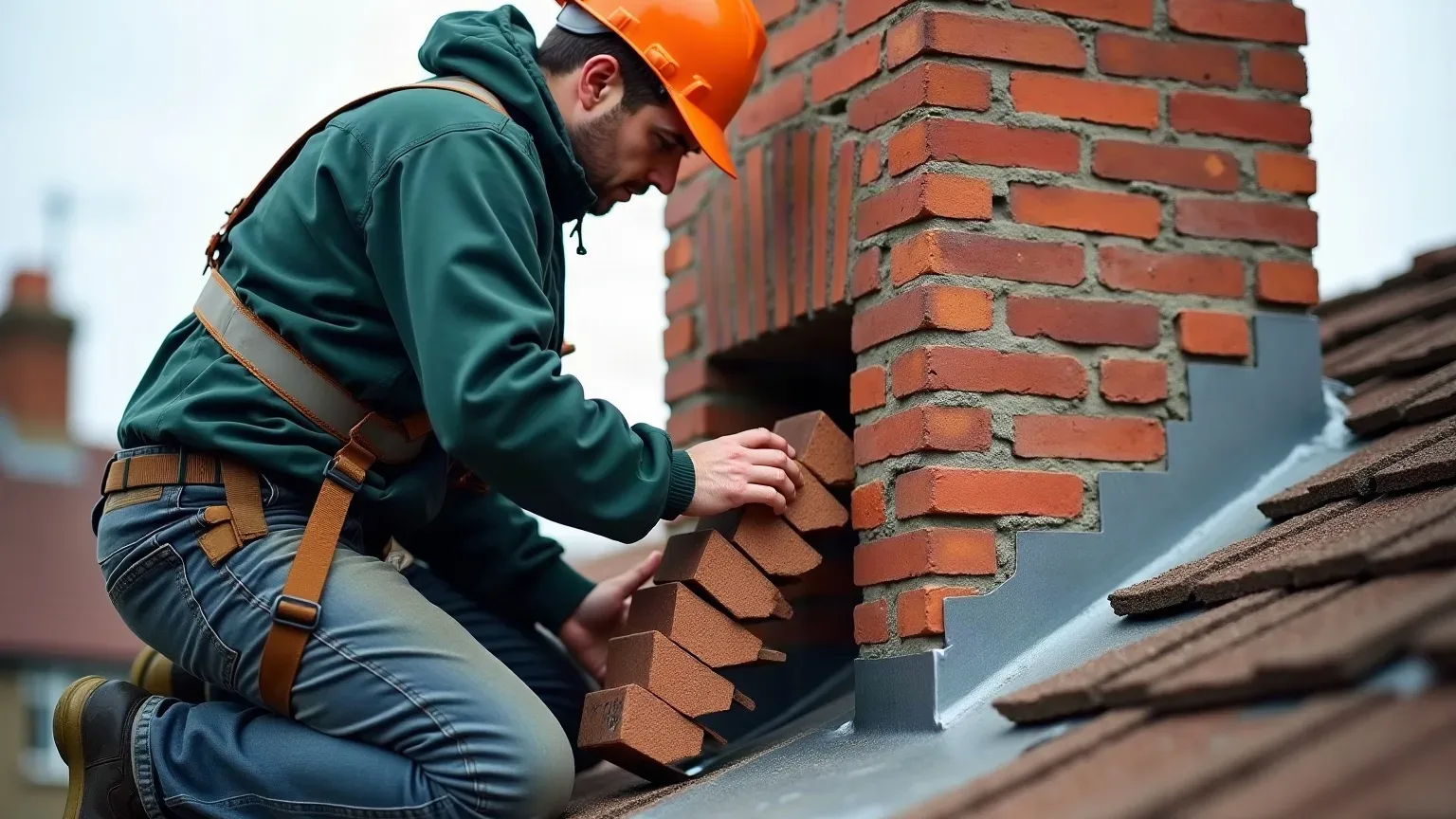
Most Edinburgh properties were built with working fires, and many still carry full chimney stacks that haven't served a functional fireplace in decades. When a stack is unused, it becomes a maintenance liability rather than an asset: pointing erodes, flashings fail, and water finds its way into the masonry. Full removal to below roofline is often the most cost-effective long-term decision for owners of Victorian and Edwardian terraces across Morningside, Marchmont, and Leith.
A redundant stack also adds dead weight to the roof structure. In older Edinburgh properties, where lime mortar and sandstone are already under pressure from the city's wet climate, that loading matters. Removing the stack eliminates ongoing repointing cycles and the risk of falling masonry.
What the Job Involves
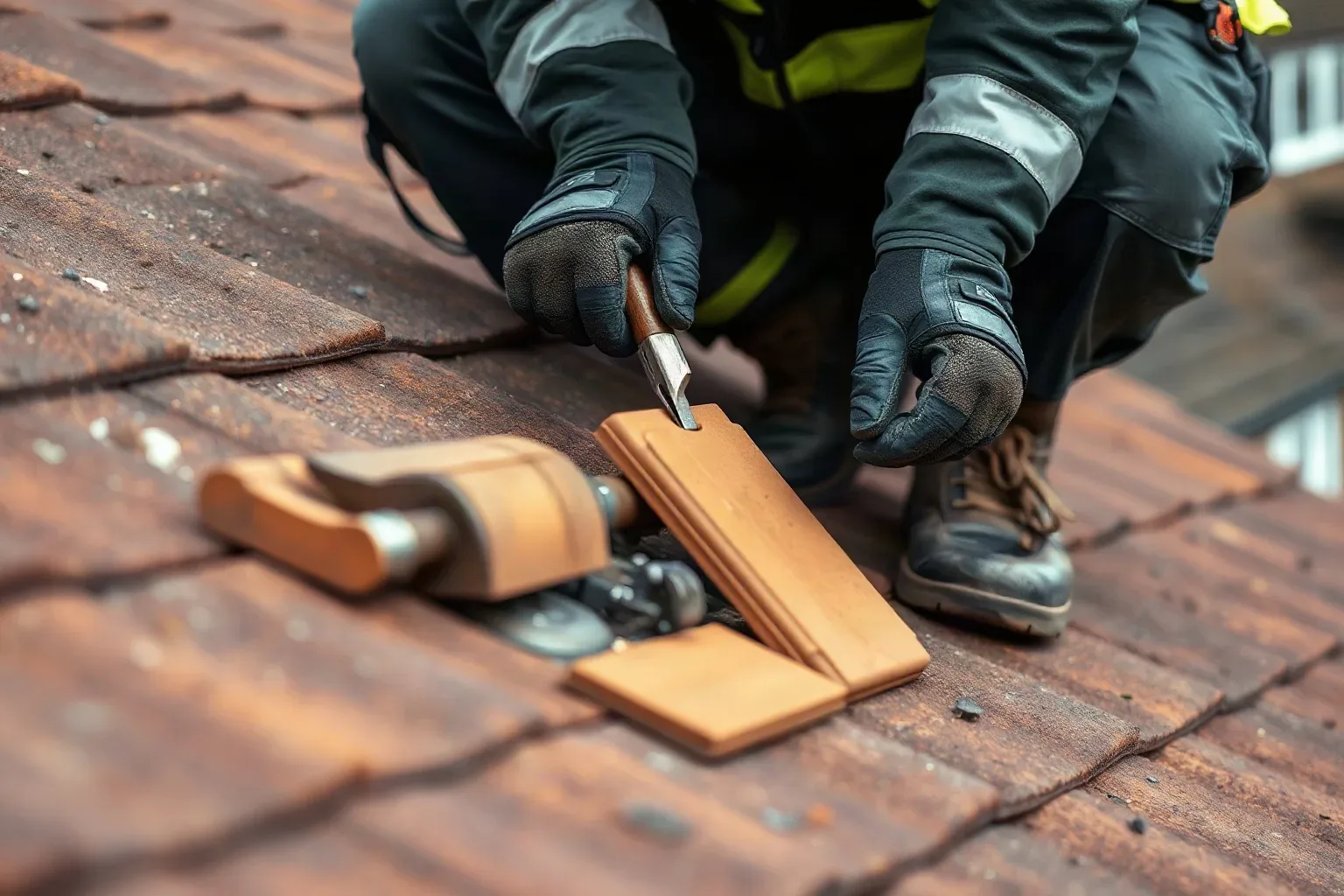
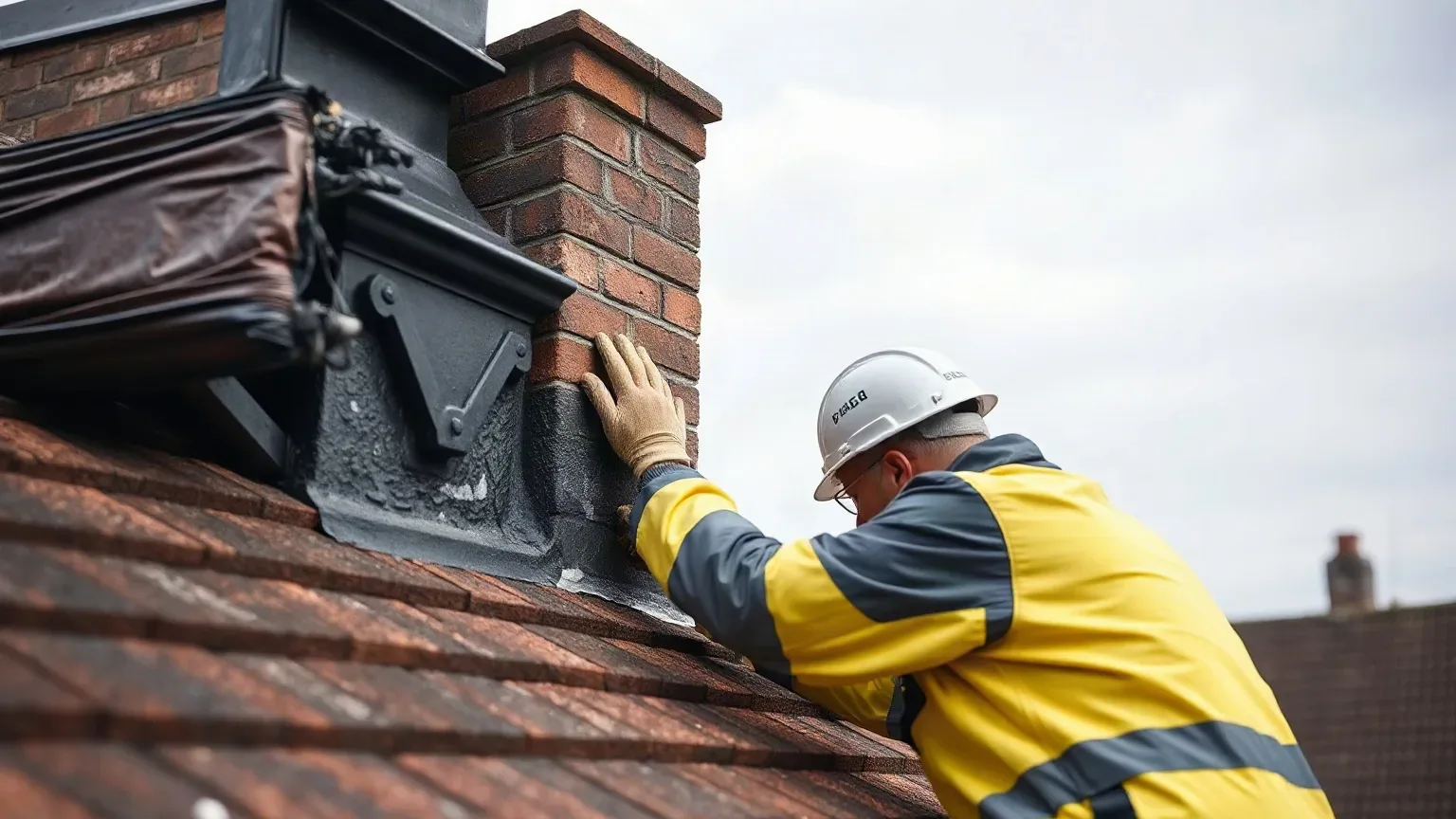
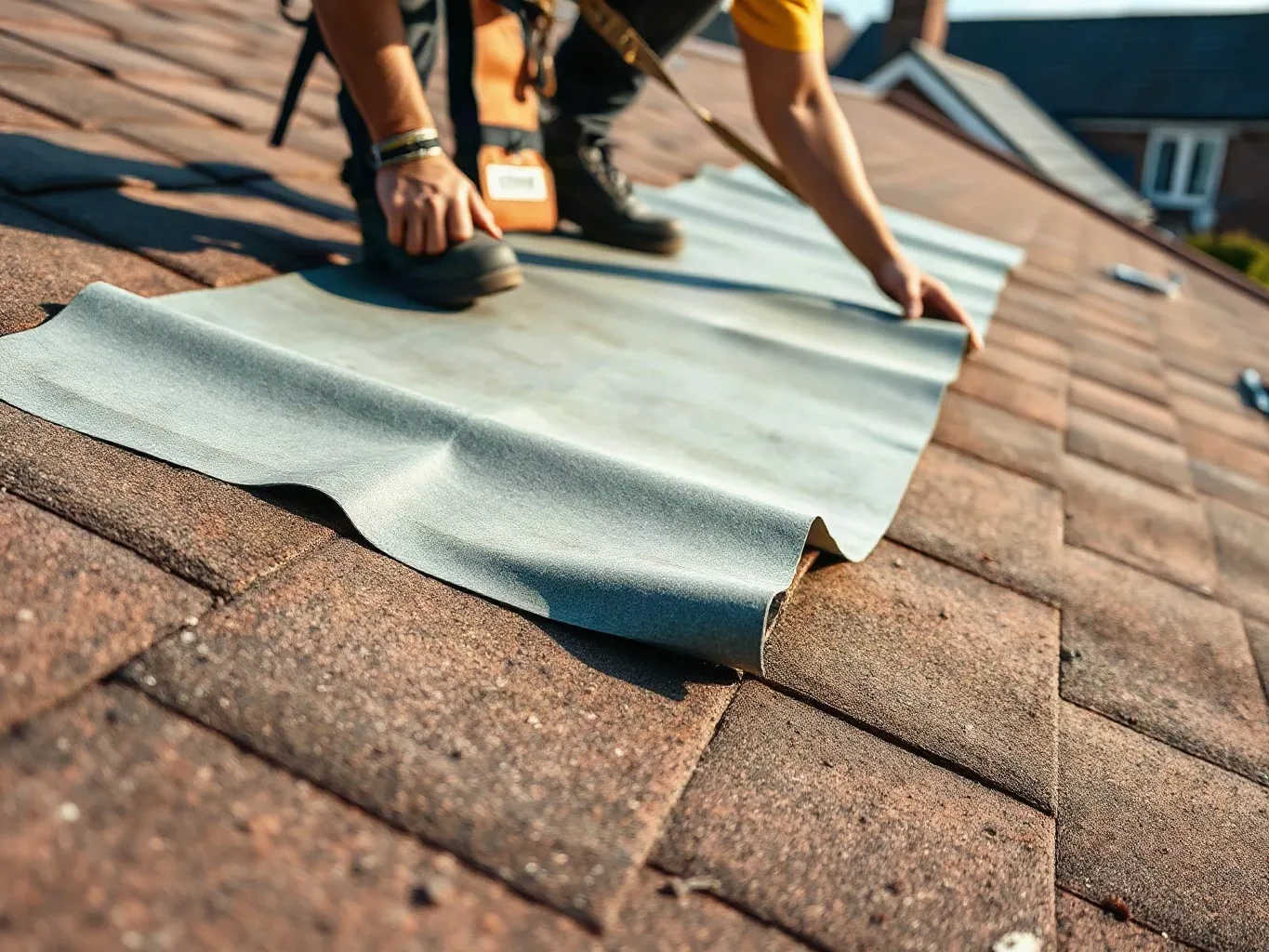
Stack removal is a structural and roofing task combined. The stonework or brickwork is carefully dismantled from the pot down to just below the roofline, which protects the roof structure from unnecessary disturbance. Once the stack is gone, the roofer makes good the covering, typically by cutting in new slates or tiles to match the existing roof, and installs new felt and battens in the affected area.
Flashings around the former stack base are removed and the roof surface is sealed. If the chimney breast was also removed internally, the structural implications are handled separately by a builder or structural engineer before roofwork begins. A good roofer will confirm the scope of their work clearly so nothing falls between trades.
Access and Scaffolding
Safe chimney removal in Edinburgh almost always requires scaffolding. The stacks on four-storey tenements in Newington or Stockbridge sit well above the ridge, and working from a ladder is neither safe nor practical at that height. Scaffolding adds to the overall project cost but is non-negotiable where safe access cannot be achieved otherwise. Your contractor should include scaffold hire and erection in their quote rather than listing it as a surprise addition.
Making Good the Roof
Matching existing Scottish slate is one of the more demanding aspects of the job in Edinburgh. Reclaimed Ballachulish or Caithness slate is sometimes available from salvage yards, but supply is not guaranteed. An experienced local roofer will know where to source matching material, or will give you an honest assessment of where a close-match alternative is the practical option.
Chimney Stack Removal Cost Edinburgh
Full chimney stack removal, from pot to below roofline including making good the roof covering, typically costs £1,000–£3,000 in Edinburgh. That range reflects the variables that genuinely move the price: stack height, number of storeys, scaffold requirement, the complexity of the roof covering, and whether any listed building consent is needed.
A single-storey extension stack on a bungalow in Corstorphine sits at the lower end. A tall Victorian stack on a tenement in Bruntsfield, requiring significant scaffold and reclaimed slate sourcing, will sit nearer the upper figure. Getting two or three quotes from NFRC-registered or equivalent approved contractors gives you an honest market view before committing.
When Listed Building Consent Applies
Edinburgh's conservation areas cover a substantial portion of the city, and many properties in areas such as the New Town, Morningside, and Stockbridge are listed. Removing a chimney stack from a listed building, or a building in a conservation area, may require planning permission or listed building consent from the City of Edinburgh Council. Your contractor should flag this at the survey stage, but it is worth confirming independently if your property is on the statutory list or within a designated area.
Consent adds time to the programme and may add professional fees, but proceeding without it carries enforcement risk. A reputable contractor will not begin structural work on a listed property without the correct permissions in place.

Render Chimney Stack Edinburgh
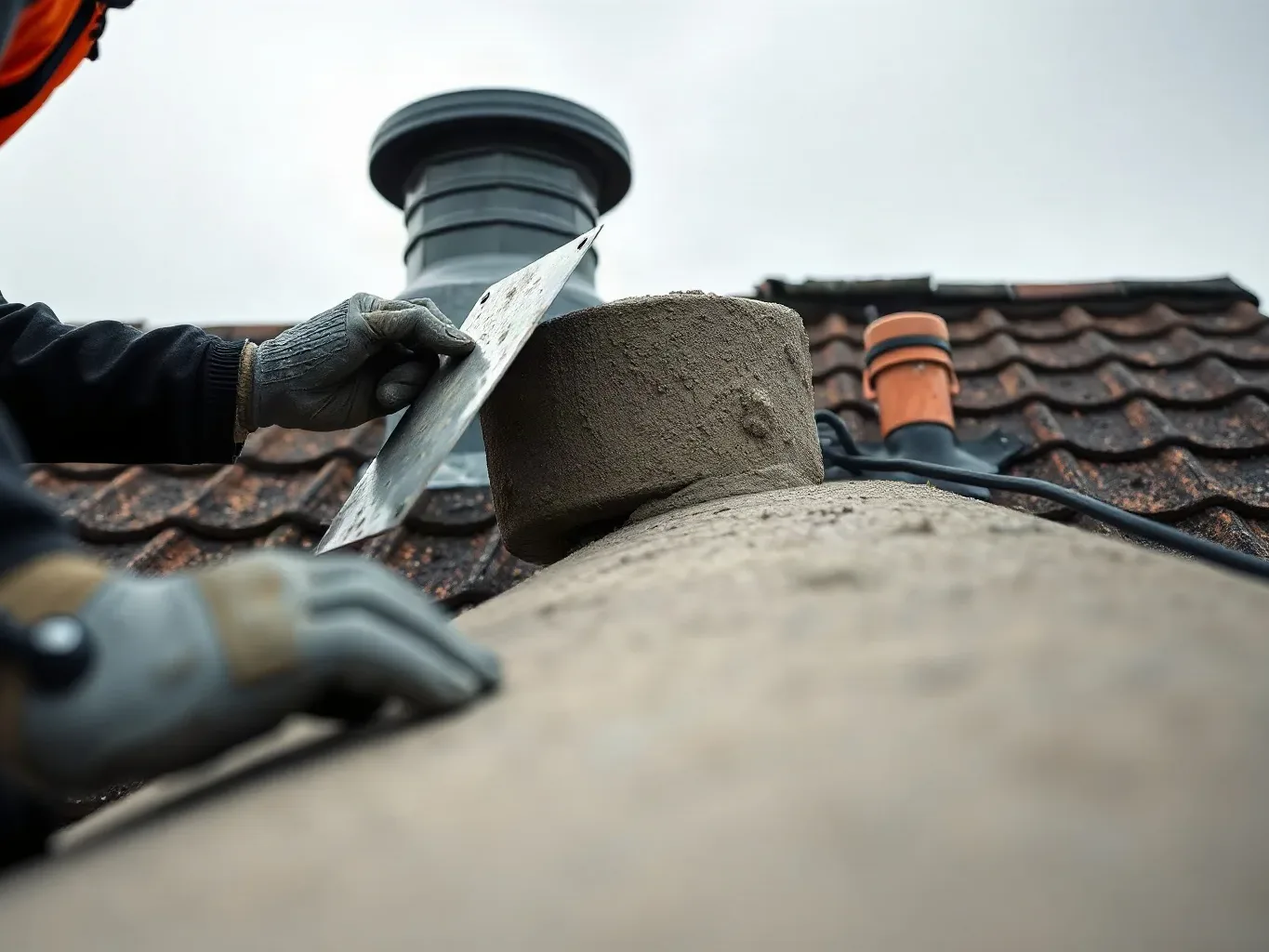
Rendering a chimney stack is an alternative to removal when the stack is structurally sound but the masonry surface is deteriorating. Sand-and-cement or lime render applied to a chimney stack can arrest surface erosion and improve weatherproofing without the cost or disruption of full removal. The render must be matched to the underlying masonry: hard cement render on a lime-built stack traps moisture and accelerates decay rather than preventing it.
In conservation areas, render may require approval because it changes the external appearance of the building. A roofer or conservation surveyor can advise whether render is appropriate and what specification is correct for the stack's age and construction.
Cap Chimney Stack Edinburgh
Capping a chimney stack means fitting a cover over the pot or the flue opening to prevent water ingress without removing the structure. It is a low-cost option, typically involving a proprietary cap or a mortar flaunch over a decommissioned pot, and it suits situations where the stack is structurally sound and the owner wants to preserve the external appearance of the property.
Capping alone does not address deteriorating pointing or failed flashings. If those problems exist, capping extends the stack's life only marginally. Think of it as a maintenance measure rather than a solution to structural decline.
Remove Chimney Stack Edinburgh - What to Expect from Your Roofer
A professional chimney stack removal starts with a site visit and written quotation. The roofer should assess scaffold requirements, identify any planning constraints, and specify how the roof will be made good. An approximate programme should also be provided: most single-stack removals on a domestic property in Edinburgh take one to three days once scaffold is in place.
Your contractor should carry appropriate public liability insurance and be able to provide evidence of it. NFRC-registered or equivalent approved roofing contractors meet a recognised standard for domestic roofwork in Scotland. Ask for the registration number and verify it before work begins.
What Happens After the Stack Is Gone
Once the stack is removed and the roof is made good, the internal chimney breast may be left in place or removed separately as part of a broader renovation. The unused flue void in any remaining chimney breast should be ventilated at low and high level to prevent condensation and damp from building up inside the wall. A builder or contractor familiar with older Edinburgh properties will know the correct approach for the specific construction.
The completed roofwork should be watertight and visually consistent with the surrounding roof surface. Any new slates should be fixed with copper or stainless nails appropriate to the exposure conditions in Edinburgh's maritime climate. A short written warranty from the contractor covering the completed repairs is reasonable to request.
Get a Quote for Chimney Stack Removal in Edinburgh
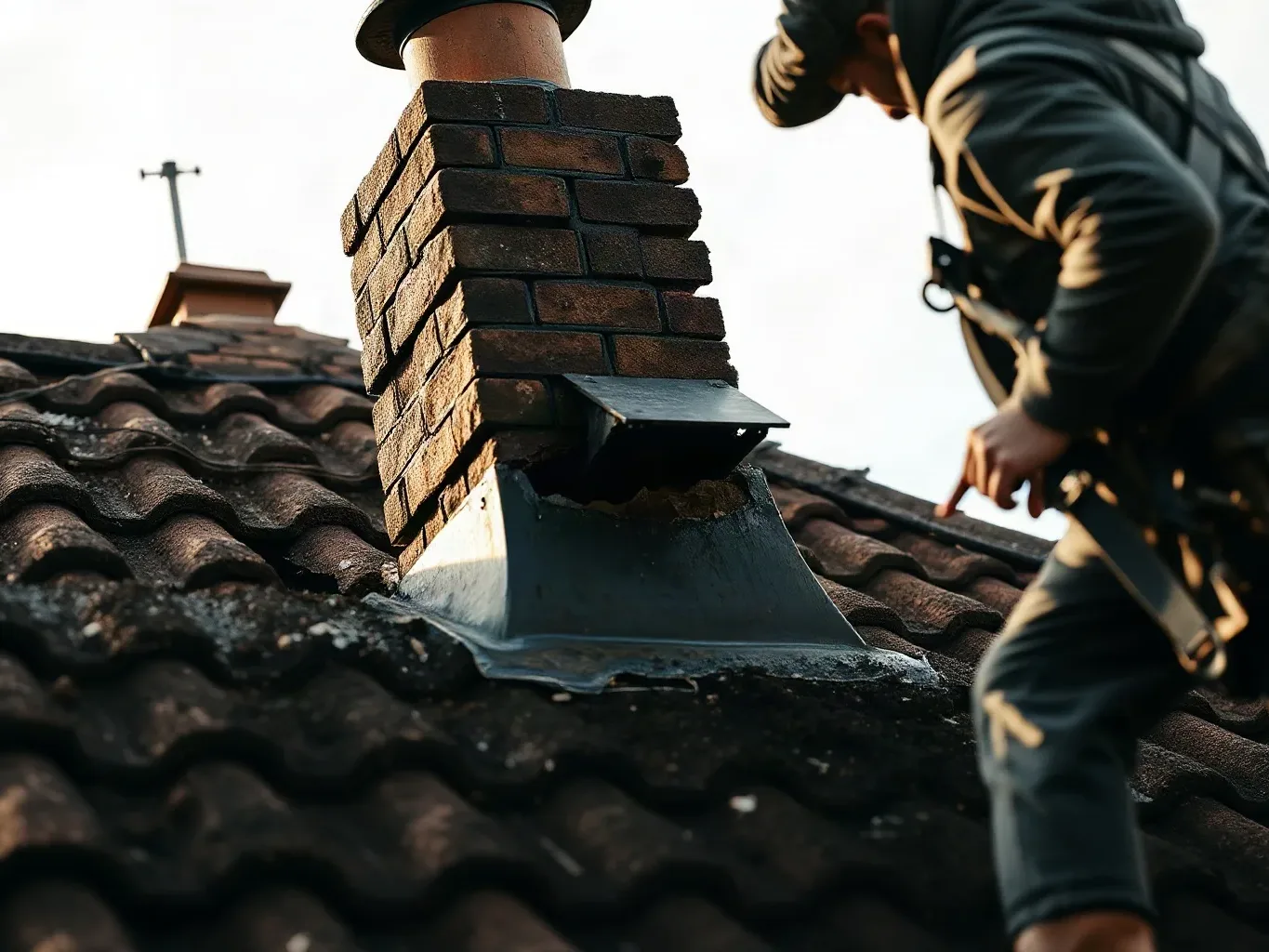
If you have a redundant chimney stack and want it assessed or removed, the practical next step is a site visit from a qualified local roofer. Coverage extends across all Edinburgh postcodes from EH1 to EH17 and into the surrounding Lothians. Emergency appointments are available around the clock where a failing stack presents an immediate hazard.
Call now or use the contact form to arrange a free assessment. Bring your property's listing status or conservation area designation to the conversation if you already know it, and the contractor can factor consent requirements into the programme from the outset.
Frequently Asked Questions
Chimney Stack Removal Cost Edinburgh
Full chimney stack removal in Edinburgh, including dismantling to below roofline and making good the roof covering, typically costs £1,000–£3,000. The final price depends on stack height, scaffold requirements, the complexity of the roof covering, and whether listed building consent is needed. Properties in conservation areas or on the statutory list may incur additional professional fees for planning consent.
Remove Chimney Stack Edinburgh
Chimney stack removal in Edinburgh involves dismantling the stack from the pot down to just below roofline, then cutting in new slates or tiles to match the existing roof and sealing all flashings. Scaffolding is required in most cases. The job typically takes one to three days once access is in place. Always use an NFRC-registered or equivalent approved contractor and confirm they carry adequate public liability insurance.
Render Chimney Stack Edinburgh
Rendering a chimney stack is a viable alternative to removal when the structure is sound but the masonry surface is weathering badly. Lime render is usually correct for older Edinburgh properties built with lime mortar, as hard cement render can trap moisture and worsen decay. In conservation areas, rendering may require planning approval because it changes the external appearance of the building.
Cap Chimney Stack Edinburgh
Capping seals the flue opening with a proprietary cap or mortar flaunch over a decommissioned pot to stop water entering the stack. It preserves the external appearance of the property and costs significantly less than full removal. However, capping does not address deteriorating pointing or failed flashings, so it is a maintenance measure rather than a long-term solution where the masonry is in poor condition.
Do I Need Planning Permission to Remove a Chimney Stack in Edinburgh?
Planning permission or listed building consent may be required if your property is in one of Edinburgh's conservation areas, such as the New Town or Morningside, or if it is a listed building. Removing a chimney stack changes the external appearance of the building, which triggers the need for consent in those situations. Always check with the City of Edinburgh Council before work begins, and use a contractor who will identify this requirement at the survey stage.