Factors That Affect Roof Repair Prices in Edinburgh
Roof repair prices in Edinburgh vary considerably depending on materials, access, and the extent of damage found once work begins. A single slate replacement sits in the £150–£400 range, while a full roof replacement on an average Edinburgh semi-detached typically runs £6,000–£15,000. Understanding what drives those numbers helps you ask better questions and avoid surprises when quotes arrive.
Roof Type and Material
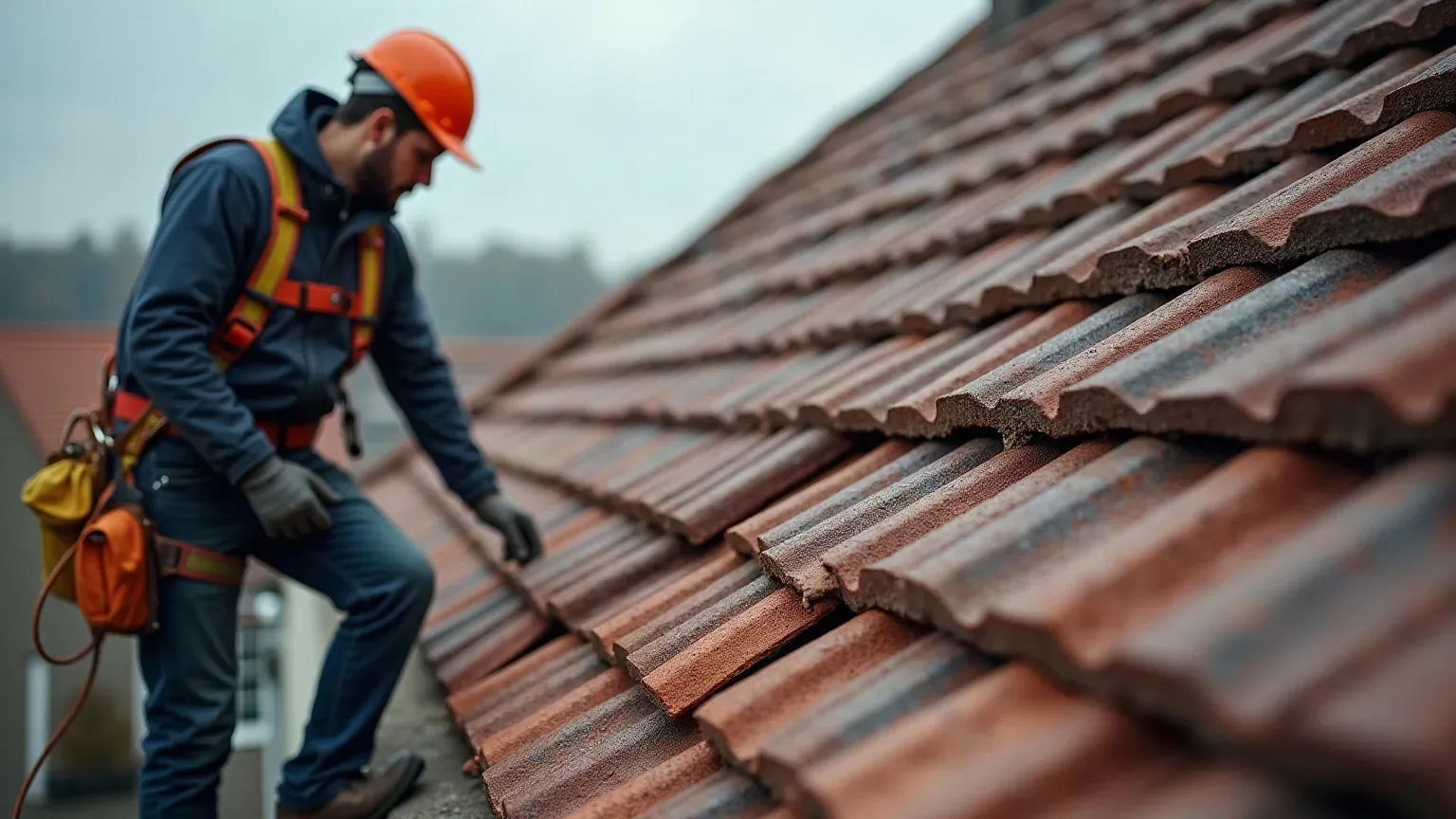
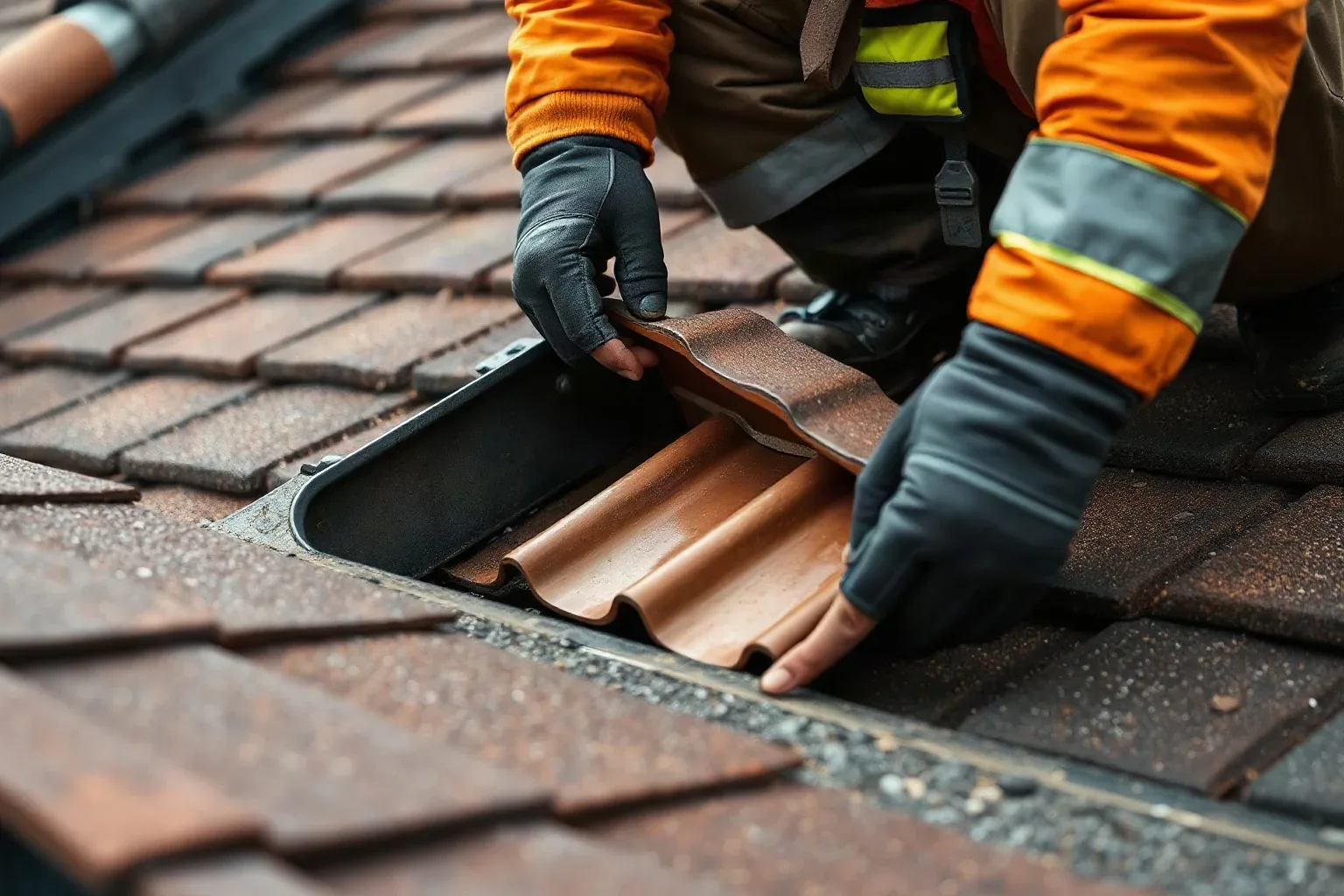
The material covering your roof is the most immediate cost driver. Scottish slate, found on a large proportion of Edinburgh's Victorian and Edwardian stock, is a durable material with a lifespan of 80–150 years, but sourcing matching slates for a repair takes skill and the right supplier contacts. Imported Spanish slate costs less per unit but typically lasts 50–80 years and may not match the profile of existing Scottish slate closely enough for conservation-sensitive properties.
Flat roofs introduce their own pricing tier. Felt systems sit at the lower end of the replacement range at around £50 per m², while EPDM rubber and GRP fibreglass systems run closer to £80–£120 per m². The system you choose affects not just the upfront price but how long before you pay again: felt lasts 10–20 years, EPDM 25–50 years, and GRP fibreglass 25–40 years.
Roof Pitch and Property Height
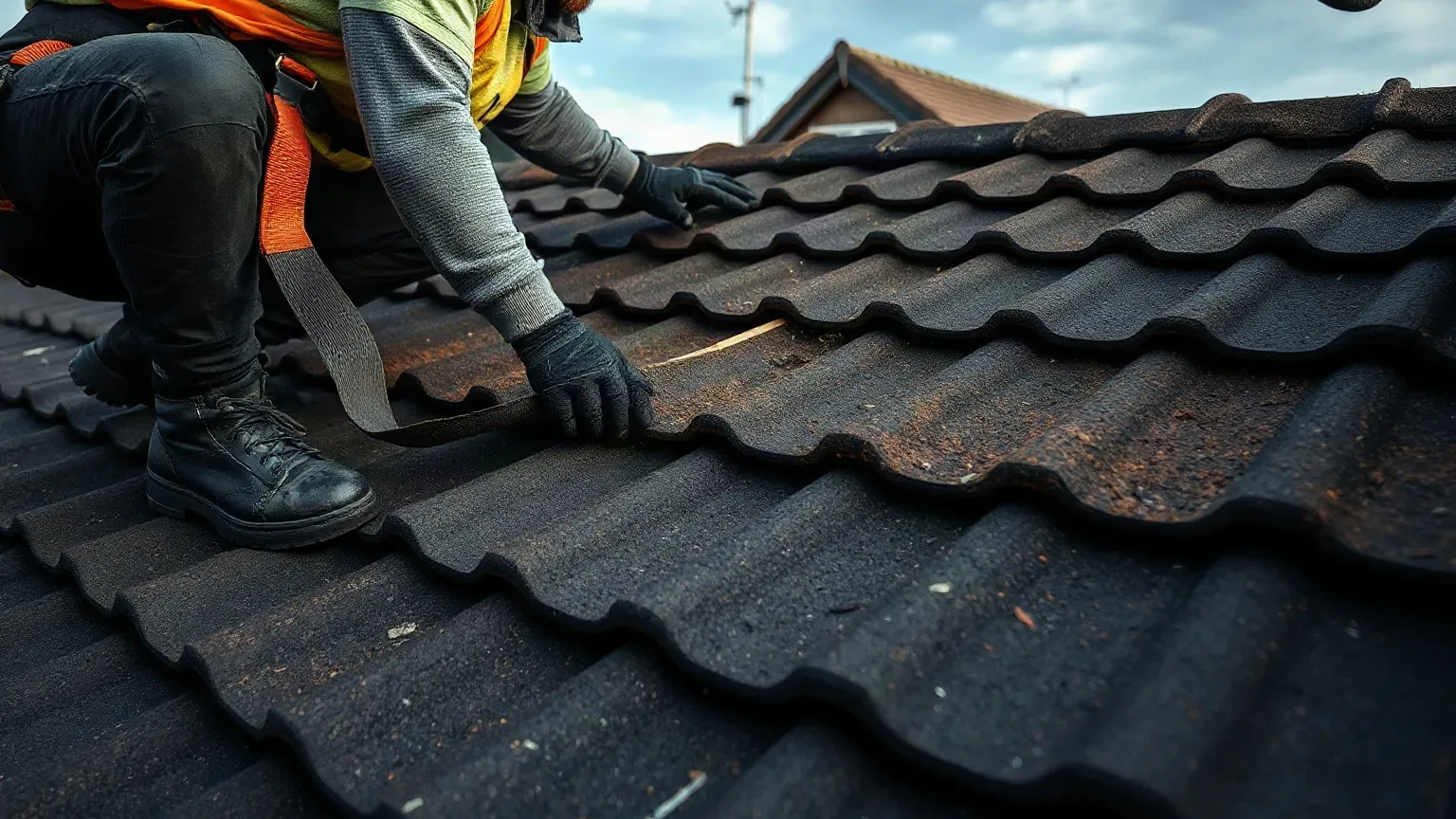
A steeply pitched roof takes longer to work on safely, and time translates directly into labour cost. Many Edinburgh properties, particularly tenement flats and tall Georgian townhouses, present access challenges that require scaffolding rather than a simple ladder. That access requirement adds cost before a single slate is touched.
Properties with complex geometry, such as multiple roof planes, dormers, or chimneys in close proximity, require more time to move around safely. Contractors factor that risk and time into their pricing, so a repair that looks minor from street level may carry higher labour costs than a similar repair on a single-storey extension.
Extent of Damage and Hidden Work
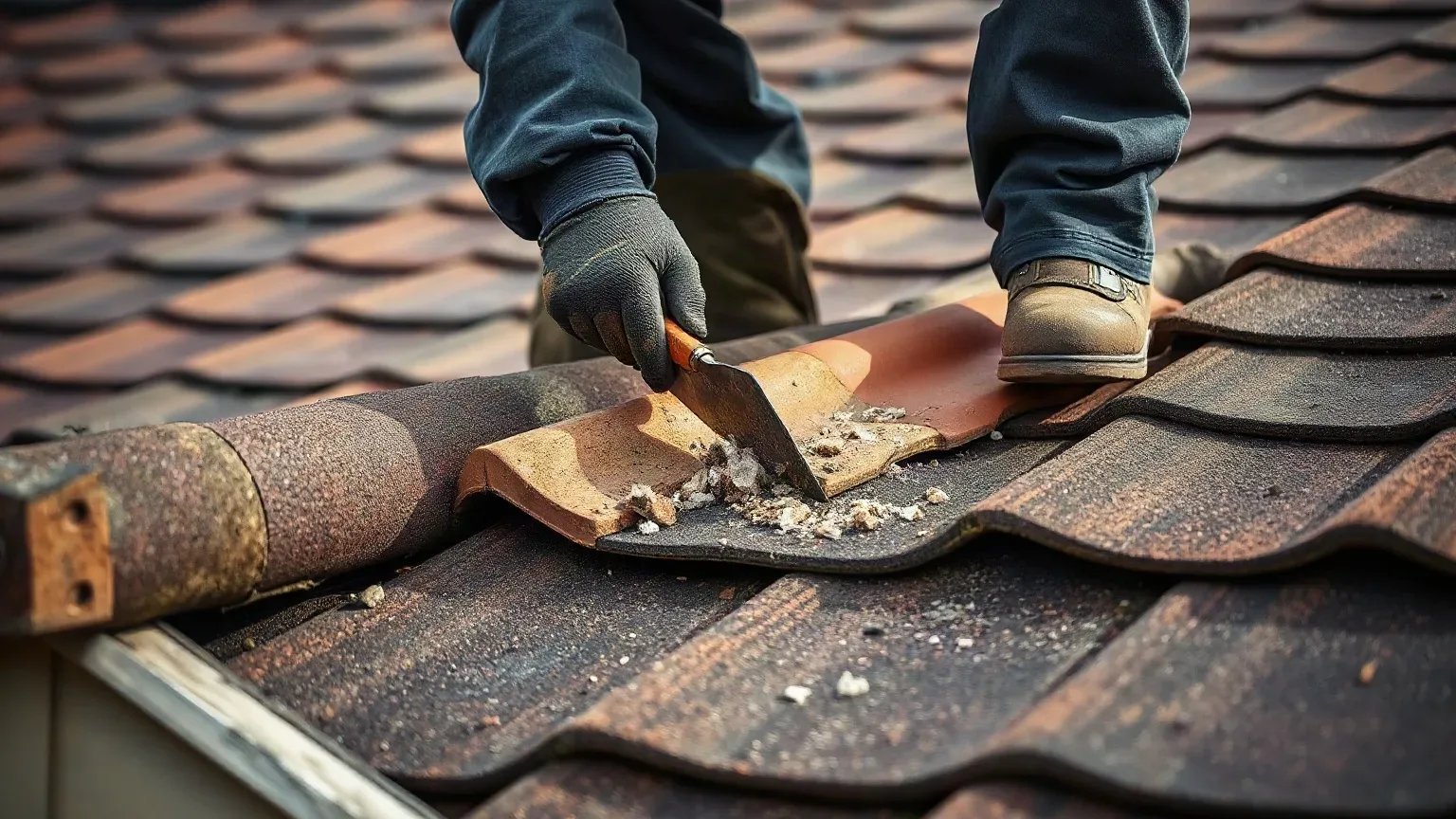
The headline repair often reveals secondary problems once the covering is lifted. Damaged sarking boards underneath slates, deteriorated felt, or rotten timber at the ridge all extend the scope of work beyond what was visible at inspection. Contractors can only price what they can see before opening up the roof, which is why written quotes sometimes include provisional allowances for underlying conditions.
Water ingress that has been present for months compounds this issue. Moisture tracking along joists or sitting in insulation creates secondary damage that needs addressing alongside the roofline repair itself. Catching problems early, after the first sign of a stain on a ceiling rather than waiting for plaster to fall, tends to keep total costs lower.
Location Within Edinburgh and Access Logistics
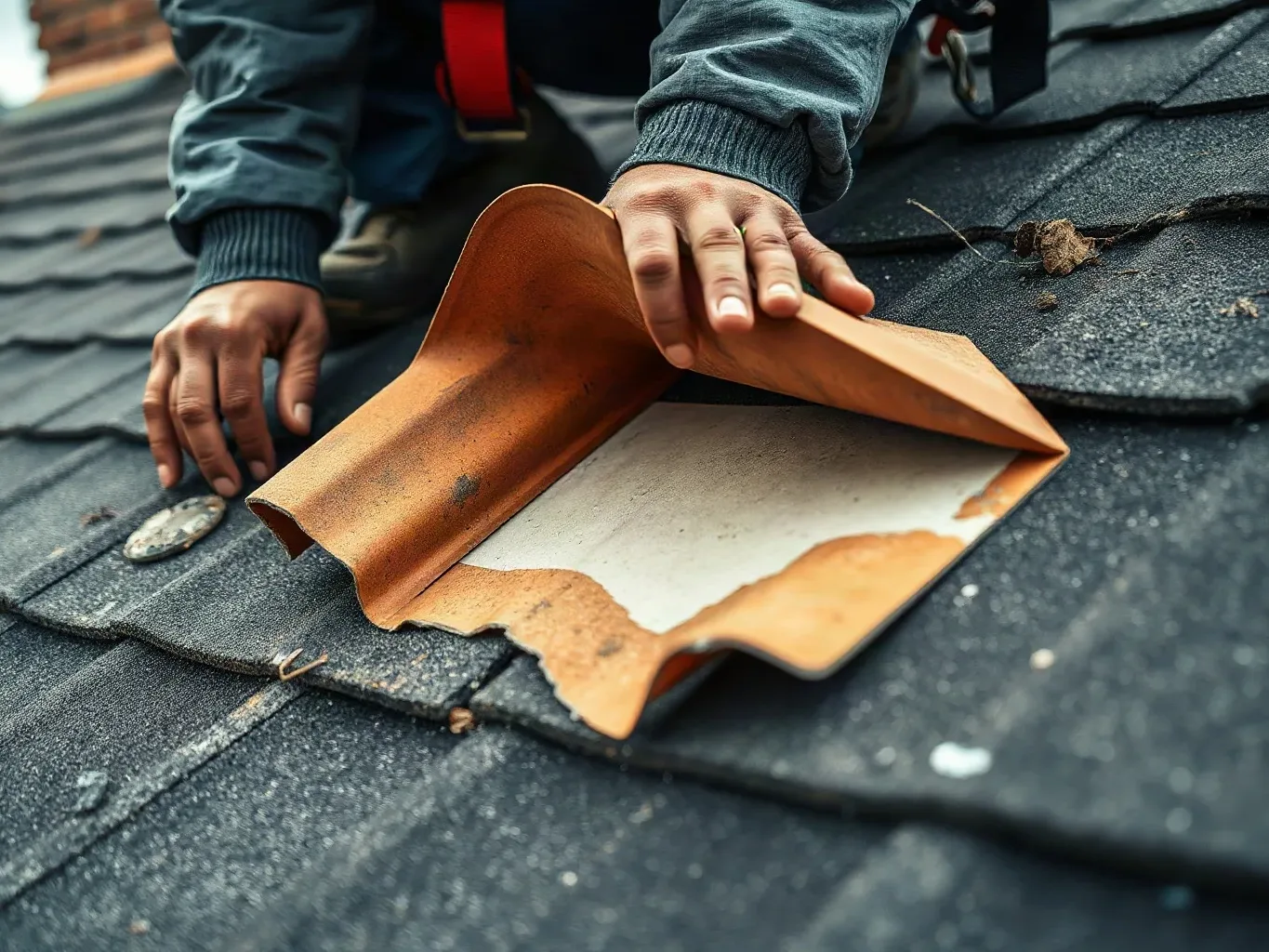
Properties in the city centre, the New Town, or Stockbridge often sit within conservation areas or close to public pavements, which can require additional permits or traffic management for scaffolding erection. That administration adds cost and sometimes delays the start date. Properties in Morningside, Corstorphine, or the outer Lothians tend to present fewer access complications, though travel time from the contractor's base affects callout pricing.
Parking restrictions around EH1–EH4 postcodes mean materials deliveries sometimes require a permit or a timed delivery window. Contractors familiar with Edinburgh's permit requirements build that coordination into their process; those who are not may encounter delays that extend hire periods and add cost.
Chimney and Flashings Work
Chimney repairs are priced separately from general roof work because they involve a different set of risks and access requirements. Repointing a chimney stack runs £300–£800 depending on stack height, mortar condition, and the amount of access equipment needed. A full chimney stack removal to below roofline, including making good the roof covering, typically costs £1,000–£3,000.
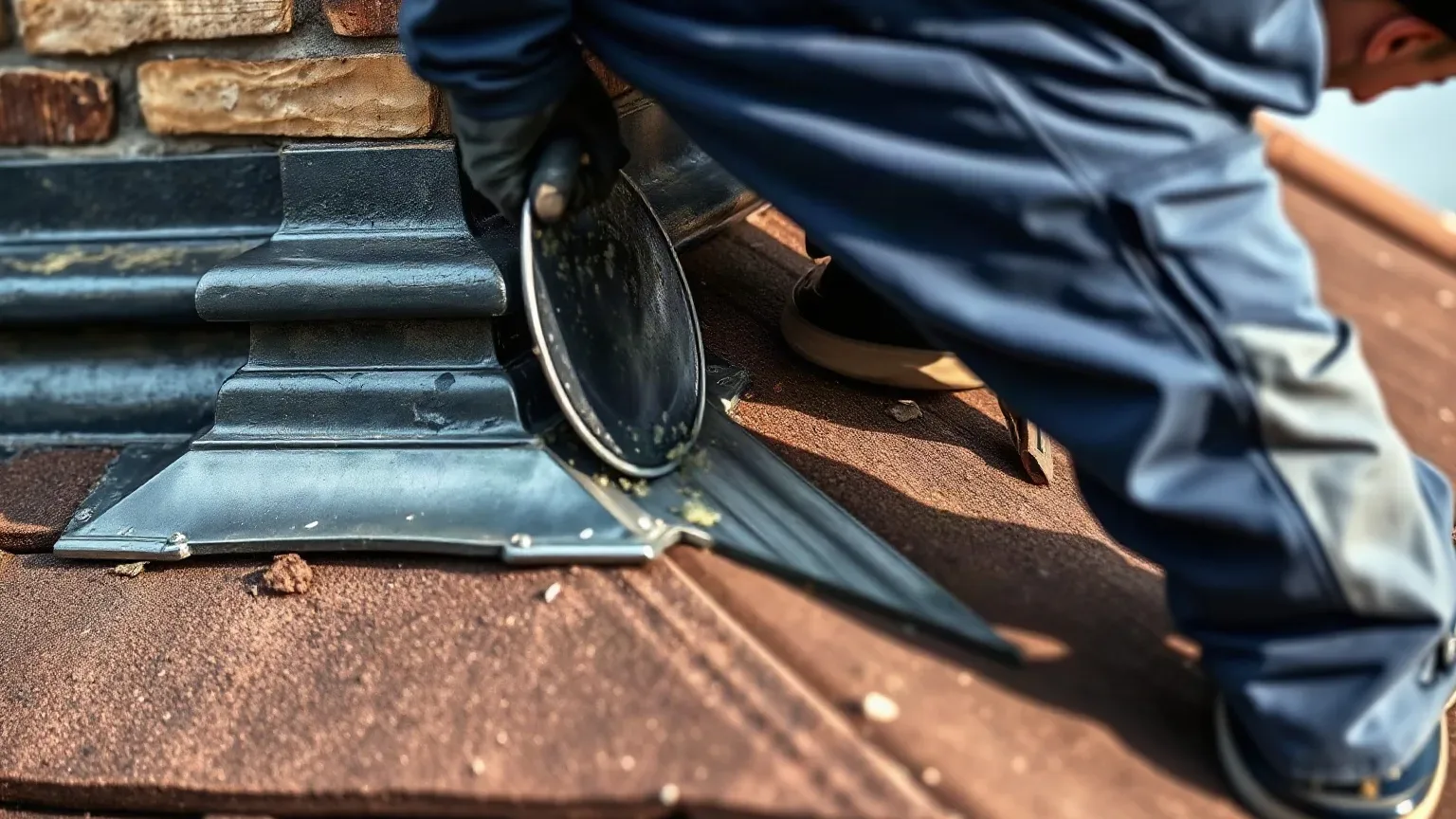
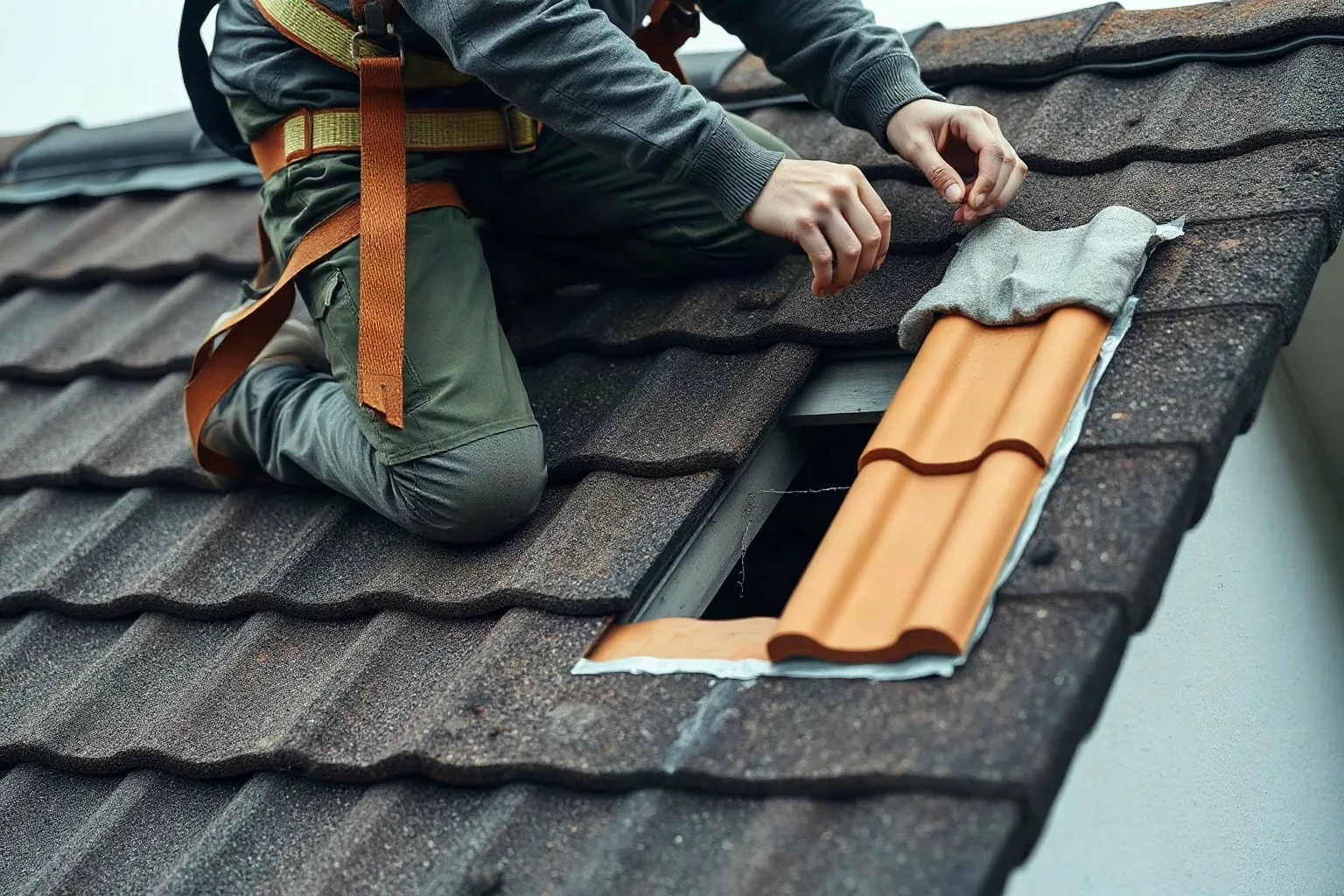
Flashings, the lead or aluminium strips sealing the joint between a chimney or dormer and the roof surface, are a common failure point in Edinburgh's climate. Replacing or re-dressing flashings is usually quoted as part of a wider chimney job rather than in isolation, but it adds to the total even when the main stonework is sound.
Emergency Work vs Planned Repairs
An emergency callout after storm damage carries a different price structure from a planned repair booked in advance. Standard weekday callouts typically attract a charge of £60–£120 before labour begins. Out-of-hours or weekend emergency callouts run £150–£300 for the callout alone, and temporary roof tarping to weatherproof the opening costs £200–£500 as a standalone measure before permanent repairs are completed.
Planning repairs in dry weather during spring or early summer, when roofing contractors have scheduling flexibility, often yields more competitive pricing than reactive emergency bookings. Edinburgh's autumn and winter storm season creates predictable demand spikes, so addressing identified weaknesses before September reduces both risk and cost.
Contractor Accreditation and Guarantee Terms
NFRC-registered or equivalent approved roofing contractors carry professional indemnity and public liability insurance that protects you if something goes wrong. Accredited contractors also tend to offer longer guarantee periods on labour. Those factors affect pricing because properly insured, qualified tradespeople carry overhead costs that unregistered individuals do not.
The price difference between a registered contractor and an unregistered one on a minor repair may be modest. The risk difference, however, is significant: if subsequent water damage is traced to poor workmanship, you need a contractor who is traceable, insured, and bound by a professional code to remedy the problem.
How to Get an Accurate Edinburgh Roof Repair Price
The most reliable way to price a repair is to book a roof inspection first. A standard survey in Edinburgh costs £150–£300 and produces a written report with findings and recommended remedial work. That report gives you a basis for comparing quotes from multiple contractors rather than accepting the first number offered.
For urgent situations, most Edinburgh roofing contractors can provide a preliminary assessment and emergency stabilisation the same day, with a detailed repair quote to follow once the roof is safe and properly assessed. Calling during business hours, even for an emergency, usually secures faster response than waiting. The target response time for emergency callouts within Edinburgh city postcodes is within 1–2 hours, with lines open 24 hours a day, 7 days a week.
If your property is listed or sits within a conservation area, confirm with the contractor before work begins whether the materials proposed match any planning conditions. Using an incompatible material on a listed building can result in enforcement action that costs more to resolve than the original repair.
Frequently Asked Questions
What Is the Typical Roof Repair Price in Edinburgh?
Minor repairs such as a single slate replacement typically cost £150–£400 in Edinburgh. Larger or more complex repairs are quoted individually, and a full roof replacement on an average semi-detached property runs £6,000–£15,000 depending on size, pitch, and materials.
What Is the Roof Survey Price in Edinburgh?
A standard roof inspection with a written report costs £150–£300 in Edinburgh. Drone surveys tend to sit at the upper end of that range. The survey gives you a clear picture of existing problems and a documented basis for comparing contractor quotes.
Does the Type of Slate Affect Repair Costs in Edinburgh?
Yes. Scottish slate is the traditional material for Edinburgh's Victorian and Edwardian properties and commands a higher price per unit than imported Spanish slate. Matching existing Scottish slate precisely, particularly on conservation-listed buildings, can increase material costs compared to a straightforward replacement with imported alternatives.
How Much Does an Emergency Roof Repair Callout Cost in Edinburgh?
Out-of-hours or weekend emergency callouts in Edinburgh typically carry a callout charge of £150–£300 before labour is added. Temporary weatherproofing with a tarpaulin costs £200–£500 as a standalone measure. Permanent repairs are then priced and carried out once the immediate risk is managed.
Why Do Edinburgh Properties Sometimes Cost More to Repair Than Similar Houses Elsewhere?
Many Edinburgh properties are tall, steeply pitched, or located in conservation areas where scaffolding permits and access logistics add to the job cost. Tenement flats and Georgian townhouses in particular require more complex access arrangements. Conservation area restrictions can also limit material choices, which affects both price and lead time for sourcing matching materials.