Flat Roof Insulation Edinburgh
A poorly insulated flat roof can lose a significant portion of a home's heat through the ceiling plane, pushing up fuel bills and creating condensation problems that damage the roof structure over time. Edinburgh's climate makes this worse: cold winters, frequent rain, and persistent damp air mean that thermal bridging and moisture ingress act together. Getting the insulation right protects both the building fabric and the household budget.
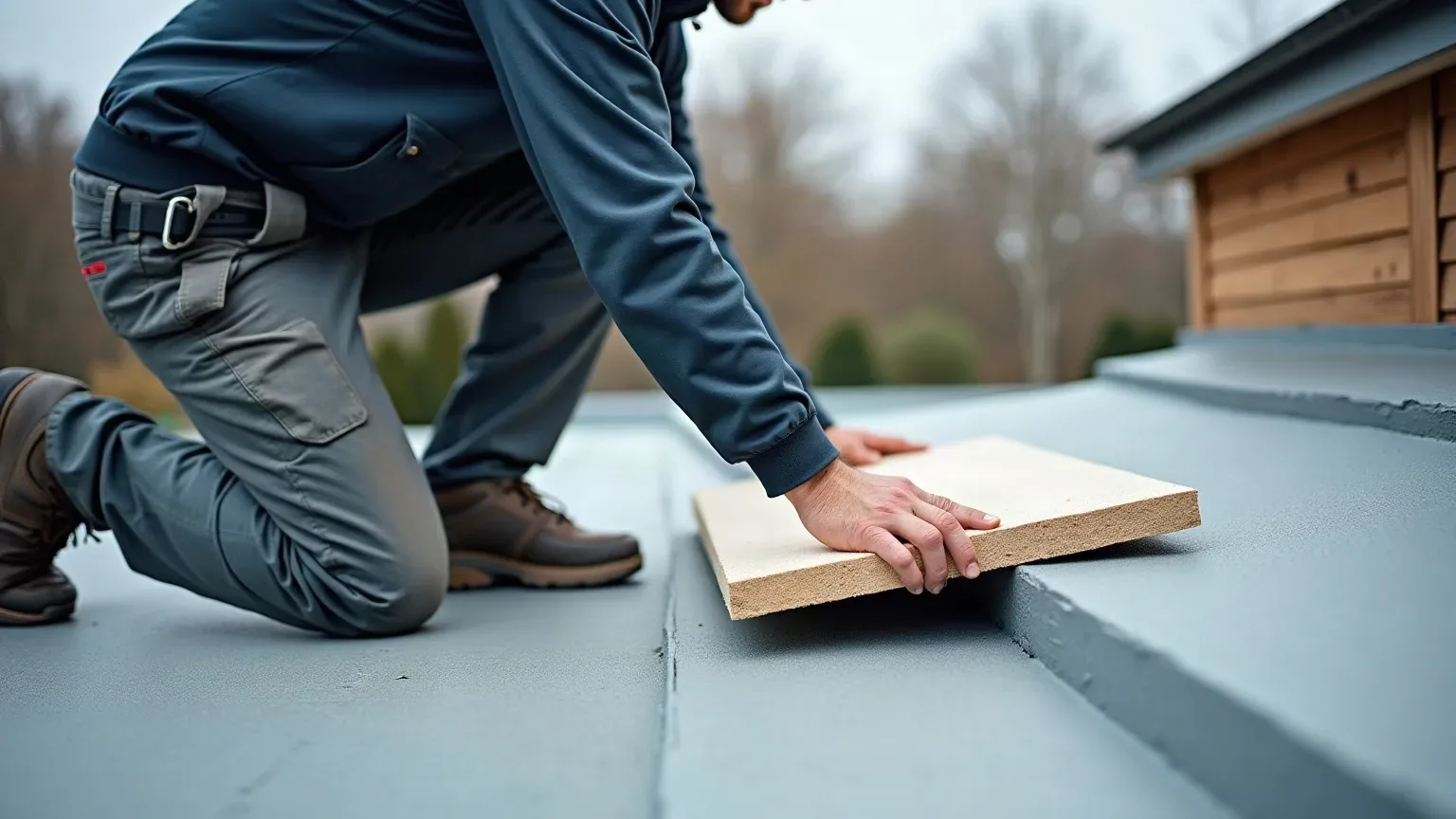
Why Flat Roof Insulation Matters in Edinburgh
Most flat roofs on Edinburgh homes were built with minimal or no insulation, particularly on Victorian and interwar properties across Morningside, Leith, and Portobello. Modern building standards require a U-value of 0.18 W/m²K or better for flat roofs, yet many existing roofs sit at 0.5 or higher. That gap translates directly into higher heating costs and a roof deck that sees repeated cycles of condensation and drying.
Condensation is the hidden risk. When warm, moist air from inside the house meets a cold roof deck, moisture condenses within the build-up, rotting timber joists and degrading insulation over years. A correctly specified insulation system, with a vapour control layer positioned in the right place, stops this process before it starts.
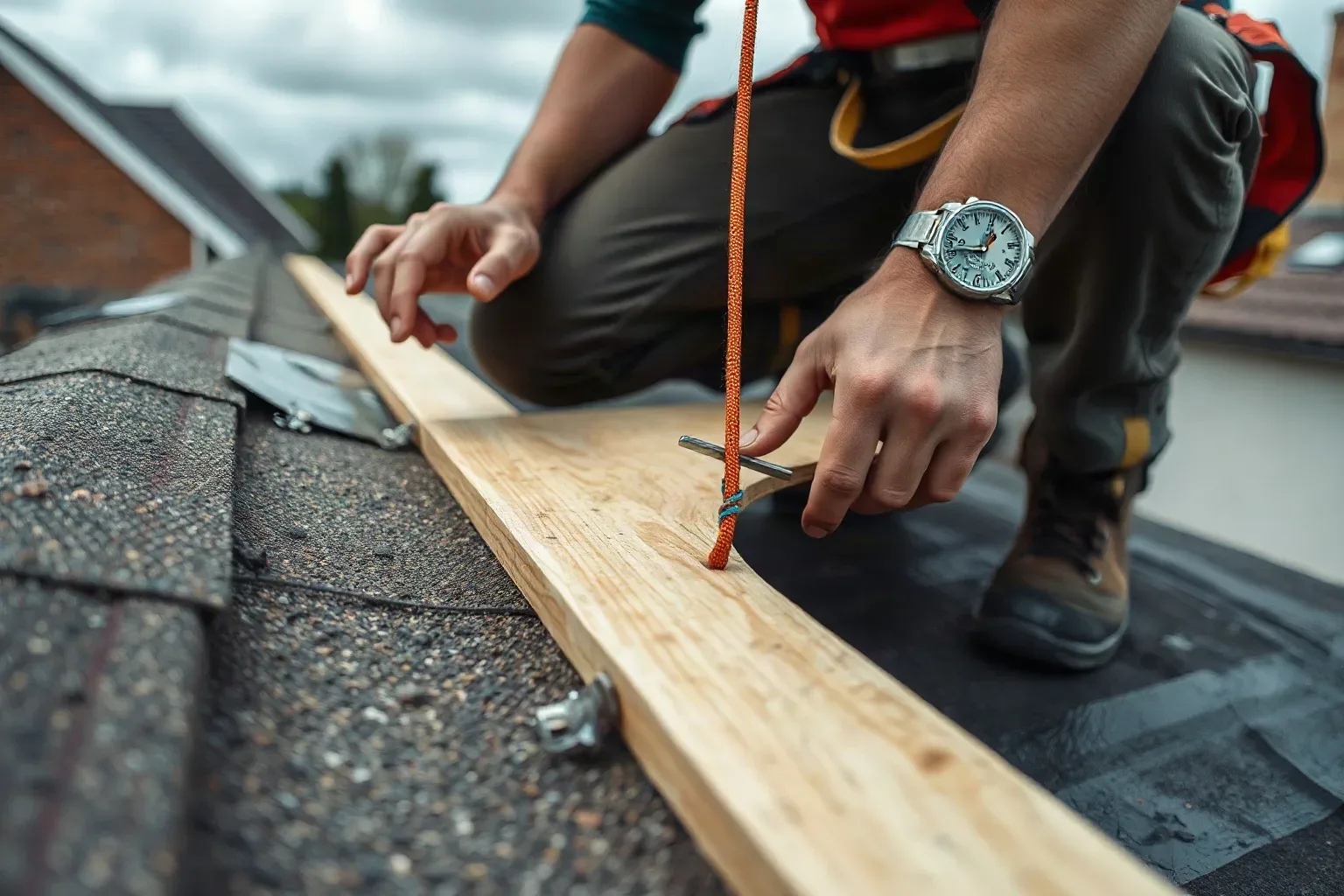
Flat Roof Insulation Options Edinburgh
Three main approaches suit Edinburgh properties, each with distinct advantages depending on the existing roof build-up.
Warm Roof (Insulation Above the Deck)
A warm roof places rigid insulation boards above the structural deck, with the weatherproofing membrane on top. This is widely regarded as the most thermally efficient and condensation-resistant approach because the structural timber never gets cold enough for moisture to form. Polyisocyanurate (PIR) boards, such as Kingspan or Recticel products, are standard: 100–150 mm of PIR typically achieves the 0.18 W/m²K target. A warm roof retrofit adds height to the existing build-up, which requires careful detailing at upstands, flashings, and any rooflights.
Cold Roof (Insulation Between or Below the Joists)
A cold roof installs insulation between or below the structural joists, leaving an uninsulated ventilated void above. This was the standard approach for decades but is now rarely specified for new work because achieving adequate ventilation is difficult in practice, and condensation risk remains high. On a retrofit, it can still be appropriate where adding height to the roof is impossible, but the ventilation pathway must be confirmed before work starts.
Inverted Roof (Insulation Above the Membrane)
An inverted roof reverses the layer order: the waterproof membrane sits directly on the deck, and extruded polystyrene (XPS) boards go on top, held down by ballast or paving slabs. This protects the membrane from UV and thermal shock, extending its working life. It is a practical choice on accessible flat roofs used as terraces or green roof substrates. Edinburgh's wind exposure needs accounting for in the ballast specification.
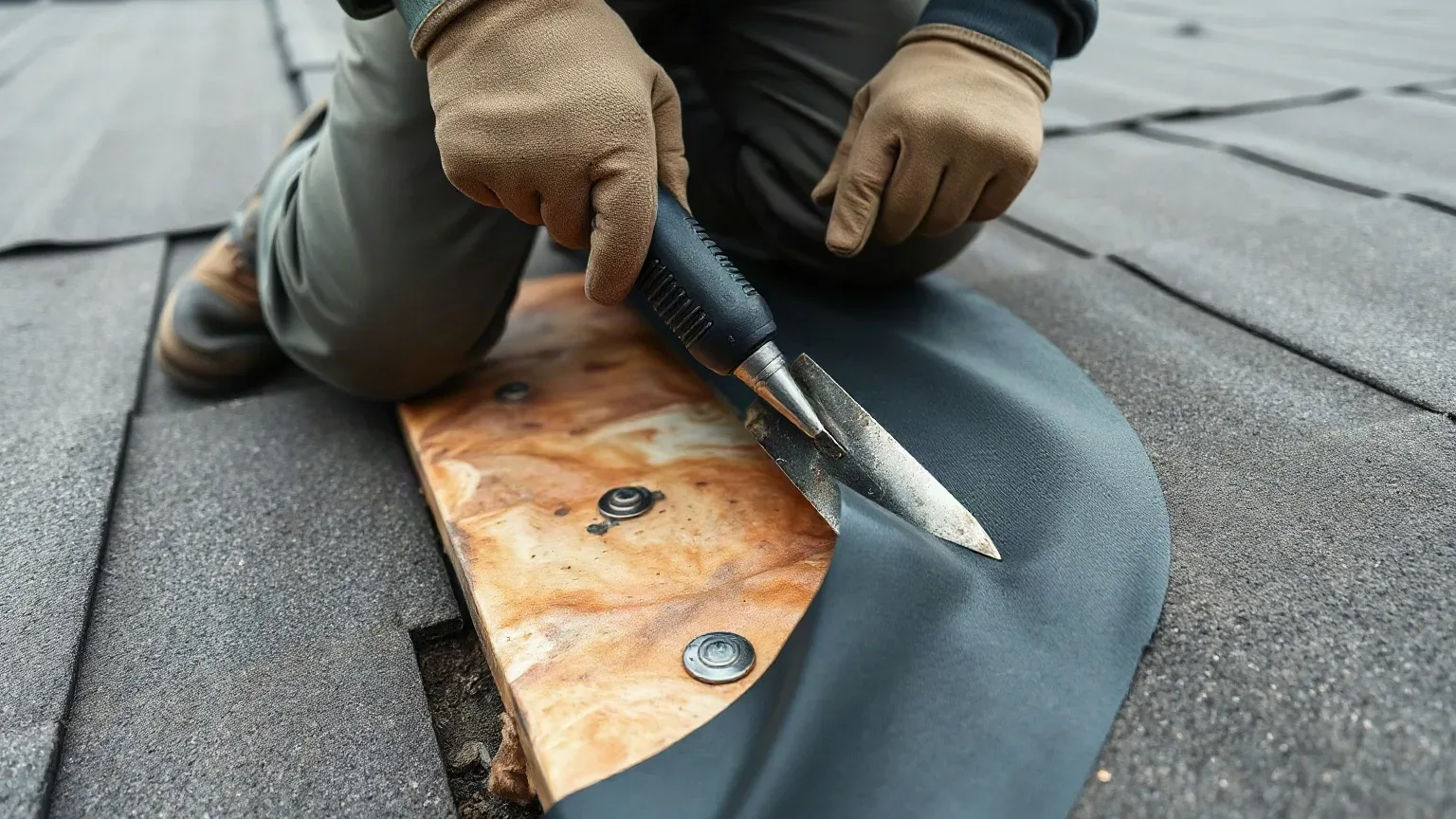
Flat Roof Insulation Cost Edinburgh
Costs vary by system, board thickness, and the condition of the existing roof. As a guide, flat roof replacement including insulation typically runs £50–£120 per m², with felt systems at the lower end and GRP fibreglass or EPDM rubber at the upper end. Insulation-only work on a roof that already has a sound membrane will cost less, but most contractors find it practical to upgrade insulation during a full re-roofing rather than as a standalone job.
For an average Edinburgh extension or garage roof of around 20–30 m², expect a total re-roofing and insulation package to come to roughly £1,000–£3,600 depending on the system chosen. A full flat roof replacement on a larger rear-of-terrace extension can push into the £6,000–£15,000 range when the roof is substantial and access is difficult. Callout and survey fees of £150–£300 for an initial inspection are standard; a written report lets you compare quotes accurately.
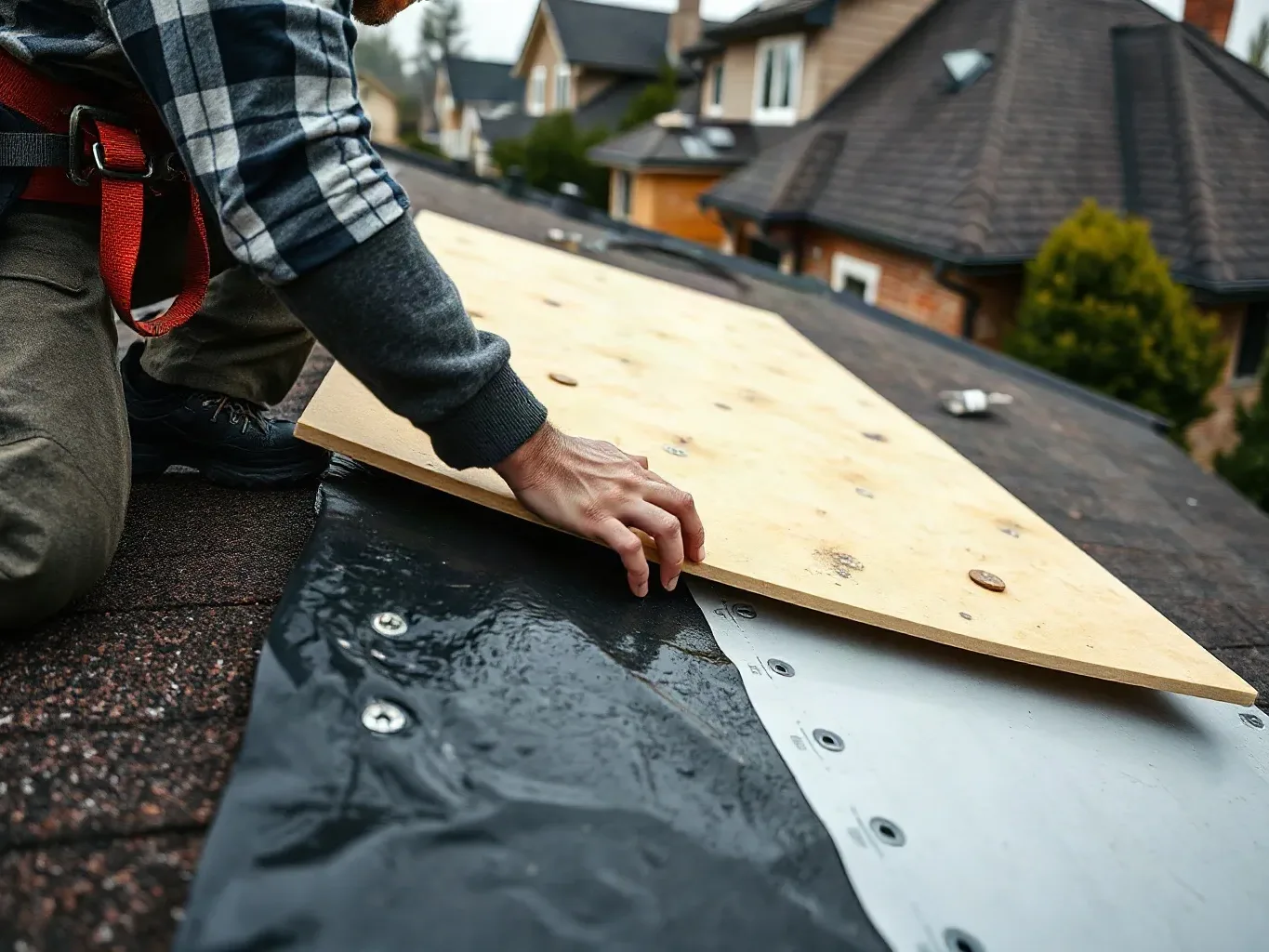
Choosing the Right System for Your Property
The right choice depends on five practical factors: the condition of the existing deck, the available height at upstands and thresholds, whether the roof is accessible, the preferred waterproof membrane, and the budget. A PIR warm roof with an EPDM rubber membrane is a strong default for most Edinburgh residential roofs. EPDM has a lifespan of 25–50 years, GRP fibreglass runs 25–40 years, and traditional felt falls in the 10–20-year range. Pairing a long-life membrane with correct insulation means the roof should not need major attention for a generation.
If the existing timber deck is soft, bouncy, or stained with old water marks, it almost certainly needs replacement before any insulation system goes down. Trying to insulate over a failing deck delays the problem rather than solving it.
What the Installation Process Looks Like
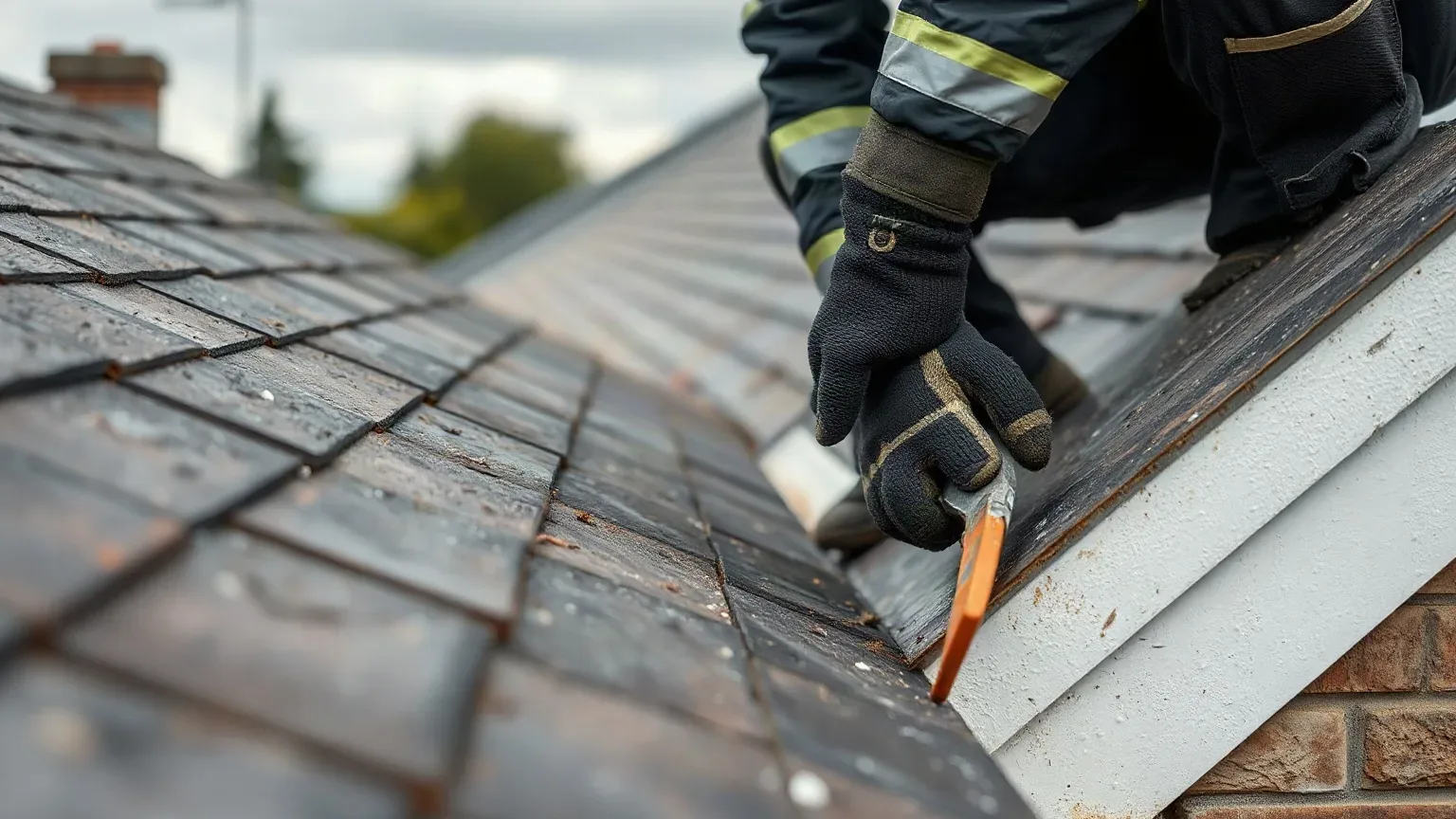
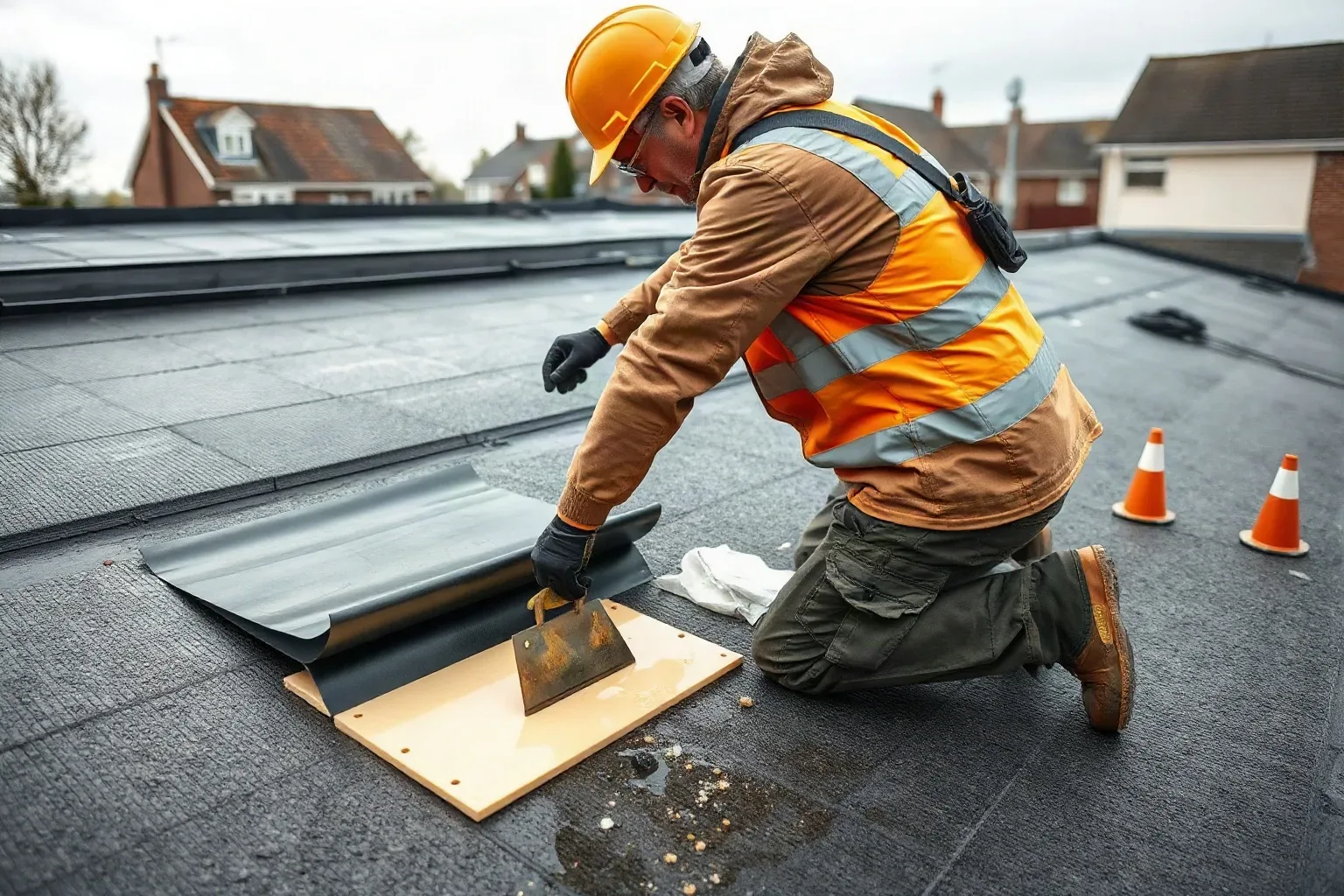
A typical warm roof installation on a residential flat roof in Edinburgh takes one to three days for a straightforward job. The contractor strips the existing covering, inspects and replaces any defective decking boards, fits the vapour control layer, lays the PIR boards in two offset layers to eliminate cold bridging at joints, and then installs the chosen waterproof membrane. Lead or aluminium flashings are dressed at the perimeter, and any penetrations for pipes or rooflights are sealed.
The finished roof should be left clean, with all upstands dressed neatly and outlets free. A reputable contractor will provide a written guarantee covering both workmanship and the membrane system, typically 10–20 years depending on the membrane type.
Planning Permission and Building Regulations
Most flat roof insulation and re-roofing work on a standard Edinburgh house falls within permitted development and does not require planning permission. Building regulations approval is required if the work constitutes a material change to the roof's thermal performance, which a complete re-roofing with upgraded insulation almost always does. Your contractor should submit a building warrant application to the City of Edinburgh Council before work starts; confirm this is included in the contract.
Properties in conservation areas, which cover large parts of central Edinburgh, may face additional restrictions on visible materials and detailing. A listed building requires listed building consent before any material changes to the roof covering.

Getting a Quote and Next Steps
The most useful first step is a roof inspection, which costs £150–£300 and gives you a written report on the existing condition, the recommended system, and a reliable basis for comparing contractor quotes. Emergency roof inspections after storm damage or a sudden leak are available 24 hours a day, 7 days a week, with a target response time of 1–2 hours within Edinburgh city area, though out-of-hours callout fees run £150–£300.
When requesting quotes, ask each contractor to specify the insulation board type and thickness, the target U-value, the membrane system and its warranty, and whether building regulations submission is included. NFRC-registered or equivalent approved contractors are the benchmark for quality assurance on flat roofing work. Get at least two written quotes before committing, and check that both are pricing the same specification.
Frequently Asked Questions
What Are the Flat Roof Insulation Options in Edinburgh?
The three main options are a warm roof (rigid PIR boards above the deck), a cold roof (insulation between the joists with a ventilated void above), and an inverted roof (XPS boards on top of the waterproof membrane). For most Edinburgh homes, a warm roof with a PIR board and EPDM or GRP membrane is the recommended approach because it minimises condensation risk and achieves a good U-value without complicated ventilation detailing.
What Does Flat Roof Insulation Cost in Edinburgh?
Flat roof replacement including insulation typically runs £50–£120 per m², with felt systems at the lower end and GRP fibreglass or EPDM rubber at the upper end. A 20–30 m² extension or garage roof usually comes to £1,000–£3,600 for a full re-roofing and insulation package. Larger jobs on rear-of-terrace extensions can reach £6,000–£15,000 depending on roof size, system choice, and access difficulty. A roof inspection costing £150–£300 gives you a written report to compare quotes accurately.
Do I Need Building Regulations Approval for Flat Roof Insulation Work in Edinburgh?
Yes, in most cases. A complete re-roofing with upgraded insulation constitutes a material change to the roof's thermal performance, which requires a building warrant application to the City of Edinburgh Council before work starts. Your contractor should handle this submission; confirm it is included in the contract before work begins.
How Long Does Flat Roof Insulation Last?
The lifespan depends on the membrane system used. EPDM rubber typically lasts 25–50 years, GRP fibreglass 25–40 years, and traditional felt 10–20 years. Correct insulation specification, particularly using a warm roof build-up with a vapour control layer, protects the structure and helps the membrane reach the upper end of its expected lifespan.
Can Flat Roof Insulation Be Added Without Replacing the Whole Roof Covering?
It is possible in principle, but most contractors find it practical to upgrade insulation during a full re-roofing rather than as a standalone operation. If the existing membrane is in poor condition or the deck shows signs of moisture damage, adding insulation over the top without addressing those issues delays rather than solves the problem. A roof inspection will confirm whether the existing covering is sound enough to warrant insulation-only work.