Slate Roof Maintenance Edinburgh
Edinburgh's climate is hard on roofs. Persistent rain, freeze-thaw cycles through winter, and occasional gale-force winds all work against the mortar, fixings, and slate itself. Natural Scottish slate handles these conditions better than almost any other material, with a lifespan of 80–150 years when properly maintained, but that lifespan depends entirely on catching small problems before they become expensive ones.
Why Edinburgh's Weather Makes Maintenance Non-Negotiable
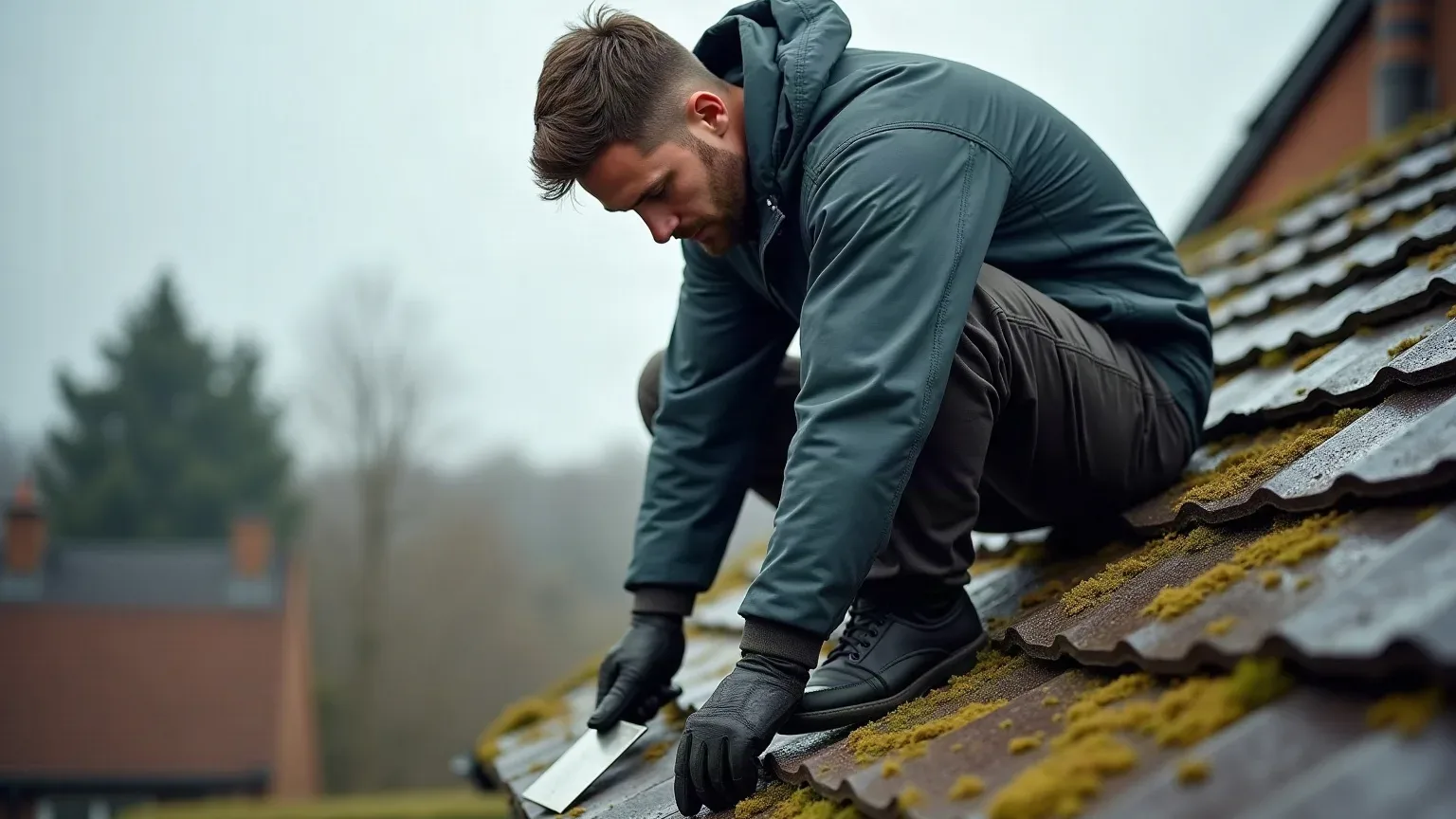
The city sits in a temperate oceanic zone, meaning it rarely gets prolonged dry spells. Moisture finds its way into hairline cracks, freezes overnight, and expands, widening those cracks into fractures by spring. Sandstone and mortar around chimney stacks are particularly vulnerable because they absorb water more readily than the slate itself.
Nailer corrosion is a separate threat. Original Victorian and Edwardian roofs across Morningside, Marchmont, and the New Town used iron nails, which rust over decades. A rusted nail fails silently; the slate above it stays in place until wind pressure finally pulls it free. Identifying nail fatigue requires close inspection, not just a glance from the street.
How Often Should You Inspect a Slate Roof
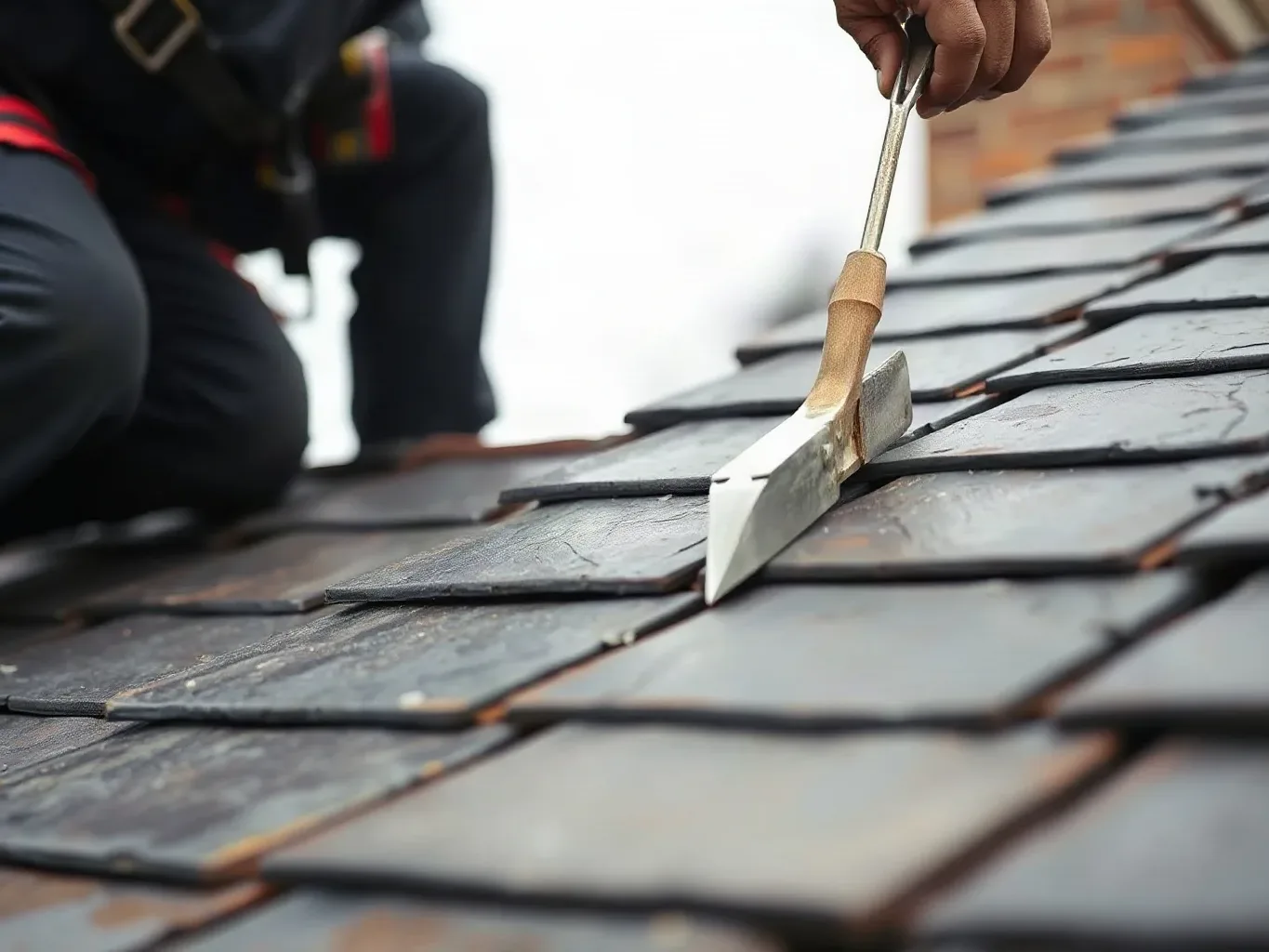
A slate roof in Edinburgh should be professionally inspected every five years as a baseline, with additional checks after any storm producing gusts above 50 mph.
Between professional visits, homeowners can observe from the ground using binoculars. Look for slates that sit at a slight angle rather than flush with their neighbours, moss patches thickening along valleys, and mortar debris collecting in gutters after heavy rain. These are all early indicators rather than emergencies, but they warrant booking an inspection promptly.
A standard roof inspection costs £150–£300 and produces a written report. Drone surveys, increasingly common across Edinburgh's steeper-pitched tenement roofs, tend to sit at the upper end of that range but give far more detail than a visual ground survey.
Slate Roof Maintenance Tips Edinburgh
Keeping a slate roof sound comes down to five practical habits.
Keep Gutters and Valleys Clear
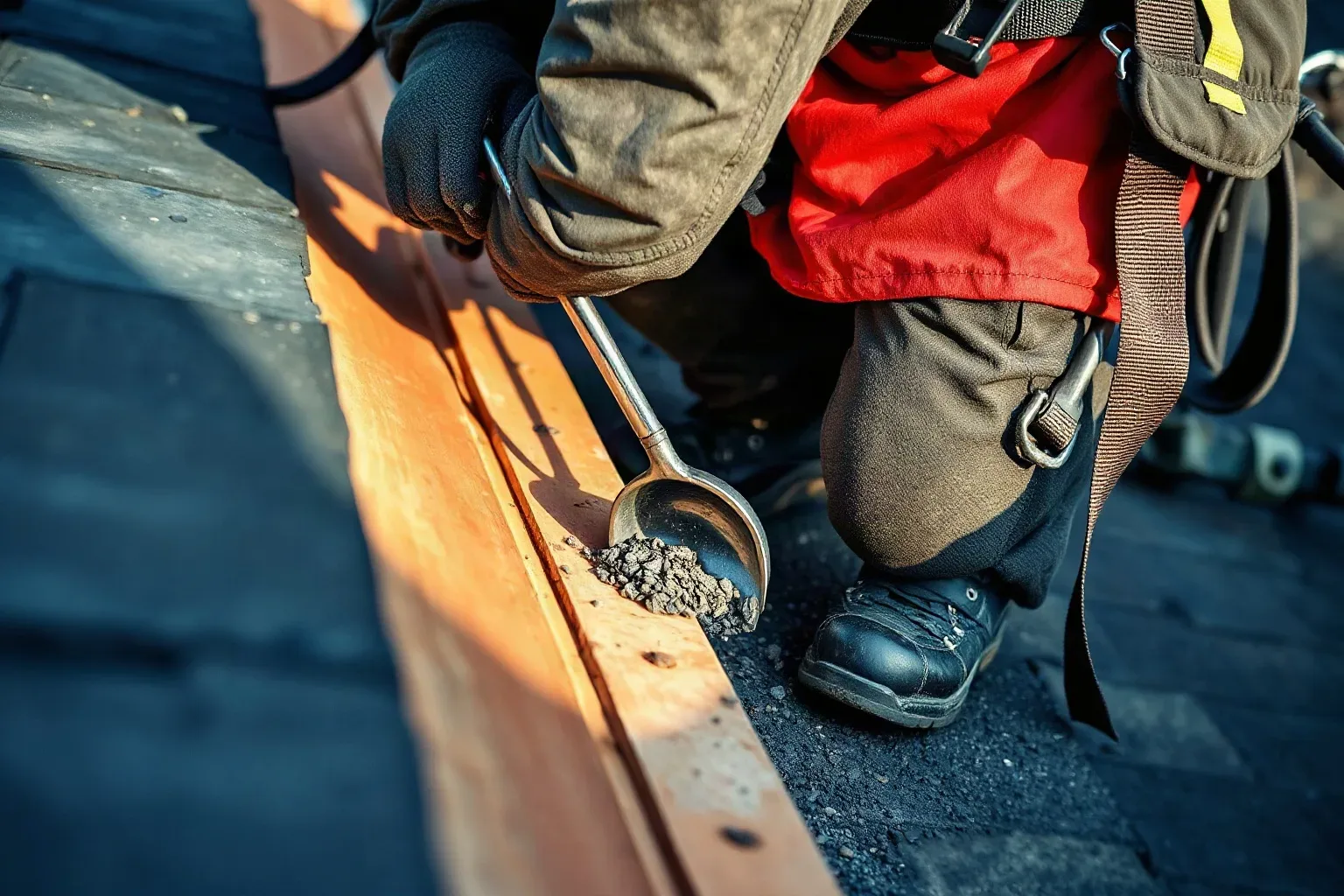
Blocked gutters force water back under the lower courses of slating. In Edinburgh's autumn, leaf fall from mature street trees clogs systems quickly. Clear gutters at least twice a year, in late autumn after leaf fall and again in early spring. Pay particular attention to lead-lined valleys, where debris dams cause ponding that accelerates lead fatigue.
Address Moss Before It Spreads
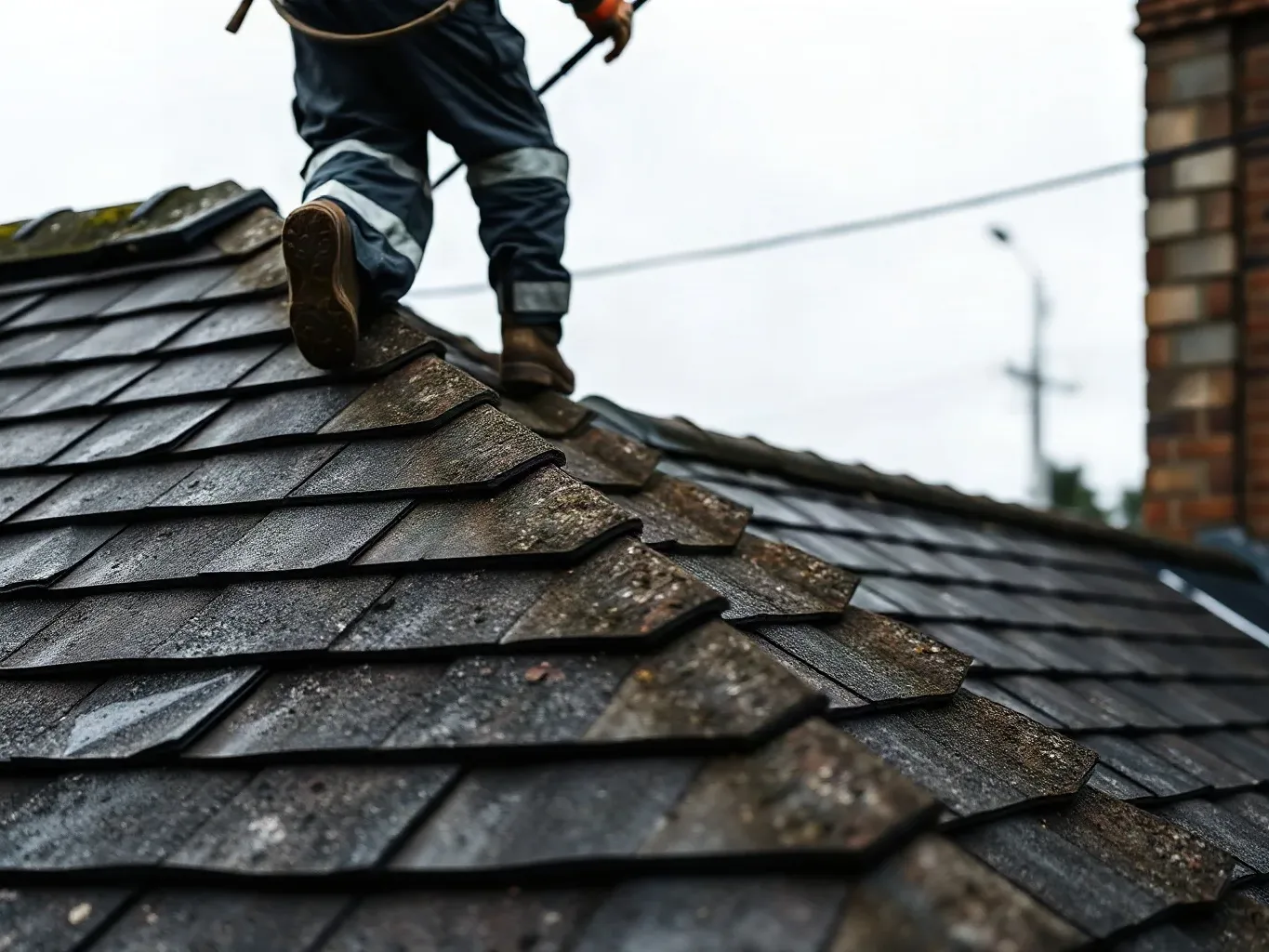
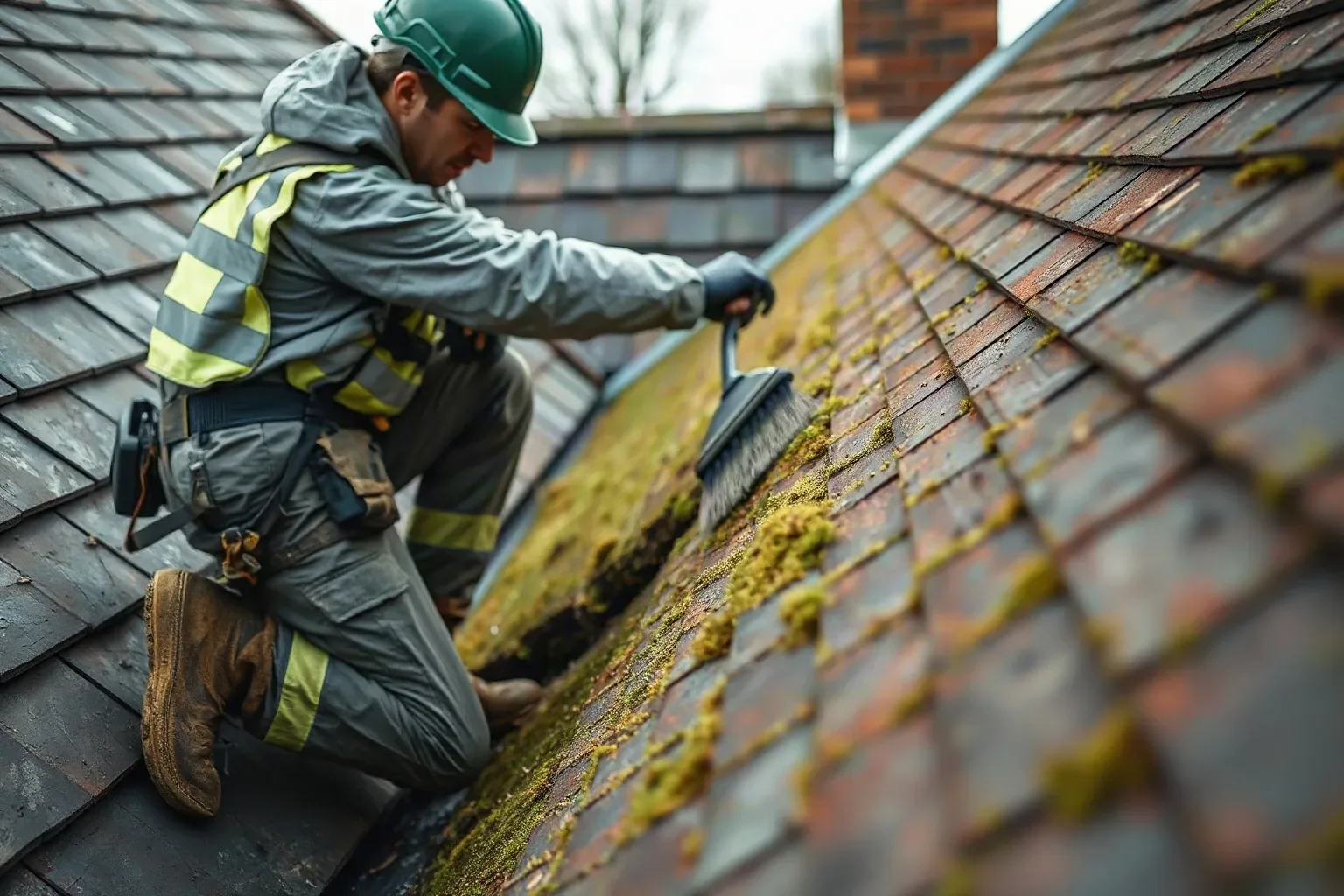
Moss holds moisture against the slate surface and, left unchecked, works its way under the lap between courses. A biocide spray applied by a roofer in dry weather kills the moss without damaging the slate or the lead flashings. Pressure washing is not appropriate on older Scottish slate roofs because it strips the weathered surface that gives the material much of its durability.
Replace Cracked or Slipped Slates Promptly
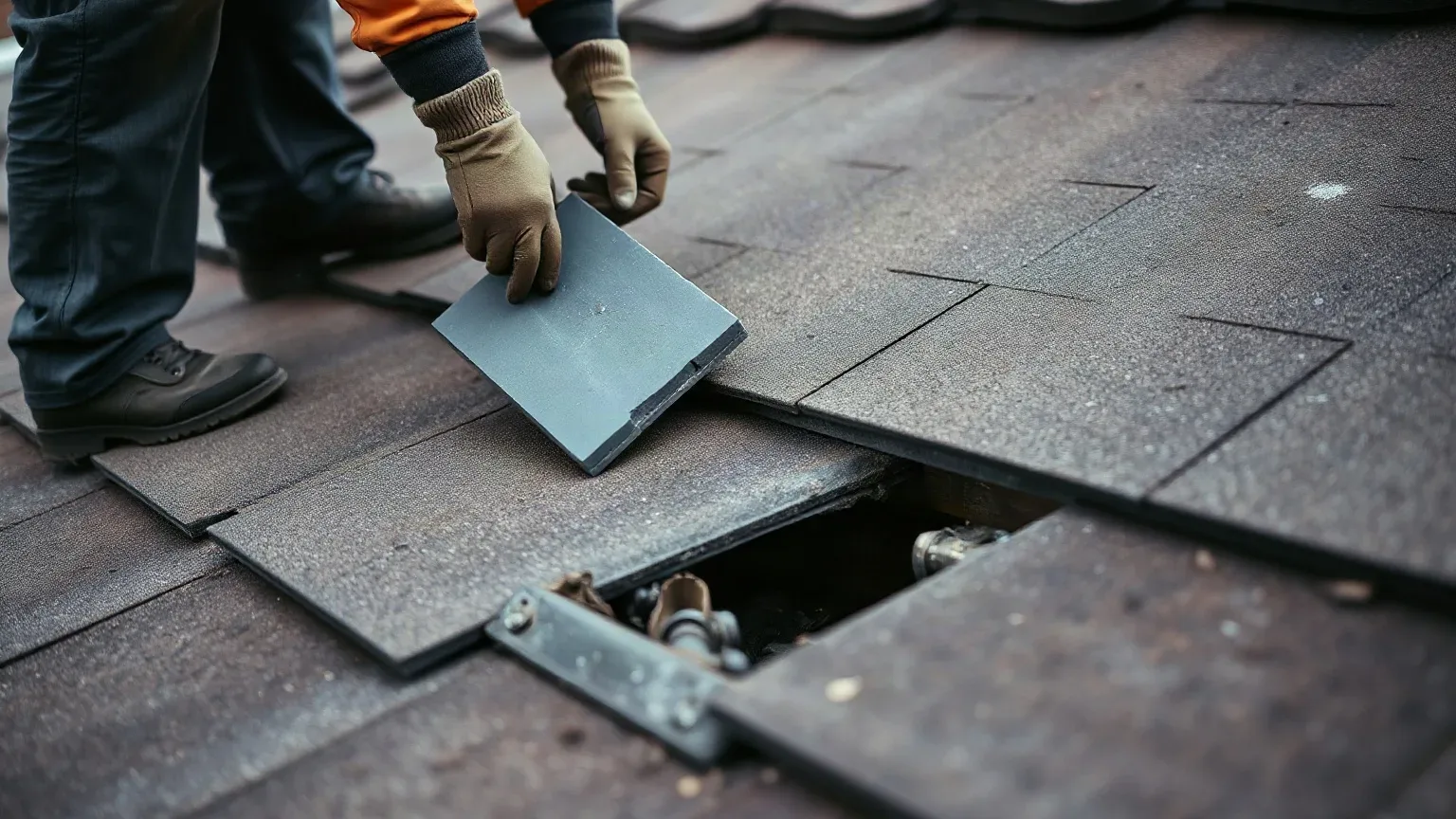
A single displaced slate exposes the timber sarking beneath it and can allow water ingress within one heavy rainfall. Minor repairs, covering a single slate or a small patch, cost £150–£400 depending on access and the slate grade required to match the existing roof. Delaying a £150–£400 repair can lead to sarking board replacement and structural work costing several times more.
Check Flashings Annually
Lead flashings at chimney bases, valleys, and abutments are the most common source of leaks on Edinburgh's older slate roofs. Lead work has a long service life when properly installed, but it can lift, crack, or separate from mortar if the pointing deteriorates. Look for any gap between the lead apron and the masonry during your ground-level checks.
Monitor Chimney Mortar
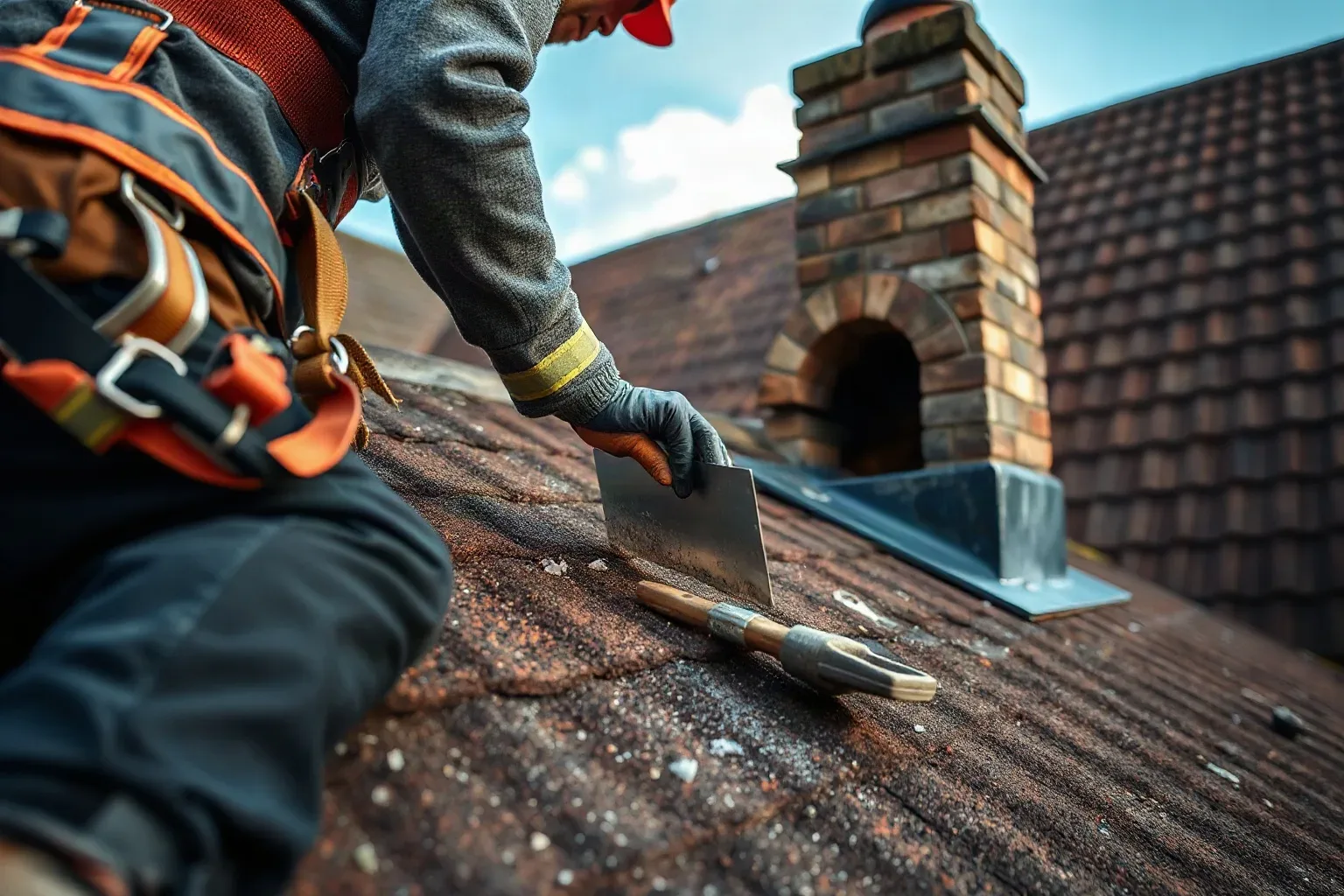
Chimney repointing costs £300–£800 per stack, depending on height and access. That cost is far lower than the structural work required if water penetrates a crumbling stack and damages the surrounding roof timbers. Edinburgh's older stone chimneys need mortar inspection every ten years at minimum; more frequently on exposed, south-westerly-facing elevations.
Slate Roof Care and Maintenance Edinburgh
Maintenance is not only about reactive repairs. A planned care programme protects the original Scottish slate, which is irreplaceable in the sense that matching quarried stone from historic sources is increasingly difficult and expensive.
Choose the Right Contractor
Not every roofing company has experience working with natural slate. Ask for evidence of NFRC registration or equivalent accreditation before anyone goes on your roof. An unqualified operative walking on slate incorrectly can crack more slates than a winter storm. On listed buildings across Edinburgh's Old and New Towns, any repair work may also require approval from Historic Environment Scotland, so confirm this with your contractor before work begins.
Use Like-for-Like Materials
Imported Spanish slate is cheaper than Scottish or Welsh slate, with a typical lifespan of 50–80 years compared with 80–150 years for native material. On a roof that still has another 60 years of life in the original slates, mixing grades creates a patchwork with inconsistent durability. Ask your roofer to source matching slate and to confirm the grade and origin before ordering.
Keep Records
A maintenance log noting inspection dates, repair dates, and the contractor used helps you track deterioration patterns and provides useful documentation when selling the property. Buyers' surveyors in Edinburgh flag roofs with no maintenance history as a risk, which can affect valuations and mortgage offers.
What to Do When You Spot a Problem
Water stains appearing on ceilings after rain, slates visibly displaced on the roof surface, or mortar debris collecting in gutters in quantities that suggest fresh spalling all point to a roof that needs attention now. An emergency callout in Edinburgh costs £150–£300 for out-of-hours response, and emergency roof tarping to prevent further water ingress runs £200–£500 as a temporary measure while permanent repairs are arranged.
For non-emergency faults spotted during your routine check, book a standard inspection first. The written report gives you a clear scope of work and lets you obtain comparable quotes. Coverage is available across all Edinburgh postcodes, EH1–EH17, and into the surrounding Lothians.
Call during business hours for a routine inspection quote, or use the emergency line, available 24 hours a day, seven days a week, if you have active water ingress. A contractor typically reaches Edinburgh city addresses within one to two hours on an emergency basis.
Frequently Asked Questions
What Are the Best Slate Roof Maintenance Tips for Edinburgh Homes?
Clear gutters twice a year to prevent water backing under lower slate courses, treat moss with biocide spray rather than pressure washing, replace any cracked or slipped slates promptly (minor repairs cost £150–£400), inspect lead flashings annually, and have chimney mortar checked every ten years. Book a professional inspection every five years and after any major storm.
What Does Slate Roof Care and Maintenance in Edinburgh Typically Involve?
A full care programme covers routine gutter clearance, biocide treatment for moss, prompt replacement of failed slates using like-for-like material, lead flashing inspection, and chimney repointing when mortar begins to deteriorate. A written inspection report costing £150–£300 sets the baseline and lets you prioritise repairs by urgency.
How Long Does a Natural Slate Roof Last in Edinburgh?
Scottish and Welsh natural slate lasts 80–150 years with proper maintenance. Imported Spanish slate has a shorter lifespan of around 50–80 years. Nail fatigue, flashing failure, and neglected mortar are the main factors that cut a roof's life short before the slate itself wears out.
How Much Does Slate Roof Repair Cost in Edinburgh?
A minor repair covering a single slate or small patch costs £150–£400. A standard inspection with written report runs £150–£300. Chimney repointing costs £300–£800 per stack. Emergency callouts outside business hours carry a fee of £150–£300, with temporary tarping available for £200–£500 while permanent repairs are arranged.
Do I Need a Specialist Contractor for Slate Roof Work in Edinburgh?
Yes. Natural slate requires specific handling techniques; walking on it incorrectly causes cracking. Look for NFRC-registered contractors or those with equivalent accreditation. On listed properties in Edinburgh's Old or New Towns, repairs may also need approval from Historic Environment Scotland before work begins.