Emergency Roofer Near Me Edinburgh
A damaged roof in Edinburgh does not wait for a convenient moment. Storm-force winds off the Firth of Forth, driving December sleet, or a sudden leak appearing at 11 pm on a Sunday all demand the same thing: a qualified roofer who can reach you fast, assess the damage honestly, and make the property safe before water penetrates further. This page tells you exactly what to expect from an emergency roofing call-out in Edinburgh, what it costs, and how to get someone on site today.
How Emergency Call-Outs Work in Edinburgh
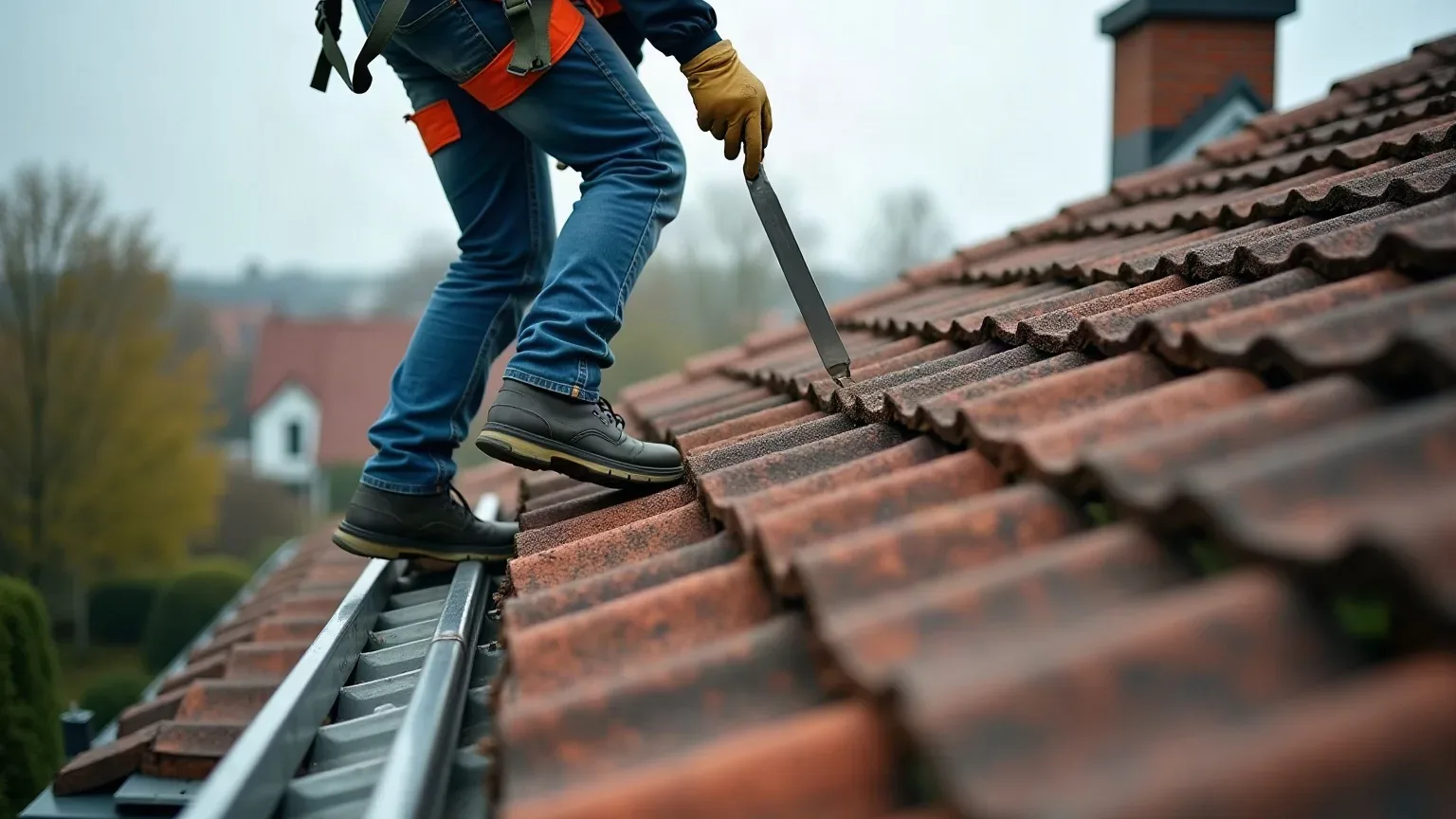
Most emergency roofing operators covering Edinburgh postcodes EH1–EH17 run a 24-hour, 7-day-a-week emergency line. The target response time within the Edinburgh city area is 1–2 hours, though this can stretch during high-demand periods such as the morning after a major storm. When you call, have your postcode, a brief description of the damage, and any photographs ready. Clear information helps the roofer arrive with the right materials.
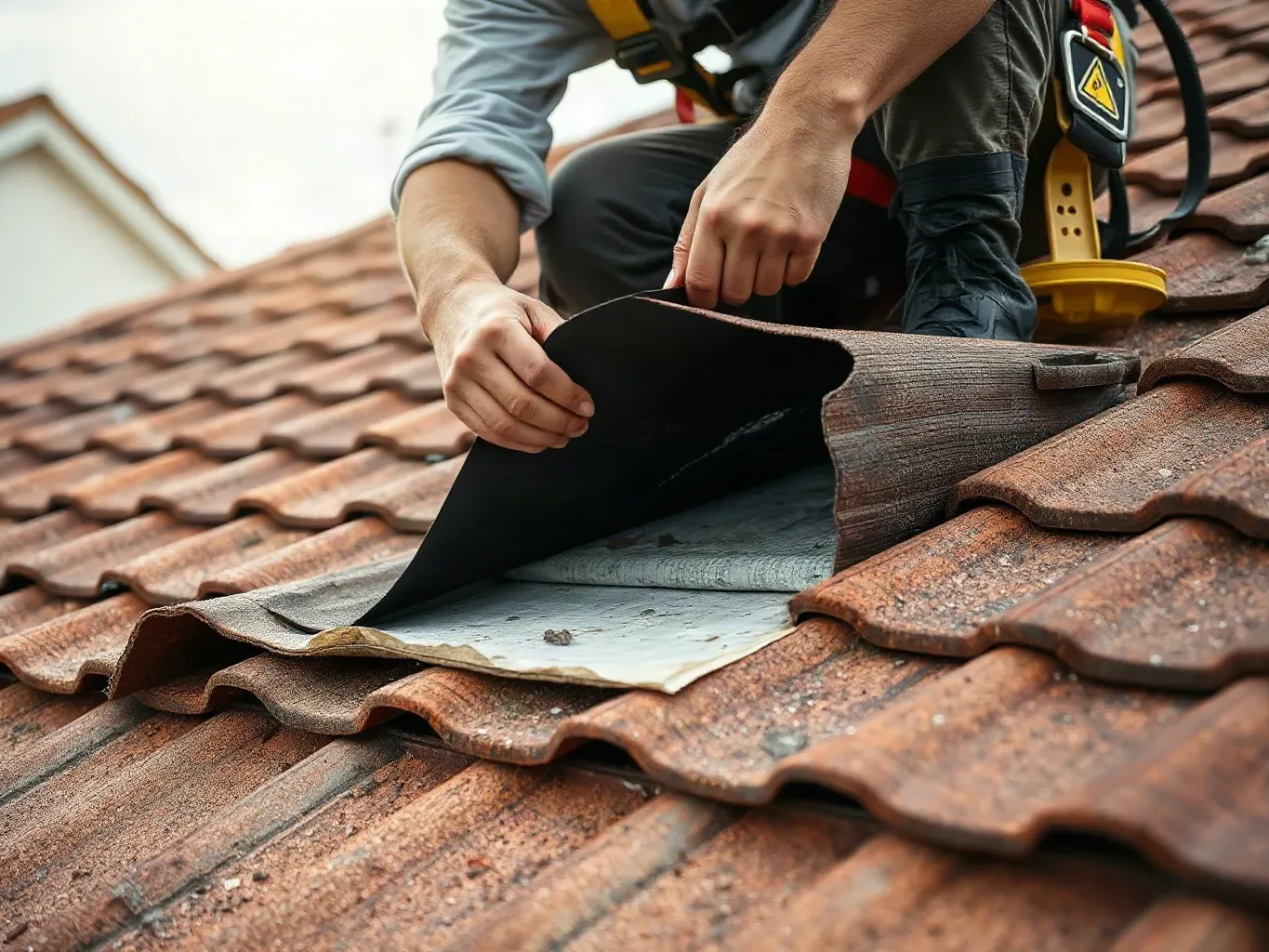
On arrival, the roofer will carry out a site-safe assessment before going onto the roof. The immediate priority is making the building weathertight: that usually means temporary tarping or emergency lead flashing repairs before any permanent work begins. A written report of findings is standard practice with any reputable NFRC-registered or equivalent approved contractor.
What Counts as a Roofing Emergency
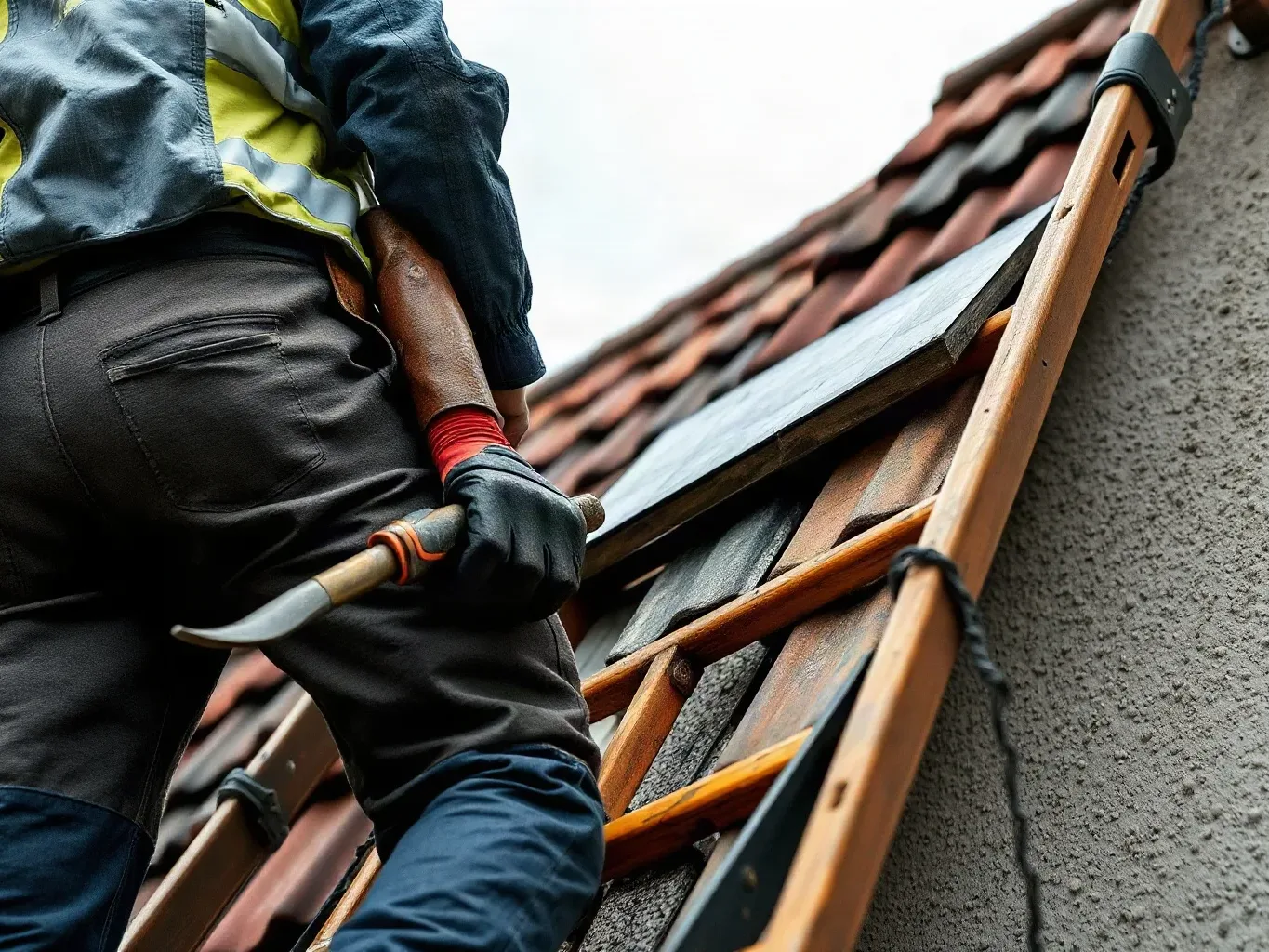
Not every roof problem requires an emergency call-out, but some situations cannot wait. Active water ingress into a bedroom, loft, or wall cavity, missing or cracked ridge tiles that leave the roof deck exposed, a section of roof covering lifted or displaced by wind, and structural sagging visible from the street all qualify. A chimney stack showing significant mortar failure during wet weather is also a genuine emergency, particularly on older Edinburgh tenements where the stack sits directly above a stairwell.
Pricing - What You Will Pay for Emergency Roofing in Edinburgh
Emergency roofing in Edinburgh involves two distinct costs: the call-out fee and the cost of any work carried out. Understanding both prevents surprises when the invoice arrives.
Call-Out Fees
A standard weekday callout charge runs £60–£120 before labour. Out-of-hours work, covering evenings, weekends, and bank holidays, rises to £150–£300 for the callout alone. These figures reflect access costs, fuel, and the premium for rapid availability. Always confirm the exact fee before the roofer leaves their base.
Emergency Repair Costs
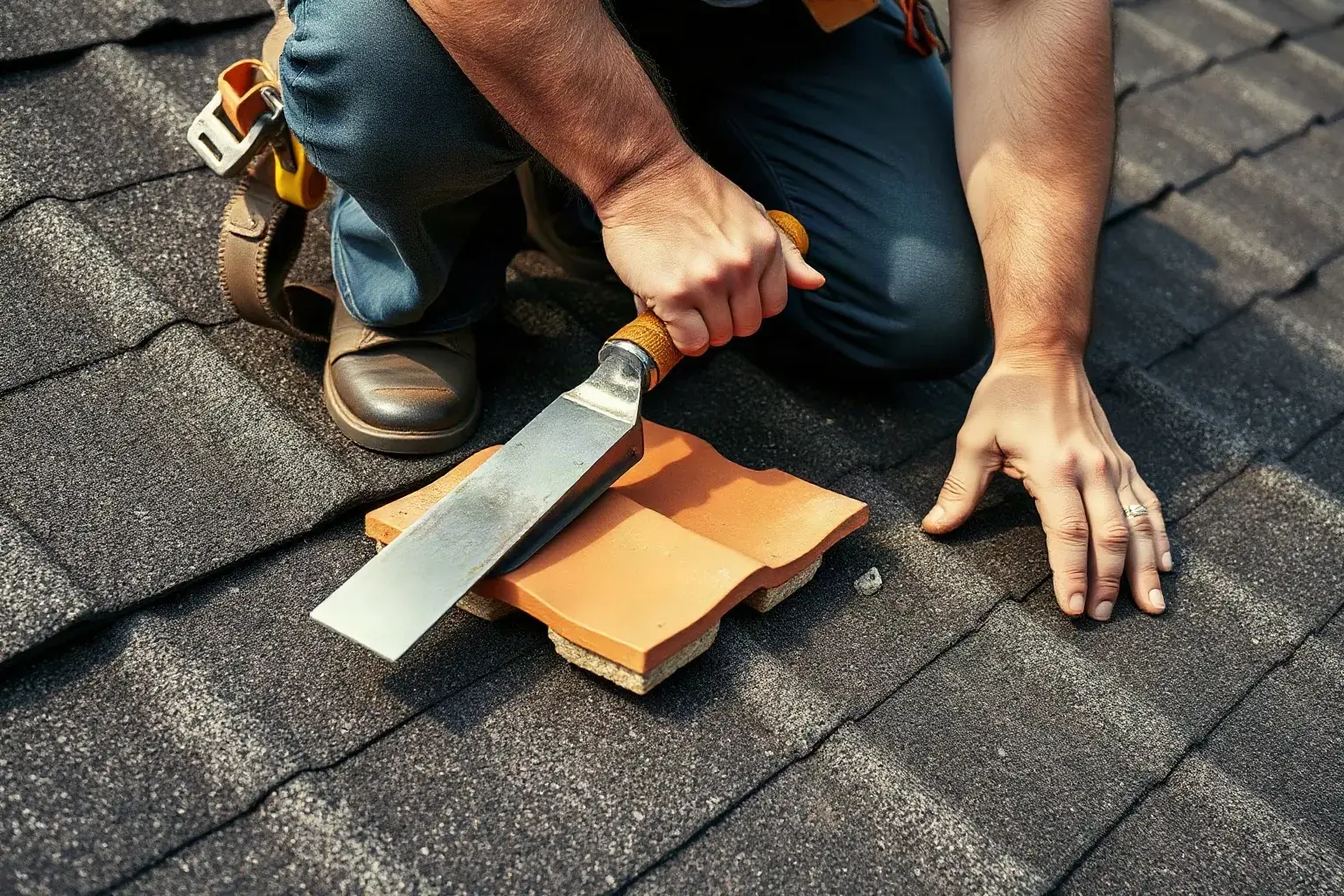
Temporary weatherproofing via a heavy-duty tarp costs £200–£500 per job and is not a permanent fix. Single slate replacement or a small patch on a Scottish slate roof runs £150–£400. If the damage is more extensive and a full slate roof replacement becomes necessary, expect to pay £80–£150 per square metre for Scottish or Welsh slate material and labour. A full roof replacement on an average Edinburgh semi-detached property ranges from £6,000 to £15,000 depending on roof size, pitch, material, and access difficulty.
Chimney repointing, which is a common follow-up to emergency calls on Edinburgh's older stone properties, costs £300–£800 per job. Full stack removal to below the roofline ranges from £1,000 to £3,000, including making good the roof covering.
Will Your Insurance Cover It
Many home insurance policies cover emergency roof repairs caused by storm or sudden accidental damage, but they rarely cover gradual deterioration. Take dated photographs of the damage before any temporary repairs begin. Ask your roofer for a written description of the cause, since insurers typically need evidence that the damage was sudden rather than a result of long-term neglect. Keep all receipts, including the call-out charge.
Roofer Near Me Edinburgh - What Makes a Good One
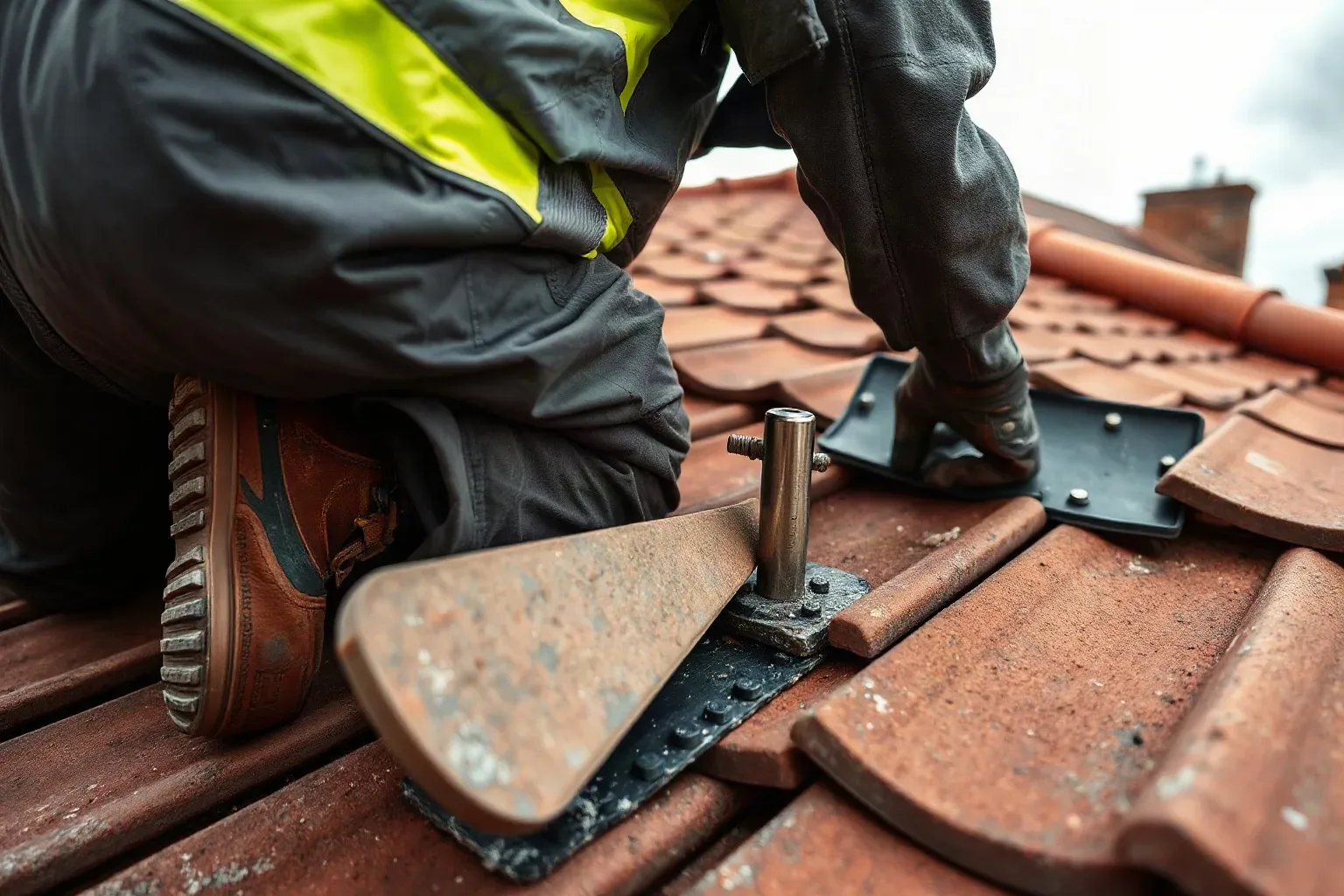
A reliable emergency roofer in Edinburgh will be NFRC-registered or hold equivalent approved contractor status, carry public liability insurance, and be willing to provide a written quote before starting non-emergency work. Verbal estimates are normal at the point of initial emergency assessment, but any repair beyond temporary tarping should come with written pricing.
Ask whether the roofer has specific experience with Scottish slate. Edinburgh's tenements, Victorian terraces, and sandstone villas often use natural Scottish slate, which behaves differently from imported Spanish or Chinese alternatives. Scottish slate can last 80–150 years with proper maintenance; a roofer who replaces it with an incompatible modern material may create more problems than they solve. Imported Spanish slate typically lasts 50–80 years and costs less, but matching existing Edinburgh roofscapes requires care.
Checking Credentials Quickly
You can verify NFRC membership on the NFRC website by postcode. If a contractor cannot supply a membership number or equivalent accreditation on request, treat that as a warning sign. Rogue traders are more active immediately after storms, when homeowners are anxious and distracted. A legitimate operator will never pressure you into signing a contract on the doorstep or demand full payment in cash upfront.
Emergency Roofer Available Today Edinburgh - Getting Someone on Site
Call the emergency line directly rather than submitting an online form, because voice calls produce the fastest dispatch. When you speak to the operator, confirm your full postcode, describe whether there is active water ingress, and ask for an estimated arrival window. If you are in the EH1–EH17 area, a 1–2 hour response is the standard target.
While you wait, move valuables away from the affected area, place buckets or towels to limit interior water damage, and do not attempt to access the roof yourself. Falls from residential roofs account for a significant proportion of serious DIY injuries in Scotland, and wet conditions after a storm make any roof surface substantially more dangerous.
What Happens After the Emergency Visit
Once the property is made safe, the roofer will typically advise on permanent repair options. For minor slate damage, a follow-up appointment within a few days is usually sufficient. For more extensive structural concerns, a full roof inspection survey costing £150–£300 provides a detailed written report that can inform insurance claims and longer-term repair budgets. Drone surveys sit at the upper end of that range and are particularly useful for complex roof geometry or hard-to-access pitches common on Edinburgh tenements.
If guttering was damaged alongside the roof covering, factor in gutter replacement costs of £25–£50 per linear metre for uPVC supply and fit. Damaged gutters left unrepaired accelerate further water damage to fascias and wall cavities, so address them alongside the main roof work rather than treating them as a separate future job.
What to Do Right Now
If you have active roof damage, call the emergency line now. Give your Edinburgh postcode, describe the visible damage, and confirm whether water is entering the building. A roofer can be with you within 1–2 hours across Edinburgh city postcodes. For non-urgent inspections or quotes on storm damage spotted during daylight, booking a standard survey at £150–£300 gives you a documented baseline before committing to any repair programme.
Frequently Asked Questions
Roofer Near Me Edinburgh - How Do I Find One Fast?
Call a local Edinburgh roofing emergency line directly rather than submitting an online form, as phone calls produce the fastest dispatch. Reputable operators covering EH1–EH17 aim to reach you within 1–2 hours. Verify the contractor is NFRC-registered or holds equivalent approved contractor status before work begins.
Is There an Emergency Roofer Available Today in Edinburgh?
Yes. Edinburgh emergency roofing operators run 24-hour, 7-day-a-week lines with a target response of 1–2 hours within the city area. Demand spikes after storms, so call as early as possible to secure a prompt slot. Have your postcode and a description of the damage ready when you call.
How Much Does an Emergency Roof Repair Cost in Edinburgh?
The callout fee alone is £60–£120 on a standard weekday, rising to £150–£300 for out-of-hours or weekend call-outs. Temporary tarping to weatherproof the roof costs £200–£500 per job. Permanent repairs such as slate replacement start at £150–£400 for minor work, with full roof replacements ranging from £6,000 to £15,000 for an average Edinburgh semi-detached.
Will My Home Insurance Cover Emergency Roof Repairs in Edinburgh?
Most policies cover sudden storm or accidental damage but exclude gradual deterioration. Photograph the damage before any temporary repairs are made, and ask your roofer for a written statement confirming the cause. Keep all receipts including the callout fee, as insurers typically require documented evidence to process a claim.
What Should I Do While Waiting for an Emergency Roofer to Arrive?
Move valuables away from the damaged area, place buckets or towels to limit interior water spread, and avoid accessing the roof yourself. Wet roof surfaces after a storm are highly dangerous. If a chimney, ridge tile, or large section of roof covering is visibly displaced, keep people away from that area of the building until the roofer has completed their safety assessment.