Reclaimed Slate Roofing Edinburgh
Why Reclaimed Slate Makes Sense in Edinburgh
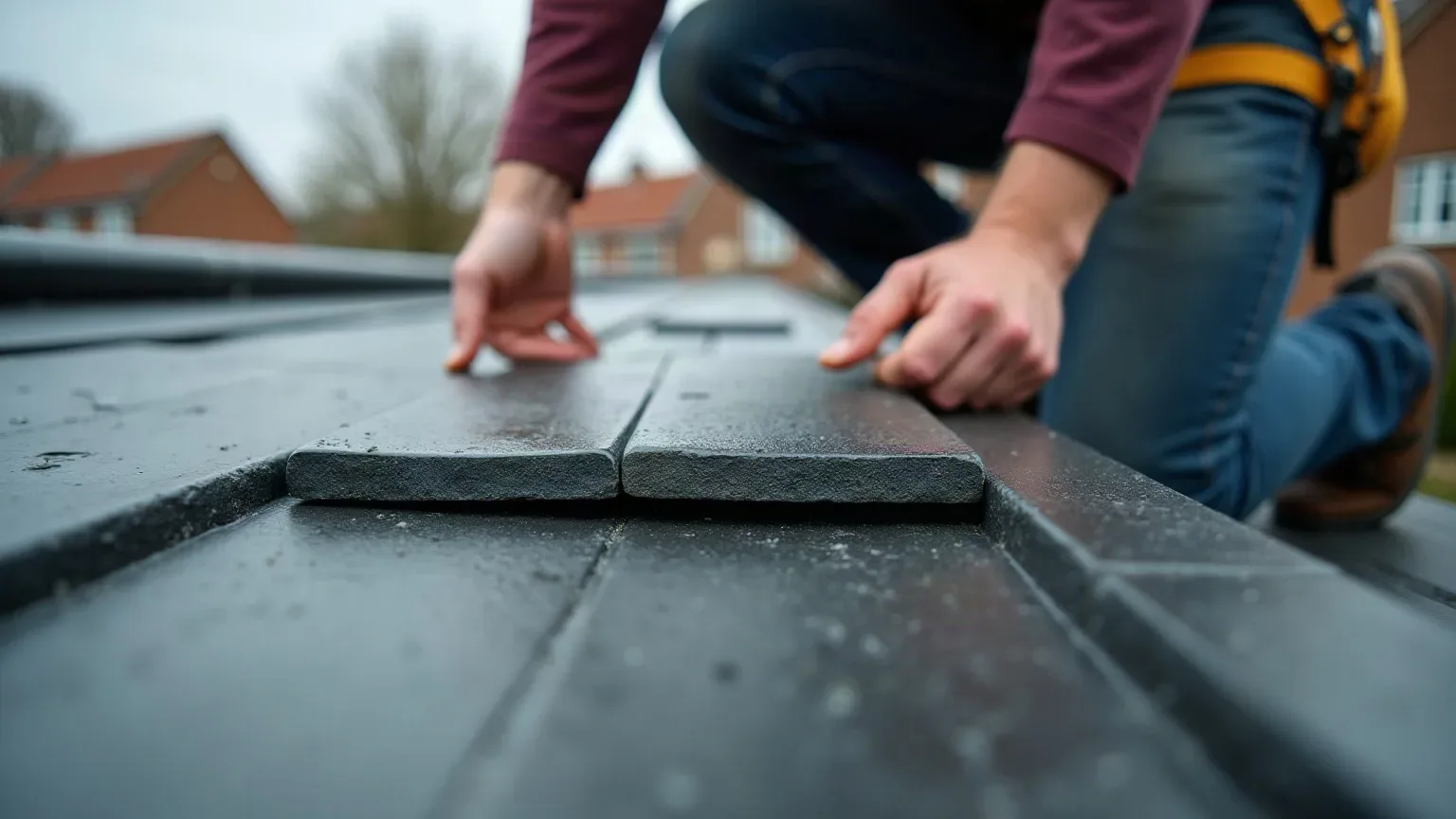
Reclaimed Scottish slate is stripped from demolished or re-roofed buildings, cleaned, graded, and resold for new installations. Because Edinburgh's tenements, villas, and Victorian terraces were largely roofed in natural slate, there is a steady local supply of material that already looks at home on the city's rooflines. Matching an existing roof on a Marchmont flat or a Morningside semi is far easier with reclaimed Scottish slate than with any new substitute. The colour, texture, and weathering are already present.
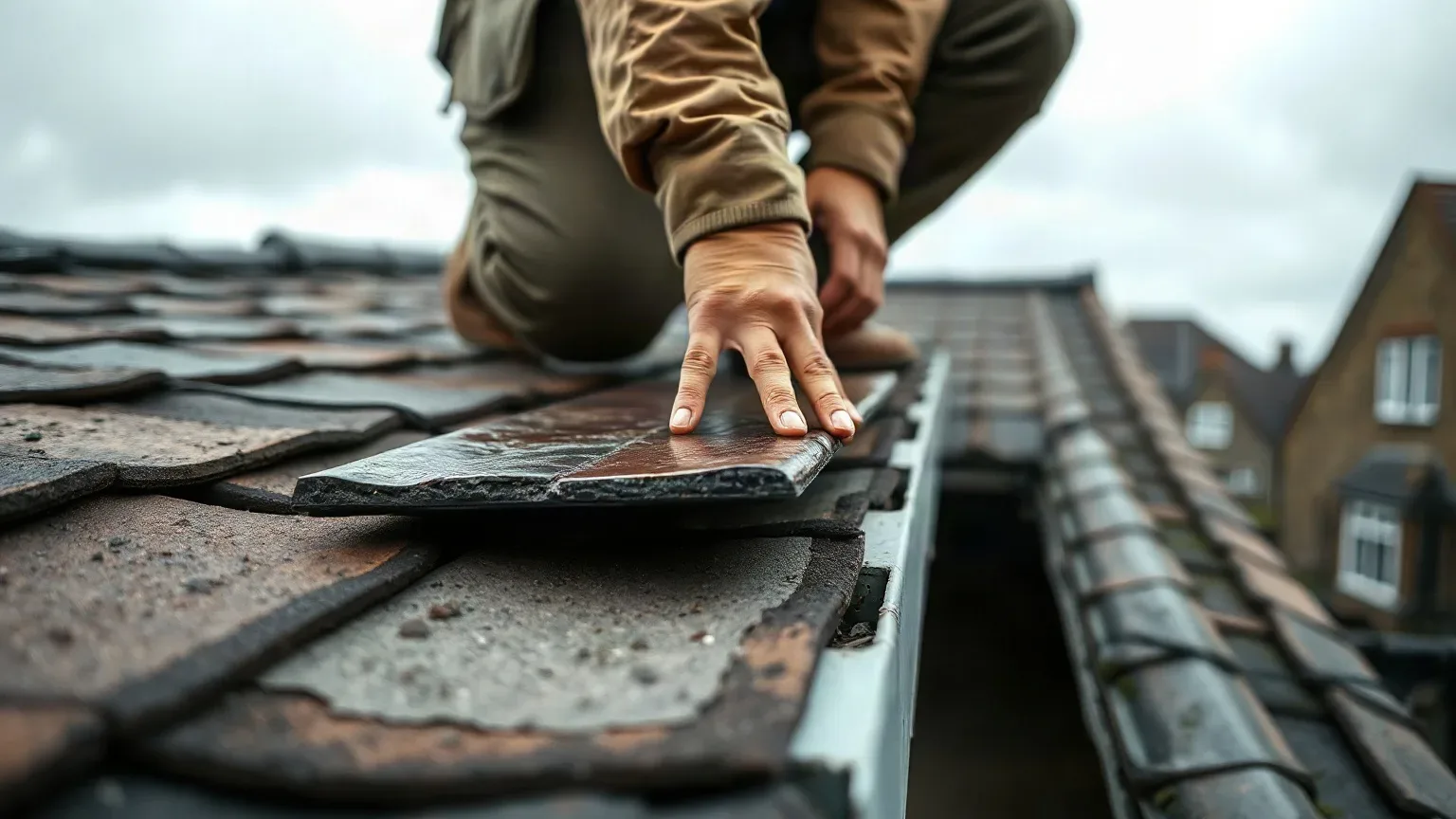
New natural slate from Welsh or Scottish quarries carries a lifespan of 80–150 years with proper maintenance. Reclaimed slate from a well-graded batch can perform comparably, because the stone has already survived decades of freeze-thaw cycles and proved itself structurally sound. Poorly graded reclaimed slate, however, is a different matter: soft, delaminating, or porous slates will fail within years. Quality grading is therefore the single most important factor when sourcing reclaimed material.
The Environmental and Planning Case
Using reclaimed slate avoids the quarrying, cutting, and shipping energy embedded in new slate. For Edinburgh homeowners on a conservation area street or with a listed building, reclaimed Scottish slate is often the material planning officers expect to see. Using it avoids lengthy negotiations over alternative materials and keeps your application straightforward.
Edinburgh City Council's conservation guidance covers large parts of the New Town, Stockbridge, Bruntsfield, and Newington. Roofing decisions in these areas attract scrutiny. Reclaimed slate that matches the original specification is usually the path of least resistance through the planning process.
Reclaimed Slate Suppliers Edinburgh
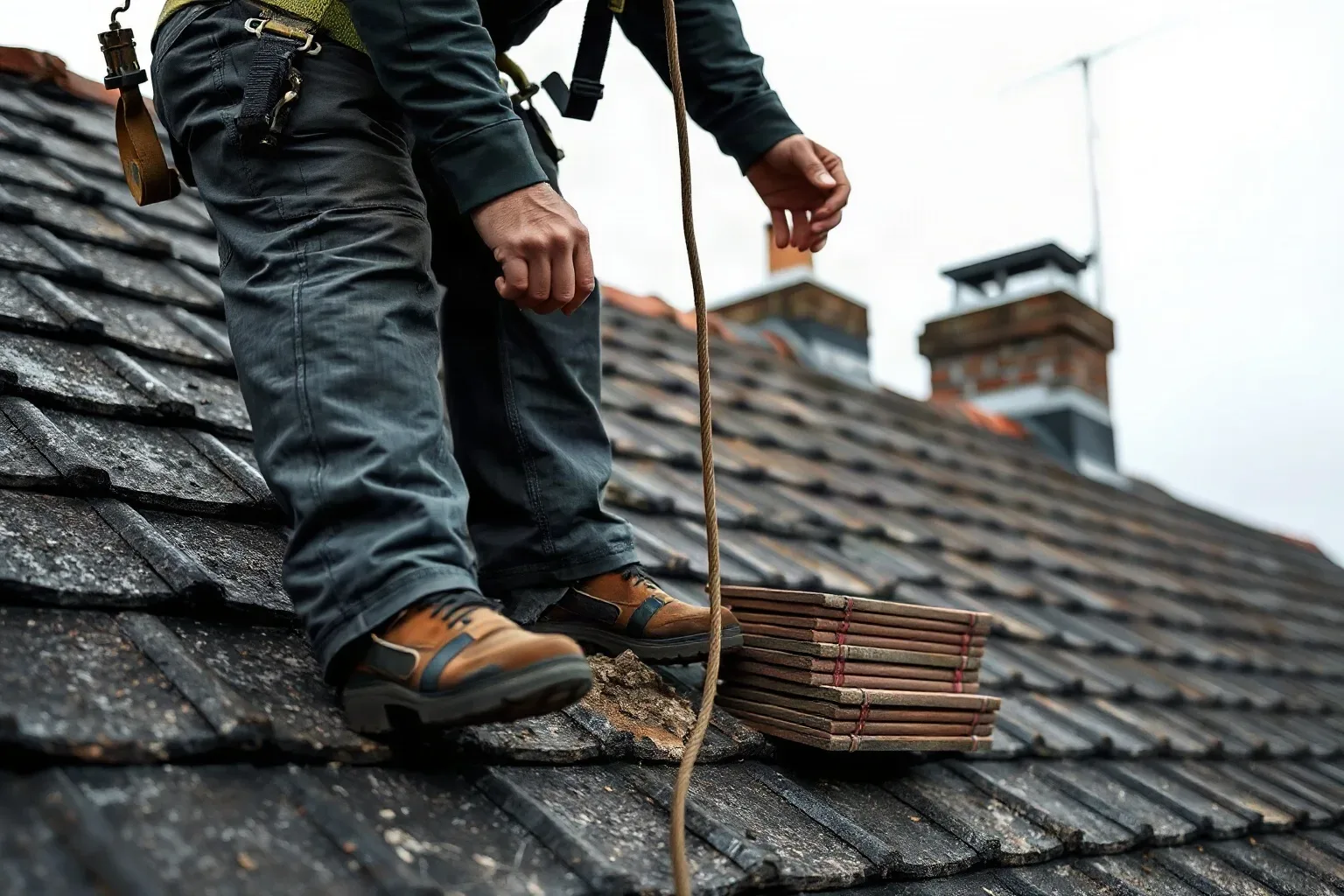
Several architectural salvage yards and specialist roofing merchants within or close to Edinburgh stock reclaimed slate. The Lothians have a reasonable number of salvage businesses that source material locally from demolition projects across Central Scotland. Stock varies considerably week to week, so contacting suppliers directly before specifying a quantity is essential.
When approaching a supplier, ask:
- Origin: Scottish-quarried reclaimed slate, such as Ballachulish or Caithness, is the closest visual match to traditional Edinburgh roofs.
- Grade: Look for suppliers who sort by thickness, soundness, and size. Reject batches with visible delamination or a hollow sound when tapped.
- Quantity: Over-order by at least 10–15% to account for breakage during installation and to keep a stock of matching spares for future repairs.
- Certifications or guarantees: Some suppliers offer a limited performance guarantee; most salvage yards sell as seen, so inspection matters.
What Reclaimed Slate Costs
Reclaimed slate is generally priced per slate or per hundred. Supply costs vary significantly depending on origin, grade, and current availability, so treat any figure as a starting point rather than a fixed price. Installation costs depend on the complexity of the roof, access requirements, and the extent of any batten or felt replacement needed underneath.
For minor repairs using reclaimed slates, expect to pay £150–£400 for a single slate replacement up to a small patched section. A full roof replacement on an average Edinburgh semi-detached runs £6,000–£15,000, with the specific figure driven by roof size, pitch, access, and material choice. Using reclaimed rather than new slate can reduce material costs, though the saving depends entirely on what a supplier is charging at the time you buy.
What to Expect During Installation
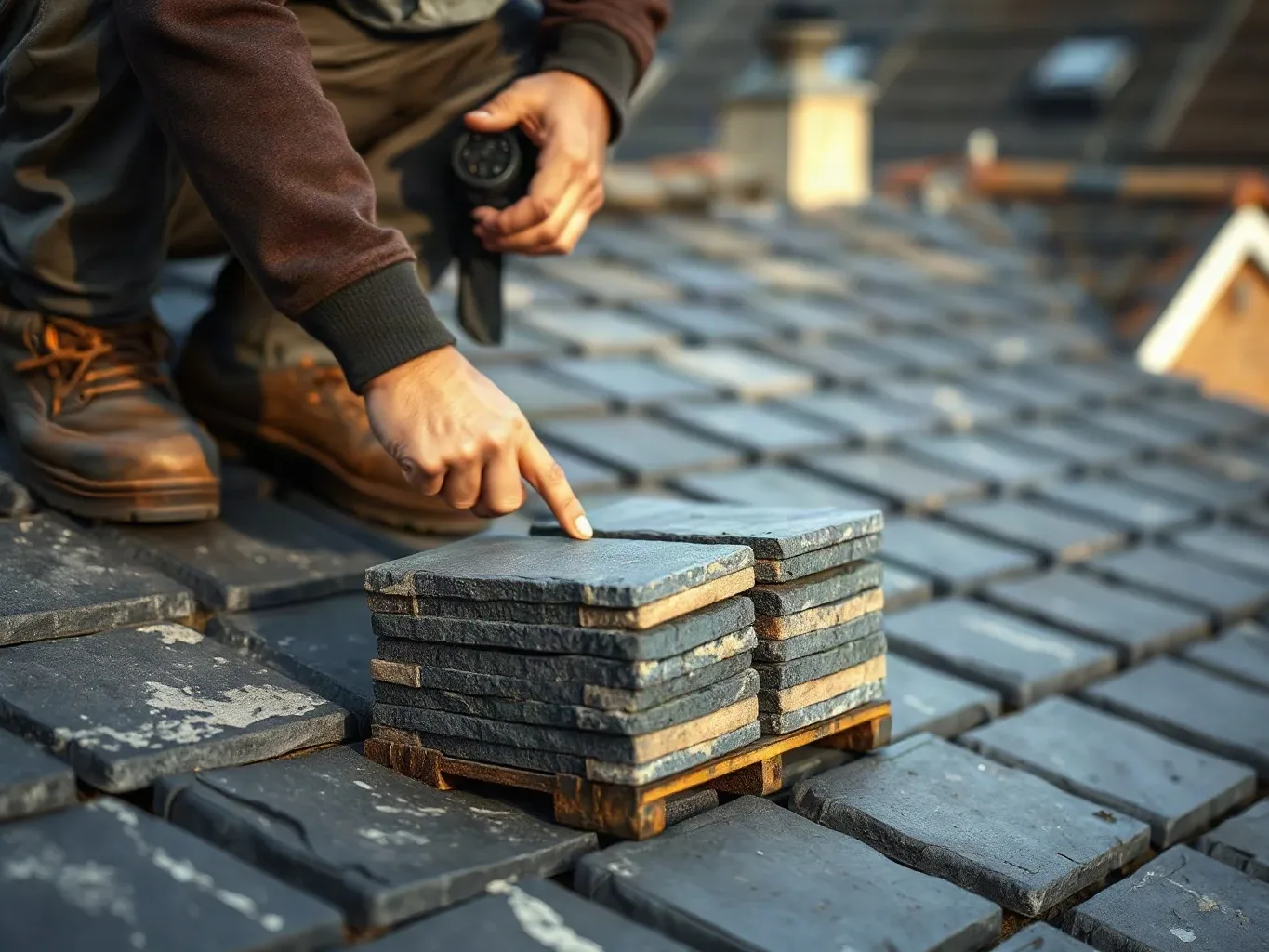
A competent roofer will inspect the existing roof structure before any slates go on. Sarking boards, the timber decking beneath the slates, can deteriorate over decades, particularly on older Edinburgh properties where the original build predates breathable underlay. Replacing rotten sarking or adding an underlay layer adds cost but protects the investment in the slate above.
Reclaimed slates are fixed using copper or stainless steel nails, not galvanised steel, which corrodes and causes nail-sickness failure within 20–30 years. Each slate is bedded at the correct pitch for your roof angle, with a consistent headlap to prevent water ingress. On a typical Edinburgh terraced roof, a full replacement might take a crew three to five days, though weather windows in Scotland mean programmes often stretch longer.
Flashings and Ridge Work
Lead flashings at chimney stacks, valleys, and abutments are standard practice on Scottish slate roofs. If your existing lead is in good condition, a roofer may reuse it. Deteriorated lead should be replaced at the same time as the slates; returning to re-flash a new roof shortly after installation is a false economy. Ridge tiles on reclaimed slate roofs are typically bedded in lime mortar rather than modern cement, which allows movement without cracking.
Matching Reclaimed Slate to Your Existing Roof
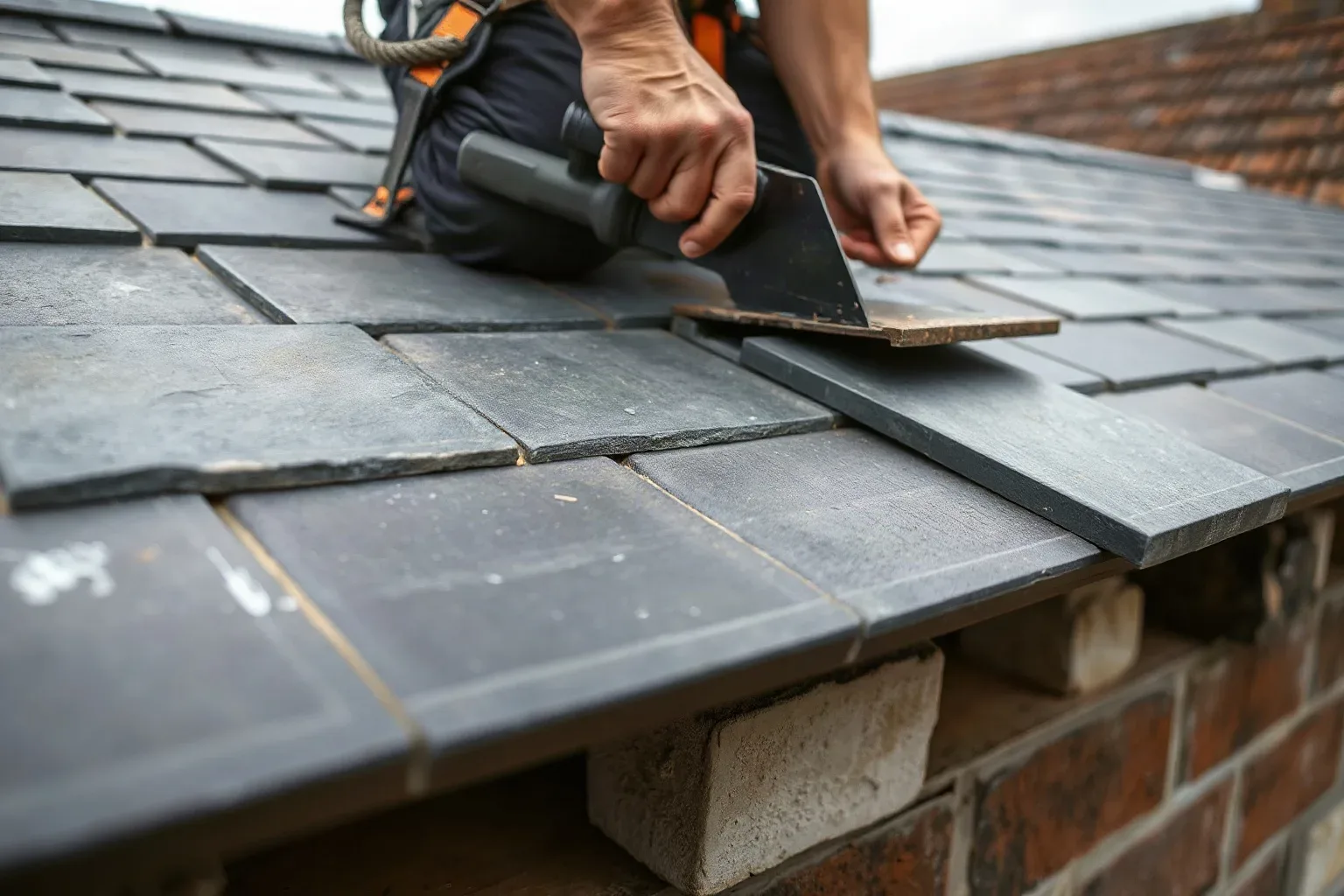
Edinburgh roofs span several distinct slate types. Ballachulish slate is blue-grey with a distinctive grain. Caithness flagstone, sometimes used on older properties in the city, is lighter and thicker. Welsh slate, which arrived in large quantities during Victorian expansion, is typically a darker blue-purple.
Identifying what is already on your roof before sourcing reclaimed material saves significant time and avoids a patchwork appearance after repairs.
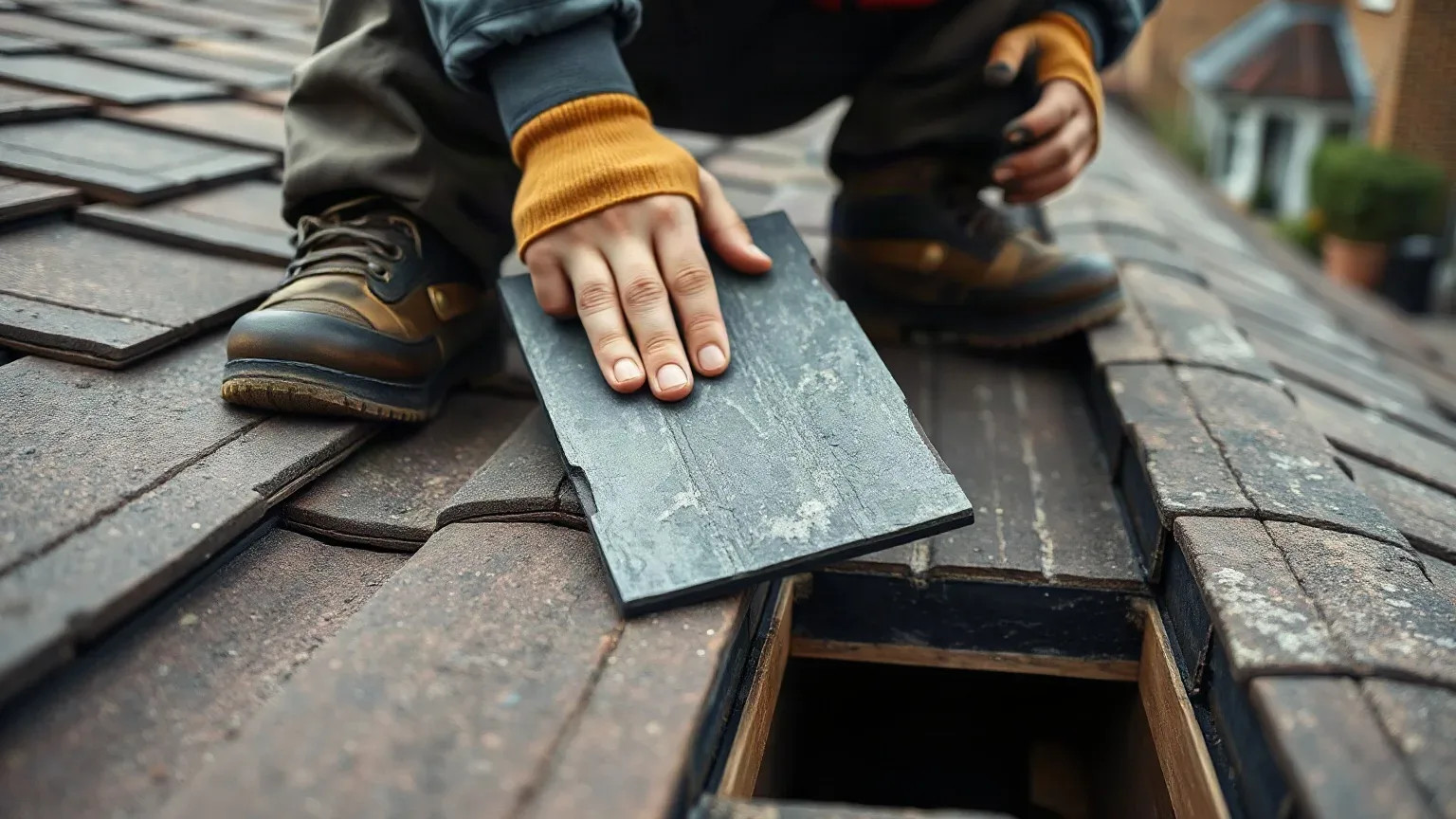
A roofer experienced in Edinburgh properties will usually identify the existing slate on sight. If there is uncertainty, send a sample slate to a supplier for comparison before committing to a batch. Colour variation between salvaged batches is normal and often acceptable once the material weathers in, but thickness and size differences are harder to conceal.
Finding the Right Contractor
Not every roofing contractor works regularly with reclaimed slate. Ask specifically whether the firm has experience sourcing and installing reclaimed Scottish slate in Edinburgh, and request examples of previous projects. An NFRC-registered or equivalent approved roofing contractor offers a recognised baseline of quality assurance; confirm the accreditation is current before work begins.
For a standard roof inspection and written survey, budget £150–£300. This cost is worthwhile before any major reclaimed slate project because it identifies underlying structural issues before you commit to materials and installation contracts. Emergency callout charges run £60–£120 on a standard weekday and £150–£300 for out-of-hours, evening, or weekend call-outs if storm damage needs immediate attention.
Coverage across all Edinburgh postcodes, EH1–EH17, and the surrounding Lothians is available. If your property has suffered storm damage and needs temporary protection while a reclaimed slate solution is planned, emergency roof tarping costs £200–£500 as a weatherproofing measure before permanent repairs begin.
To move forward, contact a local contractor, describe your roof type, note the approximate area, and ask for a written quotation that separates material supply from labour. That document gives you a clear basis for comparing firms and planning your budget.
Frequently Asked Questions
What Is Reclaimed Slate Roofing and Is It Suitable for Edinburgh Homes?
Reclaimed slate roofing uses natural slate salvaged from demolished or re-roofed buildings, cleaned, graded, and installed on new roofs. It is well suited to Edinburgh because much of the city's existing housing stock was originally roofed in Scottish or Welsh slate, so reclaimed material matches established roof colours and textures far more closely than modern alternatives. Well-graded reclaimed Scottish slate can last 80–150 years with proper maintenance, comparable to new natural slate.
Where Can I Find Reclaimed Slate Suppliers in Edinburgh?
Several architectural salvage yards and specialist roofing merchants in Edinburgh and the wider Lothians stock reclaimed slate, sourcing material from demolition projects across Central Scotland. Stock levels vary week to week, so contact suppliers directly to confirm availability, batch size, and origin before specifying quantities. When you visit, ask about slate origin, grading quality, and whether the supplier offers any performance guarantee, as most salvage yards sell material as seen.
How Much Does Reclaimed Slate Roofing Cost in Edinburgh?
Minor repairs using reclaimed slate, such as single slate replacement up to a small patched section, typically cost £150–£400. A full roof replacement on an average Edinburgh semi-detached ranges from £6,000–£15,000, depending on roof size, pitch, access difficulty, and whether sarking or underlay replacement is needed. Using reclaimed rather than new slate can reduce material costs, though the saving depends on current supplier pricing and availability.
How Do I Match Reclaimed Slate to My Existing Edinburgh Roof?
Start by identifying the slate type already on your roof: Ballachulish slate is blue-grey with a distinct grain, Welsh slate is typically darker blue-purple, and Caithness flagstone is lighter and thicker. An experienced Edinburgh roofer can usually identify existing slate on sight. If you are uncertain, send a sample slate to a supplier for comparison before committing to a batch, and over-order by at least 10–15% to cover breakage and future repairs.
Do I Need Planning Permission to Use Reclaimed Slate in Edinburgh?
In many parts of Edinburgh, including the New Town, Stockbridge, Bruntsfield, and Newington, properties sit within conservation areas where roofing materials attract planning scrutiny. Reclaimed Scottish slate that matches the original specification is usually what planning officers expect to see, which typically keeps applications straightforward. Listed buildings require listed building consent for roofing changes, and using matching reclaimed slate is generally the most straightforward material choice in those cases.