Lead Flashing Replacement Edinburgh
Lead flashing is the strip of soft metal folded into junctions between your roof covering and vertical surfaces: chimney stacks, dormer walls, skylights, and parapet walls. When it fails, water tracks silently into the roof structure and can saturate insulation, rot timbers, and stain ceilings before you notice anything is wrong. Edinburgh's freeze-thaw winters accelerate the cracking and lifting that eventually make replacement unavoidable.
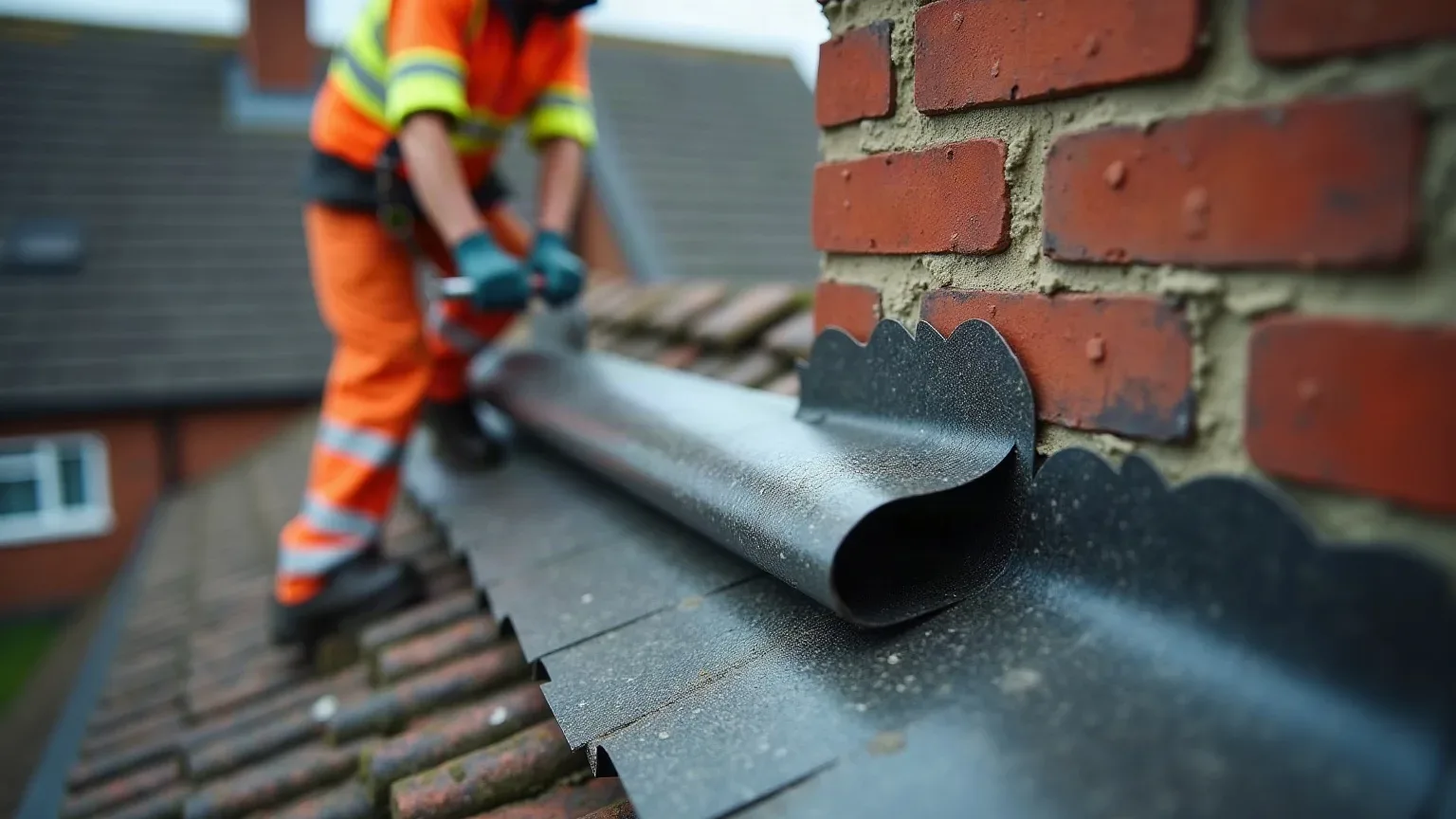
Why Lead Flashing Deteriorates Faster in Edinburgh
Edinburgh sits in a climate where temperatures regularly dip below freezing in January and February, then climb sharply in spring. That cycle causes lead to expand and contract repeatedly, weakening the mortar joints that hold stepped and cover flashings in place. Salt-laden easterly winds off the Forth add a secondary corrosion pressure that inland cities rarely face.
Older properties throughout the EH1–EH17 postcode area, particularly the stone-built tenements and Victorian villas in Morningside, Newington, and Leith, often have original lead that is 50 or more years old. Lead itself can last a century if correctly installed, but poor original workmanship or past bodged repairs shorten that lifespan considerably. Hairline cracks along roll joints and lifted sections at chimney abutments are the two most common failure points our roofers see across Edinburgh.
Signs You Need Lead Flashing Replacement
Water staining on the ceiling directly below a chimney breast is the clearest warning sign. Damp patches that appear only after heavy rain, and dry out in calm weather, point to a flashing breach rather than a slipped slate. If you can see daylight or open mortar gaps from the ground when the flashing meets the brickwork, replacement is overdue.
Spotting green or white oxidation on the lead surface is normal and harmless. Cracks, splits, or sections that have lifted entirely away from the abutment are not. A professional roof inspection, typically costing £150–£300 with a written report, confirms the extent of the damage before any work is priced.
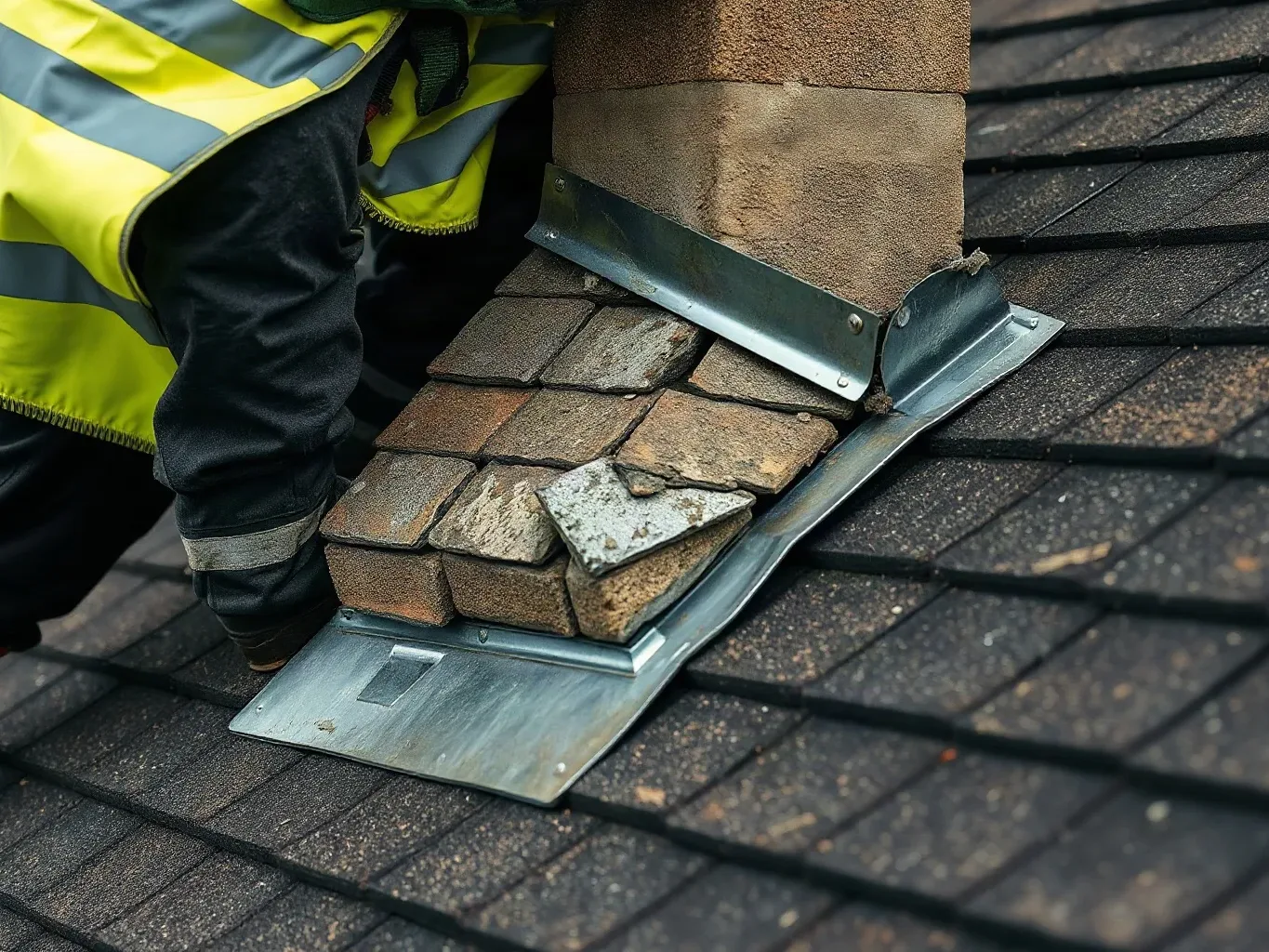
The Replacement Process - What to Expect
Initial Survey and Access
A roofer will assess the flashing from scaffold, a cherry picker, or a secured ladder, depending on the height and pitch of your roof. Edinburgh's tenemental properties often require communal stair access or agreement with adjacent owners for scaffold positioning, so factor in a few days for planning before work starts. The survey confirms whether individual sections or the entire flashing run needs replacing.
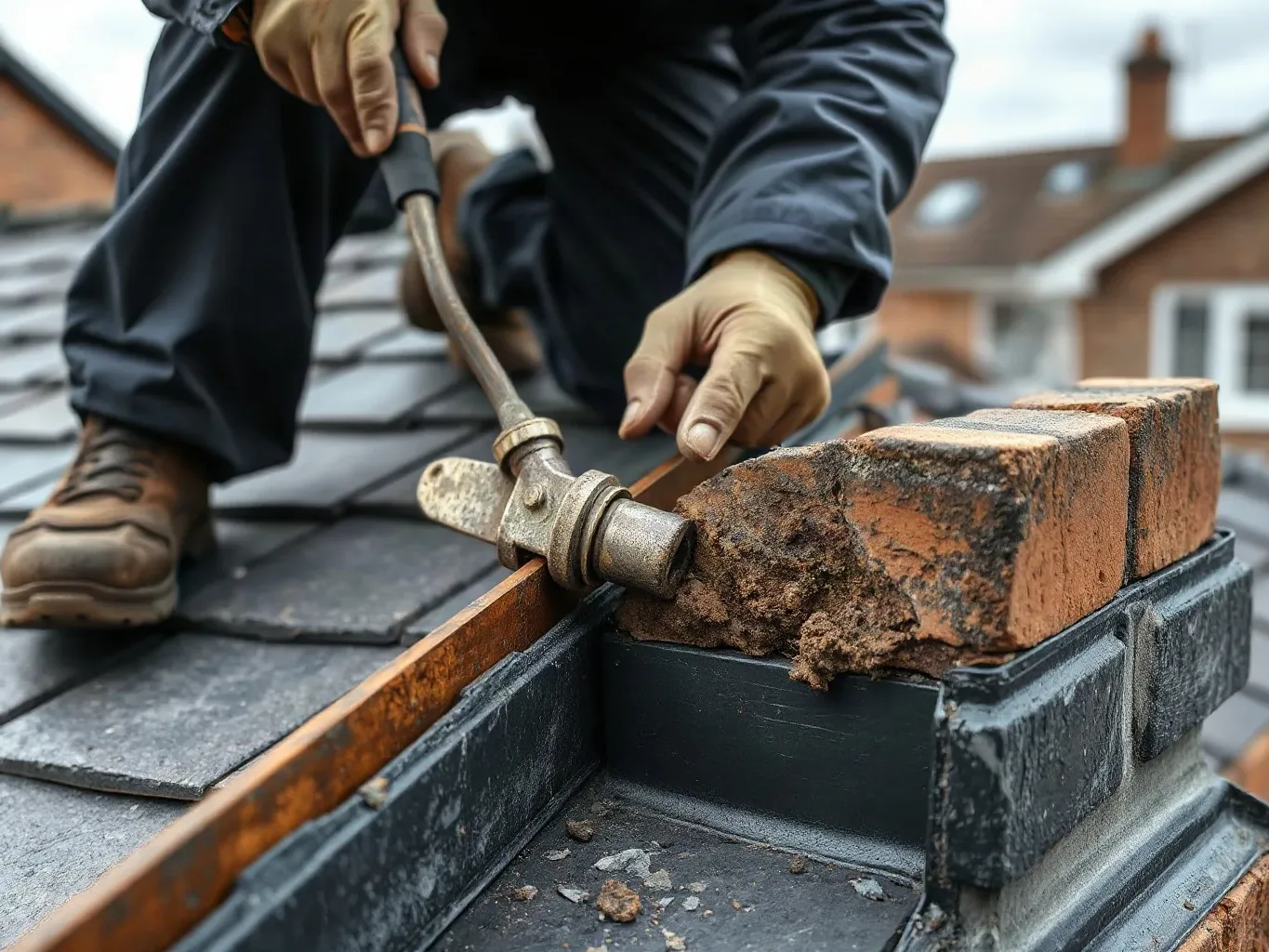
Removing Old Flashing and Raking Mortar
Deteriorated lead is stripped back from the abutment and the mortar chase, the groove cut into the masonry, is raked clean. Old code-3 or code-4 lead (the common historic thicknesses, referring to pounds per square foot of original imperial specification) is often recycled; lead has strong scrap value. The masonry is checked for cracks or spalling at this stage, because crumbling stone behind the flashing will cause premature failure in new lead if left unaddressed.
New Lead Installation
Replacement flashing is cut from new code-4 or code-5 lead sheet, heavier gauges being more appropriate for exposed Edinburgh rooflines. Roofers form stepped flashings at chimney sides, apron flashings at the front face, and back gutters behind the stack. Each section is dressed carefully into the chase and secured with lead wedges before the joint is pointed with a flexible mortar or specialist sealant rated for external use. The entire run should have no gaps and all overlaps should shed water downward, never allow it to pool.
Pointing and Finishing
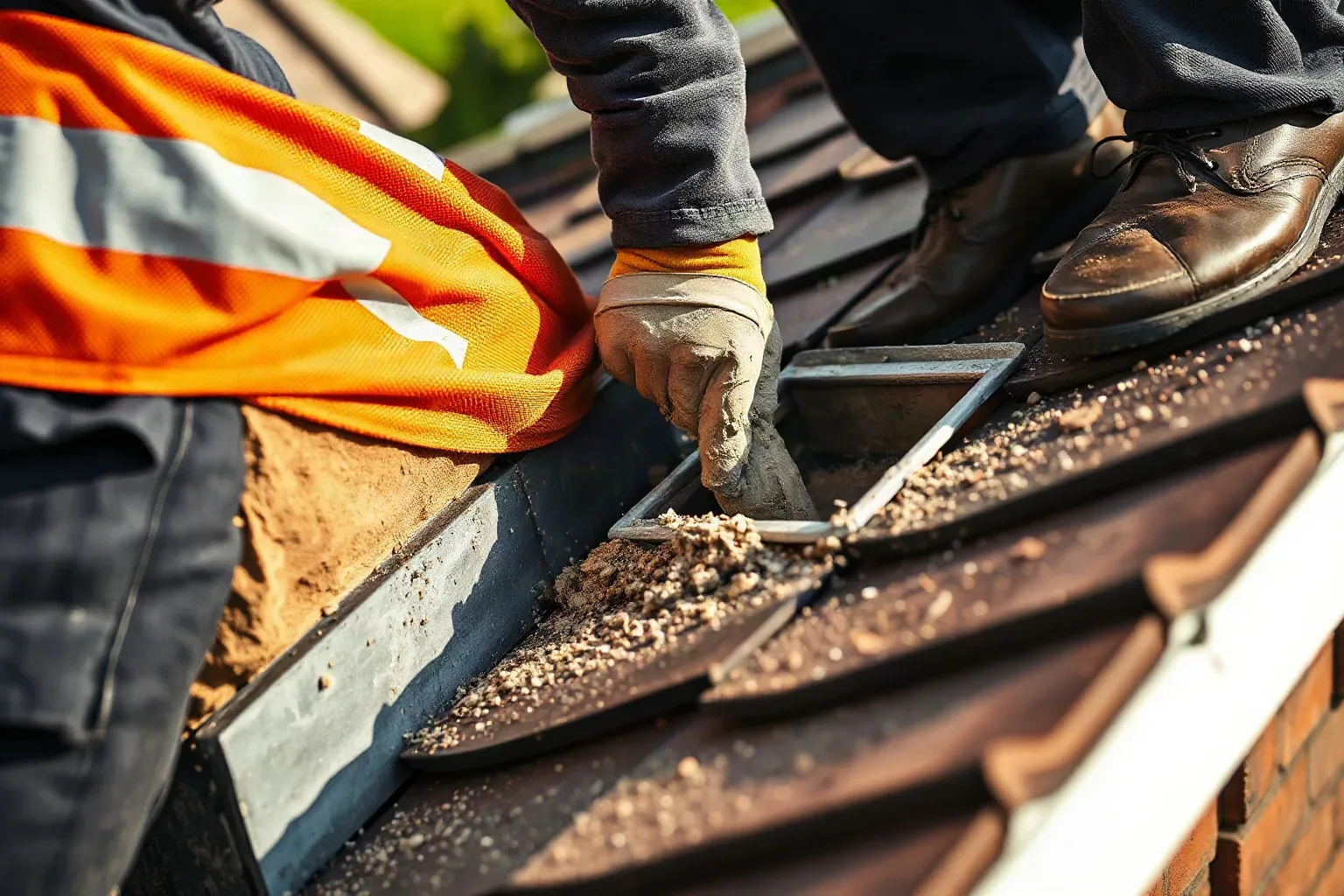
Once the lead is positioned, the chases are pointed with a mortar mix compatible with the existing masonry. For Edinburgh's sandstone properties, a lime-based mortar is usually correct; hard cement mortars can damage soft stone over time. The finished flashing should lie flat, follow the line of the roof covering, and show no lifted edges.
Lead Flashing Replacement Cost Edinburgh
The cost varies by the length of flashing run, the type of abutment, and access requirements. Chimney repointing carried out at the same visit often runs £300–£800 depending on stack height and the amount of mortar decay. For flashing work alone, most Edinburgh jobs covering a standard chimney stack fall into the minor roof repair band.
Expect to pay in the region of £150–£400 for a small section or single chimney apron flashing. Larger runs around dormers or full chimney stacks with stepped sides, back gutter, and apron combined typically cost more and should be quoted on site. Emergency callouts, if a storm has blown flashing loose overnight, carry out-of-hours rates of £150–£300 on top of the repair cost itself.
Getting two or three written quotes is straightforward for non-urgent work. For active leaks in wet weather, call the emergency line, available 24 hours a day, 7 days a week, and a roofer can typically reach you within 1–2 hours across Edinburgh city postcodes.
Choosing the Right Contractor
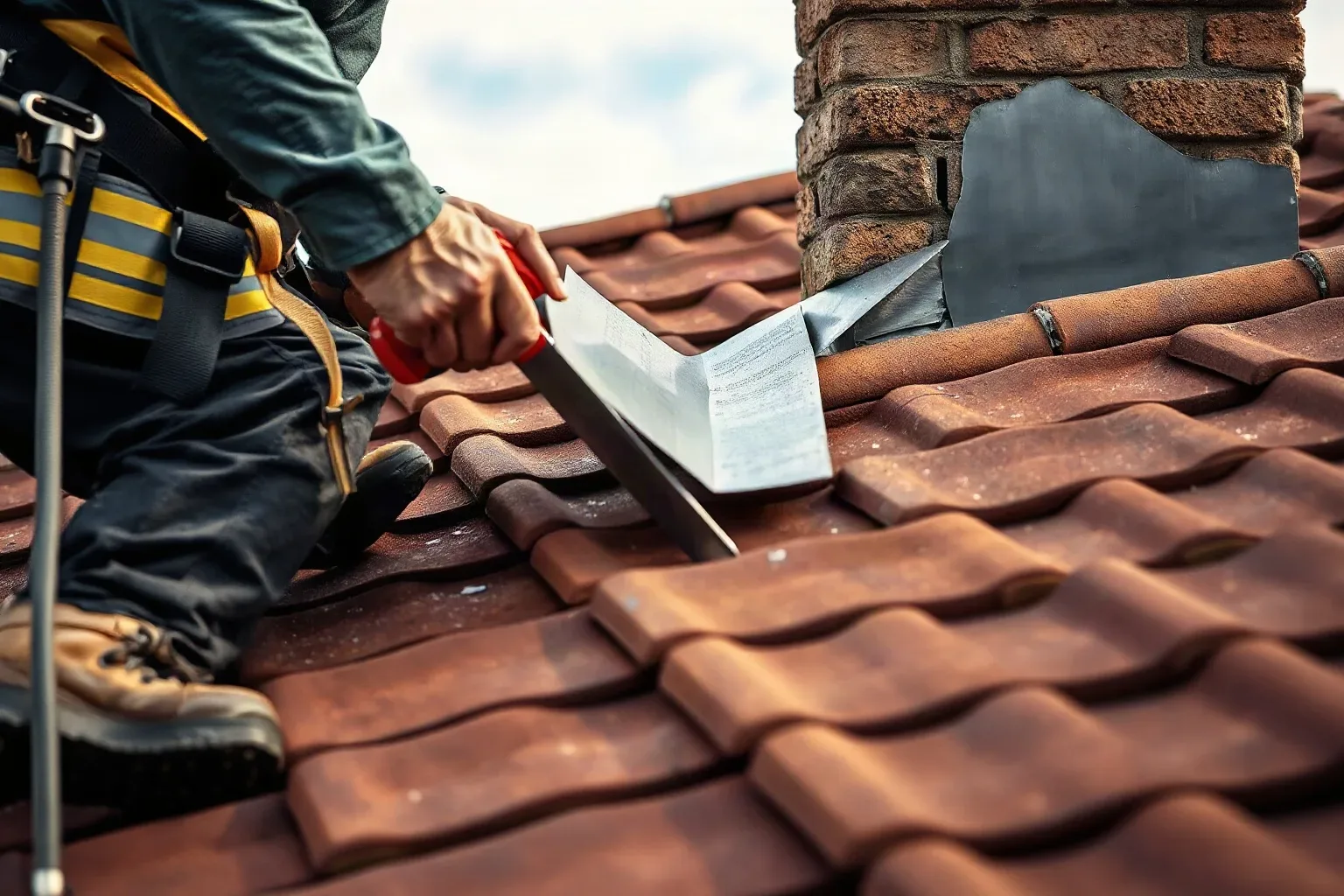
Lead flashing work should be carried out by an NFRC-registered contractor or equivalent approved roofing contractor. The NFRC (National Federation of Roofing Contractors) sets standards for material specification and installation practice. Membership is verifiable online, which gives you a straightforward check before agreeing to any quote.
Avoid contractors who suggest using lead-effect aluminium tape or rubberised flashing strips as a like-for-like replacement for code lead. These materials are acceptable as temporary weatherproofing but not as permanent solutions on Edinburgh's wind-exposed rooflines. Ask explicitly whether new lead will be cut and dressed on site, or whether pre-formed sections are being used, as site-dressed lead produces a more reliable result on stone abutments with irregular profiles.
Repairs vs Full Replacement
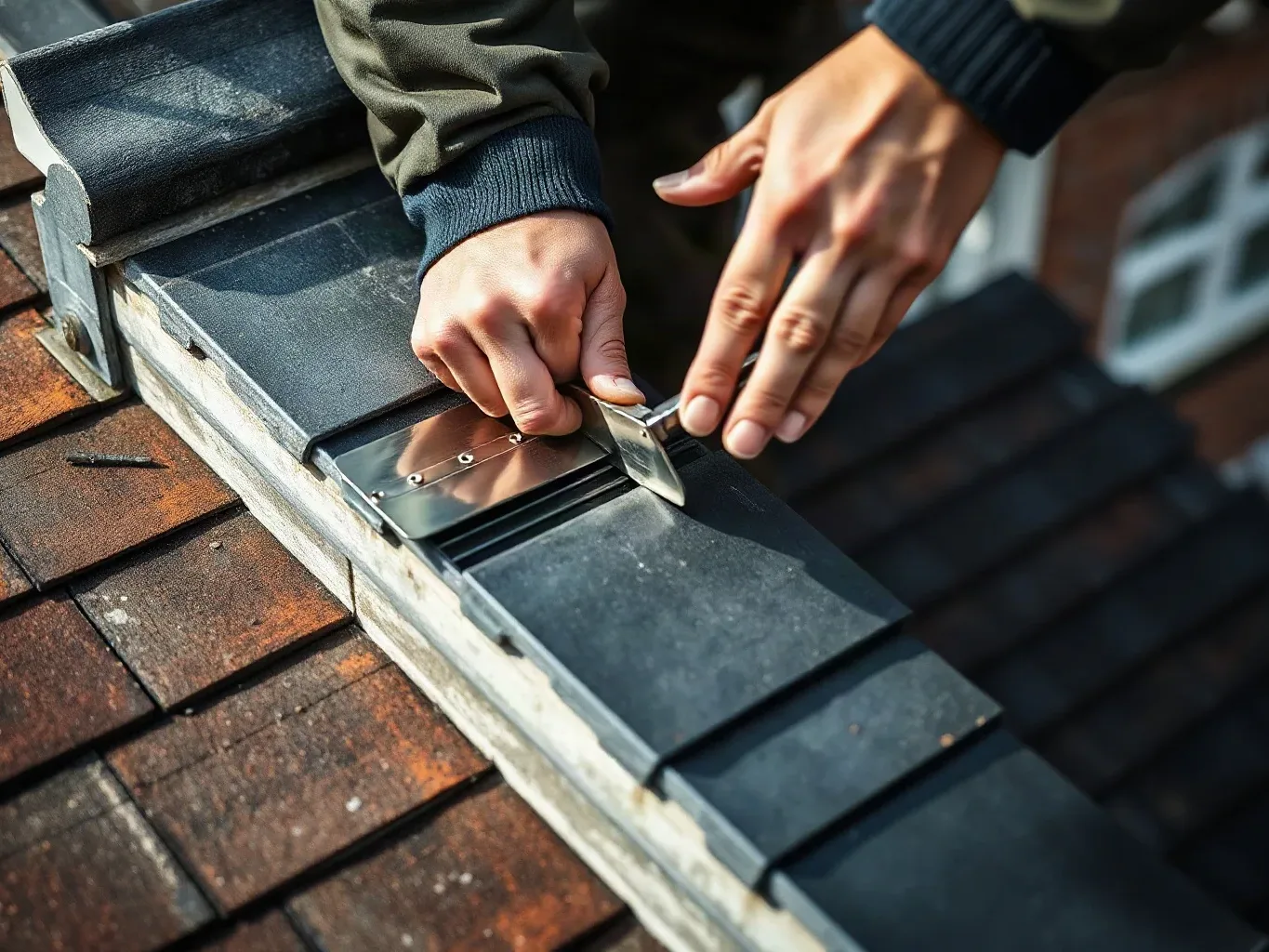
Not every deteriorating flashing needs complete replacement. A localised crack in an otherwise sound section can be repaired with a properly lapped lead patch, dressed and secured correctly. Full replacement is the right call when the lead has multiple cracks across its width, when it has lifted from the chase along more than a short run, or when the material has thinned significantly through oxidation and flexing over decades.
A roofer who quotes full replacement without explaining why individual repairs are not viable should be asked to justify the assessment. Equally, one who patches repeatedly without addressing the root cause, often a poorly constructed original chase or a cracked masonry abutment, is costing you money over time. The inspection report you receive should make the reasoning clear.

Temporary Weatherproofing While You Wait
If water is actively entering through failed flashing during bad weather, emergency roof tarping covers the affected area while a permanent repair is arranged. Tarping for a typical Edinburgh property runs £200–£500 and buys time without letting the damage spread to timbers or plasterwork below. It is not a substitute for replacement but can prevent a repair job from becoming a structural one.
Call the emergency line as soon as you identify an active leak. A roofer attending at short notice will apply temporary cover and assess whether the underlying masonry or timber has already been affected.
Frequently Asked Questions
Lead Flashing Replacement Cost Edinburgh
A small section or single chimney apron flashing typically costs £150–£400 in Edinburgh. A full chimney stack with stepped sides, back gutter, and apron combined will be higher and should be quoted on site. Out-of-hours emergency callouts carry an additional charge of £150–£300 on top of the repair cost.
Replace Lead Flashing Edinburgh - How Quickly Can a Roofer Attend?
For emergency callouts, roofers covering Edinburgh city postcodes (EH1–EH17) aim to attend within 1–2 hours. The emergency line operates 24 hours a day, 7 days a week. For non-urgent replacement work, most contractors can schedule within a few days to a week depending on current demand.
How Long Does Lead Flashing Last?
Properly installed code-4 or code-5 lead flashing can last 80–100 years or more. Failure occurs much sooner if the original installation was poor, if the mortar chase is damaged, or if the lead is too thin for the exposure level. Edinburgh's freeze-thaw climate and coastal winds can accelerate deterioration in substandard installations.
Can Lead Flashing Be Repaired Rather Than Fully Replaced?
Yes, localised cracks in an otherwise sound section can often be repaired with a properly dressed lead patch. Full replacement is necessary when the lead has multiple cracks across its width, has lifted from the chase along a significant run, or has thinned considerably through years of flexing. A written inspection report should explain which option applies to your roof.
Do I Need Planning Permission to Replace Lead Flashing in Edinburgh?
Standard lead flashing replacement on a domestic property is generally permitted development and does not require planning permission. However, if your property is in a conservation area or is a listed building, you may need listed building consent or prior notification before work begins. Check with Edinburgh City Council or your contractor before proceeding on any protected building.