Chimney Flashing Repair Edinburgh
What Chimney Flashing Actually Does
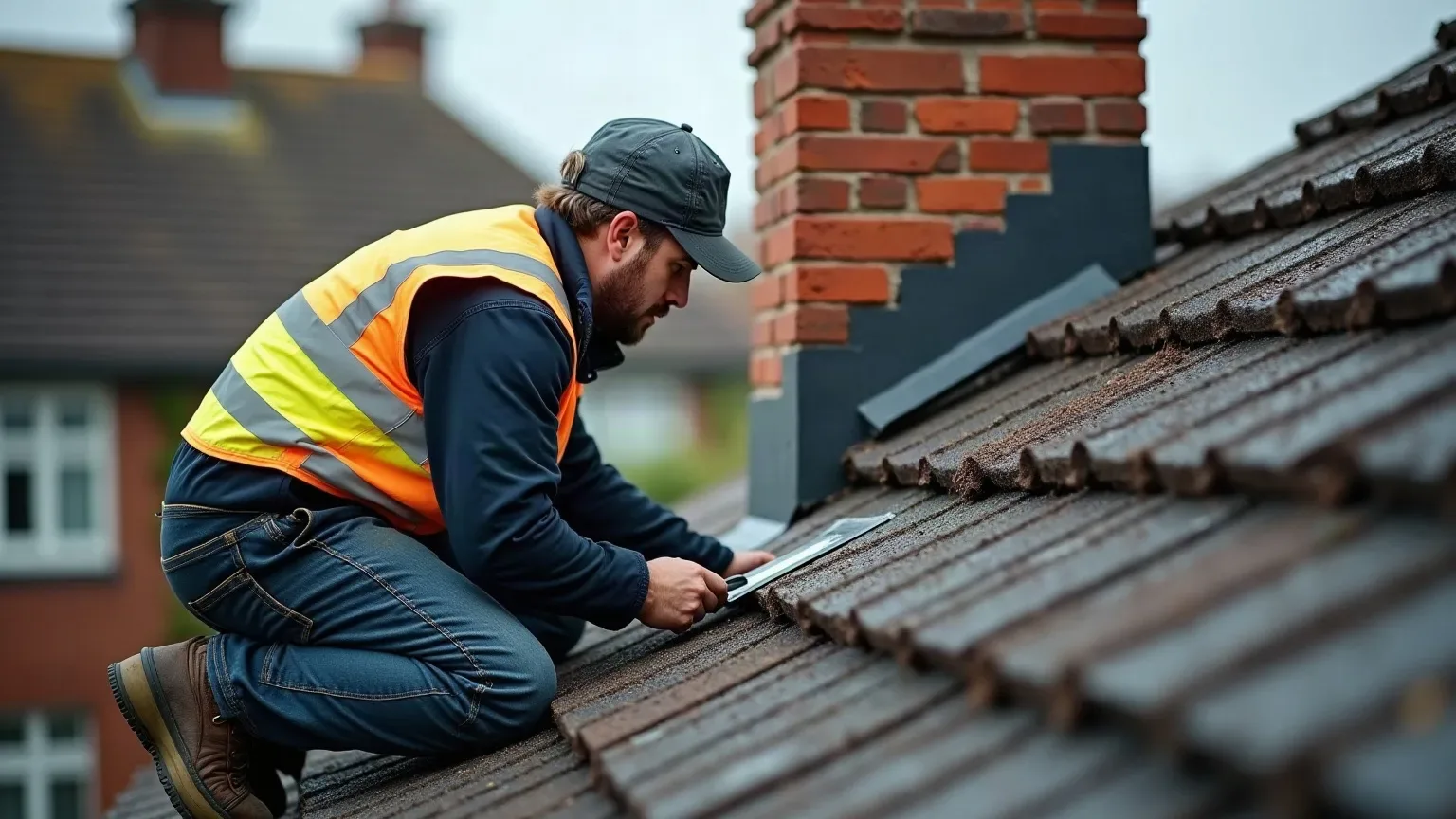
Flashing is the weatherproof seal between your chimney stack and the surrounding roof covering. In Edinburgh, where driving rain arrives from the west and stacks on Victorian and Edwardian terraces are tall and exposed, a failed flashing joint is one of the most common causes of internal water damage. Without an intact seal, rainwater tracks behind the stack, saturates the felt or sarking board beneath, and eventually appears as a ceiling stain or damp patch on a bedroom wall.
Most Edinburgh chimneys use lead flashing, either as step flashing cut into the mortar joints of the brickwork or as a continuous apron around the base. Lead is the preferred material because it expands and contracts with temperature without cracking, and a well-fitted lead flashing on a sound stack can last 50 years or more. However, the mortar that secures the lead into the brick joints, called pointing or a chase, degrades over time and lets the lead lift away from the wall.
Signs Your Flashing Needs Attention
A leak directly behind or beside the chimney breast, rather than at a random point on the ceiling, usually points to the flashing junction. You may also see orange iron-staining on render or masonry below the stack, which indicates water has been tracking behind the lead for some time. In a loft space, look for wet or compressed mineral wool insulation tight against the back of the chimney, or dark tide marks on the rafters around the stack.
Two other common indicators are visible daylight between the lead and the brickwork when viewed from the roof, and cracked or missing fillet mortar at the base of the stack. Neither problem resolves itself. Edinburgh's freeze-thaw cycles through winter widen any gap year on year, so a small separation in October can become a significant breach by March.


Repair or Full Replacement - Which Do You Need?
The answer depends on the age of the existing lead and the extent of mortar failure. If the lead sheet itself is intact and the problem is limited to a loose or crumbling mortar chase, a roofer can re-secure and repoint the flashing without replacing the lead. That is the most cost-effective outcome and the right call when the lead is in reasonable condition.
Full replacement becomes necessary when the lead has split, developed pinholes, or been repaired with mastic or bitumen tape at some earlier point. Temporary sealants hide the symptom without fixing the cause, and they degrade faster than lead. A roofer who finds multiple layers of repair compound over old lead will almost always recommend starting fresh.
Step Flashing vs. Soaker Flashing
Step flashing runs up the side of the stack in overlapping L-shaped sections that interleave with each slate or tile course. Soakers are flat pieces of lead that sit under each slate and lap onto the step. Together they form a two-part system that handles water moving down the roof slope and water driven sideways by wind. A chimney on a steep Edinburgh pitch, common on late Victorian terraces in Morningside or Marchmont, relies heavily on the soaker layer, and if soakers were omitted during a previous reroofing job, leaks are almost inevitable.
What the Repair Process Looks Like
A competent roofer will begin with a roof inspection, which typically costs £150–£300 and includes a written report. Drone surveys are also available and sit toward the upper end of that range. The inspection identifies whether the problem is isolated to the flashing or whether the stack itself has mortar erosion that needs addressing at the same time.
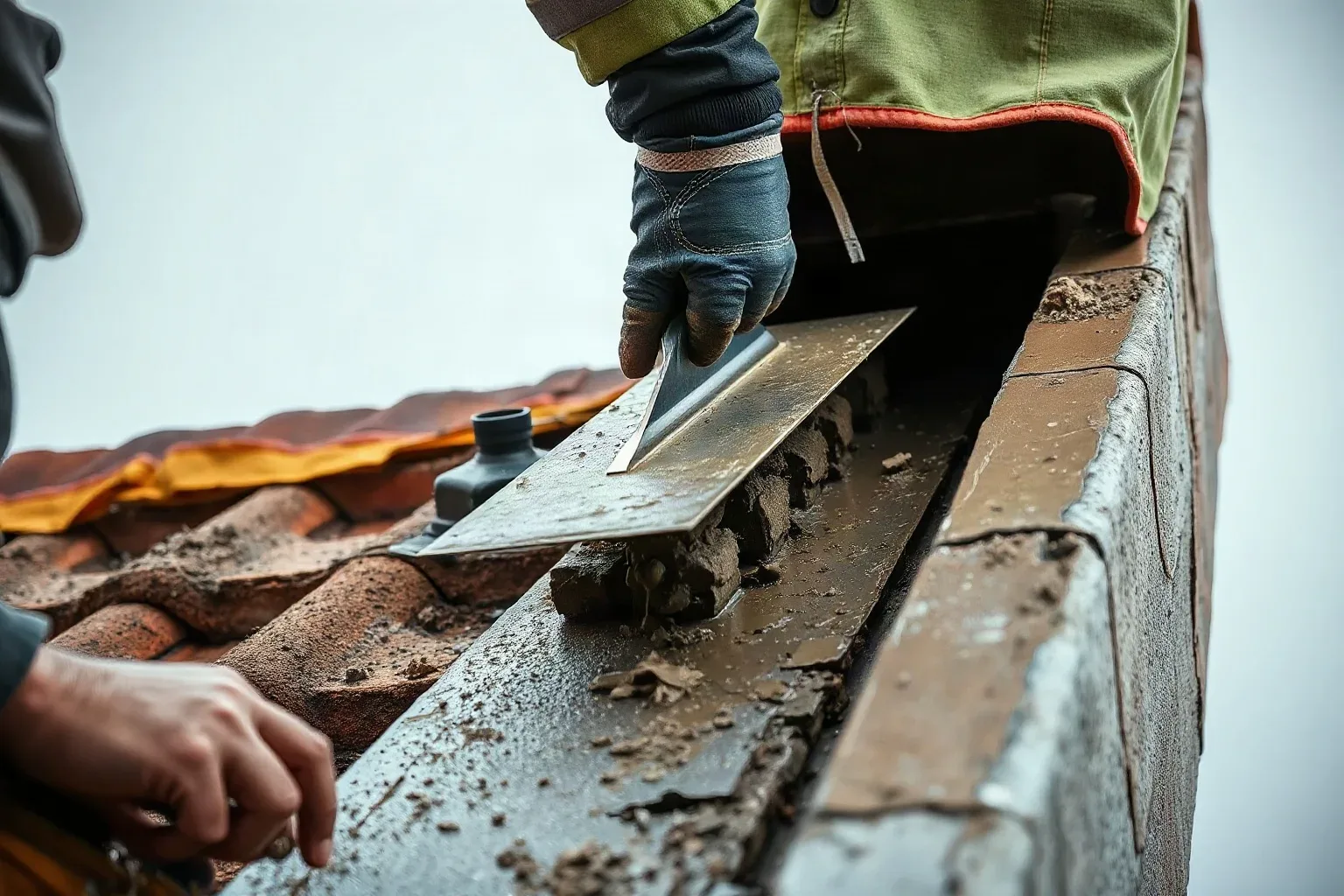
For a straightforward lead flashing repair on a single section or small patch, budget £150–£400. That covers cutting out the failed mortar chase, refixing or replacing the lead, and repointing the chase with a lime-compatible mortar mix appropriate for older Edinburgh stonework. Chimney repointing, if the whole stack needs attention, costs £300–£800 depending on stack height, access requirements, and the extent of decay.
If scaffolding is required rather than a simple ladder-and-boards setup, that adds to the total cost but provides a safer working platform for the roofer and better results on a complex repair. Most contractors will include scaffolding costs in their quote rather than itemising them separately.
Emergency Callouts and Temporary Cover
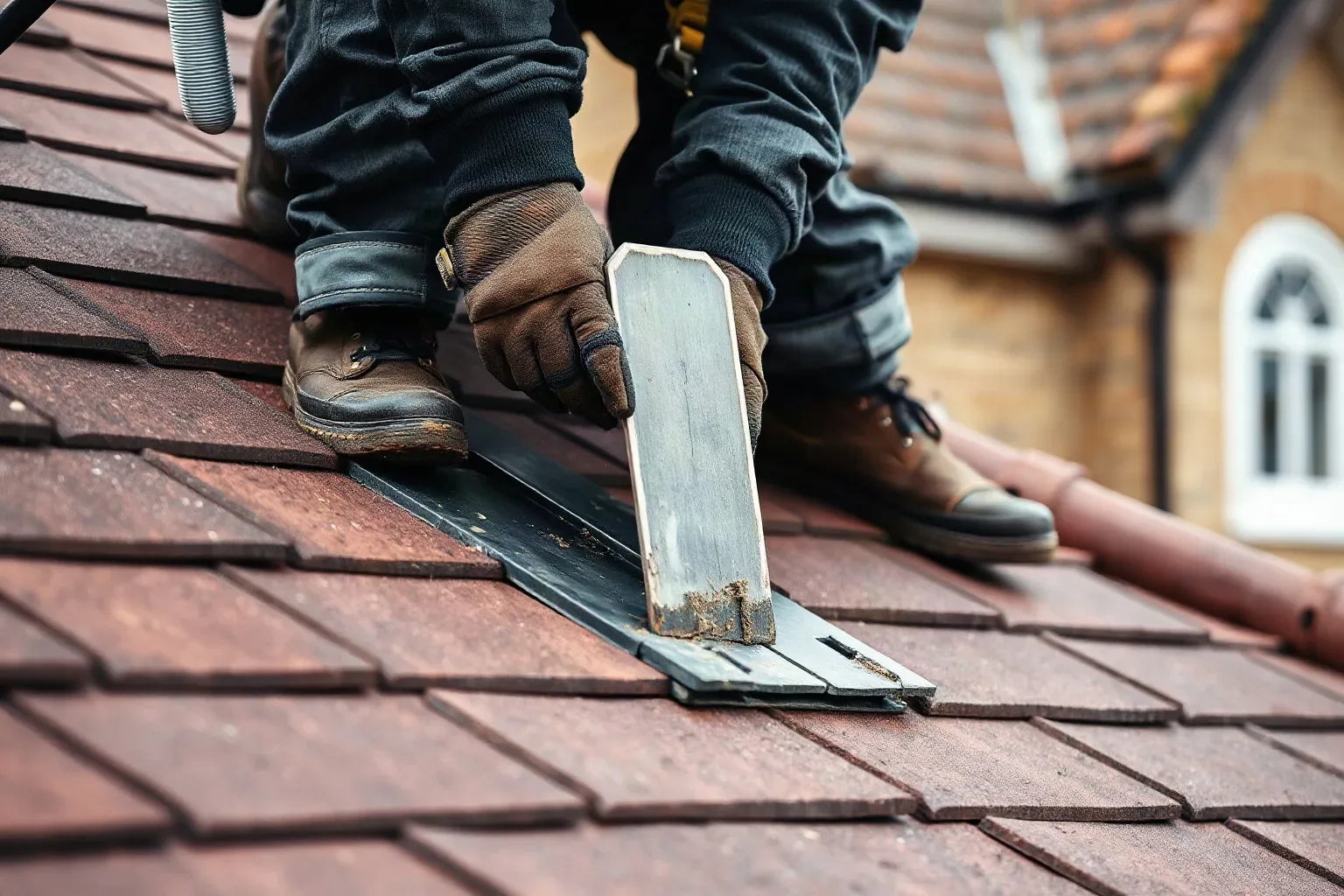
A flashing failure in heavy rain is genuinely urgent. Water tracking behind a chimney breast can reach electrical fittings or saturate lath-and-plaster ceilings, which are common in Edinburgh's older housing stock and expensive to restore. Emergency callout services operate 24 hours a day, 7 days a week, with a target response time of 1–2 hours across Edinburgh city postcodes.
Out-of-hours or emergency callout charges typically run £150–£300, compared to £60–£120 for a standard weekday visit. If the roofer cannot complete a permanent repair on the same visit, they may install an emergency roof tarp to keep water out while materials are sourced. That temporary weatherproofing costs £200–£500 and is separate from the permanent repair bill.
Choosing a Roofer for Flashing Work in Edinburgh
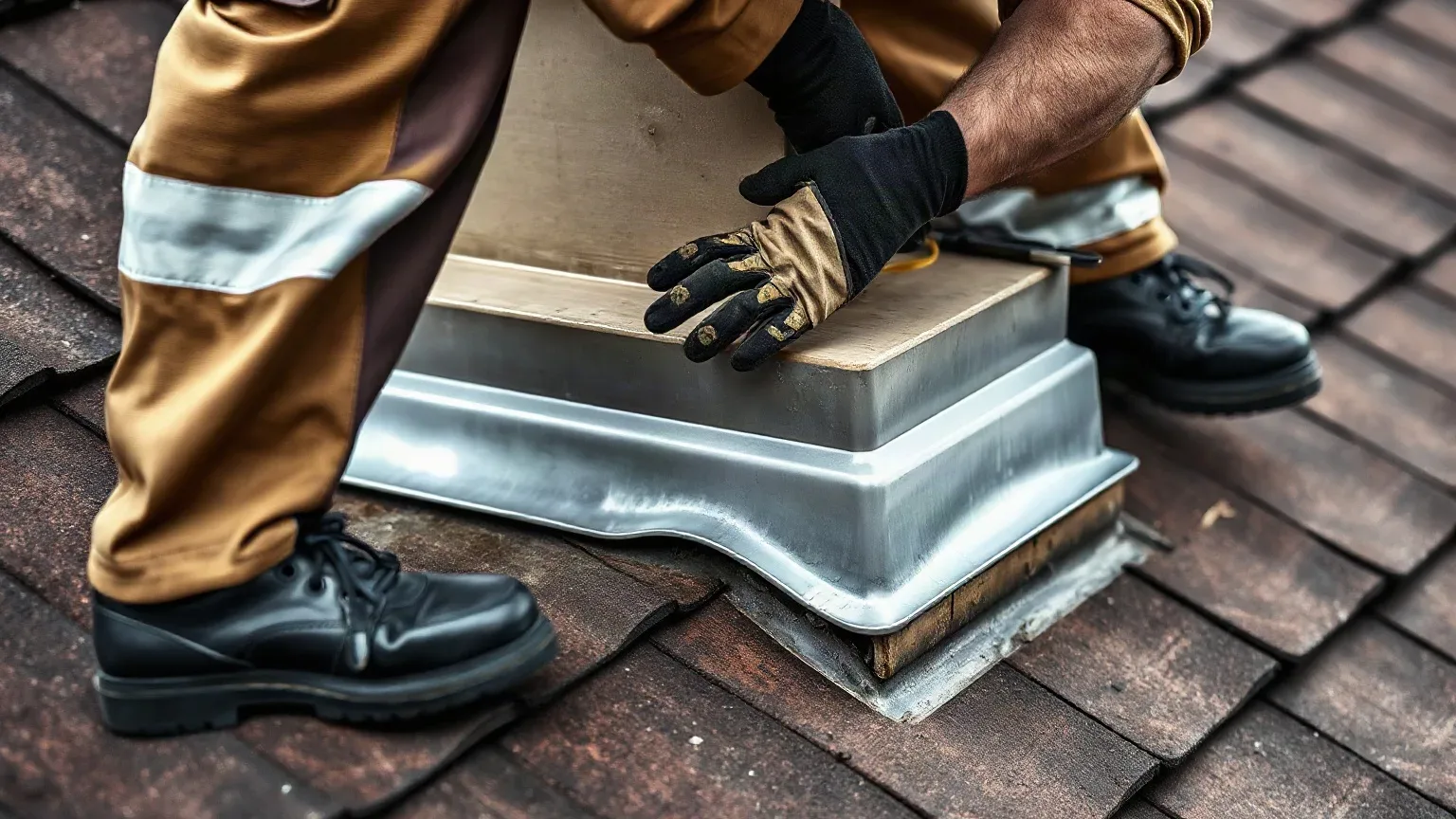
Chimney flashing is skilled leadwork, not a general building task. Look for an NFRC-registered contractor or equivalent approved roofing contractor, and ask specifically whether the person attending has leadwork experience rather than general roofing experience. An NFRC roofer working to BS EN 12588 lead sheet standards will size and dress the lead correctly, which is the single biggest factor in how long the repair lasts.
Get at least two written quotes and ask each contractor to specify whether they are repairing or replacing the lead, what mortar mix they intend to use, and whether the price includes debris removal. Edinburgh's older properties often have soft-stone brickwork on the stack, and using the wrong mortar, typically too hard a Portland cement mix, causes more damage than the original leak.
Coverage Across Edinburgh
Repair teams cover all Edinburgh postcodes from EH1 through EH17, as well as the surrounding Lothians area. If you are in Leith, Corstorphine, Portobello, or the Pentland fringe, the same emergency and scheduled callout service applies. Confirm exact coverage at the point of booking, particularly for properties beyond the city boundary.
How to Get a Quote
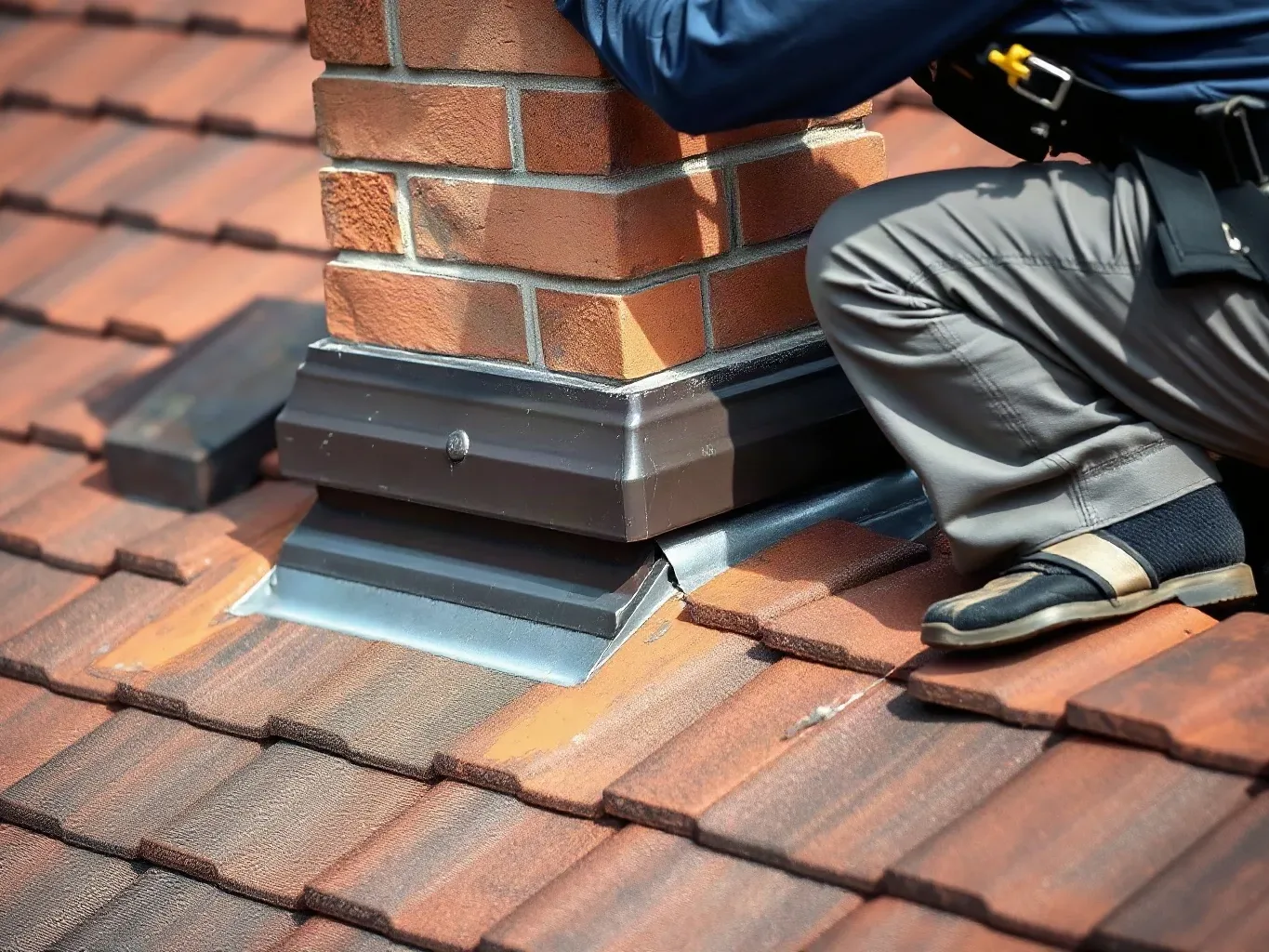
Contact the team directly to arrange an inspection or emergency callout. A same-day response is available for active leaks, and a written repair quote follows the inspection so you know the full cost before any work begins. Providing photos of the damp patch inside and the chimney stack from the street, if visible, helps the roofer assess likely access requirements before arriving.
Frequently Asked Questions
How Do I Repair Chimney Flashing in Edinburgh?
Chimney flashing repair in Edinburgh involves cutting out the failed mortar chase, refixing or replacing the lead sheet, and repointing with a suitable mortar. On older Edinburgh properties, a lime-compatible mix is usually preferred to avoid damaging soft stonework. A qualified roofer, ideally NFRC-registered, should carry out the work to ensure the lead is correctly sized and dressed to BS EN 12588 standards. Contact a local roofing contractor for an inspection, which typically costs £150–£300 and includes a written report before any repair work starts.
How Much Does Chimney Flashing Repair Cost in Edinburgh?
A minor lead flashing repair on a single section or small patch costs £150–£400. Chimney repointing, if the mortar joints around the whole stack need attention, adds £300–£800 depending on stack height and access. Emergency callouts outside normal hours carry a separate charge of £150–£300, and temporary weatherproofing with a roof tarp costs £200–£500 if needed before a permanent repair can be completed.
How Do I Know If My Chimney Flashing Is Leaking Rather Than the Slates?
A leak that appears directly behind or beside the chimney breast, rather than at a random ceiling point, usually indicates the flashing joint rather than the slates. In the loft, look for wet insulation or tide marks on rafters immediately around the stack. Visible gaps between the lead and the brickwork, or cracked fillet mortar at the stack base, confirm the flashing is the source. A roof inspection costing £150–£300 will give you a definitive answer with a written report.
Can Chimney Flashing Be Repaired Temporarily If I Cannot Get a Roofer Quickly?
Emergency roof tarping is available as a temporary measure and costs £200–£500 to cover the affected area and stop active water ingress. This is a weatherproofing solution only and does not replace a permanent flashing repair. Emergency roofing teams in Edinburgh aim to respond within 1–2 hours across EH1–EH17 postcodes and operate 24 hours a day, 7 days a week, so a same-day permanent or temporary fix is usually achievable.
Does Edinburgh's Older Housing Stock Affect How Chimney Flashing Is Repaired?
Yes. Many Edinburgh terraces and tenements have soft-stone or older brick chimneys that require a lime-compatible mortar rather than standard Portland cement. Using too-hard a mortar can crack the masonry and cause more damage than the original leak. A roofer experienced with Victorian and Edwardian property will specify the correct mix and will also check whether the existing lead is the right weight and dressed correctly for the roof pitch.