Soffit Replacement Edinburgh
Why Soffits Matter More Than Most Homeowners Realise
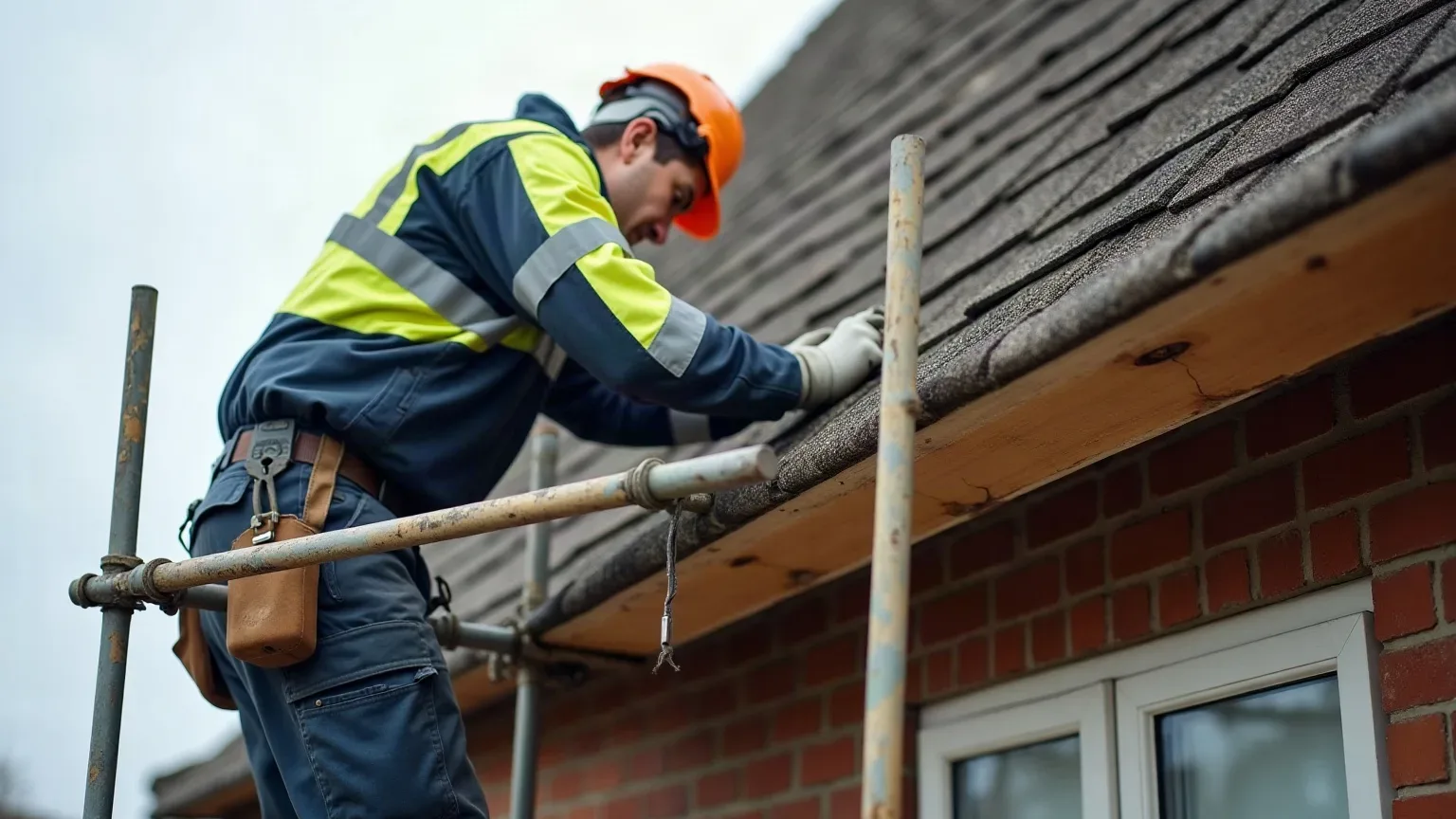
Soffits are the horizontal boards that close off the gap between your roof's edge and the outer wall. They keep rain, wind, and nesting birds out of the roof void. Damaged or rotten soffits expose the rafter feet to moisture, which can spread decay into structural timbers before any visible sign appears from street level.
Edinburgh's climate is hard on exposed timber. Persistent damp, freeze-thaw cycles, and salt-laden air from the Firth of Forth accelerate rot in painted softwood boards. uPVC soffits have become the standard replacement material across the city precisely because they resist all of that without annual painting.
Signs You Need Soffit Replacement
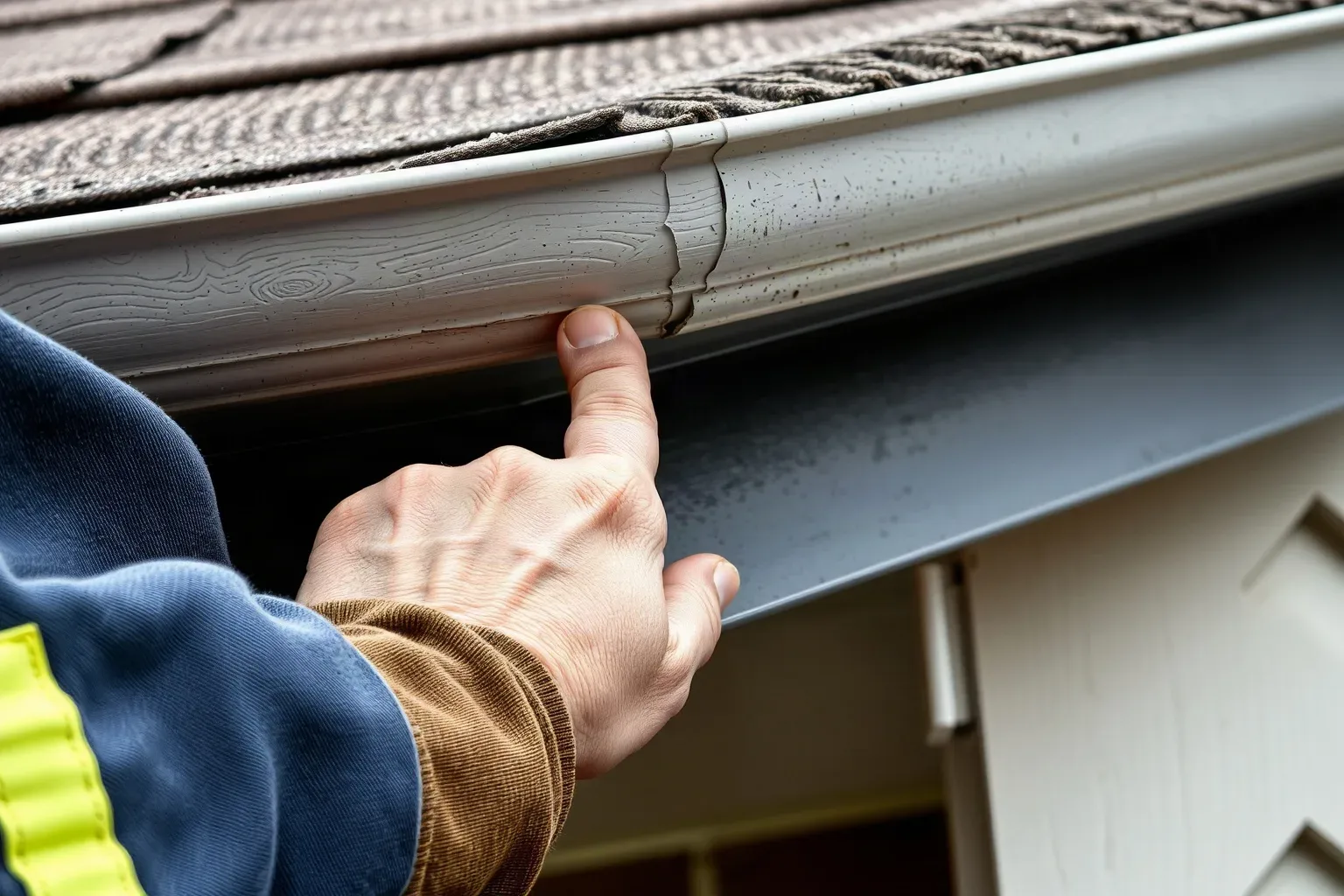
Peeling paint and surface staining on soffits often indicate moisture absorption below the surface. By the time timber feels soft to the touch, the damage has usually progressed further than it appears. A few specific things to look out for:
- Visible cracking, splitting, or sagging of the boards
- Dark staining or mould growth on the underside
- Birds or insects entering the roof void at the eaves
- Damp patches on interior ceilings near the eaves line
- Gutters that have pulled away and taken soffit fixings with them
If you spot any of these, a roofing contractor can confirm whether the rafter feet are still sound before quoting for replacement boards.
Replace Soffit Boards Edinburgh - What the Job Involves
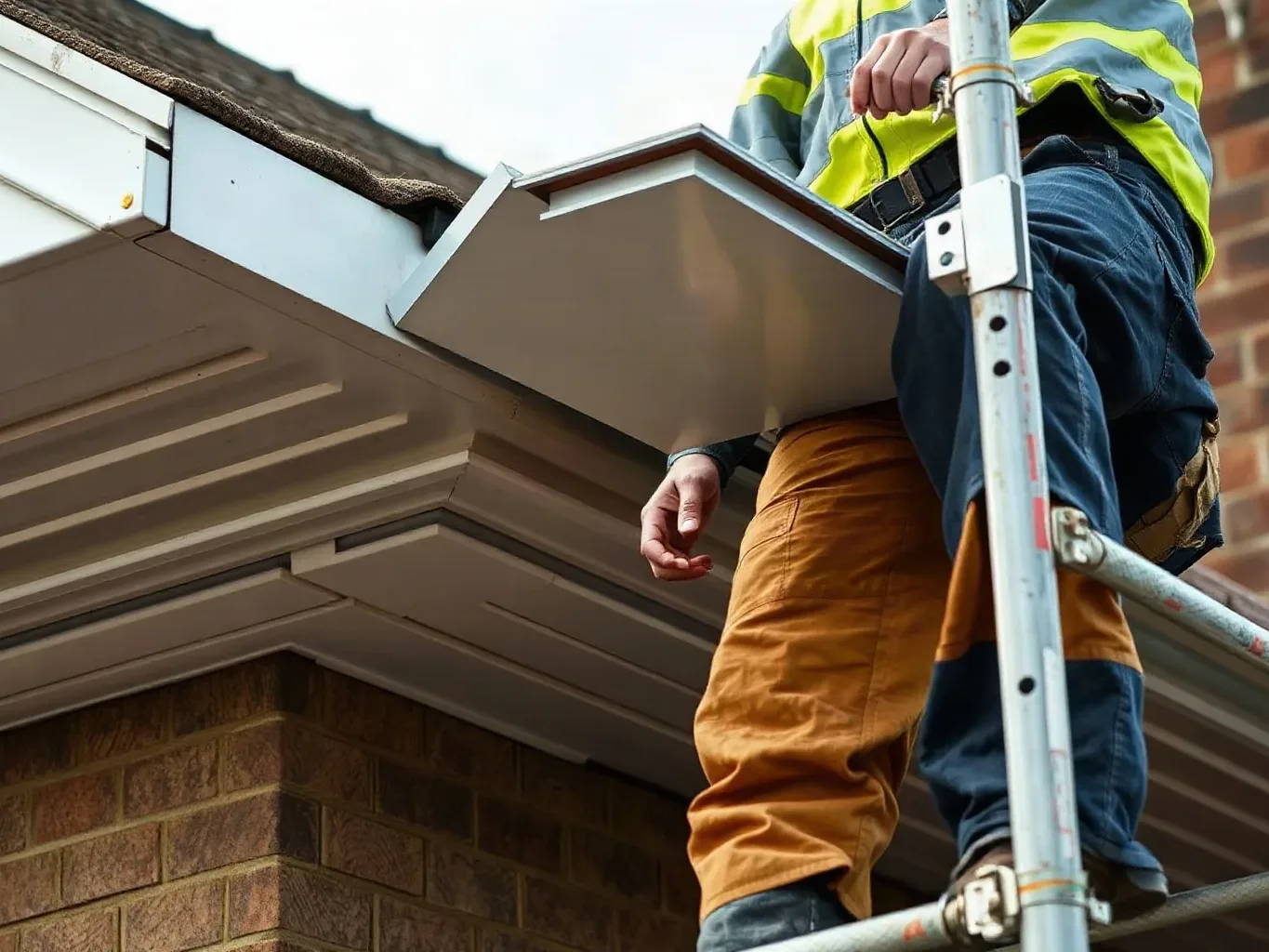
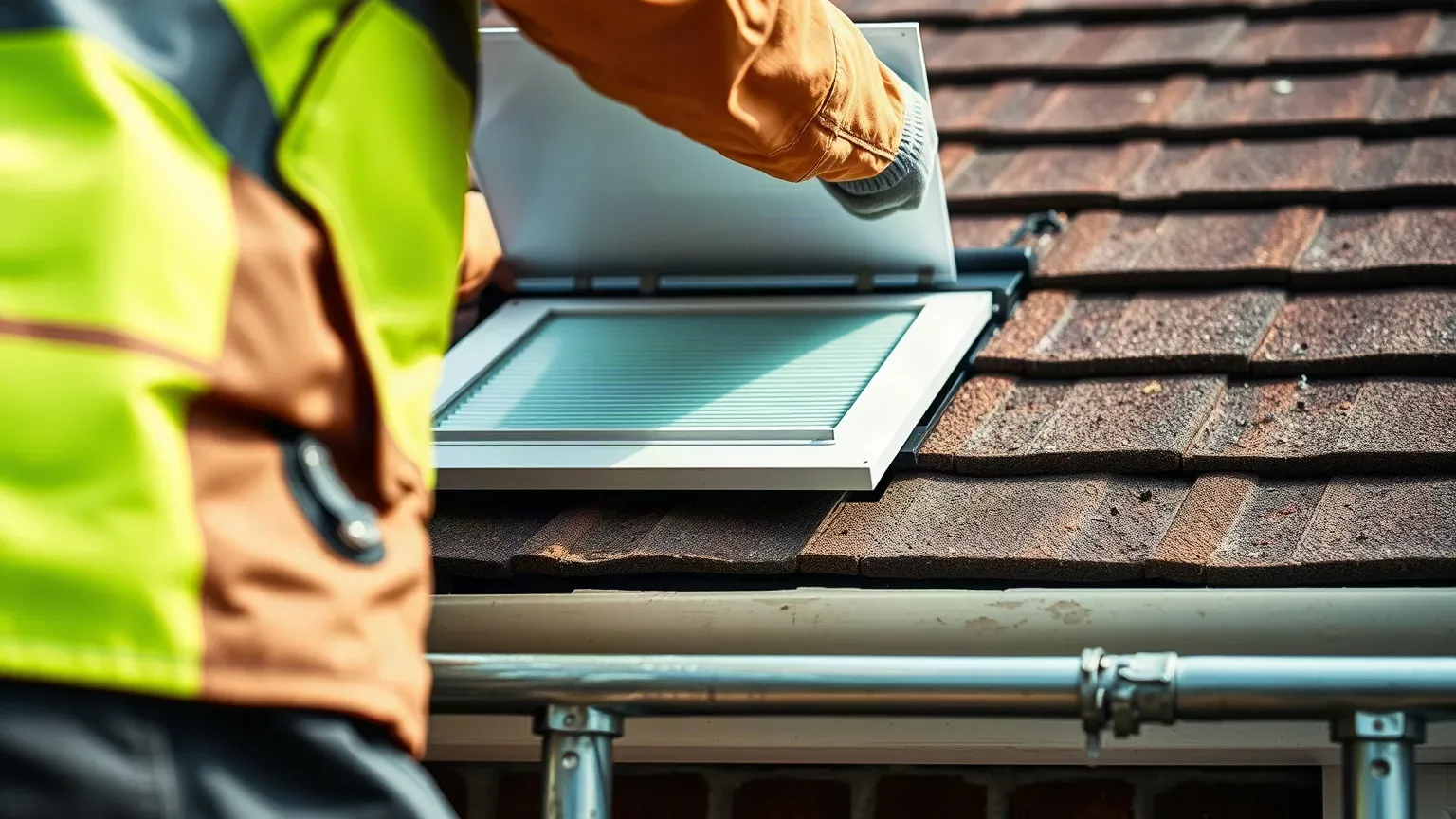
A standard soffit replacement involves removing the existing boards, inspecting the rafter feet and wall plate, fitting new boards, and reinstating or replacing the fascia and any guttering that was disturbed. Most contractors work from a scaffold tower or mobile elevated platform rather than a ladder, particularly on two-storey Edinburgh tenements and Victorian semis where eaves heights exceed four metres.
Timber vs. uPVC Soffits
Painted softwood is the original material in most pre-1970s Edinburgh properties and can be matched closely for conservation areas. It requires repainting every five to seven years and is more vulnerable to rot if the paint film fails. uPVC boards are virtually maintenance-free, carry manufacturer warranties of 10 years or more, and are available in a range of colours to match existing fascias. Some conservation areas in the New Town and Marchmont specify painted timber to preserve the streetscape, so check with Edinburgh City Council's planning service before choosing materials.
Fascia Boards and the Combined Job
Soffits and fascias are almost always replaced together. The fascia is the vertical board fixed to the rafter feet at the roof edge; the soffit slots into or butts against it. Replacing one while leaving the other in poor condition typically means returning within a year or two. Most quotes will cover both as a single scope of work, with guttering removed and refitted or replaced at the same time.
Soffit Replacement Cost Edinburgh
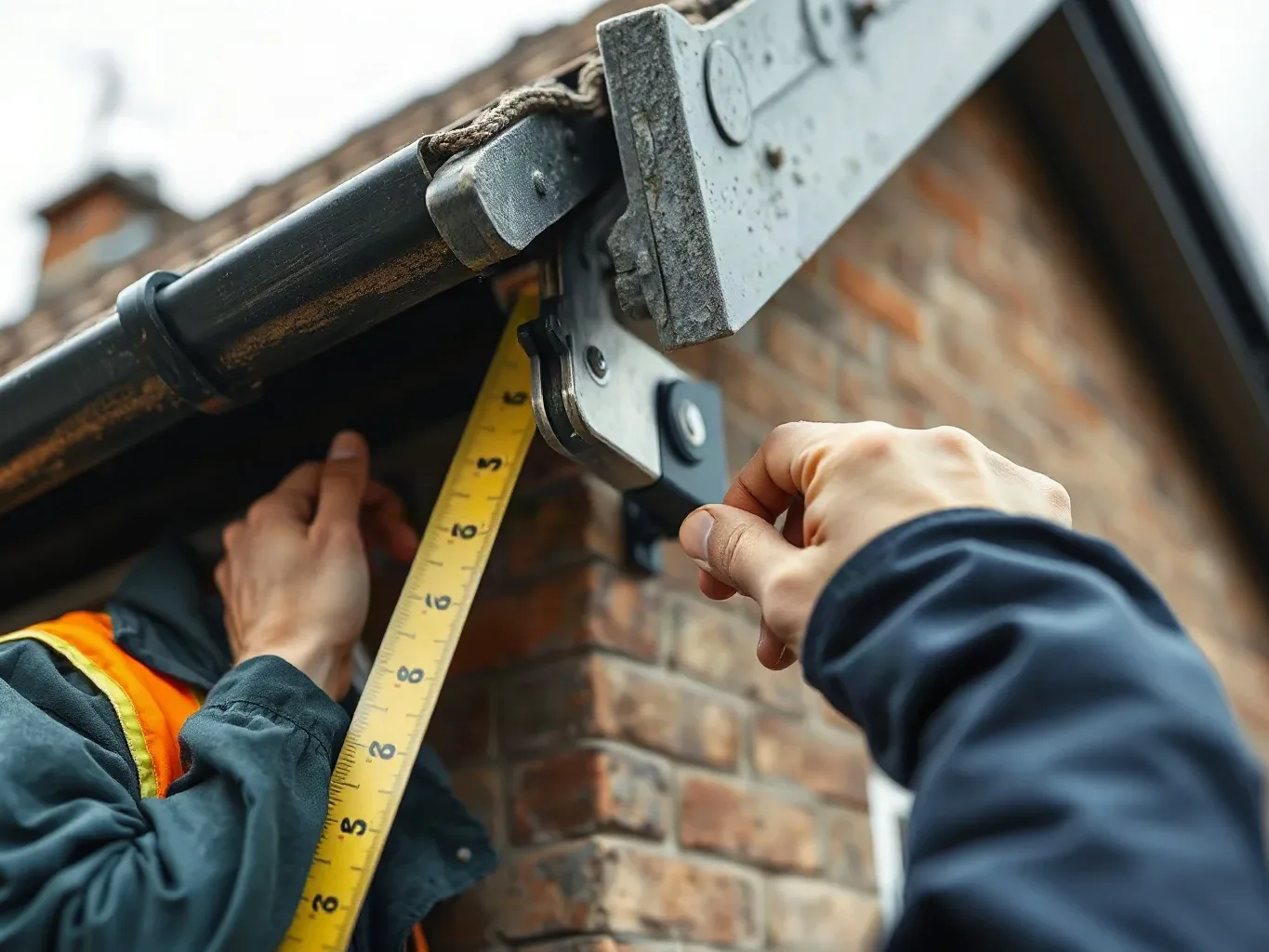
Pricing depends on the length of eaves run, the storey height, the chosen material, and how much preparatory carpentry is needed if rafter feet are decayed. Gutter replacement alone runs £25–£50 per linear metre for uPVC supply and fit. Soffit and fascia work is generally quoted as a combined per-metre or whole-job rate, so ask each contractor to break down the line items so you can compare quotes fairly.
Access is often the biggest variable. A single-storey extension is straightforward from a tower. A three-storey Edinburgh tenement or a steeply pitched Victorian villa requires more scaffold time, which can add several hundred pounds to the total. Always ask whether the quote includes scaffold erection and removal.
For a roof inspection before any work begins, expect to pay £150–£300 for a visual survey with a written report. Emergency call-outs outside standard hours carry a separate charge of £150–£300 just for attendance. Plan the work during standard weekday hours where possible to keep costs down.
Getting Accurate Quotes
Get at least three written quotes from NFRC-registered or equivalent approved roofing contractors. Ask each one to specify the board material, thickness, colour, fixing method, and whether existing rafter feet will be treated or replaced if found to be decayed. A quote that does not address rafter condition leaves you exposed to additional charges mid-job.
How Long Does Soffit Replacement Take?
Most soffit replacement jobs on a standard Edinburgh semi-detached take one to two days. A Victorian terrace with four elevations and a complex roofline may take three days. Scaffold erection and striking can add a day at each end.
Weather is a genuine factor. Edinburgh contractors will not fix boards in sustained rain because moisture trapped behind new uPVC promotes the same problems you are trying to solve. Scheduling the job for late spring or summer reduces the chance of weather delays.
What to Expect on the Day
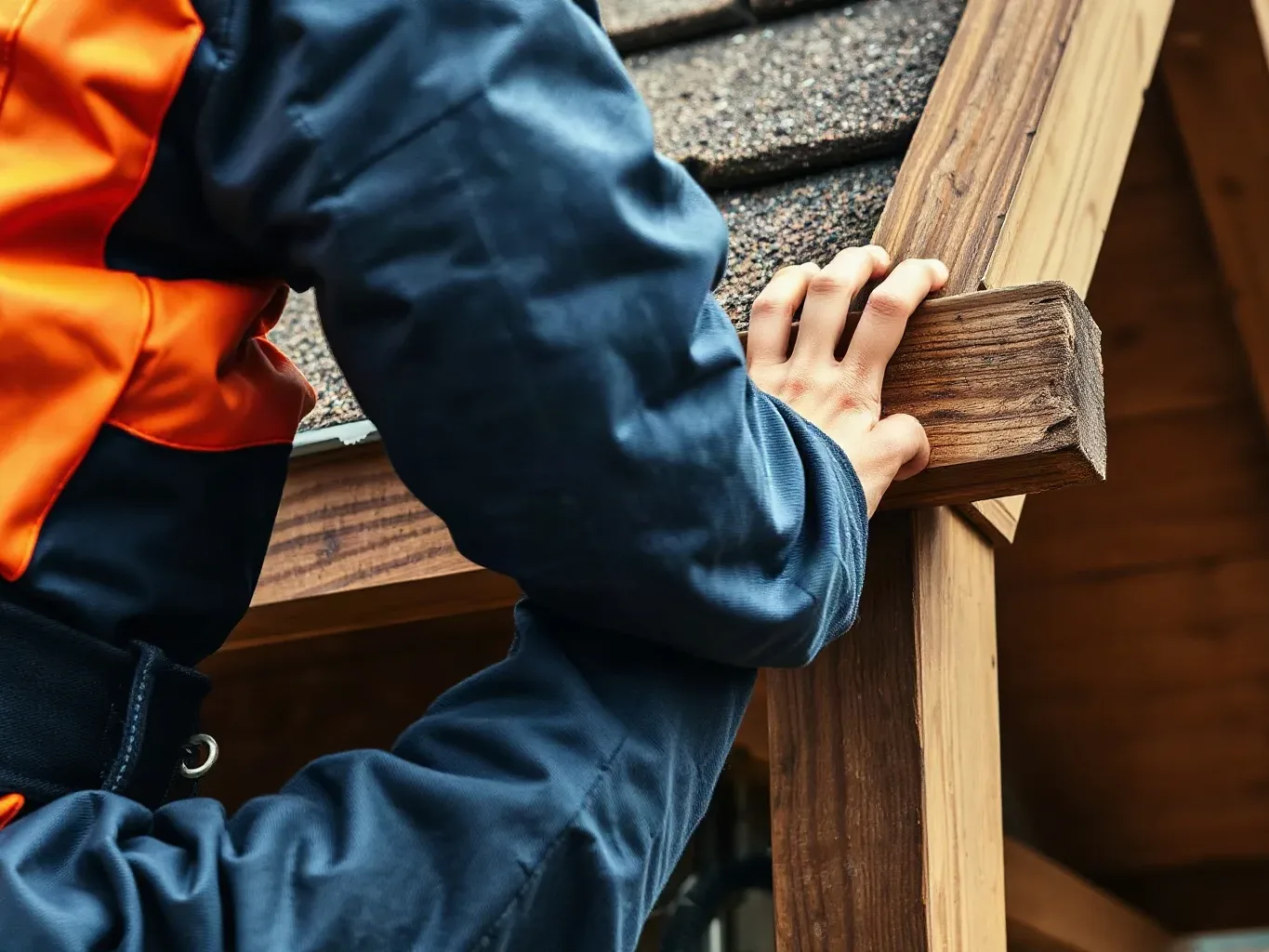
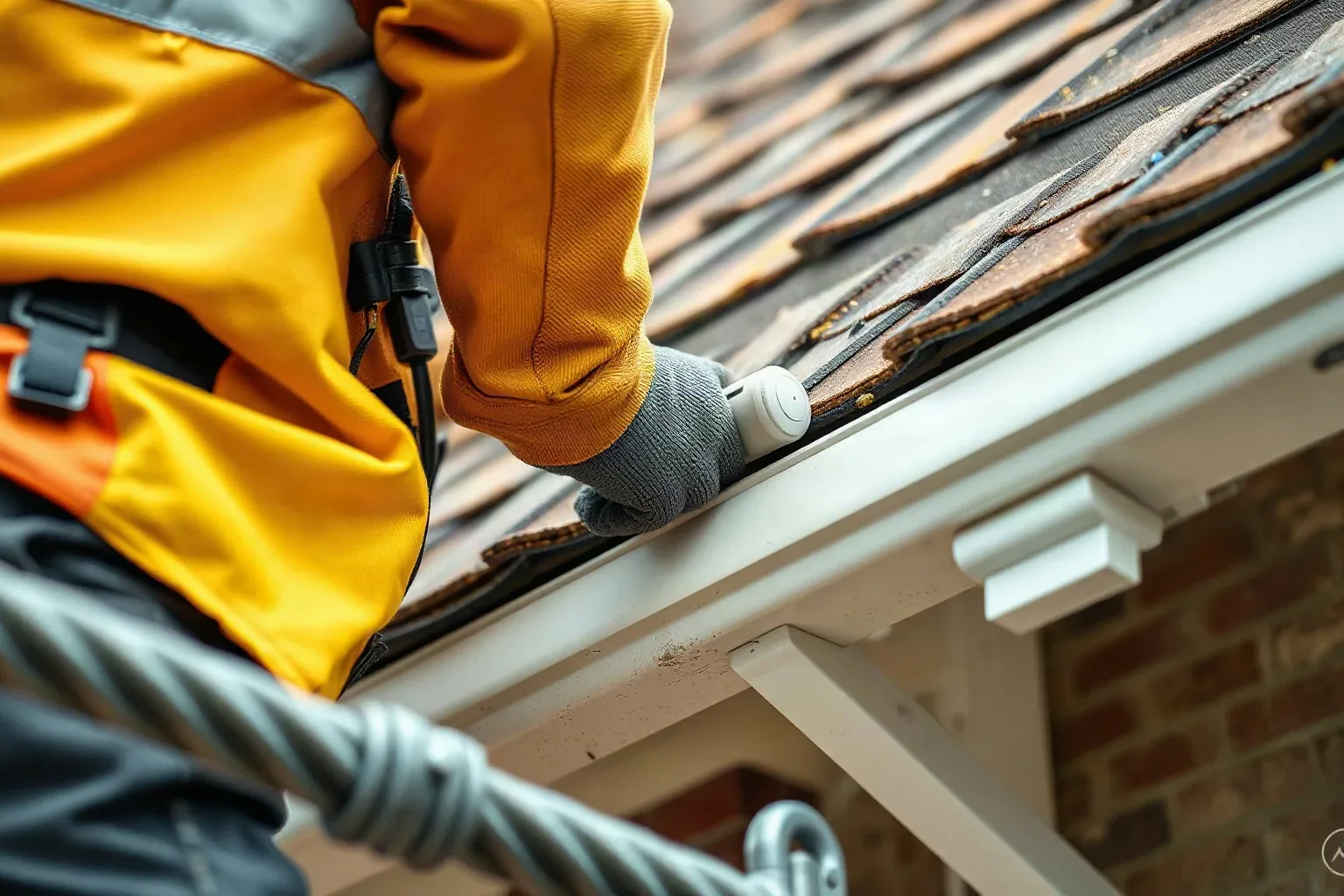
The crew will erect access equipment before starting any removal. Existing gutters come down first, then fascias, then soffits. The rafter feet and wall plate are inspected and any decayed timber is cut out and spliced. New boards are fixed, typically back to a starter trim or rebate, and the guttering is refitted or new guttering is installed.
The team will bag and remove all waste, including the old boards and any rotten timber.
Expect some noise during the stripping phase. Dust is minimal with uPVC work but timber cutting produces fine sawdust, so close any skylights or roof lights on the relevant elevation.
Choosing a Soffit Contractor in Edinburgh
Look for contractors who cover all Edinburgh postcodes, EH1–EH17, and who carry public liability insurance of at least £2 million. NFRC registration or an equivalent approved contractor status gives a baseline assurance of trade competence. Ask for photographs of recent comparable jobs in Edinburgh, particularly on properties of similar age and style to yours.
Avoid any contractor who quotes verbally only, asks for a large cash deposit before work starts, or cannot provide a written specification. For listed buildings or properties in conservation areas, confirm that the contractor has experience navigating Edinburgh City Council's planning requirements for external alterations.
Call or submit an online enquiry today to get a no-obligation site visit and written quote. A contractor who will not put a quote in writing is not worth booking.
Frequently Asked Questions
What Does Soffit Replacement Cost in Edinburgh?
Soffit replacement in Edinburgh is almost always quoted as a combined job with fascia boards, since the two are structurally linked. Pricing depends on the linear metres of eaves, the storey height, the material chosen (uPVC or painted timber), and the condition of the rafter feet beneath. Access costs such as scaffold erection add to the total, particularly on taller Edinburgh tenements. Get at least three written quotes from NFRC-registered contractors to compare line-by-line.
Can I Just Replace Soffit Boards in Edinburgh Without Replacing the Fascia?
Technically yes, but in practice most Edinburgh roofing contractors will advise against it if the fascia is also weathered or showing signs of rot. Soffits and fascias work together structurally and aesthetically, and replacing only one usually means revisiting the job within a couple of years. If the fascia is in genuinely good condition, a contractor can fit new soffits while leaving the fascia in place, but this should be confirmed on a site visit.
How Long Do uPVC Soffits Last Compared to Timber?
uPVC soffits typically carry manufacturer warranties of 10 years or more and, with no painting required, can last several decades in Edinburgh's climate with minimal maintenance. Painted softwood soffits need repainting every five to seven years and are at greater risk of rot if the paint film fails. Properties in Edinburgh conservation areas may be required to use painted timber to match the existing streetscape, so check with the local planning authority before specifying materials.
Do I Need Planning Permission to Replace Soffits in Edinburgh?
Most soffit replacements in Edinburgh are classed as like-for-like repairs and fall under permitted development, meaning no formal planning permission is required. The exception is properties in conservation areas such as the New Town or Marchmont, or listed buildings, where Edinburgh City Council may require painted timber rather than uPVC to preserve the character of the streetscape. Always check with the council's planning service before proceeding if your property falls into either category.
How Do I Know If My Rafter Feet Are Damaged Before Booking Soffit Replacement?
Rafter feet are hidden behind the fascia and soffit boards, so external inspection alone cannot confirm their condition. Signs that suggest underlying decay include soffits that bow or sag between fixings, gutters that have pulled away from the fascia, or visible damp on interior ceilings near the eaves. A roofing contractor can assess rafter condition once the old boards are stripped, and a pre-work inspection costing £150–£300 can give you a written report before committing to full replacement.