How Long Does a Slate Roof Last in Edinburgh - Slate Roof Lifespan Edinburgh Guide
Natural slate is one of the few roofing materials that genuinely improves with age, provided the bedding mortar and fixings are maintained. Edinburgh's Victorian and Edwardian housing stock was built with Scottish or Welsh slate precisely because it could outlast the building's original owners by several generations. Understanding what drives that lifespan, and what cuts it short, helps you make smarter decisions about repair versus replacement.
The Core Lifespan Figures You Need
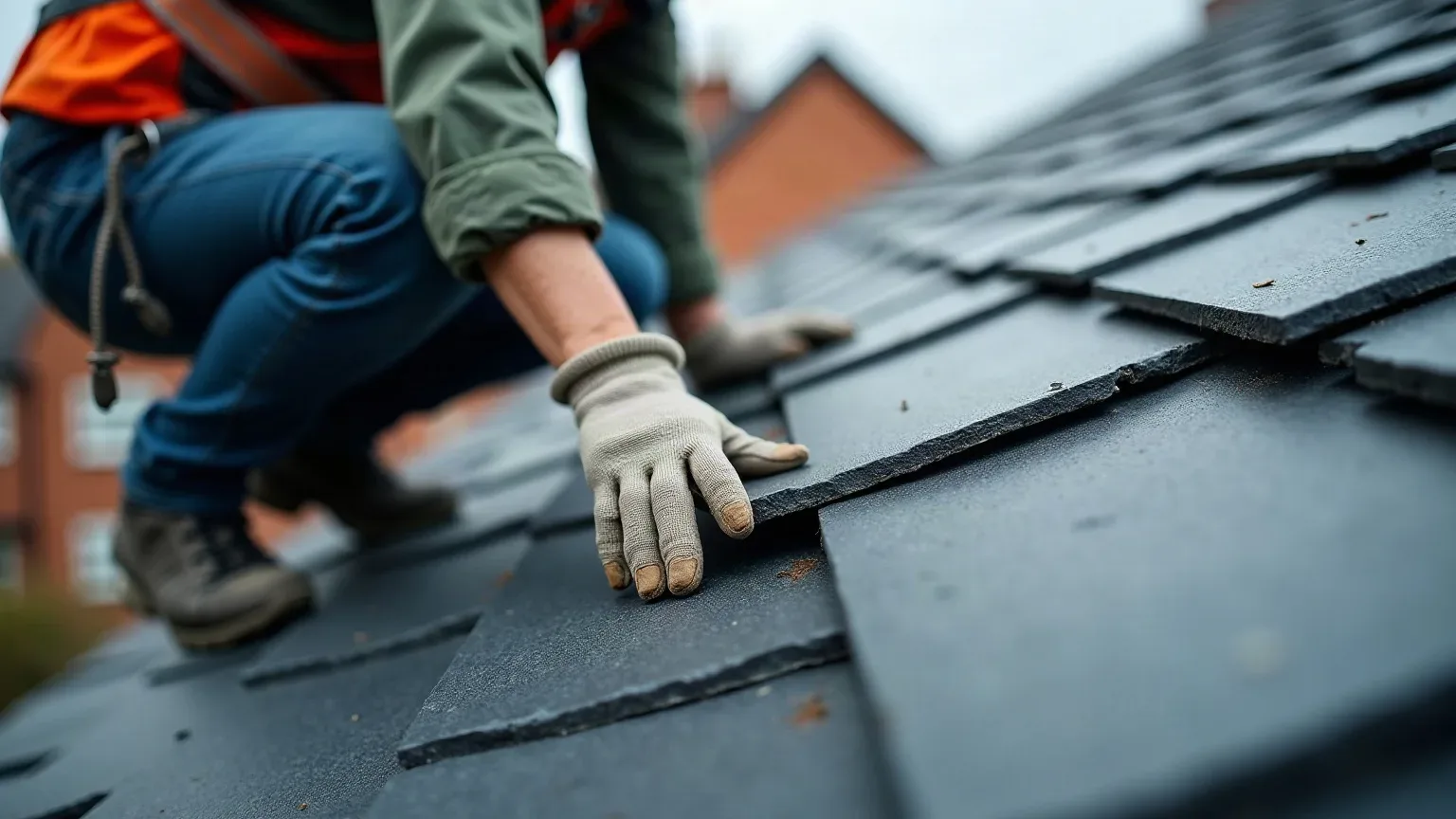
Scottish and Welsh slate carries an expected lifespan of 80–150 years with proper maintenance. Imported Spanish slate, which became common in Edinburgh during the 1980s and 1990s due to lower material costs, typically lasts 50–80 years. The difference comes down to density and water absorption: Scottish slate is extremely dense and barely absorbs moisture, while many Spanish slates have a higher porosity that allows freeze-thaw cycling to degrade the stone over time.
These figures assume the roof deck and fixings are also in sound condition. A 100-year-old Scottish slate sitting on a failing sarking board or corroded copper nail will fail long before the slate itself. The slate is rarely the first thing to go.
How Edinburgh's Climate Affects Slate Longevity
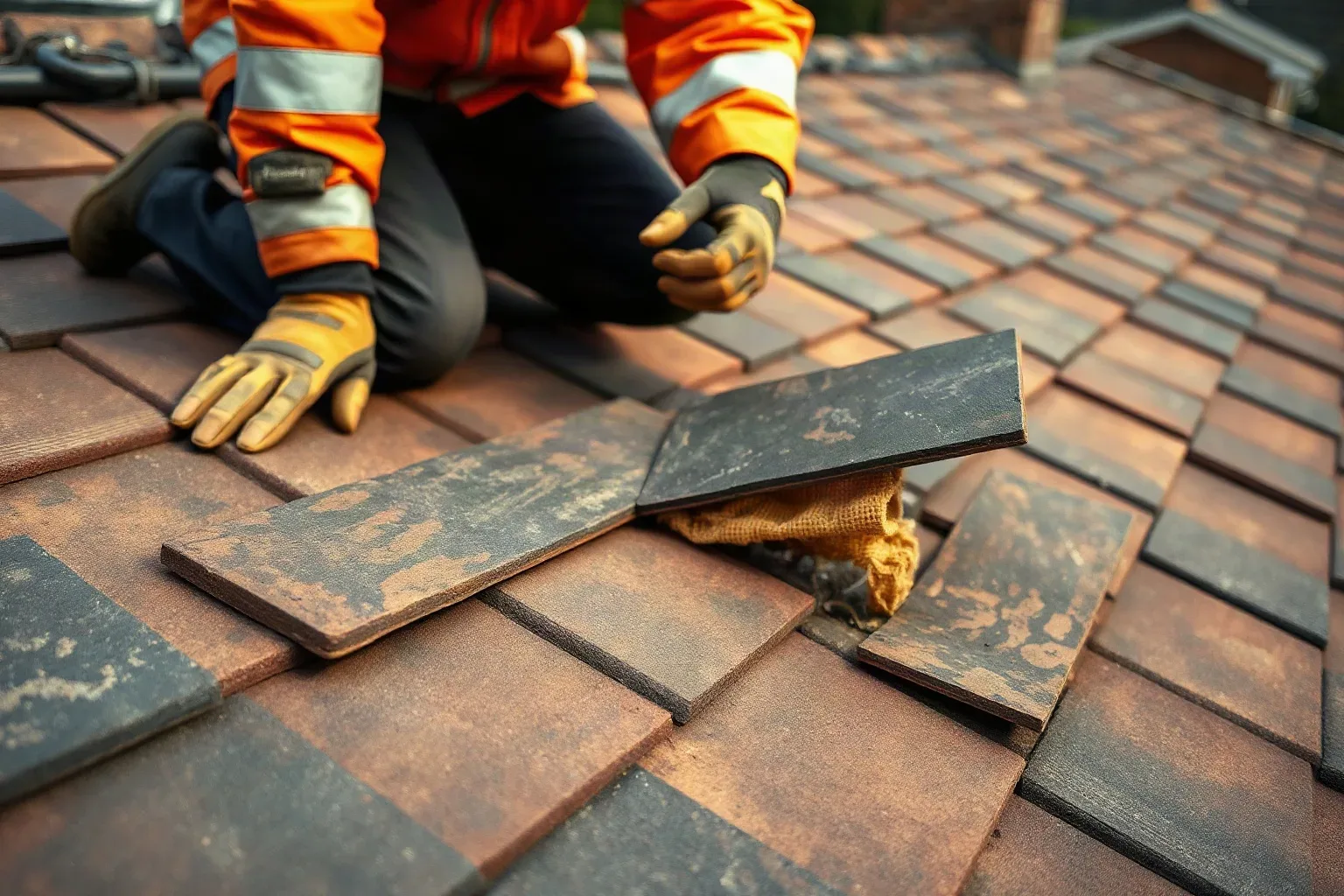
Edinburgh averages around 650–700 mm of rainfall a year, concentrated in autumn and winter. The city also experiences regular freeze-thaw cycles from October through to March, with overnight temperatures dipping below zero while daytime temperatures rise. This is the primary stress on any roofing material.
Scottish slate handles this exceptionally well because of its low water absorption rate, typically below 0.3%. Frost cannot get significant purchase on a surface that holds so little moisture. Imported slates with absorption rates of 0.6% or higher are measurably more vulnerable to Edinburgh winters, which explains why some 1990s re-roofs using Spanish slate are already showing spalling and delamination.
The city's position also exposes rooftops to coastal winds from the Firth of Forth, particularly in north-facing elevations. Wind loading works on the nail fixings rather than the slate itself, so a roof with original Victorian copper nails that have finally corroded through will shed slates in a storm even if the slates themselves are structurally sound.
Signs Your Slate Roof Is Approaching the End of Its Life
A slate roof rarely fails all at once. Recognising the progression helps you budget appropriately and avoid being caught out by emergency repairs.
Early Warning Signs
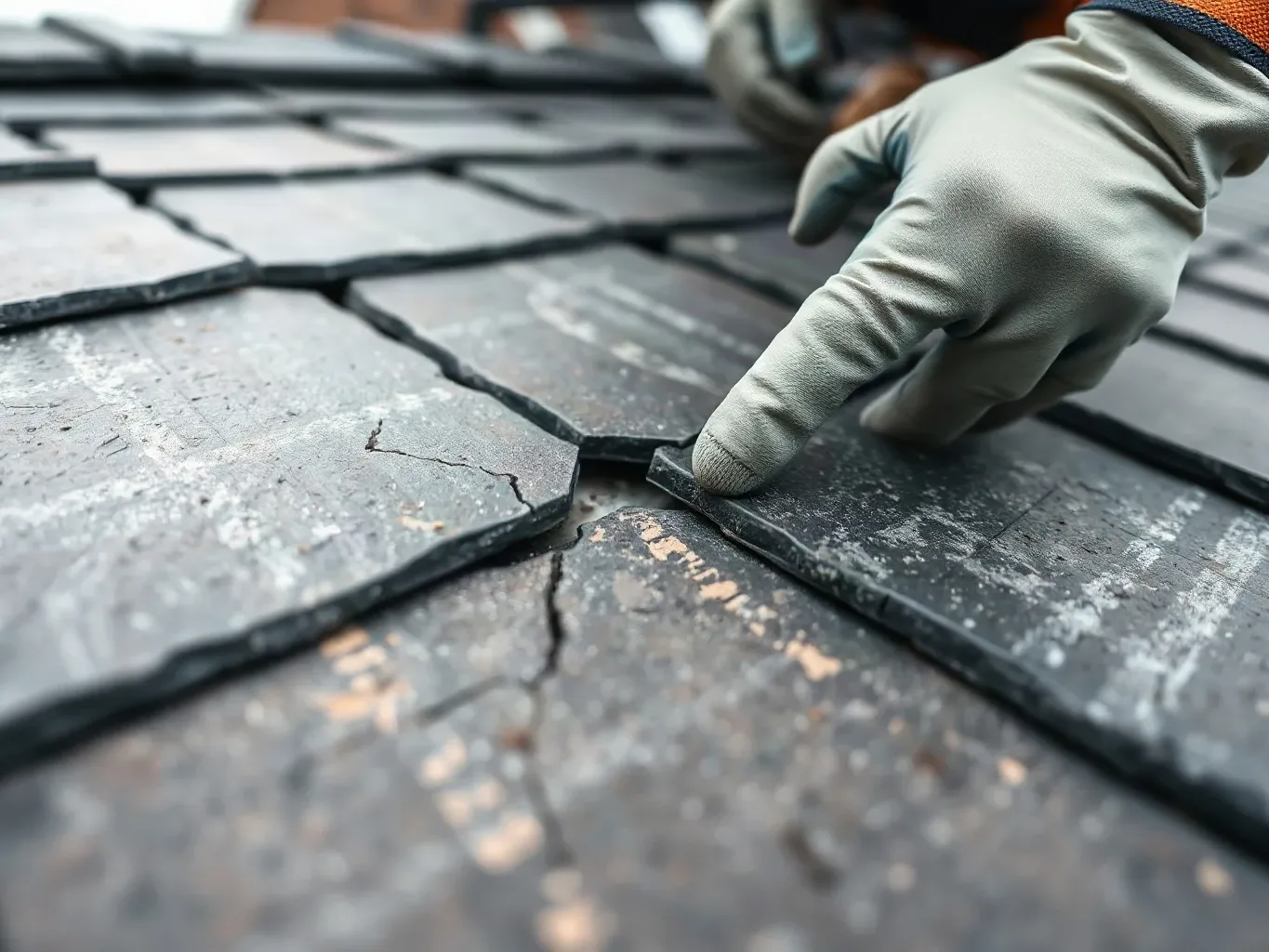
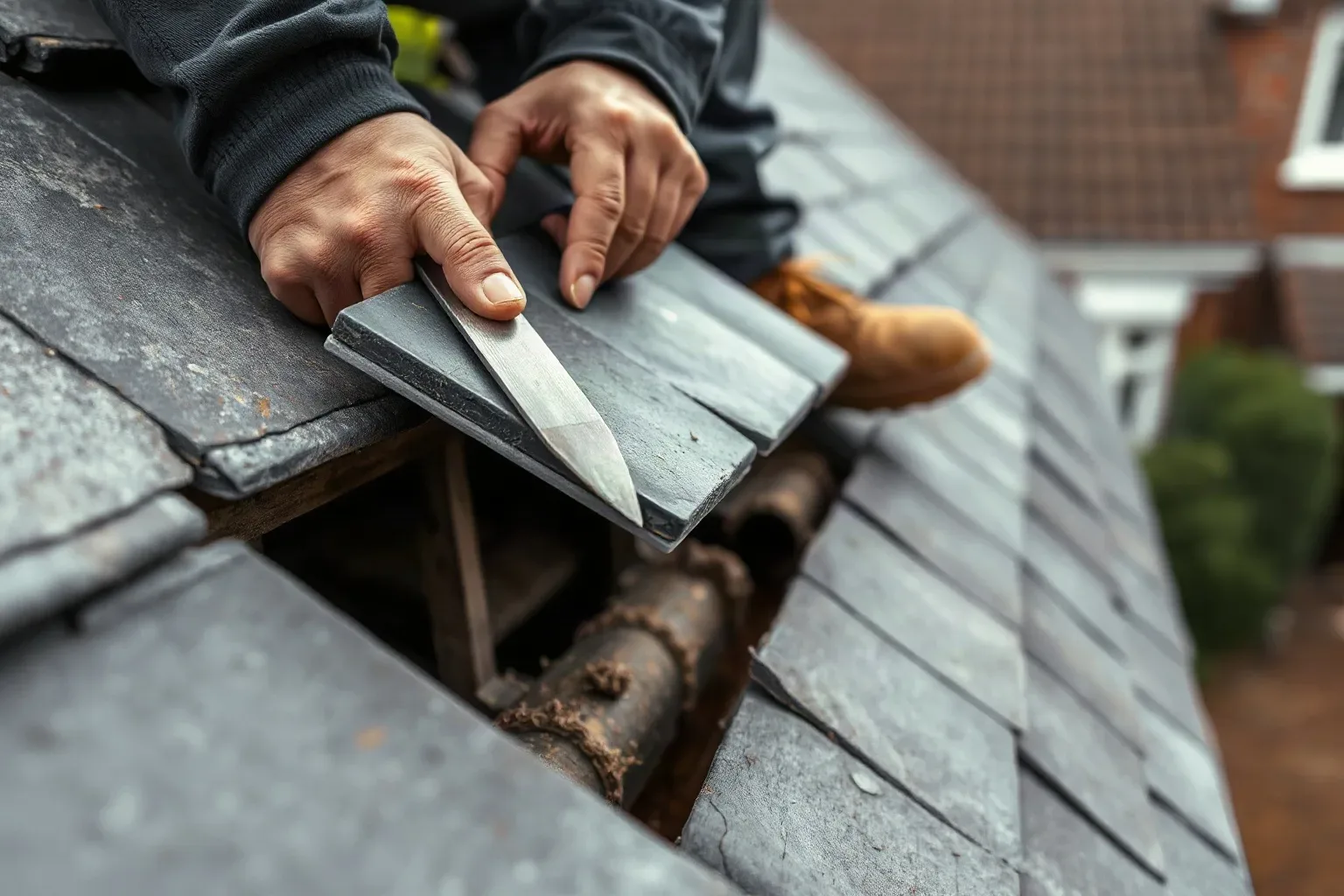
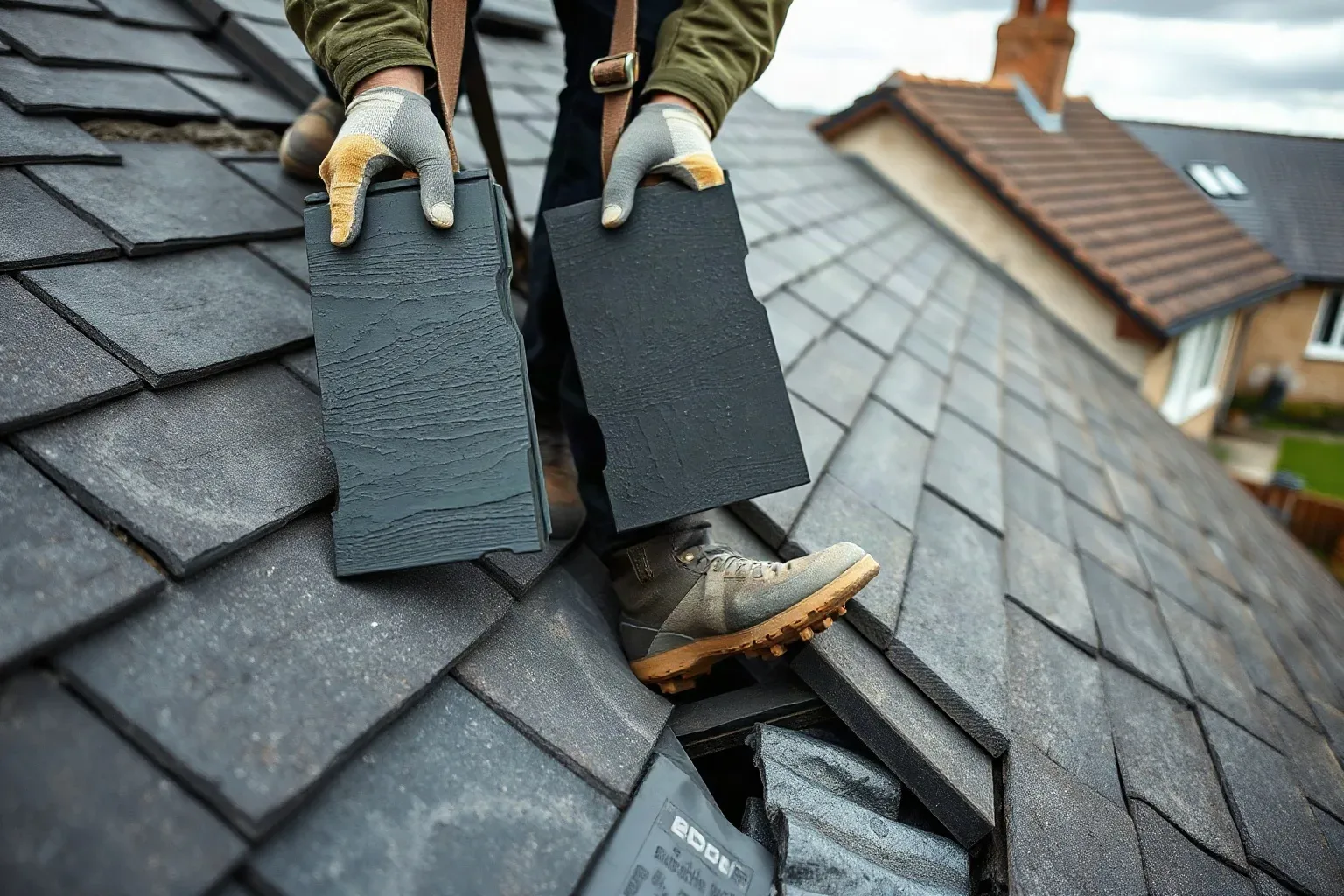
Single slates slipping, cracking, or appearing in the gutters indicate failing nail fixings or localised damage from foot traffic. At this stage, spot repairs are cost-effective. A minor repair covering a single slate or a small patch typically costs £150–£400, and a standard roof inspection to assess the overall condition runs £150–£300 including a written report.
Mid-Life Deterioration
When 20–30% of slates across a roof show visible delamination, spalling edges, or widespread nail failure, the economics shift. Repointing chimneys and replacing guttering can still be done piecemeal, but the roof covering itself may need a full programme of work within 5–10 years. A structural survey at this point is money well spent.
End-of-Life Indicators
Multiple slates failing after every storm, daylight visible through the roof space, or water ingress appearing at multiple points indoors all indicate that the roof has passed the point where spot repairs make sense. A full slate roof replacement on an average Edinburgh semi-detached home costs £6,000–£15,000, reflecting differences in roof area, pitch, access requirements, and whether you choose reclaimed Scottish slate, new Welsh slate, or an imported alternative.
Scottish Slate Versus Imported Slate - What Should You Specify?
Reclaimed Scottish slate is the premium choice for Edinburgh properties, particularly those in conservation areas or with listed building status. It matches the visual character of the original roof, performs best in the local climate, and its density means a well-laid reclaimed slate roof could comfortably reach the upper end of the 80–150 year range.
New Welsh slate is a sound alternative where reclaimed Scottish slate is unavailable or priced out of budget. Spanish slate, when sourced from a high-quality quarry with a verified low absorption rate, can be perfectly serviceable, but the specification matters enormously. Ask your contractor to confirm the absorption rating of any imported slate before it goes on your roof.
For full replacement, expect to pay £80–£150 per square metre for a slate roof, with Scottish or Welsh slate sitting at the upper end of that range. The material cost difference between imported and domestic slate is real, but over the lifespan of the roof it is a smaller factor than the quality of the installation.
Maintenance That Extends Slate Roof Lifespan
A slate roof on an Edinburgh tenement or semi-detached that receives attention every 10–15 years will consistently outperform one that is ignored. The maintenance that matters most involves the elements around the slate, not the slate itself.
Mortar and Repointing
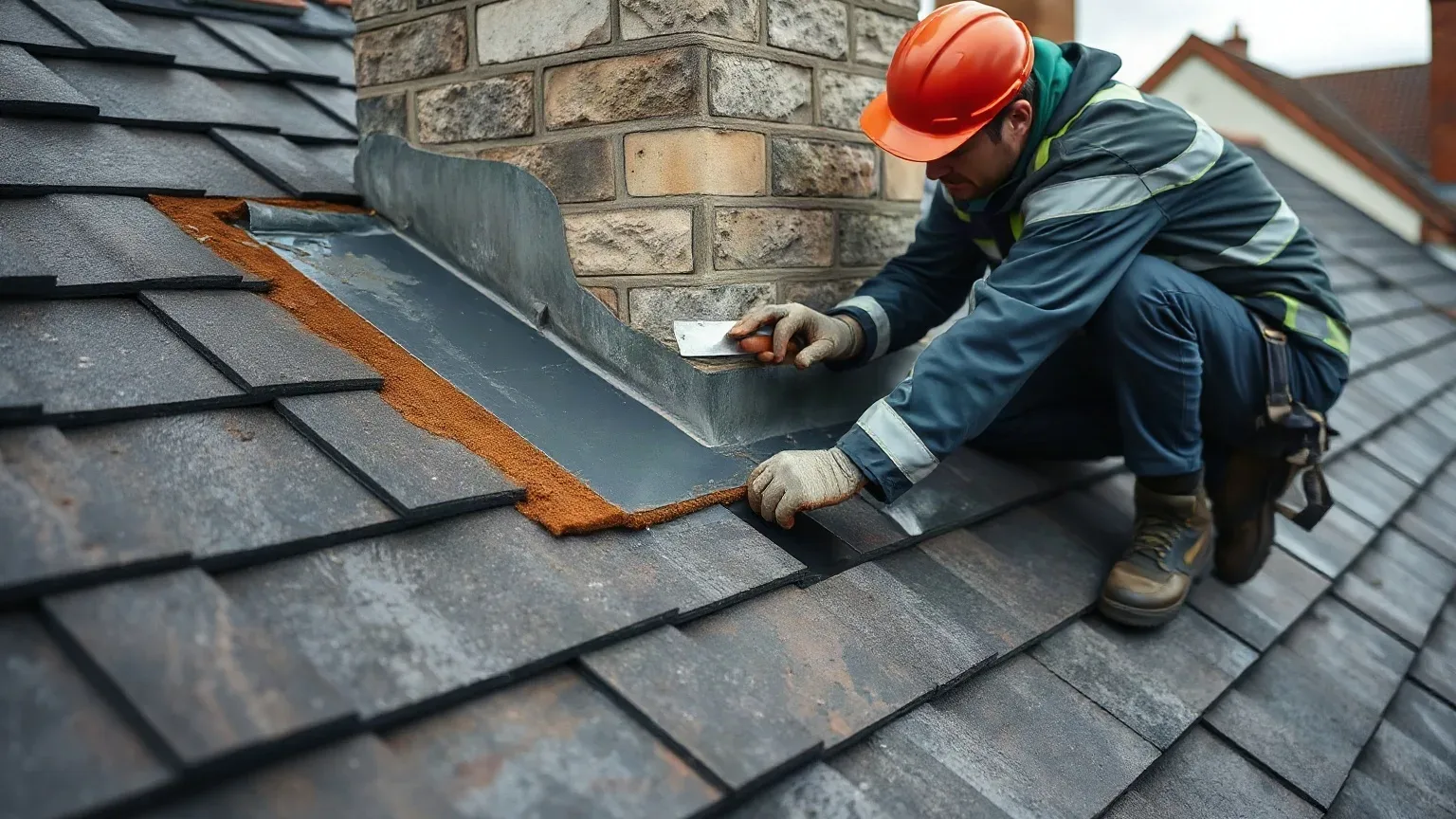
Chimney stacks are the most common source of water ingress on Edinburgh roofs. Lime mortar repointing, which addresses the pointing between individual course stones and around the flaunching at the top of the stack, costs £300–£800 per job depending on stack height and access. Catching this before the mortar has failed completely is significantly cheaper than waiting until water has tracked into the chimney breast below.
Guttering and Drainage
Blocked or failing gutters allow water to back up against the lower courses of slate and soffit timbers. uPVC gutter replacement runs £25–£50 per linear metre supply and fit. Keeping gutters clear of moss and debris is the single lowest-cost maintenance task with the highest return.
Moss and Lichen Treatment
Moss holds moisture against the slate surface and, on more porous imported slates, accelerates freeze-thaw degradation. Biocide treatment followed by gentle mechanical removal is the accepted approach. Pressure washing should be avoided, as it drives water into the nail holes and can crack thinner slates.
Repair or Replace - Making the Right Call
Replace when more than 25–30% of slates are failing, when the sarking boards show widespread rot, or when the roof has already been patched multiple times without resolving persistent leaks. Repair is the right answer for isolated damage, recent storm impact, or a roof that was in good condition at its last inspection.
If you are unsure, a professional roof inspection for £150–£300 gives you a written condition report with specific recommendations. That cost comes off the price of any subsequent work carried out by the same contractor with most Edinburgh roofing firms.
For emergency situations, where a storm has removed slates or opened up a section of roof, temporary tarping protects the interior while permanent repairs are planned. Emergency tarping typically costs £200–£500 per job. An emergency callout outside standard working hours carries a callout charge of £150–£300 before labour, so having a relationship with a local NFRC-registered contractor before a crisis is far more practical than searching in the middle of a storm.
Contractors covering all Edinburgh postcodes from EH1–EH17 and the wider Lothians are reachable on a 24-hour emergency line, with a target response time of within 1–2 hours across the city area. Contact a qualified roofer now to arrange an inspection and get a clear picture of how many years your slate roof has left.
Frequently Asked Questions
How Long Does a Slate Roof Last in Edinburgh?
Scottish and Welsh slate roofs last 80–150 years with proper maintenance. Imported Spanish slate typically lasts 50–80 years. Edinburgh's freeze-thaw winters and coastal winds mean the quality of the slate and the condition of fixings and mortar are the biggest factors in achieving that upper range.
What Is the Slate Roof Lifespan in Edinburgh Compared to Other UK Cities?
Edinburgh's climate is broadly similar to other Scottish cities, so slate lifespan figures of 80–150 years for Scottish or Welsh slate apply across the region. The freeze-thaw cycles from October to March are a key stressor, but high-density Scottish slate handles this extremely well due to its very low water absorption rate.
How Much Does a Full Slate Roof Replacement Cost in Edinburgh?
A full slate roof replacement on an average Edinburgh semi-detached home costs £6,000–£15,000. The wide range reflects roof size, pitch, access difficulty, and material choice. Scottish or Welsh slate sits at the upper end of the per-square-metre rate of £80–£150, while imported slate can reduce material costs slightly.
What Maintenance Does a Slate Roof in Edinburgh Need?
The most important tasks are chimney repointing every 15–25 years (£300–£800 per job), keeping gutters clear and replacing failed sections (£25–£50 per linear metre for uPVC), and treating moss before it holds moisture against the slate. The slate itself rarely fails before the mortar, fixings, or surrounding elements do.
When Should I Repair Rather Than Replace My Edinburgh Slate Roof?
Repair makes sense when fewer than 25% of slates are failing, damage is localised, or the cause is a specific event such as a storm rather than general deterioration. Replace when widespread nail failure, sarking board rot, or persistent leaks at multiple points indicate the roof has passed the point where spot repairs are cost-effective. A professional inspection for £150–£300 gives you a written report to base that decision on.