Scottish Slate vs Imported Slate for Edinburgh Homes
Edinburgh's rooflines are defined by natural slate. Walk through Morningside, Stockbridge, or the New Town and the deep blue-grey of traditional roofing is everywhere. When repairs or replacements come up, homeowners face a genuine choice: pay more for Scottish slate, or opt for imported alternatives that cost less upfront but behave differently over time.
What Makes Scottish Slate Different
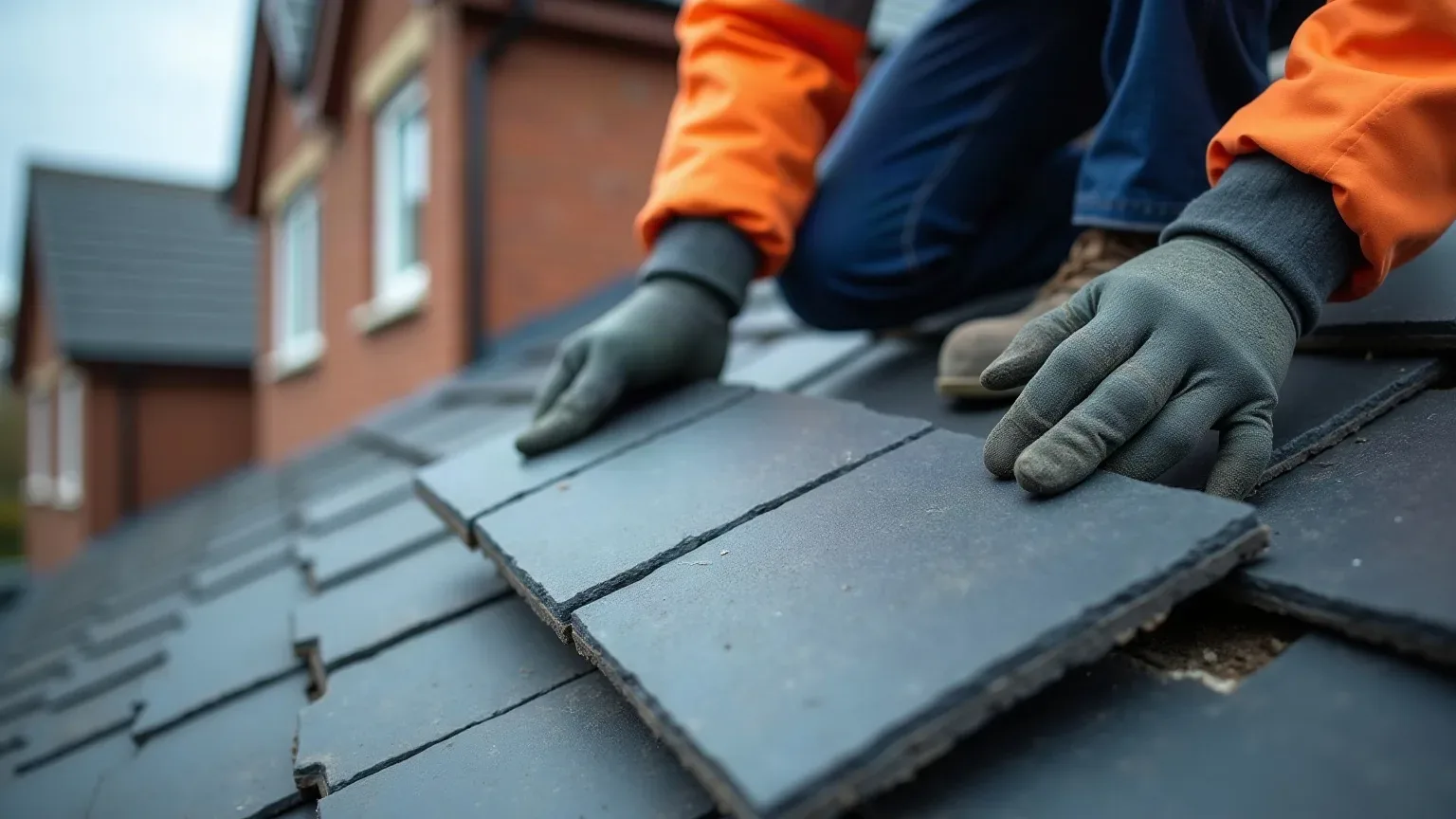
Scottish slate, quarried historically at locations such as Ballachulish and Easdale, is a dense, hard-wearing stone with a distinctive blue-grey colour and a surface texture that weathers well in wet climates. Its low water absorption means freeze-thaw cycles, common throughout Edinburgh winters, cause minimal damage over decades. Properly maintained, a Scottish slate roof lasts 80–150 years. That figure is not marketing language; it reflects documented roof lifespans on Georgian and Victorian properties across the city.
Supply is the constraint. Active quarrying of Scottish slate at commercial scale is limited, which keeps material costs high and lead times long. Reclaimed Scottish slate, salvaged from demolitions and roof recoveries, is the realistic source for most projects. Quality varies batch to batch, so a skilled roofer needs to grade and match pieces carefully before installation.
Imported Slate - Spanish and Welsh Compared
Spanish Slate
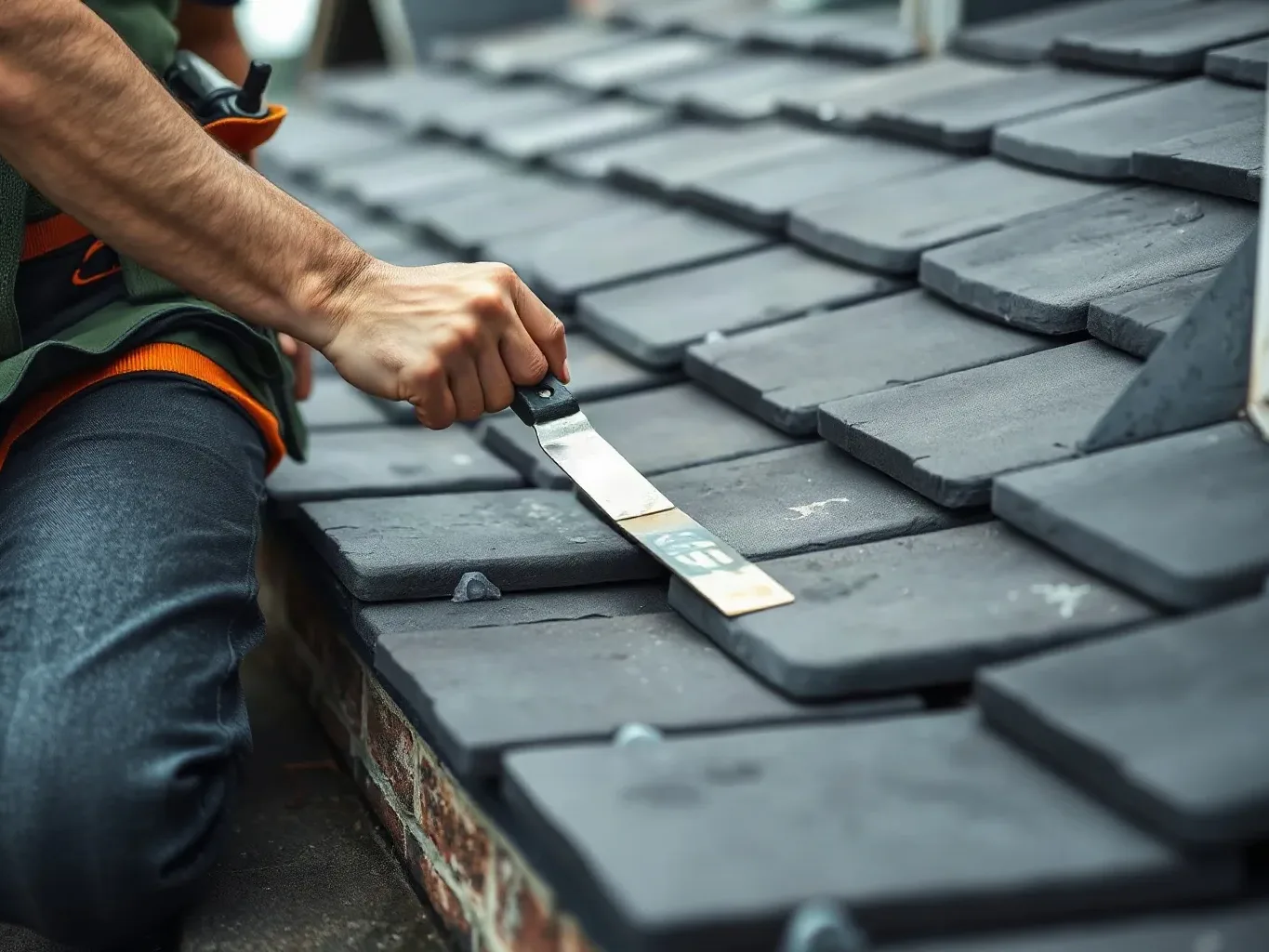
Spanish slate dominates the imported market and is widely available from builders' merchants across the UK. It is softer than Scottish slate, which makes it easier to dress and nail, and it arrives in consistent sizes and thicknesses. Cost per square metre is lower, and supply is reliable. The trade-off is longevity: Spanish slate typically lasts 50–80 years, and some lower-grade Spanish products degrade faster in prolonged wet conditions because their water absorption rate is higher.
For Edinburgh, that matters. The city averages around 660 mm of rainfall annually, and roofs on north-facing slopes or in exposed positions in areas like Corstorphine or Liberton experience sustained damp. Spanish slate performs adequately in those conditions, but it is not performing at the same standard as the material it often replaces.
Welsh Slate
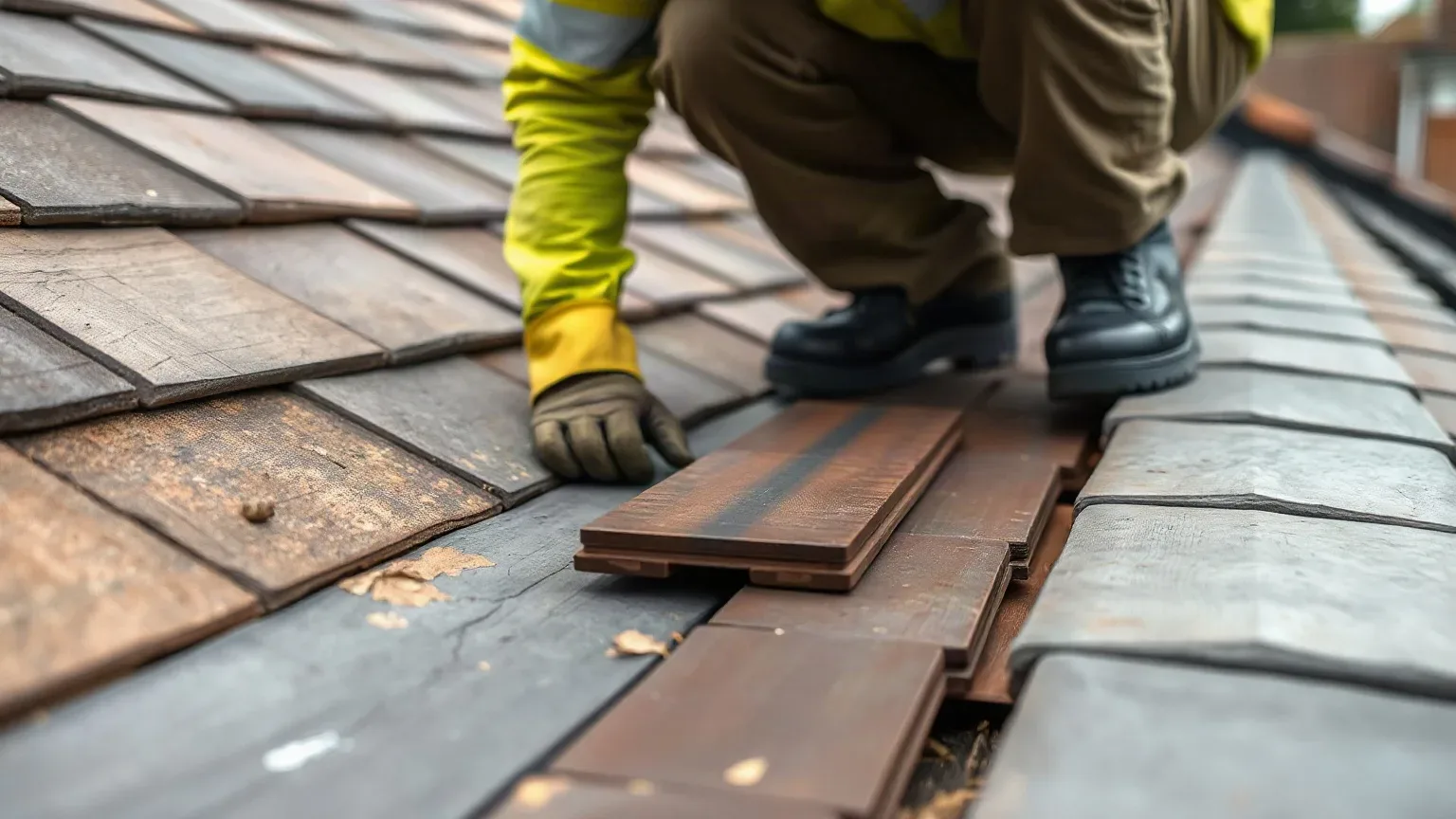
Welsh slate, quarried primarily at Penrhyn and Ffestiniog, sits between Scottish and Spanish slate in both cost and performance. It is dense, absorbs very little water, and carries a colour range from blue-grey to purple that complements Edinburgh's stone palette well. Lifespan is broadly comparable to Scottish slate, though individual quarry output varies. Welsh slate costs more than Spanish but less than reclaimed Scottish, making it a credible middle option for homeowners who want durability without waiting on limited Scottish supplies.
How the Two Options Compare on Cost
Full roof replacement using natural slate runs £80–£150 per square metre for materials and installation, with Scottish slate tending toward the upper end and imported slate reducing material cost modestly. On an average Edinburgh semi-detached property, a complete roof replacement falls in the range of £6,000–£15,000 depending on roof size, pitch, access difficulty, and the slate chosen.
Reclaimed Scottish slate commands a premium because sourcing and grading take time. New Welsh slate is priced competitively with quality Spanish products. If your project involves minor repairs, replacing individual slates costs £150–£400 per slate or small patch, and matching the existing material becomes the priority regardless of which type was originally laid.
Planning Considerations for Edinburgh Properties
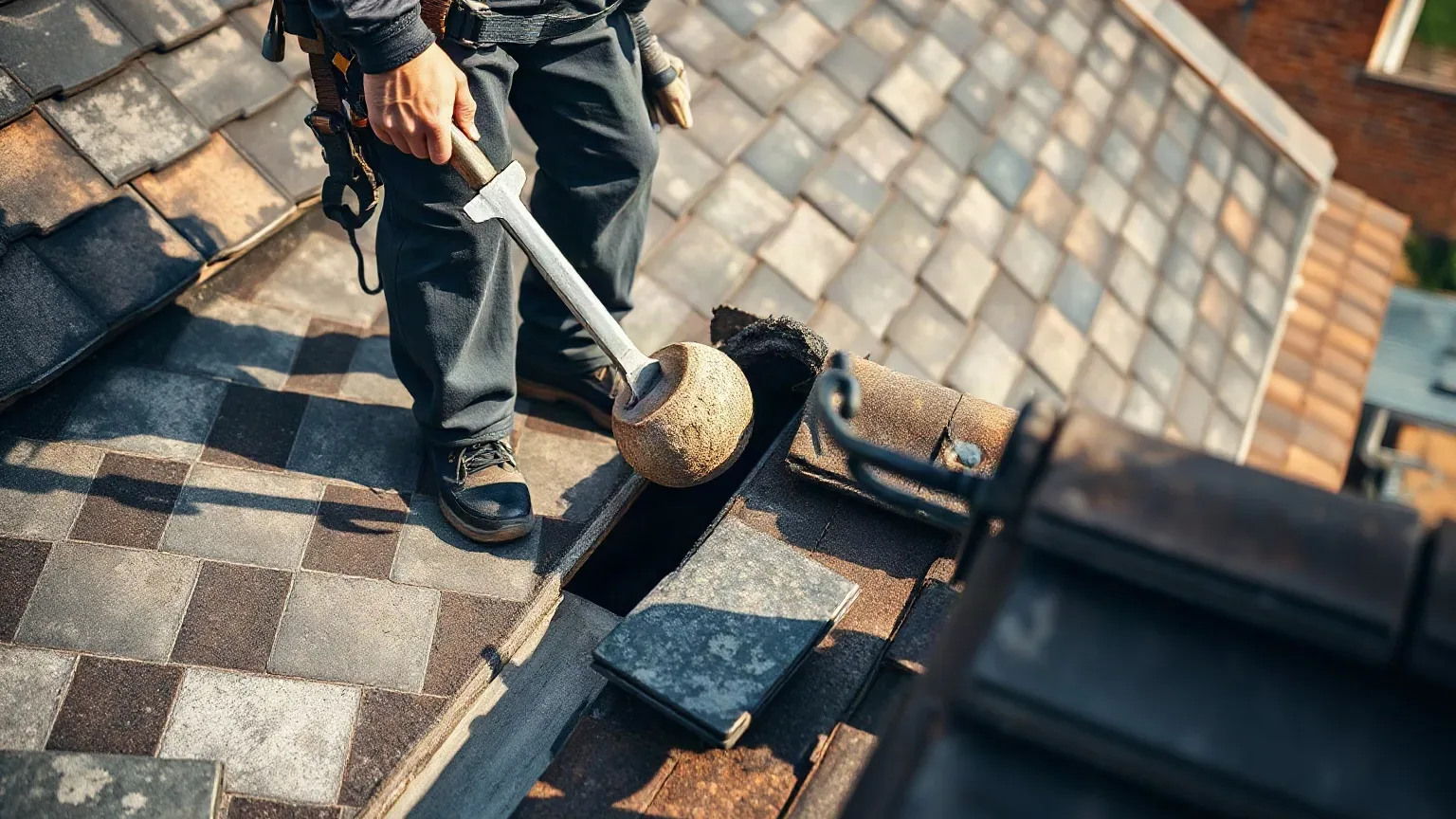
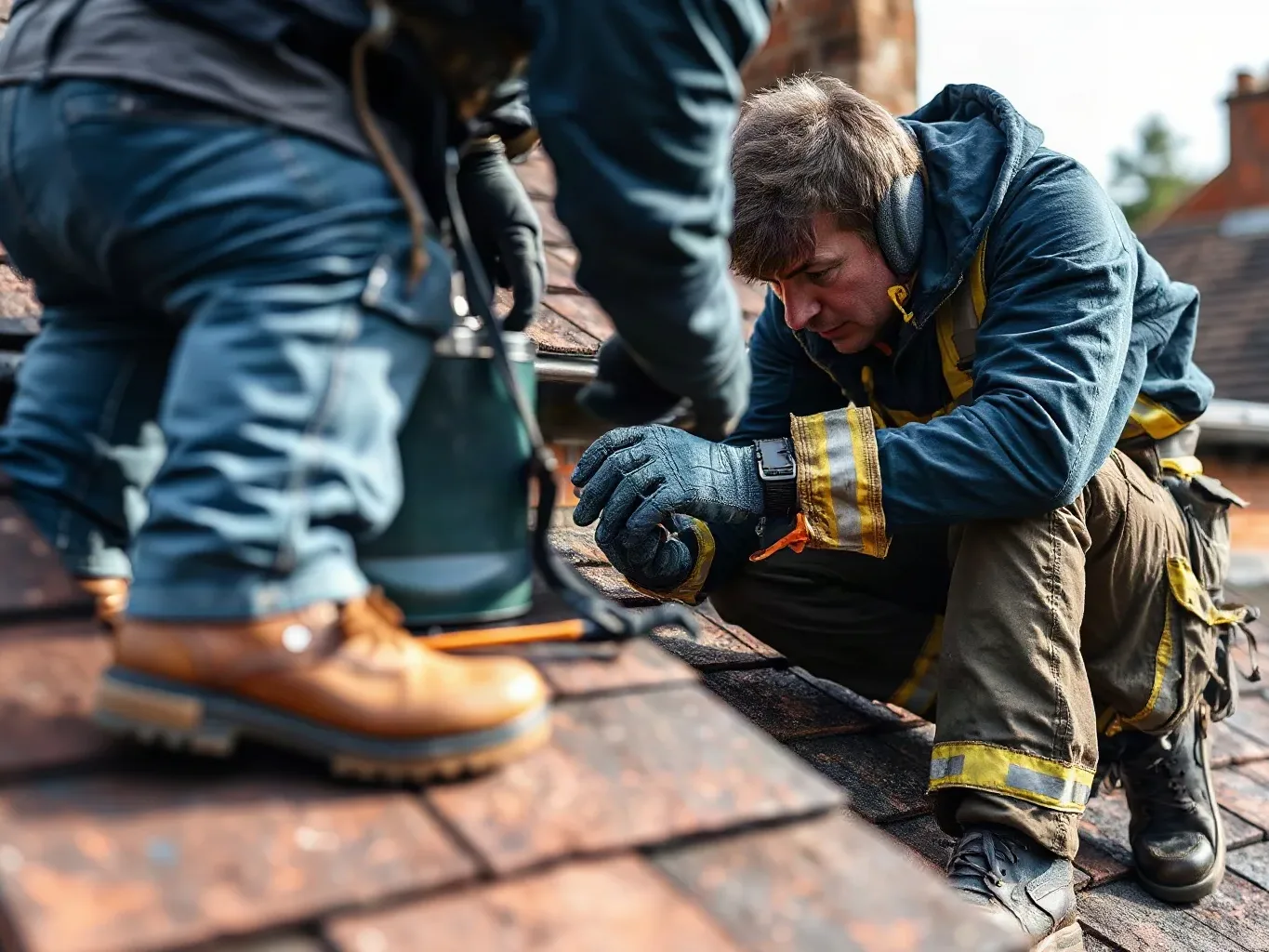
Edinburgh has one of the highest concentrations of listed buildings and conservation areas in Scotland. Roofing on a listed property or within a conservation area often requires like-for-like replacement, meaning Scottish slate on a historically Scottish-slated roof is not optional; it is a condition of consent. The Edinburgh World Heritage Site designation and Historic Environment Scotland guidance both apply in central areas. Always check with Edinburgh City Council's planning department before specifying materials on a protected building.
Even where planning consent is not required, choosing the wrong slate affects appearance. Scottish slate has a riven, slightly irregular surface that reads differently from the machine-smooth finish of some imported products. On a tenement or Victorian villa, the difference is visible from the street.
Sourcing and Lead Times
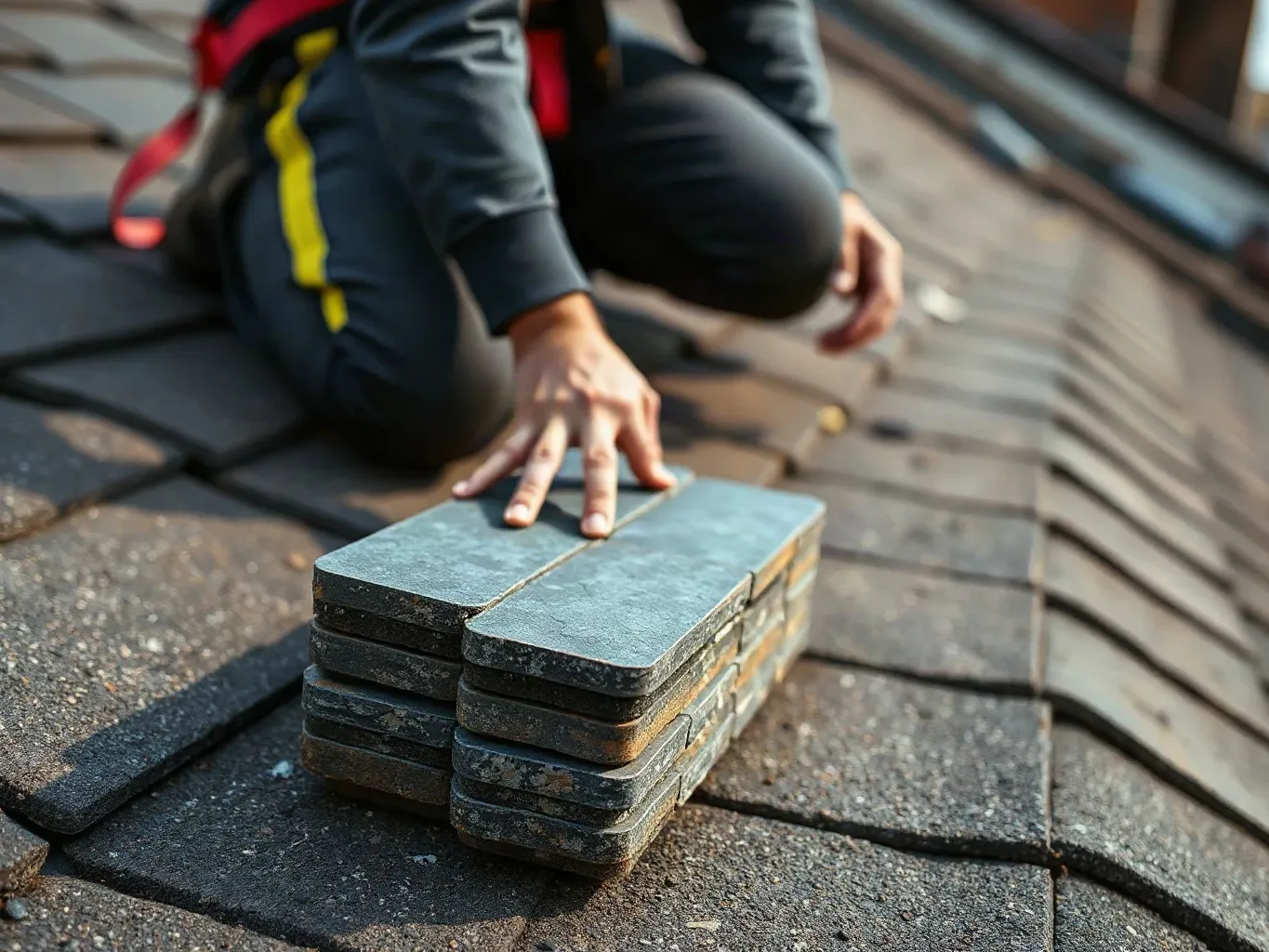
Reclaimed Scottish slate is available through specialist salvage yards, some of which operate in the Lothians and central Scotland. Availability fluctuates, and a roofer sourcing a large batch for a full replacement may need weeks rather than days to assemble a consistent supply. Spanish slate can be ordered and delivered within a standard project timeline. Welsh slate lead times are generally manageable but longer than Spanish.
For emergency repairs, imported slate is the practical choice if matching is not critical. Fitting a temporary repair with available Spanish slate buys time to source a proper match for a full section replacement later.
Making the Right Decision for Your Roof
The case for Scottish slate is strong if your property is listed, sits in a conservation area, or if you are planning to stay in the property for decades and want a roof that outlasts the mortgage. The upfront cost is higher, but the per-year cost over a 100-year lifespan is competitive with any alternative.
Imported slate makes sense when budget is the binding constraint, when the existing roof already uses Spanish or Welsh slate, or when speed of supply matters. Welsh slate is worth specifying over Spanish where the budget allows, given its closer performance characteristics to Scottish material.
Get a written quote that specifies the slate type, origin, and thickness so you can compare contractors on equal terms. A reputable NFRC-registered or equivalent approved roofing contractor will tell you plainly what they are fitting and why. If they cannot answer questions about slate origin and grade, that is a signal to keep looking.
Contact a qualified Edinburgh roofer for a roof inspection, priced at £150–£300, to assess your current covering and give you an honest recommendation before you commit to either material.
Frequently Asked Questions
Scottish Slate vs Spanish Slate Edinburgh - Which Is Better?
Scottish slate outperforms Spanish slate on lifespan and water resistance, typically lasting 80–150 years compared to 50–80 years for Spanish slate. In Edinburgh's wet climate and on listed or conservation area properties, Scottish slate is often the preferred or required choice. Spanish slate costs less and is easier to source quickly, making it a practical option for budget-led projects or emergency repairs where matching is not critical.
Is Reclaimed Scottish Slate Worth the Extra Cost?
For listed buildings or conservation area properties in Edinburgh, reclaimed Scottish slate is frequently required rather than optional, so the cost comparison becomes secondary to compliance. On unrestricted properties, the higher upfront cost is offset by a longer lifespan. The key is sourcing graded, consistent reclaimed slate through a specialist, as quality varies significantly between batches.
How Much Does a Scottish Slate Roof Replacement Cost in Edinburgh?
Full roof replacement using natural slate runs £80–£150 per square metre for supply and installation, with Scottish slate typically at the upper end of that range. On an average Edinburgh semi-detached property, total costs fall between £6,000 and £15,000 depending on roof size, pitch, and access. Minor repairs involving individual slate replacement cost £150–£400 per slate or small patch.
Do I Need Planning Permission to Replace Slate on an Edinburgh Tenement?
If your tenement is a listed building or sits within a conservation area, replacing the roof covering usually requires consent, and like-for-like slate specification may be a condition. Edinburgh City Council's planning department and Historic Environment Scotland guidance should be consulted before work begins. Even where formal consent is not needed, choosing a visually different slate on a historic streetscape can attract objections from neighbours or the council.
How Long Does Welsh Slate Last Compared to Scottish Slate?
Welsh slate from high-quality quarries such as Penrhyn performs comparably to Scottish slate, with lifespans in the 80–150 year range under good maintenance. It absorbs very little water and weathers well in wet Scottish conditions. It costs more than Spanish slate but less than reclaimed Scottish slate, making it a practical middle-ground option where budget and supply are both considerations.