Slate Roof Repair Cost Edinburgh
What Repairs Typically Cost
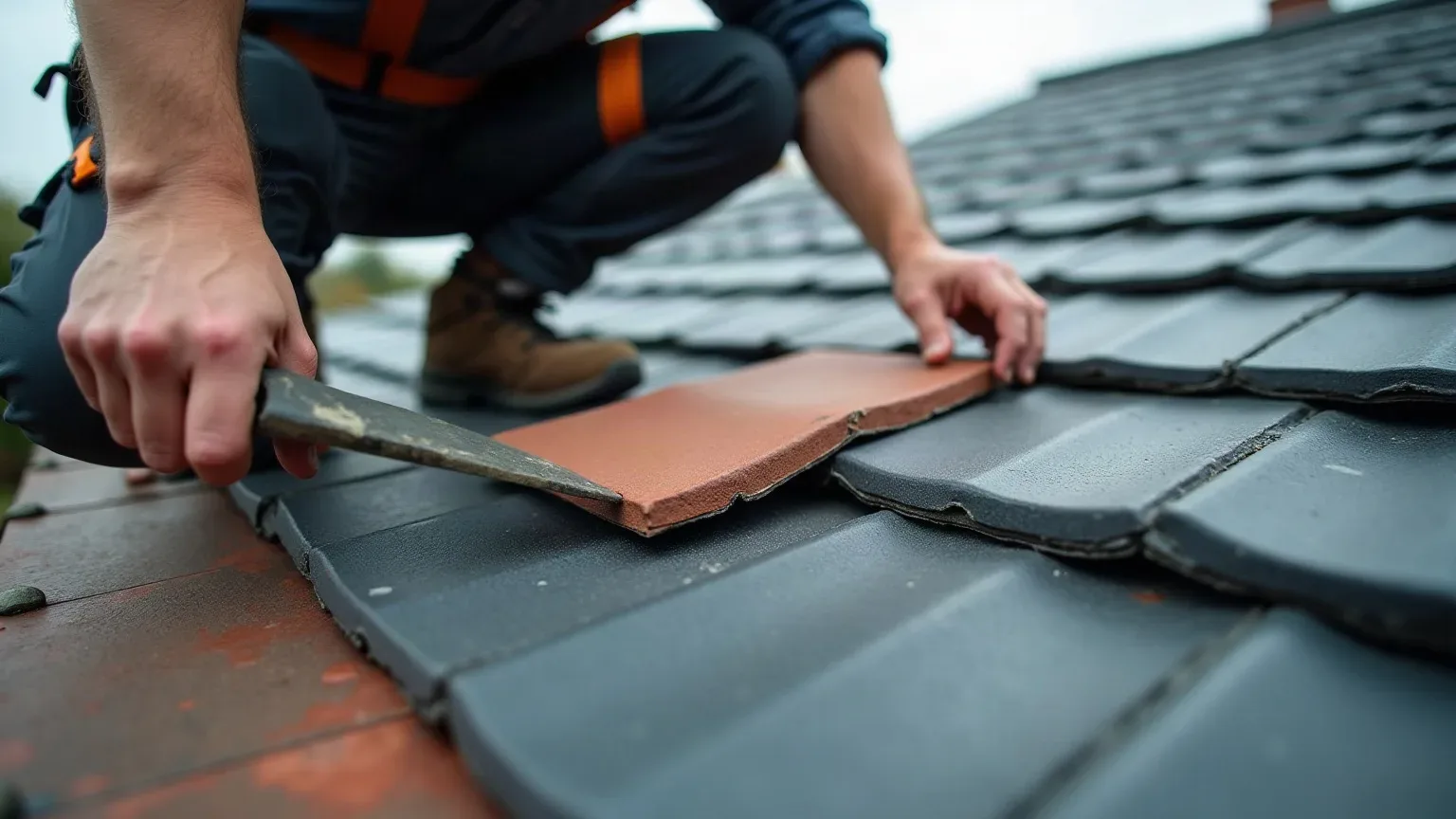
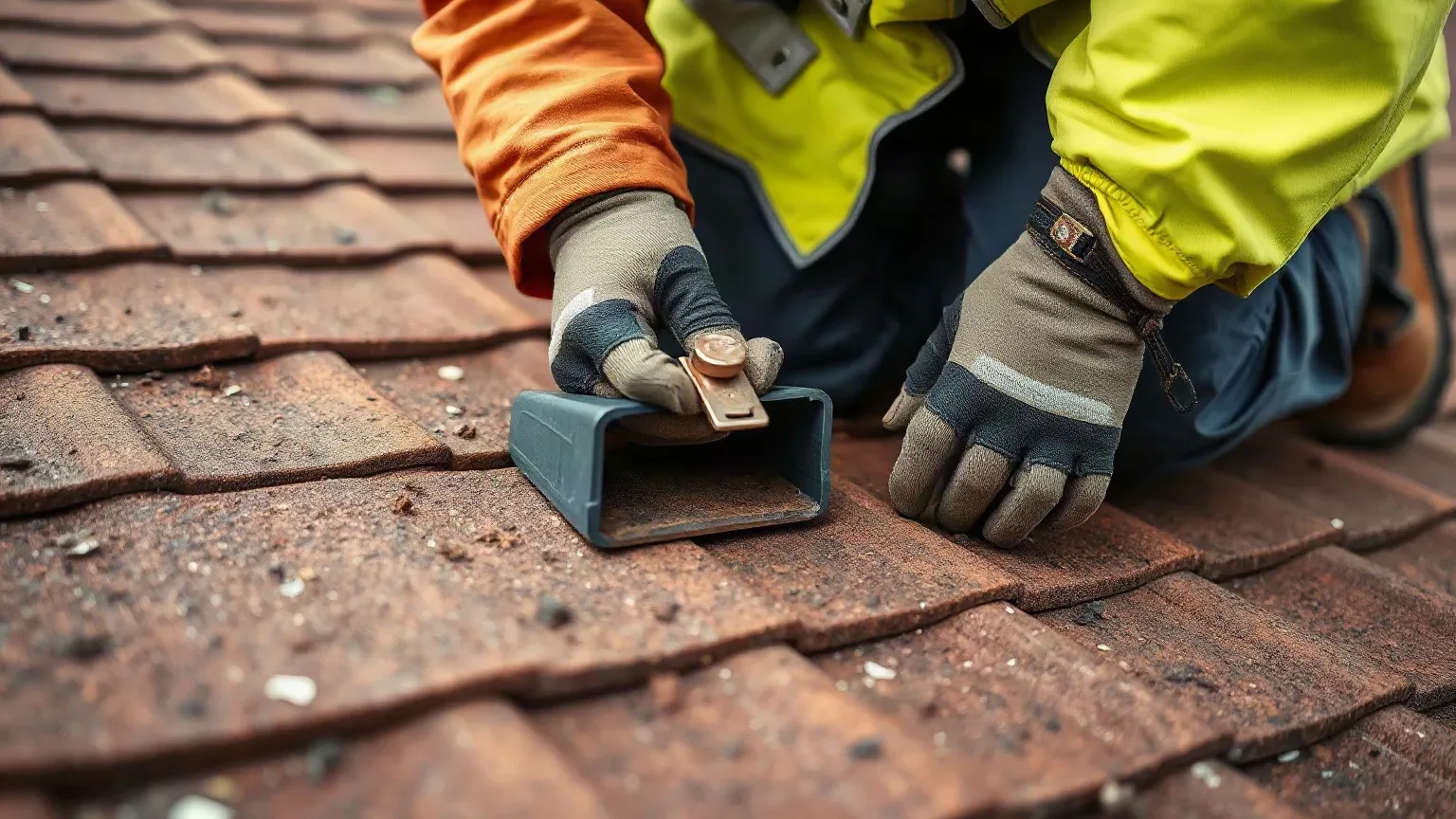
A single slate replacement in Edinburgh costs £150–£400, covering the slate itself, lead or copper fixings, and the roofer's time on the roof. That range shifts depending on how accessible your roof is, whether scaffolding is required, and the slate type being matched. Steeper pitches and taller properties push costs toward the upper end.
Minor repairs, say a handful of slipped or cracked slates after a storm, usually sit toward the lower end of that bracket. Once a roofer is on-site and the affected area covers more than a square metre or two, expect a bespoke quote rather than a fixed price. Larger patch repairs can overlap into partial re-slating territory, which is priced differently.
Full Slate Roof Replacement
A full re-slate of an Edinburgh semi-detached typically costs £6,000–£15,000. That wide range reflects roof size and pitch, the material chosen, and the complexity of access. Scottish or Welsh slate is quoted at £80–£150 per square metre for supply and fit; imported Spanish slate reduces material cost slightly but carries a shorter lifespan of 50–80 years versus 80–150 years for Scottish or Welsh slate.
Many Edinburgh properties built before the 1950s were originally slated with Scottish slate, and matching that material matters both aesthetically and for planning purposes in conservation areas. A reputable contractor will advise on sourcing reclaimed Scottish slate, which is available but commands a premium over imported alternatives.
Callout and Survey Fees
Standard weekday callout fees run £60–£120 before any labour charge. If you need someone out in the evening, at a weekend, or on a bank holiday, expect £150–£300 for that emergency callout alone. A formal roof inspection with a written report costs £150–£300, and some contractors use drone surveys, which tend to sit toward the upper end of that range.
Getting a survey done before committing to repairs is sensible on older Edinburgh properties. Many stone tenements and Victorian villas have underlying batten or sarking issues that only become visible once slates are lifted.
Why Edinburgh Slate Roofs Need Specific Attention
Edinburgh's climate is wetter and windier than much of the UK, and the combination of freeze-thaw cycles, Atlantic weather and persistent moisture accelerates the natural delamination of slate. Slates that have absorbed water and then frozen crack along their cleavage planes, a process that can progress quickly once the first few slates are compromised.
The city's tenement stock and Victorian terraces were largely built with Scottish slate sourced from quarries in Argyll and Perthshire, some of which are no longer active. This makes sourcing matching material more complex than it sounds. A good contractor will distinguish between Scottish slate, Welsh slate, and imported variants, and will be honest about what can be matched to your existing roof covering.
Conservation Areas and Listed Buildings
A significant portion of Edinburgh's housing stock sits within a conservation area or carries a listed building designation. In those cases, material choice is not entirely discretionary. Edinburgh City Council generally requires that slate roofs in protected areas be repaired like-for-like, meaning Scottish or Welsh slate rather than fibre cement or imported alternatives.
Always confirm permitted development rights before agreeing a specification with your contractor. A contractor registered with the NFRC or an equivalent approved body will be familiar with local planning requirements and can flag any consent issues before work begins.
Temporary Weatherproofing After Damage
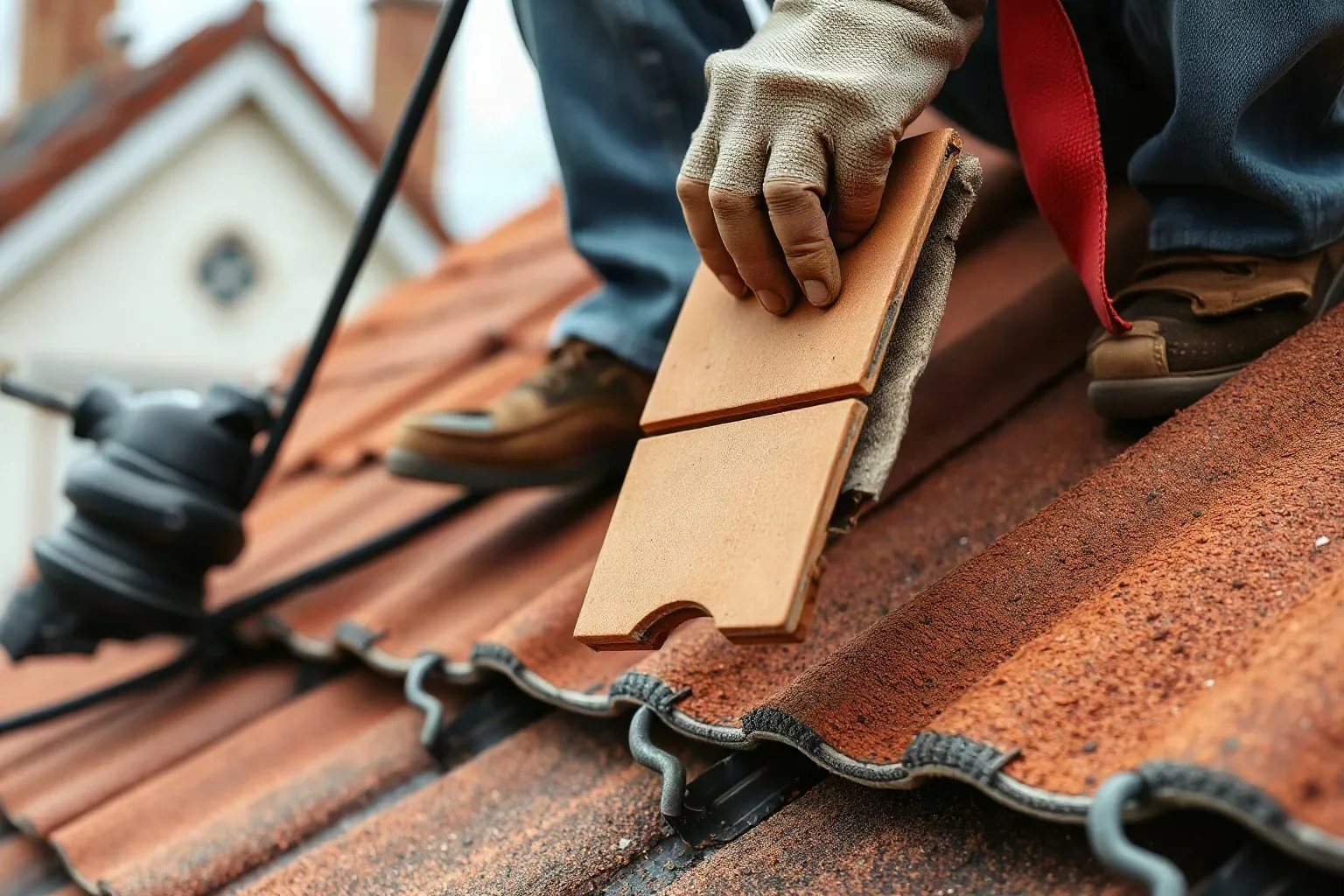
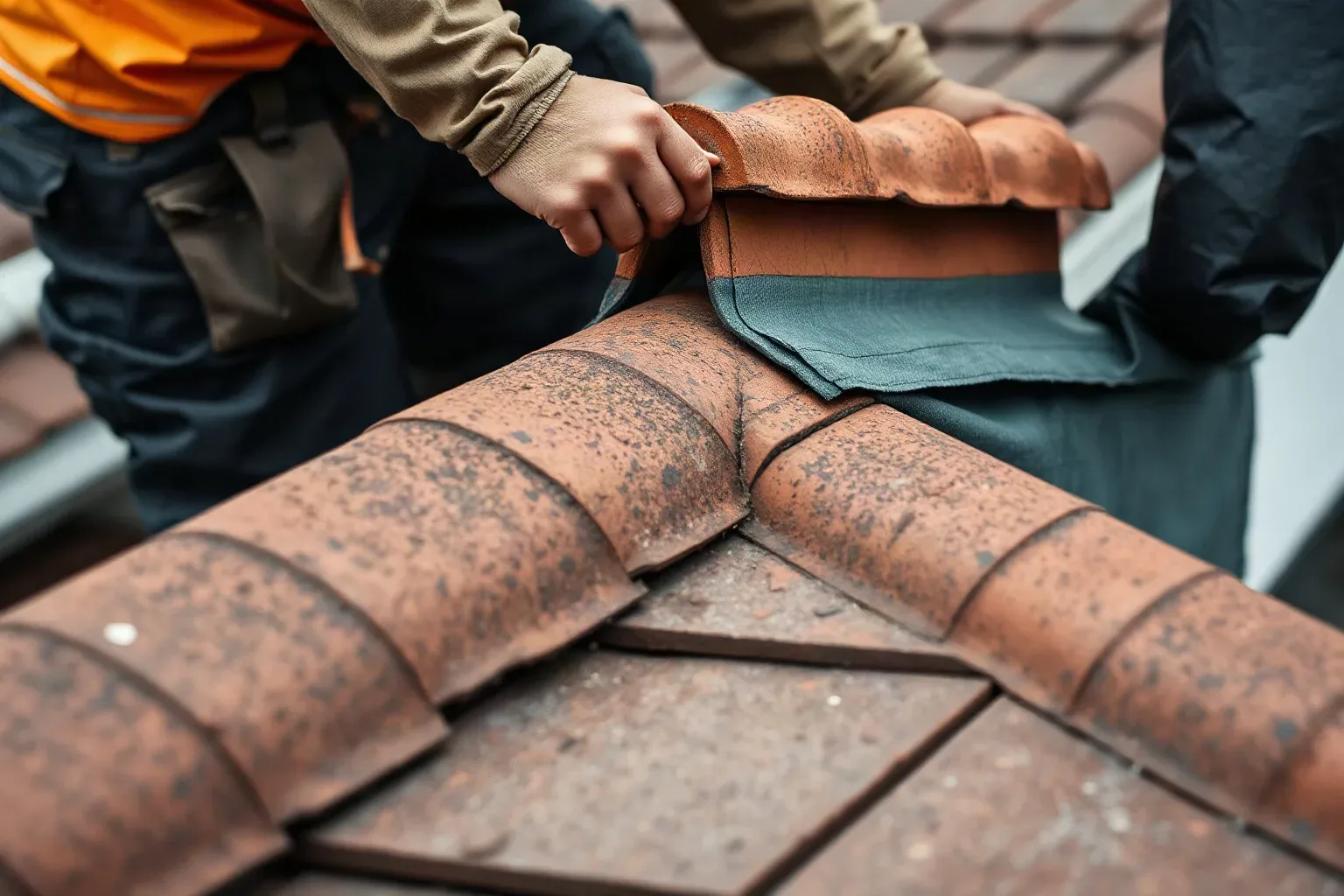
If slates have come off in a storm and your loft is exposed, emergency roof tarping costs £200–£500 per job. That is a temporary measure only and does not include the cost of permanent repairs. It buys time to get a proper survey done and compare repair quotes without further water ingress damaging your ceilings or insulation.
In Edinburgh, emergency roofing lines operate 24 hours a day, seven days a week. Target response times in the city area are within 1–2 hours, though actual arrival depends on demand and your precise location. If you are further into the Lothians, factor in that response may take longer.
What Affects the Final Price
Four factors move the needle on slate repair costs more than anything else:
Access and scaffolding. A standard Edinburgh terrace with a manageable eaves height may not require a full scaffold, but anything above two storeys usually does. Scaffolding adds £500–£1,500 to a job and is unavoidable for safe working at height.
Slate type and sourcing. Matching existing slates is harder on older properties. If reclaimed Scottish slate is needed, your contractor may need to source it from specialist suppliers, adding both material cost and lead time.
Extent of underlying damage. Slipped slates are often a symptom of nail fatigue, corroded fixings, or failed sarking felt beneath. If the felt has failed or battens are rotten, the repair scope expands considerably and the quote should reflect that.
Number of roofers required. Larger jobs or time-sensitive repairs may need two or three operatives, which affects the daily labour rate.
Getting Accurate Quotes
Always get at least two written quotes before proceeding. Ask each contractor to specify the slate type and origin, the fixing method, and whether the quote includes scaffolding. A quote that omits scaffolding looks cheaper on paper but may not be in practice.
Check that any contractor you use is NFRC-registered or holds equivalent approved contractor status. This matters both for quality assurance and for any warranty or guarantee that comes with the work.
Spotting Problems Before They Escalate
Slate roofs rarely fail catastrophically overnight. Common early signs include individual slates slipping or cracking, dark staining on ceilings after heavy rain, and moss or lichen growth concentrated in specific areas, which can indicate moisture retention beneath the surface. Checking your roof visually from the street after a significant storm costs nothing and can catch single-slate failures before water gets into the roof structure.
Professional inspection every five to ten years is a reasonable maintenance rhythm for Edinburgh properties, particularly those over 60 years old. A proper slate roof, correctly maintained, should last 80–150 years. Early intervention on small faults is almost always cheaper than waiting until multiple slates are lost and water damage has spread to timbers or plasterwork.
Frequently Asked Questions
What Is the Slate Roof Repair Cost in Edinburgh?
A single slate replacement in Edinburgh typically costs £150–£400, covering materials and labour. Larger patch repairs are quoted on a job-by-job basis, and a full roof re-slate on a semi-detached property usually falls in the range of £6,000–£15,000 depending on roof size, pitch, material choice, and access requirements.
How Long Does a Natural Slate Roof Last in Edinburgh?
Scottish and Welsh slate roofs last 80–150 years with proper maintenance. Imported Spanish slate has a shorter expected lifespan of around 50–80 years. Edinburgh's wet and windy climate means freeze-thaw cycles can accelerate slate deterioration, so regular inspection helps extend the roof's working life.
Do I Need Planning Permission to Repair a Slate Roof in Edinburgh?
Most like-for-like slate repairs do not require planning permission. However, properties in Edinburgh's conservation areas or those with a listed building designation may need consent if the material specification changes. Always check with Edinburgh City Council or your contractor before agreeing a specification that differs from the original slate type.
How Much Does Emergency Roof Tarping Cost in Edinburgh?
Emergency roof tarping costs £200–£500 per job in Edinburgh. This covers temporary weatherproofing only and does not include the cost of permanent repairs. Emergency roofing contractors in the city aim to respond within 1–2 hours and operate 24 hours a day, seven days a week.
Is It Worth Repairing a Slate Roof or Replacing It Entirely?
If fewer than 20–25% of slates are damaged and the underlying battens and sarking are sound, targeted repairs are usually more cost-effective than a full replacement. Once nail fatigue is widespread or the sarking felt has failed across a large area, a full re-slate often works out cheaper in the long run than repeated patch repairs. A professional survey costing £150–£300 will clarify which route makes sense for your property.